


TLDR
Summary
In this masterclass on high-stakes entrepreneurship and health innovation, Marc Hermann, Co-founder of Everlab, deconstructs the friction of scaling a venture while advocating for a radical redesign of human health. Motivated by the sudden death of his father at age 48 from an undetected heart condition, Hermann has built a preventative "health-tech" empire aimed at identifying silent risks through longitudinal data and AI. He offers a "brutal" look at leadership, arguing that true healthcare must move beyond "sick care"—the reactive model of waiting for symptoms—to a proactive, data-driven system. Hermann highlights the vital importance of speed, the dangers of "prototype hell," and why extreme agency is necessary to survive the "moral dilemmas" of running a capital-intensive business in a highly regulated industry.
Highlights
- The "Sick Care" Fallacy: Hermann argues that the current medical system is optimized for rescue rather than maintenance. By shifting focus to "forward science," Everlab aims to catch "silent killers" like plaque buildup before they lead to catastrophic events.
- The Power of Longitudinal Data: Most patients lack a single doctor who tracks their health over decades. Everlab uses AI to consolidate 30 years of fragmented pathology and radiology data to identify personal risk trends that a 15-minute GP consult would miss.
- Venture Capital as a Double-Edged Sword: Raising massive rounds at billion-dollar valuations can sabotage a startup by forcing it to grow into an artificial multiple, often at the expense of employee stock value and sustainable product development.
- Escaping Prototype Hell: Hermann stresses the importance of "real customers paying real money" for "real feedback." Staying too long in the basement building a perfect prototype prevents founders from discovering what the market actually needs.
- The "One Throat to Choke" Principle: To move at high speed, Hermann employs a ruthless organizational structure where a single person is held ultimately responsible for each core process, eliminating the ambiguity that slows down larger corporations.
- Urgency as a Cultural Pillar: With "Urgency" hats literally worn in the office, the Everlab team operates on the mantra that a wrong decision is better than no decision. Hermann pushes for "tomorrow" instead of "four weeks" to maintain a startup's only real advantage: speed.
- Holistic Health Integration: The future of health lies in bridging the gap between clinical medicine and the "wellness/fitness" world. Hermann envisions a system where wearable data (Oura, Whoop, Apple) informs medical decisions in real-time.
- The Founder’s Sacrifice: Marc is candid about the "mental weight" of leadership, admitting that building a $10 billion company requires 80-hour weeks and a permanent "on" switch, fueled by a competitive drive and a refusal to lose.
Transcript
00:00:00
Every popular startup that you hear in the news, in the press and so on and so forth, it's an ab [ __ ] show inside. The reality of a startup is you need to make quick decisions with only having 20% of information available at that point of time. We rather make a wrong decision than no decision at all. Obviously, there are certain decisions you shouldn't get wrong, but in the end, it's just about fast iterations. Just learning, learning, learning. If you are not yet a big company, your main
00:00:29
advantage is speed. Whenever someone comes to me and is like, "Hey, Friday in 4 weeks." I'm like, "Why not tomorrow?" That is really what drives the business forward. Steven, my co-founder, the first conversation we had, he basically told me, "We solved heart disease." It's like, "We know exactly medically how a heart attack builds up. We have all the diagnostic technology out there. The problem is just there's not enough accessibility. There's not enough like
00:00:53
education. There's not enough funding. Therefore, um it's not accessible." And that was just for me absolutely mind-blowing. I was like, "Okay, let's do something about that." And that's really meaningful. When you get started, you solve a very niche problem in a constrained niche market and then grow out of it. If you try to go at something that is very wide and big, it's very very hard in the early days. You just don't have the whole solution ready. What we started with at Everlab was way
00:01:20
too big to begin with. >> Really? Yes. which could have and almost. This episode is brought to you by Wick Studio. Here at the agency podcast, we're building a community and we would love for you guys to be a part of it. So, we would love to hear from you. What are you enjoying the most? What would you like to see more of? And what do you think might be missing? Drop a comment. Make sure you subscribe. And now, on with the show. Mark, welcome to the Agency podcast. >> Thank you for having me. excited to have
00:01:53
you here. And one thing I want to open up with which is a little spicy is that you've called the current medical system sick care instead of healthcare. Why? You know, I want to want to preface this with saying like I think Australia has a pretty pretty good healthare system, right? If you just look at life expectancy in Australia compared to most nations actually around around the world. Had a conversation yesterday with someone who said like Australia is actually one big blue zone, right? Like
00:02:18
an area where people tend to live very very long. Um it's really not about like you know [ __ ] on the existing system. I'm just saying you know like most western countries we you know just have a demographic pyramid where people get older and older and we have you know limited budgets. I think in particular if you look into Medicare um the budget is getting tighter and tighter and I think you are currently in that moral dilemma where you know if I have $1 to spend I need to decide do I spend that
00:02:45
on a old sick person or a young healthy person. Well, you would, you know, morally be obligated to spend it on the on the sicker, older person. And I think that is where where a specific gap is. And um, you know, what we're trying to do is really to turn things upside down, see like, hey, actually, can we go to the doctor when we're still quote unquote healthy versus when we're actually sick? And I think that is, you know, where I'm coming from. >> And I would say that culturally we
00:03:12
currently look at our system somewhat as the hero archetype. So if you have an ailment, a sickness or an illness, you would go to a GP or a doctor um who then pulls you back from the brink so to speak. >> Um why do you think we value the rescue so much more than the maintenance? >> Well, I think um again like we're just we just have certain limitations, right? And I think if we look into health care in particular, I would say, you know, you have very expensive uh human beings that are doctors, right? It takes a long
00:03:40
long period of time to train doctors. there's a limited amount of doctors out there and again you're kind of in this in this dilemma that um you know you have to do the best with the limited resources that that are out there but um I do believe that you know we're we're moving into into a new world in particular I think technology gives us the opportunities to flip the script here and I think you know also just with the way that medical research is actually developing we just learn more
00:04:06
and more and more that unfortunately there are certain you know disease that are silent meaning you will not see certain certain s symptoms before it's too late and I feel like that's where where massive opportunity exists >> now if you zoom out to the entire medical system as it sits right now what do you see as missing and what do you think is the next generation of health >> I think the biggest problem we have is really data I think you know if you look into pretty much every industry around
00:04:38
us like data really is the key I do I think that um one-sizefits-all solutions are very very tough and you know same thing here uh there are some preventative measures that are accessible actually for free in Australia right the problem is again you need to do it with certain commercial tradeoffs so to speak so you know this can be something like colonoscopies or like um breast cancer screenings and code that are already covered by the state again the problem is just that here you make a compromise you decide
00:05:08
for a certain age where these sorts of screenings um are available for free. The problem though is like no two people are alike, right? Maybe in my particular case um my dad died from a heart attack, my grandpa had a heart attack, I am at high risk of a heart attack. So aggressive heart disease screening might make more sense for me at a younger age. Whereas for example for your family, it might be a specific, you know, cancer or something where your risk is higher. And I think for me it's really about
00:05:34
understanding each individual human, their particular risks and opportunities and digging down there. >> When you start looking at the data that the GPS track in their systems, CRM, databases and so such, what have you witnessed that you feel is radically out ofd when it comes to tracking data like with your father and your grandfather and so on. >> So I think the problem is just that it's not accessible, right? I think um sometimes as as ironic as it might sound, I feel like the situation was
00:06:02
better 20 years ago because uh people would usually still have that one family doctor they would continuously go to, right? So despite the fact that maybe it would have not been like very very quantitative, still you would have one person that would see you over time and basically understand you most people you speak to today, they don't have their one GP anymore. And if you go to different doctors, basically you're really missing longitudinal data. I think in particular in healthcare of
00:06:28
course there's certain areas you know specific blood tests if you're in the red today you're red today and you know there's risk and you can do something about it but often it's actually more about the longitudinal trend meaning if I just go in and I see a GP they would usually lack a lot of context about me and therefore might be at risk of missing specific things >> and do you think that there's a future where you will be able to pull data from your family and be able to track things
00:06:55
that maybe haven't appeared for you yet but might show up in a database from you know years past. >> Yeah, I mean on the one hand side that's what you know the Australian government has tried to do with with my health record. The problem is just that you know most people you speak to that that app is empty. Um the problem is this data is scattered across different providers in different formats and uh you know very hard to make sense of and uh that is for example one of the things
00:07:20
we're trying to build with Everlap and we actually found a way to access around say 80 to 90% of the last 30 years worth of pathology and radiology data which is obviously extremely extremely powerful. Have you have you witnessed anything different between government initiative healthcare programs that track data and entrepreneurial ones? >> Well, I think uh you know it's the it's the age on age old debate that uh yeah I'm I'm a big believer that the private sector is uh more efficient right like I
00:07:50
think it doesn't matter what kind of projects you look into uh if you have that need to to to be commercial to look at your your bottom line you tend to execute faster you get to to deeper results. So I think that is not a healthcare specific topic but it's yeah true for pretty much every industry out there. >> Well that totally makes sense. Now when you think about preventative health versus um you know I guess waiting till something happens. Do you feel like the industry is shifting that direction slowly or is it
00:08:20
hit a stagnation where people aren't quite sure how to adapt? Well, uh I do think again right like with advancements in technology there are more more medical breakthroughs and I think in particular you you know have advancements in diagnostic technology for example. I think you know look at stuff like MRIs or co where you now have AI or image detection technologies that make it possible to detect a lot of things earlier um than than before. But yes, it's a it's a big it's a big
00:08:51
cultural issue so to speak and I think you know talking to people there is actually like great healthcare out there. It has been for a long period of time. The problem is just it's gatekept and it's incredibly expensive, right? you have very very very expensive boutique clinics and co where you know ultra personalized health care is practiced you know has been practiced actually already for the last 10 20 years probably again it's just not accessible for the for the average Australian and uh I think that's again
00:09:20
where where technology comes in and really gives an opportunity to change it but yes doing that across the quote unquote legacy system is very very hard um on average it takes around 10 years for med medical break through to to make its way into into general practice. So things are just moving incredibly slow. >> Now if you look at health holistically, do you have a definition of how you like to look at it or how you would like to redefine how people should be looking at health in today's day and age when it
00:09:49
comes to prevention? I think the interesting part right now is you you kind of have these two two worlds, right? You have the classic medical world, right? Like your GP, your specialist, etc. And actually quite interestingly if you anchor the customer in that world people tend to be quite stingy and you have the other world which is more what I would call you know wellness fitness supplements etc right and uh that's where people usually spend a ton of money right and I think in particular Australia I think is one of
00:10:18
the countries where the spend per GBG on per capita is very very high the problem is these two worlds are not talking with each other right obviously if I go see um you know my GP they would ask ask me some lifestyle questions but it's just on a surface level but I think you know we have enough data that my lifestyle has massive massive influence on on my health so I think for me like where we need to move is to more of a holistic definition of the term that is really encompassing everything from these two
00:10:47
worlds now do you think that prevention when you're trying to build a bridge between these two worlds is a difficult cell or have you found it easy >> well I think the problem is right now like we actually internally always speak about two terms that is uh forward science and fringe science and I think the problem is there's a lot of fringe science out there and um I think one of course right people spend a lot of time on social media you see all of these trends I think in particular nutrition
00:11:16
is you know like one of these topics and one pe one person might swear that low carb is the best thing and another one is vegan and then the other camp is like you know seed oils are the devil and it's all carnivore and again I think you know people lose themselves in some of these discussions. I think there's a lot of, you know, just wrong information out there. And then on the other hand end of the spectrum, you probably have, you know, a medical profession that is sometimes maybe like a little bit too uh
00:11:44
conservative and not really embracing, you know, these these medical uh breakthroughs. And I think that's it's exactly where we came in as a as a business that we said like hey we actually want to build a fantastic medical service that is really clinically sound that actually doctors want to work for. Um but on top of it I think just build it around a brand that feels like a consumer brand that is welcoming for the customer and really you know like opens their eyes to like what is actually possible. Now if you
00:12:14
look at the industry and how people tend to look at hospitals and institutions would you say that their you know objective is to make gain or make profit. What's been your experience with this? >> Well again right like there their incentives in life and uh obviously right the healthare system is is no different here. Obviously you have a larger governmental component in here but as I said before even even governments have specific budgets right they they they need to work on and uh yeah I think I think in in the end uh
00:12:47
it's also an industry with I would say very very thin margins so obviously right like you you need to make the right decisions and uh yes of course right like you always hear the bad stories private equity firm buys private hospital chain or you know same thing for elderly homes for example, where I think you have obviously that that moral dilemma because they're real people with real impact and uh you know you need to you need to make the right decisions but still run a business. Yeah. If you think
00:13:15
about it on one hand you can have you know bloated government agencies that are incapable or somewhat incompetent at using money effectively and then on the other hand you have companies and entrepreneurs that are more capitalistic. So then it's >> it's it's two different sides of of the problem. Do you think that there's a way to bring harmony between these different sectors and how people can think about this? >> Absolutely. I think um for us that the way we started and again I think like
00:13:41
building building businesses in healthcare is incredibly tricky because you have to navigate uh you know the regulatory regulatory complexities. Um but I think for us our our long-term plan is really to say we can actually prove out that we're driving healthcare outcomes. And when I say that let's just pick a simple example, right? like does it actually make sense to invest a couple of thousand dollars into you know Mark's heart health and prevent my future heart attack from happening or do
00:14:10
I need to spend then 20 years of you know governmental money on me treating me after a stroke or a heart attack right and I think again coming back there's a lot of you know criticism out there about over testing you know running scans on on uh healthy people and to be honest there's actually a lot of truth in that but for us it's really to say hey If we really take a very datadriven personalized approach, we want to prove out that in the end we will lower the cost for the system in
00:14:39
the end and I'm very very convinced that if you use technology in a smart way, this is possible and will in the end benefit everyone. >> Do you think that to bring the cost down you have to go from the top down versus the bottom up? >> Absolutely. Like again I think for us um when we started the business initially um I think our very first product was you know around 10 grand just because we had zero um zero automation in there right so in the end uh it took our doctors hours and hours and hours to you
00:15:06
know collect all of this historical data and as I said this is messy data right like this is in in PDFs and uh it's in different units need to convert the units and so on and so forth it's it's very very complicated and just takes a lot of time um but as we progressed as we built out the technology to basically automate all of these different steps in there. We were able to lower the lower the prices of our service and again I I'm really believing that it will be possible to do that even more going
00:15:31
forward and therefore yeah make it accessible for for the everyday Australian. >> What were some of the difficult challenges you had about consolidating that data initially because there's always the joke about doctors doing chicken scratch on notepads and so such. How how did you make sure that the data was accurate and you were doing it right? Australia is pretty good when it comes to digitization. So in particular the healthare system. I would say Australia is up there. Sure you have
00:15:55
certain countries like maybe Singapore, UAE that are even further, but I would say probably Australia is in the top 5% already. Again, the problem is just that this data is scattered and it just takes manual effort to get this data together and you know analyze it in co. But in the end like we we would have not been able to build this business 5 years ago. It's really that like AI just had such leaps and you know I'm one of the big believers that AI will change every industry everywhere but I do believe
00:16:24
that healthcare is one of the ones and you know like if you look for example into venture capital uh uh returns healthcare is actually one of the worst verticals you know in terms of venture outcomes yes >> because it's just been incredibly incredibly tough regulatory environment >> lots of humans payers you need to integrate in right insurers Medicare they move very very slowly which killed a lot of startups historically and uh now the time is ripe. You can do a lot with AI. You can do that in a safe way
00:16:51
and therefore then really make the difference. If you want to grow your agency, you need more than just a website builder. You need Rick Studio, the all-in-one platform that's built to help you scale. Design smarter in a hyperflexible, responsive editor, cherrypicking whatever clients need from pre-built UI elements and templates. Deliver robust backends with built-in e-commerce solutions for every industry, letting self-maintaining infrastructure just run itself. Stop reinventing the wheel with every project and instead
00:17:24
create a sharable design system with reusable assets, apps, and components. Clients growing too fast? No sweat. Wick Studio AI powered CMS lets you turn a single layout into hundreds of additional dynamic pages. It's true. More clients no longer has to mean more chaos. Wix Studio gives you one centralized view of every project and makes real-time collaborations seamless. Do your agency's best work at scale. Build your next project on Wix Studio. Now, you've described the industry as
00:17:58
somewhat uh full of landmines when it comes to bureaucracy, red tape, obstacles, hurdles. What was your mindset when you came into the industry and how did you wrap your head around trying to tackle those initial steps? >> Well, the the one the the first thing that uh was extremely helpful as my co-founder is a doctor. So, um I think you know going going on that journey just just as a business person. So like I I I studied I studied engineering and and business at at uni. So I'm I'm I
00:18:27
don't I'm not a medical specialist, right? Like I'm I'm the business guy in in our business. So having a co-founder as a doctor helped help helped a lot, right? Like I think from from day zero um you know like he just has the connections, he understands how the system works, he knows what good medicine is and what isn't. Um that was incredibly important to to to be able to rely on that. Um and then I think you know just a step-by-step process. I sold the business before that. I was in the
00:18:53
somewhat, you know, like uh great position to take a bit of time and decide what to do next in life. And uh I actually worked on a on a couple of different ideas. But in that process, just you know, realized for myself building business is pretty hard. And uh you know, if if I go at this again, it needs to be something meaningful. And I mentioned it already before like my dad died from a sudden heart attack when I was 13. and uh quite ironically actually died after crossing the finish line at a
00:19:21
half marathon. And it's just your typical example, mid-40s, zero symptoms, super healthy from the outside and just unfortunately never saw a doctor and you know had some risk looming and just never got checked. So I think probably that like very deep personal mission alignment, you know, made me opt for that idea and be like, "Okay, let's just give it a go and let's push through all of these hurdles and all of this red tape because this is something that is just truly truly meaningful for me."
00:19:53
>> It sounds like quite a deep why. Um, what type of imprint did that have on you being 13 and and witnessing that? >> Well, quite a lot, right? Um, again, right, it I think it it shapes you in the person you are. And uh I I I talked to a friend to a friend about that just last weekend where I was like, I think every founder somewhat has this has this chip on on their shoulder, right? Like I think you need to be a bit crazy to go through that to to have the pain to have things blowing up daily to never really
00:20:21
having a holiday being on. So no, absolutely. It made it made a it made a crazy difference to me in particular because it just came out of nothing, right? Like I would say I had a very very very protected you know uprising upbringing and uh obviously changed everything from one day from one day to the other. >> Was there a certain point in your life where you went from yep this is a chip on my shoulder to now we're going to do something about it? >> Initially it was what it was not really
00:20:47
this like I will do something you know to help others or protect others from having the same fate. It was just more than like afterwards that when I was iterating on different ideas, someone introduced me to to to Stephen, my co-founder, and uh I still remember it like that the first conversation we had, he basically told me like we solved heart disease. It's like we know exactly medically how a heart attack builds up. We have all the diagnostic technology out there. The problem is just there's
00:21:17
not enough accessibility. There's not enough like education. There's not enough funding. Therefore, um it's not accessible. And that was just for me absolutely mind-blowing, right? And I was like, okay, like let's do something about that. That's that's really something that's really meaningful. >> And the dynamic you have between your co-founders is quite unique as well. Do you mind just describing the dynamic because each of you brings like a Marvel superhero gift to the table, yours being
00:21:39
entrepreneurship and business and your, you know, co-founder being a doctor themselves. What has that done for the business? What has that done to contribute to your mission to help, I guess, prevent what happened to your father? Um so would say that we're actually four co-founders in the business. So quite a quite a large pool of of founders and uh we actually all didn't know each other for very long which is also quite unique. So actually when we raised our first round of funding a lot of people were yeah say
00:22:05
very skeptical if this would work out because as I said before building a business is h you know there's lots of landmines a lot of things going wrong and you need really need to hold together as a team but I think the thing that is quite unique about us as a as a founding team is exactly that we have very complimentary skill sets. So um you know with someone else who's coming from the engineering technical side and then then we have Sam who's coming from the op side. And I think what really brought
00:22:30
us together is just that like all of us were quite entrepreneurial, already had, you know, specific businesses, work for other businesses beforehand. So I think just like a little bit more Yeah. experiences. I always tend to say like if you go at at round two, like my number one thing is just like I had so many things blowing up in my face in round one with my first business. You're just a lot more relaxed in a way because you've seen a lot of things. And I can tell you like there's been certain
00:22:57
moments with my first business where things happened. I was like, "Okay, I now really don't have a solution anymore." But eventually you found a way around it. And I think that kind of gives you a bit of like superpowers. You've just seen more a little bit calmer. Maybe also like plan out a bit further. You maybe have a bit more uh you have a bit more of a bigger bigger vision. So um yeah, coming back to the coming back to the question, I think it's really that complimentary skill set
00:23:21
that like allows us to move very fast. I think we all know where the spikes are with the others where I think we just have a lot of trust right like I did you know study engineering as well but I haven't touched code in a long time so like obviously when my co-founder Angel has you know like certain ideas I fully trust him that this is the architecture we need to go for for our for our uh for for our patient management system and I think that's what's working really well and what gives us superpowers to move
00:23:47
extremely quick as an as an organization. Now, if you look at the wellness market around the industry that you're you're now in, I would say the market's pretty crowded with apps and, you know, the medical market is also crowded. You've got hospitals, GPS, you've got NDIS, you've got a ton of energy pointing at this space. Um, how did you find the gap of where you could put this business? >> Yeah, quite interesting, right? To your point, um, these the two worlds again,
00:24:17
right? You have the wellness world where I would say like all in all the the specific companies I think they spike in terms of the branding maybe the experience right like these days I feel like every street corner you have a new sauna iceplunch place opening up right it's a it's a biggest trend of our times um but I think often these place are not really strong when it comes to the medical side of things and you know like I do know that a lot of these wellness places now also try to offer
00:24:47
medical solutions like I think blood test is kind of becoming one of these things but you know when I talk to consumers often it's just this notion like yeah I don't really trust them with their medical opinion so to say and then talking about the legacy system I think it's just this like yeah very stuck in the old ways focusing on reactive care and doing that really really well right like again to my point I think Australian reactive care is really really good and I think also uh I have
00:25:13
the privilege to talk to a lot of GPS and to be honest Being a GP is not the most glamorous profession in the medical field and also not the one that pays best. So most GPS I speak to, they're actually also deeply motivated by helping customers. The problem is just they're in a system where basically they're rewarded to churn through as many customers as possible per hour, right? Because that's how Medicare billing basically works. So therefore I think that is a little bit of the sweet
00:25:41
spot that we kind of said like okay how can we actually build something that touches both worlds that is medically very sound but that just also creates a great customer experience and just addresses I think like some of these customer demands out there people just like hey I want to talk about my variable data when I talk to my doctor as well right like I want to get some more input that is you know not just each vegetables but you know like deeper how can I actually really optimize and Yeah, I think that's just where there
00:26:10
were not many providers till date and where I just think we yeah created something something new that people seem to like >> and your experience with GPS and people in the medical space has been quite positive in this direction from your experience. Yes, 100% right. Like there there's the odd person. Again, to my point, you're over testing, you know, like you just like make these people pay out of pocket for for scans they don't need. But honestly speaking, I would say like all in all that the feedback has
00:26:41
been has been very positive. Uh my co-founder Steven actually also teaches at the at the college. Um and uh we now actually have more than 100 clinicians working for us and these are all certified doctors. So uh clearly uh seems like we're not you know the snakes oil salesman but uh you know just have very robust medical frameworks um which I think proves us right and I think be beyond that we just have a lot of medical data where can where we can prove out yeah sure there are certain people we test and there's nothing um
00:27:13
but actually for most people even if we don't find a cancer or something I would say 90% of cases we find something that this person can then use to make more informed, you know, choices about their lifestyle, right? It doesn't always have to be the prevent the heart attack, prevent the cancer, but it can also be like, hey, how can I optimize my energy? How can I not have, you know, a crash after after my lunch? And uh I think again, obviously, you can, you know, be negative and be like, oh, you just quote
00:27:41
unquote wasted money, but a lot of people are just also, hey, I feel very relieved that there was nothing found. >> Yeah. I think a lot of people live in uncertainty. >> Yeah, exactly. Thinking back to your father being 48 at the time, you know, if he were here now, what do you think this would have allowed him to do had he had access to this? >> We just had a customer two weeks ago, very similar case, 38-year-old like professional triathlete, trained seven days a week, ultra ultra
00:28:09
ultra fit, right? Like, you know, resting heart rate incredibly low, V2 max incredibly high, just fittest of the fittest. We did a we did a CT coronary angiogram which basically the gold standard to detect plaque in arteries because basically a heart attack is just pluck building up in your arteries and it clocks the arteries and then basically like can't pass through and that's how a heart attack builds up and he just had like a lot of plaque in his arteries, right? And it's exactly one of
00:28:35
these cases where you know if that wouldn't have been detected uh the heart attack would have happened maybe not in 2 months but certainly over the next five years so to speak and quite interestingly with him for example like his cholesterol values you know some of these more traditional uh uh blood markers that get checked were all very very well uh placed. So um with this particular case right like again it's like one of these like humbling experiences where we basically now that we know about this you know he can take
00:29:05
medication um in some other places where it's like really really severe you can you know have surgery but uh with that basically saved the life and that's that's really really cool. >> How does that make you feel being able to do that? Yeah, absolutely amazing, right? Um, we we we we pulled some some data uh before before we did before we did our Christmas party at the end of last year and we had 114 life-saving findings just last year. >> Wow. >> Yeah. >> Wow. Do you find it there's a common
00:29:34
thread of something that keeps popping up that you didn't expect? Um I would say the findings in itself are expected because it's exactly the disease that you know have the you know highest death rates in the general population right so heart disease obviously number one killer in Australia so that's also where we have most detections and then also um yeah like early early early not even cancer so to say but for example like just like polyp or something like that that can be removed that would turn into
00:30:04
into cancer. So um yeah metabolic health is often something which is not quote unquote deadly but you know we all know that like poor metabolic health u you know diabetes and co increases your risk of cancers and heart disease quite specifically. So to be expected findings but sometimes yeah I think that the the shocking cases are just the ones where you find things in young healthy people. >> Now with what you built with the gap in the market you're saying you've been able to give people faster easier closer
00:30:33
access to this type of stuff. >> Yeah. Yeah, absolutely. >> What what was non-existent there before for people to have been able to do this and get these checks? >> Either you would have to go to very pricey boutique clinics or you would need like a referral from, you know, like a GP or often even a specialist. And again, like you would only get that if there's already clear signs and symptoms, right, to to to get there. So the the the way we basically operate is we plug into existing healthcare
00:31:01
infrastructure. So we uh collaborate with uh different providers. So for example when it comes to like blood testing pathology we work together with Sonic Healthcare one of the largest providers in the country basically. So um just you know like we give you your referral letter you go there you do your testing there and then basically like we uh it all gets transferred into our systems and uh our doctors basically debrief you on the results. Same thing uh applies for for radiology and co and um also I think one of the topics that
00:31:31
is quite uh you know special about the service we offer compared to some others uh in the market is we also work together with specialists meaning if we find an issue that really requires specialist treatment we don't leave you on your own so to speak but we can actually you know refer you out to a specialist that they can help you deal with these issues because if you think about it traditionally it's usually Yeah, 15-minute consults. You sit there, the doctor asks, "How do you feel?
00:31:58
>> What symptoms do you have?" They jot a few things down, Google a few things, and then give you some medicine. Um, >> how does the 15-minute consult model actually make preventative care difficult? >> Again, right, like I think it's just about understanding someone deeply. Um, it's not even so much, I would say, the 15 minutes. like our doctors do take the time with with our patients, but I think it's just more like what happens leading up to that consultation. So for us
00:32:25
sometimes it's also just like you know one the trickier stuff like collecting gathering the the historical data but then it's just also for example we just ask you a bunch of questions in our app when you sign up with us right it's just like understanding a little bit better about your family history lifestyle your behaviors etc and then basically like just gathering all of this data and just you know finding patterns and usually already if you have an onboarding consultation with us um we often find,
00:32:54
you know, your your your areas of risk without actually having to do a single test, which is quite cool, right? Like a lot of people already do, you know, even if they just do Medicare plots and advanced panels, there's already often, you know, trends we see by just collecting all of the data. >> Now, entrepreneurally as you're looking at this structure, how can you identify a gap in the market? How can you make sure there's a good product market fit and all these things? >> Like it's it's quite interesting finding
00:33:20
that sweet spot of the market. is ready because you can clearly be too early and then you just you know knock your head against the wall and just won't find a way or being too late where the takeoff has already happened and you're just chasing behind so to speak. Um I would say a big part of it is gut feel to be honest just you know looking at things doing doing some analysis. Um we looked at some market trends. So in the supplement case for example, you clearly saw that the market was growing and you
00:33:51
know after talking to a few few people here and there, we just also noticed hey the market is growing more from this mass market customer type but people just people just didn't buy these products because they just looked so dodgy, right? And there same thing like now, right? There was just red tape that like the packaging the brands were not really trustworthy, meaning you know the average person quote unquote wouldn't touch these products. So they was really like, okay, based on all of that, why
00:34:17
don't we actually, you know, produce products where, you know, if you read the ingredient list, you can actually pronounce all of these ingredients and don't have, you know, like five different sweeteners in there. Um, and just also put it in a packaging that, you know, evokes trust, that looks clean, that looks a bit more organic and cool. So again, I think there's not this one formula also in this case now, right? Like I think there were some major trends. I would say number one co
00:34:43
definitely had an impact right I think it just you know disrupted everyone's life and everyone was suddenly like hey health actually matters right like everything stopped and you know if I don't have health I feel like after co people were just like a lot more health conscious to begin with then I think too you just had all of these fitness trends that like pushed in there marry that with the advancements in technology and code you saw it but again we could have also completely fallen flat and to be
00:35:09
honest also when we raised our first first round of funding most most funds investors we spoke to they were like ah this is something you know for the richest 10,000 Australians out there and now I look around and I look at our own customers like this actually insane this is not like the 10% richest or like 1% richest which some people said to us but we actually see pretty much everyone coming through right and it can be from people that you know exactly like my case have a certain family history and
00:35:35
very you know anxious of their health or you know people that you know fall into the biohacker camp and want to be the best version of themselves. So again, there were signs, but in the end, you then just, you know, I think have to go for it. And uh yeah, I think everything starts with a problem where you find that problem. Obviously, I would say the best quote unquote problem market fit is usually like if it comes from you personally and your personal experiences. I feel this notion of you know on a white piece of paper doing
00:36:07
some market research and building a business in an industry you know absolutely nothing about and you had no touch points. It is possible but I think it is a lot harder to get into that because like often right like when you get started you solve a very niche problem in a constrained niche market and then grow out of it. Usually if you try to go at something that is very wide and big it's very very hard in the early days right because you just don't have the whole solution ready. So that is probably I would say like one of
00:36:37
these like classic rules of you know entrepreneurship and business building go for a niche market and I think identifying these niche markets without any contextual knowhow is quite hard. So I would say you know doesn't matter if you know you're a tradey or you work you know as an investment banker just look what are the problems you have day by day right like what are the gaps what could be more efficient and dive into that I think that's usually where you see the biggest successes originating
00:37:08
>> when you think of a niche how do you round out what it is and what it isn't >> so I would actually argue that what we started with at Everlab was way too big to begin with. >> Really? >> Yes. Which could have and almost killed the business because we basically from day zero offer the whole suite of services, right? We if you look into the US for example, you see startups that got incredibly huge just by doing blood tests, right? We've and again, right, you need to coordinate with the labs,
00:37:41
right? You need to see how data flows, etc. There's actually like it's not as easy of just being like go there and you get everything back. For example, in pathology in Australia, we have an average error rate of 10 to 15% in good cases. Meaning, someone misses a test in the lab, then you need to chase. You need to see if the sample can be rescued. Often they can't. You need to send your customer back in for a reble bleed. People really hate getting their bloods taken. Horrible customer
00:38:04
experience. So each of these like little individual fields actually have a [ __ ] ton of complexity attached to them. We went live with like with plots with clinicians with radiology with physical assessments with lifestyle advice etc. So like I actually broke my own rule there. We had a huge surface area and again like servicing that without the technology incredibly incredibly hard. So again I would usually say like if you can cut it smaller you have a better chance of building something that is truly
00:38:35
helpful and a lot better than the status quo. That that's just how I would approach it, right? like either either is cheaper or you know output is better generates more revenue connects into a new world these are usually I would say the clues to go after how did having that much surface area almost kill the business >> well it just distracted right like you just solve so many problems at the same point of time and in the early days you just don't as I said we just didn't have the resources right so it just spread
00:39:04
very very thin and as a result the experience probably was not fantastic It was like very very labor intense. You know that yeah created quite a few problems. Let's put it like that. >> If you could go back in time, how would you have done it different? >> It's hard now that it worked out, right? Like I would say, yeah, I would probably do everything the exact same again because like now things are working really really well and it worked out. But again it was a very very risky risky
00:39:32
endeavor and I think you know for for for us and that was quite a new experience for me as well in business building because our last company right with the supplements and co yes you know like we sourced our own raw materials and we develop products but still right there existing coands out there you go to them so hey try it with this you know raw material why don't you use the way from New Zealand that is way cleaner etc. It's still pretty straightforward. So you basically like within two three
00:39:59
months you build a website etc. you're live you can sell to customers. For us we spent all of 2024 basically in private alpha. So we had customers trickling through every month because like one of my mantras is like have real customers pay you real money if you want to get real feedback. So I'm not a big fan of this you know you lock yourself in the basement and just work on a prototype forever. think it's great to to to get real customer feedback. So we had like 10 customers trickling through
00:40:29
every month, but we basically spent all of that year and Q4 and 2023 just building the product. So it just took very very very long to go to market and actually be able to scale the product and uh again in the end it worked out well but um probably if we would have reduced the surface area we probably would have been able to go to the market a little bit quicker. I love what you just said about how um you were making customers pay even though you felt like perhaps the product was obsolete. I meet so many entrepreneurs
00:41:00
trying to get in trying to get in tech right now and they're trying to stay in prototype hell before they ever go to market. What's the danger of staying in prototype land versus what you just said about no go out there get real customers get real money? >> I mean it's the same thing like if you if you try to get feedback from friends and family, right? They're conflicted and they want to be nice and in the end it's not very nice. Exactly. Right. It's great. And it's the same thing if you
00:41:22
provide your product for free, right? Like if it's for free, >> people might forgive you one or the other things. I would say obviously there's also the other extreme and I think we saw it in particular like last year where you had a lot of these remember all these like small AI tools and stuff like from the exppel guys and then there was this like rabbit thing that the where you make them pay full money you basically go fully live and you have a product that is absolute horseshit probably also not the smart
00:41:48
way right I think the >> the reality is somewhere in between and again I think the risk is just if you're too long in prototype land you just don't know what's really happening out there in the real as well, right? Like then at least go live and discount it a little bit. I think it's still better than just doing it completely for free or just, you know, getting prototype feedback. I I do believe there's a lot of magic of just being close to the market as early as possible.
00:42:13
>> What's the approach to selling in that situation? Because obviously the branding is still being developed, the products still in alpha state. How do you communicate for someone to want to purchase it in that state? I think that's actually I think that actually validates that you have problem market fit, right? Like if you even if your solution is a prototype solution and is, you know, not polished yet, like if it truly solves a problem, you will still have people that are interested in that. I actually think
00:42:43
that like if you do that, it might actually even prevent you from sticking too long for something that does not work. Wow. >> And again, same thing, right? Like I've seen that with a gun bunch of startups. They raise crazy crazy crazy seed rounds built forever go to market nothing there. It's a big problem. I actually believe you know if that number on your bank account is going down and you have to be out there with the customer at least you know you get validation quick enough right and I think in the end
00:43:12
right like entrepreneurship again to my point is about taking risk. It's about going out there, right? Much rather find out that it's not working quickly and move on to the next thing than dabbling in something forever that's not going anywhere. >> It reminds me of a story of PayPal and early days Elon and their team had a story where a customer asked them, "Hey, can I just send money by email somehow?" And they had not yet had the function to do that. And one of the programmers
00:43:38
said, "Yeah, that's easy. I could program that." And then that became the entire intellectual property of the platform. How many of those experiences did you have by having customers using the platform before you were out of the prototype phase? >> Yeah, 100%. I think uh real-time feedback is amazing and I think like also just I I would say in particular just hearing common threads and to be honest it's even still the case for us now that we have 10,000 plus customers and we actually like now have 80 plus
00:44:08
FTEEs in our company like I still try to stay extremely close to the customer I read every feedback that comes in like I like I care deeply about that and what I just really look at like what are the common threats these days right like just what is the next area to go after And you know like what is the new problem to solve for like one of the things we ask for example right now is women's health in particular per menopausal care very very underserved currently as well and lots of you know
00:44:33
females in their 40s 50s struggling with you know like symptoms and co there and there's not really a bigger solution obviously again there are you know clinicians that do it but on a larger scale it's still untreated in particular from this holistic approach not just medication but basically marry it with lifestyle changes etc and that's you know something we identify through the requests that that that come in on the daily. Um so yeah 100% in the early days I think it was just more like yeah what
00:45:02
are the features people want to see same thing like what are the biggest problems right but it again it for us it checked out I think very much with what are the biggest health problems in society right like I think people were just like hey everyone who's in their 40s 50s knows someone who had a sudden heart attack right so a lot of people were just like hey I really want to know how my heart health is looking like right like metabolic health A lot of people just I don't know have sub-optimal body fat and
00:45:30
code and want to have solutions for that. So there was definitely a lot of interesting feedback in particular I would say for tech and the usability of the platform but I think the overall product vision and what kind of health problems to solve. It checked out very much with what was out there already. >> I've got a picture in my mind it's almost like a customer is or a user on the platform is pushing uh something in a certain direction and then you're building around them. >> Yeah. Yeah. I I mean I I would say one I
00:45:55
would caveat it though that in particular when you're building new things it's important to speak to the customer but sometimes I think Steve Jobs also said that I think sometimes the customer doesn't even know themselves what they want. Yeah. >> So I think you also can't overindex and so in particular when you're building truly novel things I think you just sometimes also have to take a certain stance and move it into a certain direction because the customer can't you know imagine what the
00:46:19
end state is going to look like. So again, I know it's a bit confusing and contradicting what I said before, but it's really like navigating like I think that the reality of a startup is you need to make quick decisions with only having 20% of you know information available at that point of time. And I think the one thing I learned is and I think one of the mantras and one of the reasons why I think we're doing quite well as a company is just like we rather make a wrong decision than no decision
00:46:48
at all. M obviously there are certain decisions you shouldn't get wrong but in the end it's just about fast iterations just learning learning learning the worst thing is if you stall for too long >> that resonates I'd rather make the wrong decision than no decision at all where has that shown up in this business for you >> pretty much every week every day still yeah 100% um again I think if you if you want to move forward it's really about pushing urgency so actually uh my
00:47:18
co-founder co-founder Sam has like created custom hats in our office where it says urgency in front of the air because that's like my slogan. Um yeah, I I just think like if you are not yet a big company, your main advantage is speed and that's exactly what we're after. We just try to have the closest iteration loops. We try to ship things very fast. Whenever someone comes to me and is like, hey, you know, I want to do that, you know, Friday in four weeks, I'm like, why not tomorrow? And I think
00:47:48
again that is really what drives the business forward. >> Four weeks tomorrow. >> Yeah. No, but like often often seriously, right? Like I think often you just like have these mental blocks and I'm not saying be delusional, right? Obviously there certain tech projects they take >> three four months, right? But then break it down. I think it's just really about this like every day, hey, how can we be faster? How can we make quick decisions? How can we ship new things for the
00:48:12
customer? Because again, like if it's new stuff, you will never get it right 100%. And sure you have examples like a Figma that spent six years in prototype phase and you know are like a multi-billion dollar company now but I would say that the for the biggest amount and you know the most successful companies they just ship features fast. Now being a founder uh I've been in situations where my team have said we want to do this in two months like yourself I'm I'm like why not now
00:48:39
tomorrow? Uh and you get those looks of despair you get the frustration and the tension in the team. What have you done in those situations to help navigate the culture and the team to then adapt into this urgent mindset? >> I mean, I think it all obviously starts with the culture you set and the hiring you do. And uh I would say I'm very lucky that I have a pretty crazy and obsessed team. Um I think you know the people who work for us are a little bit crazy in a very good way. Um again like
00:49:10
I think very similar not everyone you know has a personal story like mine you know with my dad in co but I would say pretty much everyone that works at Everlab is deeply aligned to the mission we have as a business due to several reasons and that's just something where I think we're very very lucky that we're not building you know a new fintech company that you know improves a certain process that to my point before we're literally saving lives every week and I think that like helps me already a lot to get
00:49:42
moving that people are just very fired up I would say daytoday because it's basically just like hey the faster we ship the better we you know improve as a company the more people we can really help the earlier we can lower prices to make the service more accessible so that I think you know getting people with the mission is really really really important and then yeah as I said like getting the right people and to be honest I think we have a bit of a reputation that we're quite hardcore an
00:50:08
organization. So like on the way in we're also we're quite open with c uh with with you know employees coming in that we say like hey >> if you're up for a cruisy journey if you're looking for the 9 to5 this is not the place like we obsess about stuff and you know we're not the place where everyone every week works 100 hours a week so to speak but like I would say all in all we just expect a higher degree of output and because we manage that expectation very clearly on the way
00:50:36
in you know people are okay with that um and you know what I just love to see and again I don't expect that I think sometimes it's also good to shut off for a bit but a lot of my people when they're on vacation right there it's still like every 3 hours there's a Slack ping coming in and stuff and that just shows me that they deeply care and they also just really enjoy what they're doing to be to be around and that that's also I think the thing that gets me moving right I'm always tend to say like
00:51:01
next to you know like my my daughter and my wife I just there's nothing in life that gives me as much joy and pleasure than building something from scratch. It's deeply rewarding. Now, I want to understand what you're talking about here with speed and urgency. People have this proclivity to think of speed and urgency being messy, chaotic, and uh not premium. How do you balance a business that is both premium and moving at speed? Yeah, very good question. I would just say um limit limit surface area
00:51:33
when experimenting. So one of the things we do for example is we um have the option to roll out new features incrementally meaning for example we're right now in the process of integrating variable devices into into our service um absolute nightmare right like now you've got I don't know 20 plus different devices from the Aura rings to the whoops to the apples to the Fitbits to whatever right um lots of edge cases lots of things that are going wrong um and we just have the opportunities to to
00:52:05
say okay show this feature in our app to 5% of customers. Okay, try it around there. All right, you have the fast first 10 20 people so you can stay super super close. You manage the expectation with the customer. Hey, you beta customer. This is a new feature. Things might go wrong. Please tell us if you see issues. Then we have a product manager stays very very close. His or her only job is talk to these customers, make sure that if things are going wrong, we fix them up. Once we have that, we gained a little bit more, you
00:52:35
know, confidence that the feature is more robust. We roll it out to 1% of customers, 10, 20, 50, 100, bam, out we go. So, just being a bit smart with things because I completely agree with you just, you know, pushing speed and having messy solutions in particular in what we do where we just, you know, like we deal with people's life basically in in many of the cases, right? Like I think often in startups you talk about 8020 approach, right? like ship an 80% solution because you know the last 20%
00:53:06
takes you 80% of the time to get right. We can't do that for some of our features, right? Like for some of the things in particular for us like clinical escalations, meaning you know a test comes back escalated. We need a 100% solution because we just you know one we care about the customer and two just alo legally speaking we're on the line here. So I think it's really about navigating things right setting up a certain you know set of boundaries and rules and then navigating within them is
00:53:33
probably the way to go. It sounds like you've certainly got a lot of moving pieces in this company. In your mind, how do you compartmentalize all the moving parts? Do you put things into categories, buckets, and how do you make sure uh being a lead of a business like this that you're not dropping the ball on anything? >> Yeah, 100%. I think it's about setting up the first of all, I would say the right organ organizational structure, right? Like being very very clear who runs what, who's the person
00:54:01
responsible. My co-founder always has this great great phrase, one throat to choke. So, um that's that's a good one. No, but like in in the end, right, there's a lot of truth in there. If you have four people responsible, it makes it very very tricky. I think you just need to be clear for all of the core processes in your business. Who's the person ultimately responsible? One throat. >> Exactly. One throat. That's that's what it's about. So I think one build up the
00:54:29
right organizational structure. Two, document all of your key processes in the business. Um and then three I would just say like the way I interpret my job usually is like I tend to look for every given week what is the biggest problem in the organization right now and that's why I try to focus my time on and you know I think it is impossible for even an organization our size now already with 80 plus FTES to be on top of everything at all times. Sure, I have my KPIs, I have my dashboards, but again,
00:55:03
I'm not in the weeds for everything. So, I need to spend my time wisely. And again, that's what I mean. Like, I try to spend it on the biggest problems at any given week. Try to help the team solve it and then rely on my people on the right data to make sure to see that, you know, other areas are, you know, still performing well. Now, when you're trying to pick that one key problem every week, uh how do you pick which one it is? And how do you make sure you're not getting distracted by something that
00:55:30
might appear to be the most important thing? >> Well, I would say one one I feel like there's also a tendency with a lot of founders these days I think to just focus on the cool things and you know just like that build their personal brand and all that kind of stuff and being out there and posting and co I just think it's the completely way wrong way to go about things. So um I think focus on the relevant stuff then to have have the right data in place which is also very complicated actually
00:56:04
to to to set up. Our business is very very complex and just like stitching all the data together and really having the right data for each individual department is quite hard. But yeah like I would usually say right like if operationally everything is going well I would tend to focus more of my time on growth then you know like once we see a lot of growth happening usually the second third order consequences is like oh we need to hire a lot more clinician oh our customer service team is getting
00:56:34
under pressure oh we need new diagnostic partners and then really focusing my time on there again um and yeah like I think like whenever things are looking seemingly Well, it's more like product vision. What are the longer things? Where can we expand, etc. That usually, but every week is crazy. There's always something happening. I think it's also one of the realities of uh, you know, the life of a founder. Things will blow up every day and you just need to find solutions and power through.
00:57:03
>> How do you find your way of getting motivated on those days where you're expecting a ton of stuff to blow up at any given moment? How do you get into the right flow state or the right mentality? So, first of all, like I think very cliche, but for me it's really like just moving in the morning. I think that's for me really the number one thing. Like going to the gym or going for a run or something. It's just like a I know it's very very cliche, but for me it makes a diff biggest difference in the world.
00:57:29
Just having that little bit of time in the morning just really helps me to, you know, sweat a little bit, be awake, be ready for the day. I feel like the days where I don't have the time for that, I just always feel a bit like um and and then I always tend to say that the the great thing about being a founder, building a business is you have the highest highs and the lowest lows and the highest highs feel so great because you had the lowest lows just before, right? So again, it's it's hard for me
00:57:56
as well, right? Like in particular, there are some weeks and usually it is also like, you know, comes at the same point of time. It's not like there's one problem every week, but it's sometimes like one, two, three, four, double punch, right? Like left, right, center. Um, and it's it's it's also hard for me as as I said before. I think now that, you know, this is this is my second company and I've just seen a lot of stuff. I think I'm a lot calmer than I used to be, so to say, where just try to
00:58:25
stay rational, just find a solution. um you know be okay with with the heat like yeah I think it's just you need to find ways to to to stay calm. I think that's that's what it's all about. As said before I just think I'm lucky that I have a higher risk tolerance and tolerance for pain probably that you know makes it power through. But I think it's just because then the winds are just also so rewarding that feel like you're also fine with the blows if that makes sense.
00:58:55
>> Definitely makes sense. Now one thing I wanted to understand is your perspective on entrepreneurship. Uh do you think and believe that everyone could potentially become an entrepreneur? >> Well, no. I think No, I think it's very very clear, right? Like I I think let's let's put it like that. I think everyone can become one. As I said before, I think it doesn't matter out of what industry you come, if you went to uni or not, right? Like if you finished high school or not. I think like there's
00:59:25
enough examples that whatever your background is, whatever you've done, like you can build a fantastic uh organization, but I think what it comes down to as I said before, right? Like can you deal with everything that you know building a business comes with, right? And that's like one putting in the hours, working very very hard, right? Like not having time with your with your friends and family, um going through you know the mental pain, right? is very very hard like in my in my particular situation right you know
00:59:56
exactly if you don't solve a problem no one else will right and there's you know no one really you can quote unquote like you can ask for help but no one will understand it as well as you do right like obviously you can talk to other founders or to your investors but in the end like you need to solve the problem and that can be incredibly emotionally taxing so I just think yeah got to be ready for that and I just think a lot of people probably are not willing to do that. >> What are the things that you think
01:00:28
people are not willing to do that are sacrificial as an entrepreneur? >> I mean, again, what what I said before, like I just I don't have a day off ever, right? It doesn't matter if I go visit my family in Germany, like I'm online 24/7. Doesn't matter if it's Christmas Day, if it's vacation, whatever it is, I am around. And uh some people might say, well, maybe you're just obsessive and the company would still work. But to be honest, like again, if you really want
01:00:57
to push the envelope and build something truly big, and again, I think it's also fine, right? Like there also I think quote unquote lifestyle businesses, I still believe that you need to put in a lot of work. But if just say, "Hey, I built this and I'm okay, you know, to cap out, I don't know, let's pick a random number at like 10 10,000 a month or something." Obviously, you can probably set it up in a way that works a little bit better, but like my ambition here is really to build like a 10
01:01:21
billion plus company. And I think that just requires incredible incredible incredible work ethics, right? And for me, that's just like I work every day from, you know, 8:00 a.m. in the morning till like usually 11:00 p.m. in the evening. And uh yeah, that's can be painful and I think not a lot of people would want to do that. Now, I'm sure you would agree that stress and cortisol is the body's way of preparing for an attack. Uh, but as a founder, stress never really leaves the room.
01:01:57
>> What does living in a permanent state of fight or flight uh do to the human soul? >> I don't know. I just always tend to tell myself, you know, even even if everything goes worse, if the company goes bankrupt now, everything, you know, is over on that side, you know, it's still okay. I'm alive. I have a beautiful daughter. I have a wife. I live in Australia. I can go to the beach. I think that's probably sometimes really helping, right? Like what's the worst that can really happen? Um,
01:02:25
>> but but yeah, like it can be stressful at times. I think it it also comes in waves, right? Like obviously when we run a fund raise process it is very very intense right you talk to five six investors per day you get a message the fund you thought they really bought in they pull out of the process it's a real punch into the gut and like I can tell you I also feel it then like our last fund raise there was a period which is actually quite quick where I think it took I think until everything was done
01:02:55
like four weeks or something but like I can tell you after that I also feel it like even physically right you don't sleep enough, the mental stress gets to you. And then I also need to pull out a little bit again, right? And and look after yourself. I think like if you just run at the absolute maximum, like I don't know how a person like an Elon Musk does it with all these companies like I I think you need to be truly crazy as a person or on substances. Like I don't know how it is. So like I think
01:03:22
there are also certain waves. I'm not you know I I also can't run you know 100% all year round. >> Yeah. Now, you run a health company and you've seen the data um and you know exactly what cortisol does to the body. So, is there any internal conflict whatsoever around running red this hot as an entrepreneur versus the data you've seen in your own company? >> Yeah, I do think that stress is definitely a big big killer, right? That's uh not the best but again right
01:03:54
like I do I do truly enjoy enjoy what I do and again obviously I'm lucky that I run this company so I can also you know I have access to very good so I can see before things are going very wrong but no like I had it it's actually quite funny my my my co-founder Steven our our chief medical officer he he was just uh in the daily telegraph in in an article in UK and was basically saying the number one most important thing is sleep Right. And I was just hitting up the next day. I was like, "Dude, like you
01:04:25
sent me messages at 2 a.m. practice what you preach." Right? So, um, obviously sometimes sometimes a little bit conflicting um messages here. And yes, I do believe that like, you know, anxiety, mental stress, etc. is not is not great. Um, but again, I think for me personally, maybe it's just how I'm wired. I just also get a lot of joy out of it. And uh maybe therefore it's not as bad as you might think, but uh I'll report back in 50 60 years and see how it goes. >> At least you got the data.
01:04:55
>> Exactly. >> Yeah. No. >> Do you think stress is necessary for high performance >> with urgency being one of my mantras? Yes. It probably is important I would say, right? Like again if you want to do great things and that that's just you know the that's just what capitalism is, right? There's competition everywhere and I think it's also the same thing for us, right? Like we were the first in our in our industry and I would actually say we almost >> created a new market or at least we grew
01:05:26
some like a new market from something very very niche into something bigger like yeah obviously right like we are now getting chased and there are new companies coming up and they try to do what we do. Um, we have a lot of copycats out there, right? Which sometimes like can really frustrate you, right? Like, and with AI, all that stuff just gets easier and easier and easier, right? You see a competitor, oops, their website is exactly the same like ours. Well, just, you know, throw it into into an AI tool and you can't really do
01:05:54
something legally against it. So, um, yeah, you continuously have, I would say, the stress quote unquote to move forward, to innovate, to build new things, to have the best service out there. And, you know, the the past tell stories, right? Like, no one would have thought that Nokia mobile phones are not the leader in the market, but then Apple came around and Nokia was dead. That's what a capitalistic society is about. >> I would agree. Now, how do you look at the dichotomy between good stress that
01:06:25
can help with performance and bad stress that can deteriorate it? >> Yeah, I think obviously mental health is I think a big big big topic and I do think that for founders it's I think now it's talked about a little bit more than it than it has been. And I think what's I think what's a great development like couple of friends of mine who are founders like actually more and more I do see you know doing some sort of coaching in a way right because I think often it's just as I said before
01:06:54
it can be very very lonely being a founder because you you know you need to make the you need to make the calls and I think one of the areas like I feel like a lot of founders struggle with right it's it's your baby you build it from scratch and I feel like you want to be liked by your employees, but actually being the leader in an organization means you need to make tough calls. I think if you don't make tough calls, you have a big problem. That's just again the reality. And I think again like it's
01:07:23
you are in this moral dilemma. And I feel like that's actually often the reason why a company fails because founders just want to be liked and are too nice and don't make the tough decisions that need to happen in a business. And therefore, yeah, again, I think uh mental health is important and uh you know, it's cool to see that more and more people actually have a leadership coach and even if it's just once per month or something, you know, checking in and every person is different. Um I had some too. For me,
01:07:50
it's more like I have a group of old, you know, uni friends and, you know, I'm happy if I do a bit of shit-talking and, you know, go out for a beer or something. Um that that that's what what's ground what grounds me. But I think it's incredibly important to to to watch out and I think if you clearly see the signs I I also see him, right? Like it's alo, you know, just physically speaking, I'm unfortunately not 21 anymore. You know, got two consecutive nights with four hours of sleep. Like,
01:08:16
yeah, I'm cooked. A fun story here is Cam and myself, the producer of the show, have spent quite a bit of time in Germany. And I agree, you guys are some of the best [ __ ] talkers in the world. For real. >> Absolutely. World class [ __ ] talking. I love it. Um, now having been a second time founder there, there's obviously lessons that come with the first round. Um, what were some of the things that you wanted to leave behind in the first business and what were some of the painful lessons
01:08:46
that you brought with you into the new business? So number one I think yeah just having gone through the journey I think at once is really the the mental resilience that you've just seen a lot of [ __ ] and you just know that you can resolve it. I think that's that's probably the the number one thing honestly speaking even you know on top of the actual like lessons or like concrete tactics you you maybe don't do anymore. It's really this like I've seen that. All right let's
01:09:16
relax everyone. let's find a solution here. Just like that that calmness. Maybe it also has to do with me that I'm a little bit older. Maybe that slowed me down, but like I really like notice it now, you know, serious problems. Last time, this time, totally different mindset. And I think that just like helps. So that would be one. Then I think more technically speaking for me, it's also maybe this time just having a bit of a greater vision. And I think you know just thinking thinking bigger thinking a
01:09:50
little bit more long term um probably also has to do with the fact that you know I did make life-changing money with the first exit. So I think that financial component is a little bit less important which again I feel like gives me a bit more superpowers to just you know go after the big price so to say and not be you know too careful. And then from the tactics, I think everyone says it the whole time, but hiring incredibly important. That's where you can stuff everything up, right? Like you
01:10:19
need to hire slow, fire fast. There's a lot of truth in there. Unfortunately, in our specific case, we've just been growing insanely quick last year. So, you can't hire slow. So, you know, you you need to hire fast and need to make the right decisions. But again like for us I think we were very very clear the second time around who are we what's our culture what's important to us so that like if we are in that hiring process even if it moves fast we still I would say have a pretty high hit rate and
01:10:49
>> identify you know is this someone that fits into the company or not to be honest we also made some mistakes and here again to the point of being liked versus doing the right thing for the company I would say we also quote quote unquote correct these mistakes very fast. So we also had some highs of you know I would say also important positions where I pulled the pluck after two weeks. I just think you know if you know it this is wrong and to be honest like coming back I said this before
01:11:17
already your gut feeling trust it. I think as a founder you will never have 100% clarity. If your gut says no it's usually a bad call right even if all the data points into a different direction whenever I had a bad gut feeling things didn't work out. So that's the second one. Um third one would be uh probably just organizational structure a little bit of like you know processes and core even though it sounds boring if you grow fast like having that in place is important like we did same thing with my
01:11:50
first business like again I was very very young I managed people very very early and I made probably all the all the mistakes in the book and uh probably didn't have enough structures and and rules and processes in place which now I think we're a a little bit more ahead of it. >> If we get into some of the micro details on the three things you just talked about, >> one being perhaps your nervous system or your mental states in the first business and in the second. >> I've gone through an experience probably
01:12:19
in the last three years where I just get more and more calm about things and more and more neutral. Rather than having the big highs and the big lows and the big emotional roller coaster, I'm trying to kind of keep it as straight of line as I can. What are some things that you were able to learn in that first business that were like principles or mindsets or quotes or things that you held on to that would help with that adaptation? >> Maybe to go a little bit deeper the first time around quite interestingly if
01:12:50
I look at the the curve of emotions there and again I think it also has to do with the fact that I was very young. I was actually very relaxed in the early days of the business because my mindset was just we're early. If it doesn't work out, who cares? You know, I can still get a job. That that was kind of my mental mindset which like really worked out pretty well. I was the most nervous the last couple of months leading up to selling the business because, you know, then your head goes, hey, I've
01:13:22
absolutely killed myself here for six years. I took a really really shitty salary, right? I had a lot of opportunity cost. Well, all my best friends did their party masters in Barcelona and like Paris and co I just like slaved away. Don't [ __ ] it up now. You're so close to the finish line, etc. Like that was literally and it's interesting, right? Because it sounds a bit like counterintuitive because you know like also with that business we were very big. Let's put it like that.
01:13:51
the the numbers are not this close but uh you know we're talking we're talking big numbers here and um from the outside you would say these guys are killing it but again right like one of my sayings is also yesterday's success is is tomorrow's enemy right like the expectations just go up and I think that's the crazy part about business right it never stops right like you hit a new record month well you're on next month you're going to you have to go over it so I feel like from the
01:14:16
outside many people would say oh great they're killing it everything is awesome but I think for us once we then also entered these like negotiations stuff and yeah like that's where I was most nervous and I would say like mentally speaking the most stressed ever the the goalpost always moves right in particular once you have investors in your company feel the public perception about funding rounds is fundamentally wrong right like everyone's just always like hey you know company XY Z raised
01:14:47
100 million at a 1 billion valuation actually this can kill a company right because now like if you raise that money and you're you know it's just there was a lot of competition you work in you know the fancy new AI field sometimes this stuff happens and you're actually doing I don't know 10 million of revenue so it's great that you now have this valuation but now you have these investors in and they want to make money with this investment so you need to grow into this valuation if you don't
01:15:15
grow into this valuation you're screwed right like there's absolutely zero you will get out of that as a founder yourself. So I think that is the that that really is the thing about like at least you know venture capital funded general I would say like businesses with external investors that there's this notion of up up and yeah it never stops exactly exactly the thing for us I can tell you we had an absolute lights out January just now tick first of February you are like we're back at zero right like now we
01:15:47
have to beat the January so that is I think something You just yeah same thing need to have the right mindset because it just always keeps going. >> Now that relentless pressure of performance in a setting where you're getting a large valuation can optically on the outside look like success but internally in a company you're saying it could be the death of the company. What what exactly do you mean? What are those risks of getting a high valuation uh and getting you know cash injected into a
01:16:17
business? It obviously depends how that deal is structured for a founder, right? So sometimes when you have these crazy rounds like what happens is founders take secondaries. What that basically means is the company doesn't just like get cash in but basically the founders are also able to sell a portion of their business. So there's been some of these crazy stories in particular around 2021 2022 right this postcoid period 0% interest rate you just had so much money bubbling around where some companies
01:16:46
like I know from a few examples where exactly that case happened the company was doing like 10 million in revenue and they got a $1 billion valuation and you know an investment of like 80 million 100 million into the company so obviously the company is never ever worth a billion dollar if you look at any kind of public comps right? Like the multiple is just absolutely absurd. Now obviously you can say it's great for the for the founders if they can also I don't know sell off two three% because
01:17:12
they make life-changing money and you know that money is safe no matter what happens with the company afterwards but again right like now you need to grow into this valuation and for example all of the employees I think that's something that's not really talked about often enough I feel like a lot of employees stock options can be quite complicated right and if I now come in as an employee after this crazy round was raised obviously if you have a lot of cash what's the next thing to do you
01:17:36
hire a lot of people, they now come in on this valuation. So if you don't in the next round get a higher valuation, all of these stock options are worth zero. So again, now the pressure is on to grow into this valuation. And now the thing is also for these funds, if they write checks like that, if they see you don't have the potential to grow into that, they will just also leave you hanging, right? at one point of time and I know it also from some friends that are in companies like that it's just
01:18:05
like yeah in the board meetings the guy is you know not even listening anymore because they basically like written us off and that's the dangerous part about it. Uh there are also other examples right Stripe for example like one one of the most valuable private companies they also raised a crazy round I think in 2021 at almost hundred billion valuation but they then raised money again I think like last year or the year before at a valuation lower than that hundred billion because they just like didn't
01:18:33
grow enough as a business and the public markets right interest rates went up multiples were not as high anymore so they just couldn't get the valuation anymore now for that company right Stripe is powering pretty much like 1% of global GDP. They were able to continue growing and actually I think like just last year now they raised the valuation higher again. So there it worked out. But there are also some other examples like for example a British company Hoppin it was called they raised like I think a $8 billion
01:18:59
valuation round during COVID for some video conferencing tool or something and thing is worth absolutely zero now. Everything is over. They think the founder made some money because he sold off I think 20 million pounds worth of equity but everyone else out with zero. How much do you think of these public displays of valuation are PR stunts marketing tactics and and so such. Yeah, of course. Like it's a it does help, right? Like obviously that that's why it's that's why it's out
01:19:29
there as much. And then I think on top of it in particular when you talk about, you know, the venture capital world, the power law is the number one thing about that. Meaning these venture funds, they place 20 bets and their main rational is that one, they don't care if 19 of these go to zero, but that one thing needs to have a such a crazy outcome that the whole fund gets paid back. That's basically the whole model about venture capital so to say. So um they are just incentivized to go into
01:20:01
the best companies out there and that's why there's then a lot of competition and then obviously right competition drives up the entry-level price and uh that that's what you see playing out and like I mean it's just getting crazier and crazy. look into the US and all of these LLM foundational model companies, right? Anthropic Open AI, right? Like the amount of cash and open AI is burning is eye watering. There's never been anything like that in in the past still, right? Like every six months
01:20:26
there's a new 50 billion round. It's getting crazier and crazier. But same thing, right? Like AI is probably the biggest bet there is right now. And there are four or five companies that seem like they can win in this space and that's where the money goes. Now I understand that you like stoicism. So the stoics believe that temperance restraint uh was a cardinal virtue. Uh in the startup world we worship excess more capital and higher valuations. What's been your experience with having
01:21:02
restraint in your businesses in in these situations? >> Um I think it is it is very important. I can like also give you give you a great example here. We just moved into into a new office and you know someone sent me a bill for like two uh video conferencing setups with TVs for 10 grand plus and I was like no way I'm going to pay that. Like this is insane, right? Like we can do that for two grand. So I personally believe it's incredibly important. Like again obviously that's why you raise money. I
01:21:33
think you need to go big. You need to go for the big bets. And for us for example that means like we believe that mode comes via the technology. So you know we invest into our engineering team and core but that does not mean it's a freeforall and like I'm actually pretty stingy I would say when it comes to you know some of these things like you know not everyone needs to I just feel like whenever you have a startup and they raise a lot of money and you come into the office and they have the fanciest
01:21:57
office and flat screens everywhere that's usually a very bad sign because they're focusing on on the wrong thing. So I do believe restraint is incredibly important as I said before now early days if you see your bank account and there's not much in there it can also really be a catalyst to get moving again it needs to be I think on the right level so to say and you know think also if founders you know have existential fears I think they're probably also not making the best decisions in the world
01:22:25
so to my point before with the secondaries I actually think it's a good thing if founders are allowed to sell off small parts while the company's valuation is growing because again right like that's the one thing their net worth is in I think it's actually quite good if they you know can sleep at night because you know like they have enough money to take take care of their family um so I think it's somewhere in between there but yeah I completely agree I think you know staying on top of your of
01:22:51
your costs not doing crazy things is important >> what are other places in people's businesses that they should try to exercise more restraint I >> think in particular cost, right? Like I think margins is like one of the most important things in the world. Um probably probably I would say the one overlooked area no one actually always talks about which I think is really really important is actually raising prices as well. I think that's usually the one area people don't like to touch because it comes
01:23:23
with a lot of blowback. But just look around, right? We have a capitalistic society that's supposed to have 2% inflation. Unfortunately, we didn't have 2% inflation over the last 5 years. So, I think in a lot of businesses, in particular, when you talk about low margin businesses like ecom and co, I think you just have to continuously raise your prices in order to survive. And I think that's just something that a lot of people don't touch. >> Now, you said that there's blowback in
01:23:49
these situations. How do you better prepare for those uh moments where you increase the prices and then you get blowback? >> Just think have a have a plan ready, right? and have great communication. I think I think so I think so much can be always solved by having the right expectation management going on. And I think in particular if you run a smaller business just be honest and transparent, right? I think like that's what usually works really really well, right? Like you get a lot more slack than a Woolly's or a
01:24:23
Kohl's, right? Like people, you know, if you tell, hey, this is, you know, this is my business. I have these and these people and my supplier increased the prices by 10%. And you know that's how my margin profile looks like. I think a lot of people are totally fine with that, right? Like I think actually that will get you happier customers and more brand loyalty, right? Because you actually give them a real view into into your business and you as a person, right? I think, you know, in particular
01:24:49
with a world where AI slop is, you know, everywhere. It's, you know, real real human human, you know, faces, real human stories are even more valuable. So, um, that's what I would do. And to be honest, I think actually a lot of our problems in our business are also communication errors. >> What do you what do you think are the biggest errors around communication? >> I think just spelling things out like one of the other one of the other things that uh that we constantly talk about in the
01:25:20
business is I always call it Tik Tok brain, right? People just don't have attention anymore, right? Like you know I'm guilty as well, right? We all have screens everywhere. Short form video, right? Like I think like what was the number again? Like on Instagram stories, the attention span is 0.5 seconds. So just people don't really pay attention. And we just noticed it, right? Like in everything you do as a brand, in every communication, be crystal clear, you know, make a statement, use the simplest
01:25:53
language possible, the least words possible. Just really make sure and repeat it three times probably, right? And it's really the simple stuff. And then it's probably also just underpromise overd deliver, right? For us that is for example, hey, when we run some advanced blood test, they just take longer in the lab, right? Hey, go out, tell the customer, hey, this might take longer than your average Medicare test because it's an advanced test and the lab will take more time to process it.
01:26:18
Please expect 10 days. And then if you deliver it in 5 days, actually the customer feels amazing about it, right? because now you over pro uh you you overd delivered um and set the expectations at the get-go. >> Do you find that when you have as much momentum as you have now that things get a little bit more complicated because you have more optionality? >> 100%. I think if you're doing like again right like if you're doing too many things you have the risk of just spreading too thin and then not doing
01:26:44
them properly anymore. So yeah for sure guilty guilty as charged. I think that can be tricky. On the flip side, startups are also a momentum game, right? So if things are going well, team is motivated, the vibe is really really good, you know, just you maybe have a bit more confidence and the things you touch just tend to work out better. Like it it I think it's a really really really big thing in startups like having that momentum and building on it is very very magical and actually once you lose
01:27:16
momentum it's quite hard to get it back, right? So, >> it's probably somewhere in the middle, but I would probably say like it's more positive than negative. Having a lot of momentum and having opportunities than not having them. If someone's thinking to themselves right now, geez, I would love to have some momentum and some good vibrations in my team. What are some things that people can do to start fostering good momentum and good culture to start building into momentum for
01:27:45
their tech startup or or anything that's like that? try to start with the north star, the big goal so to say, and then try to break it down further and further and further, right? Like obviously, I don't know, let's say your revenue is not growing. Obviously, it's tough then to say like I get momentum through more revenue growth because there's obviously probably some reasons why the revenue is not growing and you first need to find solutions. But what I would try to do then is just go some
01:28:13
levels deeper there and just find out okay what can we actually do that is maybe like an early indicator of getting more revenue and try to focus the team on that and try to hit that milestone and once you hit them even though maybe like you're still not happy deep inside in particular as a founder be like [ __ ] like I'm behind my revenue goals at least you know get the team motivated by hey we actually I don't know now launching this new product or you know like we now have this I don't know like upsell opportunity or
01:28:42
whatever it is, right? Like and then be like, "Hey, awesome. We hit that. Good. Now, next one. Let's go there. Let's explore this new marketing channel, etc., etc." So, really break it down and also celebrate the goals. I think that is incredibly important. And I think again coming back to life as a startup founder can be quite quite lonely. I think it's just also sometimes putting on a show, right? Don't carry it into the room. I had a lot of moments where internally I'm like [ __ ] scared and I
01:29:10
like things are not looking great but just don't share it right like lead with positivity. It's way easier than carrying it in. >> Easier said than done I would agree. How how do you as a founder not carry the burden of your own stress into the room with your team? >> Incredibly tough. As I said everyone needs to find their their own ways there. That for me is for example really go go for a workout, knock yourself out there and then go in and uh I don't know you know take the right breaks maybe
01:29:45
just also I don't know do a day of home office if you're in a really bad mood right like sometimes you just cannot put on a show then you know maybe reduce the likelihood of uh showing it to the world. It it's it can be tough for founders because uh sometimes their friends don't understand what they're doing. Sometimes their spouse >> might understand. >> Uh I would imagine many people would feel like their team should understand what's been the ripple effect you've
01:30:16
seen when founders have perhaps shared some of this bad energy with their team. >> I think the problem is just you always need to understand as a founder no one will care as much as you do. And I think it's also a big mistake to expect your team to care as much as you do, right? Because again, obviously if things go well, you get way more out of it than the than the team does, right? So I think that is very very important. I've seen that go wrong where people are just like, "Hey, yeah, why don't you grind
01:30:42
like I do?" Wrong mindset. Again, I think manage the expectations on the way in what you expect. But again, like no one will care as much as you do. Really, really important to just be always clear about clear about that fact. And uh again I think like pulling negativity in there I think it destroys everything like and I'm not saying again like to my point before of like you need to make unpopular decisions for me that doesn't contradict itself. I think you can make tough decisions and still lead with
01:31:11
positivity. For me it's just like hey nothing is working like you know why don't you do a great job that I think is the exact wrong way to go about things like call topics out but then do it in a constructive way and actually bring ideas to the table or just also be transparent if that is the case and be like hey clearly what we're doing is not working let's do a brainstorming session and let's find ways to improve things that's probably how we try to go about it and probably the number one thing I
01:31:39
would you know suggest founders to do and I I know it's sometimes a little bit hard to to your point, but again, I think, you know, it's 2026, we've got the internet, we've got social media, you can connect with people, just talk to other founders and in particular, talk to founders that are maybe one step ahead of you. And it is absolutely amazing. Every popular startup that you hear in the news, and the press, and so on and so forth, it's an absolute [ __ ] show inside. It's like literally like it's just like
01:32:09
it is chaos building something something is going wrong and no matter right like even if it's like a Canva or an Atlassian right like the biggest of the biggest like super successful they will all tell you stories where like everything was going wrong and they thought the thing is going to you know hit the wall uh running uh it is very very helpful sometimes to just hear that from someone else and just understand hey they went through the same pain and they also thought that you know there's
01:32:36
no solution and somehow they found a solution. That helped me a lot. >> It's helped me a lot. I I would agree. And I think uh I've found some of the best counsel in hanging out with other founders like you said, not too far ahead, but a few steps ahead of myself. >> Um now with the team dynamic, let's say someone is keeping their drama at home and they're bringing their best self into the workplace. Um, if the if the team don't care about the goals as much as you do, what do the team care about
01:33:04
and how do you create an environment that will motivate them? >> Most people care about what they do and I think also care about delivering great work, learning, progressing. Um, to my point before obviously if you have a great mission as an organization where people can get behind. And I think in particular the younger generation cares a lot about that, right? And it can be like in our case like helping people, but it can also be sustainability, right? Like I think there's a lot of different missions people people can can
01:33:35
get behind. It's probably my leading point. Then two, as I said, like people care about doing doing great work just like giving them the opportunity to, you know, produce great output and then just also calling it out, you know, like people are proud if they shipped a new feature, new product, etc. are like in the end like people really like that and three just progressing right like learning new things. Um, one of the coolest coolest things we we have done over the last 3 months is basically we
01:34:01
now have a setup where pretty much all our employees can vibe code um new tools. And it's actually amazing to see that we now have, you know, people in our growth team or on our ops team that like, you know, are now actually programming quite impressive features that kind of like embedded into the overall thing like and one it just made our organization 10x more efficient, but two um people just really really enjoy doing that, right? Like wow, I can actually, you know, create this little mini app. So cool. So I think it's just
01:34:33
really like that the basic things people really really care about if you give that to them I think no happy days. Do you think that the traditional job titles in your industry are changing? And what I mean is, you know, in our media team or in our copy or strategy team, similar things where we're vibe coding things, we're testing things. It's becoming more difficult to write job descriptions. Have Have you seen a shift in how you think about different titles and ranks and structure in your company?
01:35:08
>> Absolutely. And I think we things are just starting to to to move. I think um what I see happening obviously and again it sounds so cliche but you just need people that use AI. I just feel like you're going to be left behind if you don't do that and really try to to embrace that and also force people into that. It's sometimes very funny. I have some employees I think like every message they send goes via AI cleanup before. So sometimes very funny. like that's not you, that's not how you talk,
01:35:38
right? So these are the the hilarious parts of it. But to be honest, I rather see that as someone not using AI at all on a on a full day, right? So no, 100% things things are changing. I do believe that, you know, with the way technology is progressing, what you really want is people that have ideas, people that have initiative. That's what I really, really care about. And I think you just see it very, very clearly, right? Like we have some people that are extremely junior straight out of uni and their impact and the things
01:36:11
they're shipping is absolutely amazing. But like same thing here, they just they're young, they're hungry, they want to learn, they want to do things, they love it, and they have a massive impact. And I just think again, right, like with the tools being easier, it's not so much about contextual knowhow, but it's just more about, you know, your internal drive, I would say. What's been the the weirdest change you've seen in how people operate in a role inside of a company?
01:36:37
>> I just believe there's there's more and more overlap happening now, right? Like um I think Mark and Treason just said that on a on a podcast the other day, right? Like the designer can now code, the engineer can now design, and the product manager thinks they can do it, and then everyone's kind of like, who will survive? Mexican standoff, so to say. Um I think we're still in the early days. Like to be honest, I think AI is one of these topics. It's like on the one hand side like
01:37:04
really changing the world and on the other hand side I think it's just incredibly overhyped and not quite there in certain ways. So I think again you're running a media company, you probably know it yourself most of these like >> video generation tools and stuff. I just still like again you just need like I feel like for some of them you need to put so much work into prompting the machine that it's actually better to just get a video editor to do it themselves right like again I think it
01:37:30
will change but today I think sometimes it's not quite there yet so I think the how it all will play out probably give it another like 12 to 18 months what yeah what I what I'm like a little bit scared about is how is the world going to look like in you know 10 20 years as I said I got a two-year-old daughter and I'm sometimes really thinking like damn when she's like graduating high school what to actually do right like what I what the job's going to be like I just think the world's going to be a very
01:37:59
very different place >> it's going to be a strange place I have a 5-year-old daughter uh a three-year-old son and a newborn and I asked myself the same question what what are they going to do >> uh we had a good friend of mine on the podcast months ago his name is Vince Leon and he's a an amazing designer and he runs the brand Rolley >> and he said something quite interesting. He's like, "Look, for a long period of time, it was very valuable that people could be creators. You know, you could
01:38:27
create code or you could create design or whatever." He's like, "It seems like now we're moving into that overlap, like you said, where it's more about curation, having taste, having the ability to pick and cherrypick things together." Um, so I'm seeing a lot of that in our team here as well. >> Absolutely, completely agree. I think it's about having having a vision, so to speak, right? Like I think really people that can imagine things right like to my point before spot a problem imagining a
01:38:55
a solution right like I think that that that is like if you got that skill set >> very long these people no it's been it's been fun seeing other people from different departments experiment with each other stuff and then honestly gather a new appreciation for what that person also has to do. Um, now when you strip back everything you're doing right now and you think about your higher self and and what motivates you, uh, why are you doing all of this? Getting to the deep part. Now,
01:39:27
for me, there's nothing more rewarding than building something with your own hands, right? Like I think that is that is probably I would say like the the the deepest level I can get it to. Like for me, it's just absolutely amazing. I think I said before we have ADFT now again like my last company I think we were 230 when we sold the company for me it's just a little moment right I like having a Christmas party seeing all of these humans being like hey you know like actually work here we created that
01:39:54
from nothing right just with an idea I think that's uh absolutely incredible hitting you know hitting new revenue records building new product seeing you know okay now right these 114 people's life saved like just unbelievable, right? That's where where where I feel feel feel feel feel feel feel feel feel feel feel feel feel feel feel feel feel feel feel feel feel feel feel feel feel feel feel feel feel feel feel feel feel feel feel feel feel feel feel feel feel feel feel feel feel feel feel feel feel
01:40:13
feel feel feel feel feel feel feel feel feel feel feel feel feel feel feel feel feel feel feel feel feel feel feel feel feel feel feel feel feel feel feel feel feel true true true joy. And then you know maybe the the spicy part of the answer is I also really hate losing. I just have always been a very competitive person and for me it's also right like business also has this element of a game there which I just like playing as I said before right like just constantly getting challenged having to do new things having to invent
01:40:37
yourself moving forward right like have some some people in the team they're very annoyed when they see a competitor copying our stuff and I always say well you know our job is at the point they copy us we have the next you know fundamentally better thing life so they're always 6 months behind. >> When you when you look at the landscape and you start seeing the competitors move around and I understand that you're doing very well here in Australia and you're looking at the US and you're
01:41:03
looking at Europe, what comes to mind when you start thinking about, okay, there's these bigger markets with these bigger players that have more resources. Um, where does your mind sit when you think to yourself, we're going to have to get some kind of advantage? I would probably start with saying like our space is very very hot right now and I think it's also a big mistake to look too much at the competition. So little fun story when we launched Everlab uh Eucalyptus not sure if you're familiar
01:41:35
with them like one of the biggest healthcare startups here in in in Australia they launched a service called compound which had a lot of overlap with what we were doing. It like was a little bit like different in in certain areas but like it was quite similar similar target audience etc. like everyone sent me everything from them, right? It's like they're doing this. Hey, that's their newest newsletter. Hey, that's their product road map. Hey, they're doing this, etc., etc. Actually, also a
01:42:01
lot of our investors were like not smart from the investor, right? Because you just drive us crazy. And actually, in the early days, we made some mistakes because we were like, "Oh, these are the big guys, they have big money. We should be doing that as well." Big mistake. So, I think yes, look around, see what the competition is doing, but I think also don't overindex on it. I think like do your own thing, go your own way. I think you just drive yourselves nuts and I think there is risk to make mistakes. Uh
01:42:30
so that I think to preface your question on top of it, I would just say yes, you need to find you need to find an angle to deliver a superior product and of course distribution matters, right? So um I think there's also incorrect notion to say like the best product will always win, right? because distribution makes a difference. I think best example is like Slack and Microsoft Teams, right? Microsoft Teams, everyone hates it. But if the corporate has the Microsoft license, right? They're going
01:42:59
to be using Microsoft Teams, right? So, um it definitely does matter. But yeah, it's like one how again, what's our way? How can we build the best product and how can we present it the best way to our audience? And I think if you do that well, you will you will see you will see success. Again, follow your own path. Don't get crazy. do your thing and yeah for us like another point for us like it's also I think a lot of people in the early days when we started thought that the product is just for the young Brian
01:43:28
Johnson tech bro kind of person was like oh but like your whole you know branding and core is not that like cool and techy and stuff but I just very early had a hunch that this product can be for wider audience and I had a hunch that it's just more demand in an older geography and you actually push that geography away if you're too techy in your communication. And that was exactly right. Big win here. So again, I think uh big takeaway is know what you're good in, trust your strengths. Again,
01:44:01
obviously look around, but don't know index >> when you position yourself from the branding lens, the design, the logo, everything you've created. Uh it's gorgeous branding, by the way. I love the logo. Whoever did it is fantastic. Um, the brand feels good. It feels pioneering, futuristic, but like you said, not too techy, not too crazy. What were you thinking about the brand Everlab when you were putting the design system and and the strategy together? >> Yeah. So, it's actually been like an
01:44:31
iterative process. So, we had a different a different logo and a completely different like style guide before that. And uh it's actually quite funny because like one one of the best friends of my wife uh is a designer and she was actually like helping from the get-go so to speak. I think the problem was and to be honest I actually forced her in that uh into that direction. So shout out Sarah on me. Um where I think like initially we went a little bit more with like the whole color scheme and co
01:45:01
into the Bondi Beach Pilates studio vibe so to say. uh where we then realized after some time maybe not the best thing. Um and then we actually uh work together with an agency. Uh and well I can tell you the thing there was still pretty early days like we got a really good deal I think just because they liked what we were doing good showcase. So um and we were I think probably the most annoying customers ever because I I deeply care about that kind of stuff. So like the whole like branding visual language like I really
01:45:39
care. So I think we dragged this project for five months and had so many cycles going through it. Also that logo as it stands today there was so many iterations on it. So I think this is just like one of these areas as well like when I said before startup is 8020 but I think there's certain things that just matter and I personally thought because historically speaking I think most medical brands just don't do a very good job that was like one of the areas that if we get it right we really have something
01:46:11
that is a competitive advantage. So yeah was was a longer process. Uh I know at the agency quite well but uh I think the outcome is great. >> It's it's a great outcome. Now what I find is when uh founders who are pioneering new territory in business uh do branding they tend to put a lot of their DNA in the design or the the aesthetic or the name. What were you trying to put in the brands uh from yourself when when you were reestablishing it? I would say I'm guilty that I, you know,
01:46:44
am a bit of a lifestyle victim. I definitely like the like the finer things in life, so to say. So, I think just like Yeah, I think it's just premium look, aesthetic, right? I think in particular, if you just look around like medical imagery, I don't know, try to find like great photos of someone in an MRI scanner, right? you will always have this like very bluish kind of like overlay over the images and co. And I think like for me it was just like hey how can we actually make this aesthetic
01:47:15
right like how can we you know transport a sense of lifestyle in there and like I always tend to get inspired by the industries was the same when we launched our supplement brand. I drew all of my inspiration from fashion and beauty, right? Because these industry back to again 2013, those were the only industries that you know were really ahead and you know already building this like I mean Instagram only started becoming a thing in 2014, right? So also very very early. It was just like hey draw inspiration from other things and
01:47:44
how can we actually use that to redefine our industry. So I usually never you know draw inspiration from my own industry but I try to do it with you know other industries around that right like sports, fitness, travel etc. The the argument typically with some clients in the medical space I've seen is that they want to look safe and trustworthy. What's your opinion on pioneering the visual identity in a system that has been more traditional and still maintaining safety and security? have we have that discussion
01:48:19
actually quite often internally and uh again to that whole like tech bro kind of uh you know positioning I alluded to earlier um that was for example something where we just said like we just don't want to sound too young for example like I see some of our competitors of ours and they then like dabbling in the Genese lingo right and it's like here advice for looks maxing and whatever it is right I'm like well there goes your medical credibility, right? So, um it's yeah, I think you
01:48:52
just like need to find a good solution again, right? Like I think what we internally always tend to say is like we're serious medical service. So, I think for example, when it comes to the um the language we use that shines through, right? Like I think people still care a lot that they can trust us. But I think for example in the visual direction, why can't you take a beautiful photo of an MRI scanner, right? Like why not? Actually, it helps because, you know, with this like bluish kind of uh
01:49:20
hospital lighting, it actually, yes, it might look medical, but it's also a little bit like cold and maybe even turning people away. Like, why can't you take a photo with like warm lighting for very very simple, very specific example, but I think all of these add up and just like then generate a world in itself, right? And if you come to our website, yes, it might not look like your average medical service, but then you scroll through it and you see, oh wow, they have like a 100 doctors and they're all
01:49:46
accredited and they all went to top unis and stuff. Cool. I'll check it out. And actually, I think it also helps to just differentiate to be like, hey, this is not my everyday place. This is actually something truly novel. I might check it out. >> I think I think novelty is important when it comes to branding. And I think novelty is more valuable in many cases than looking quote unquote trust for yourself. One one final question we like to ask everyone in um the spirit of the show which is about for us not just
01:50:17
being a guy myself who runs an agency but people who like to take agency and like you said you really don't have an off switch. >> Um when you think of taking agency what does that mean to you and and where does that come from? >> Right. Like I think it's just about what makes you truly truly happy, right? Like I always ask myself this question, right? Like when I'm hopefully, you know, 80, what do I care about, right? Like what what will make me look back and say like, hey, I had an amazing
01:50:45
life, right? And therefore I just think yeah that can be for someone working a 9 to-ive job but you know having four kids and spending a lot of time with the kids like I think that is absolutely amazing and I think should be actually celebrated in society and for other people they can be like hey you know I have a chip on my shoulder and I you know want to build a billion dollar company and then that's what I'm about. So I think that for me truly is agencies, you know, having a set of moral standards and outcomes and
01:51:16
unapologetically following that. >> I truly believe that you're unapologetically following your own vision here and what you're building is is epic. Um, you know, how can people get in touch with you if they want to reach out? >> Um, easiest is probably just uh on LinkedIn, Mark Herman, Mark with a C. I know everyone gets it wrong in Australia. So see that that's probably the the easiest part. Can also just shoot shoot me an email. It's like marklap.com.au. Um and uh yeah,
01:51:48
>> hit me up. >> Thank you so much. It's been a pleasure and um just such a valuable conversation about how you look at business and and what it really takes to do something new. Um yeah, we would certainly love to have you back in the future, but thank you so much. >> Thank you so much for having me.
Recommended Episodes
Check out our teams most highly recommended episodes.
.webp)
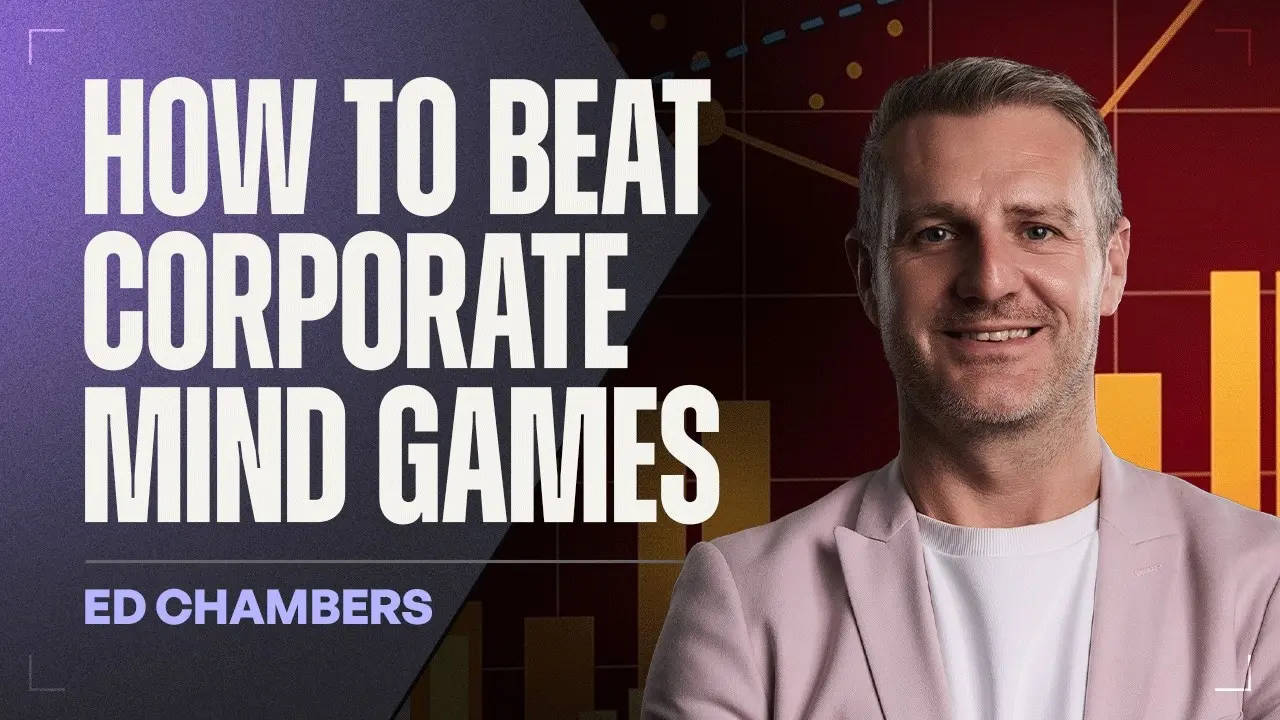
.webp)
.webp)
Let's Keep Connected
Work With Me
Enquire With Dain’s Team
Enquire For Speaking
Let's Get You Branded
Apply to be a guest
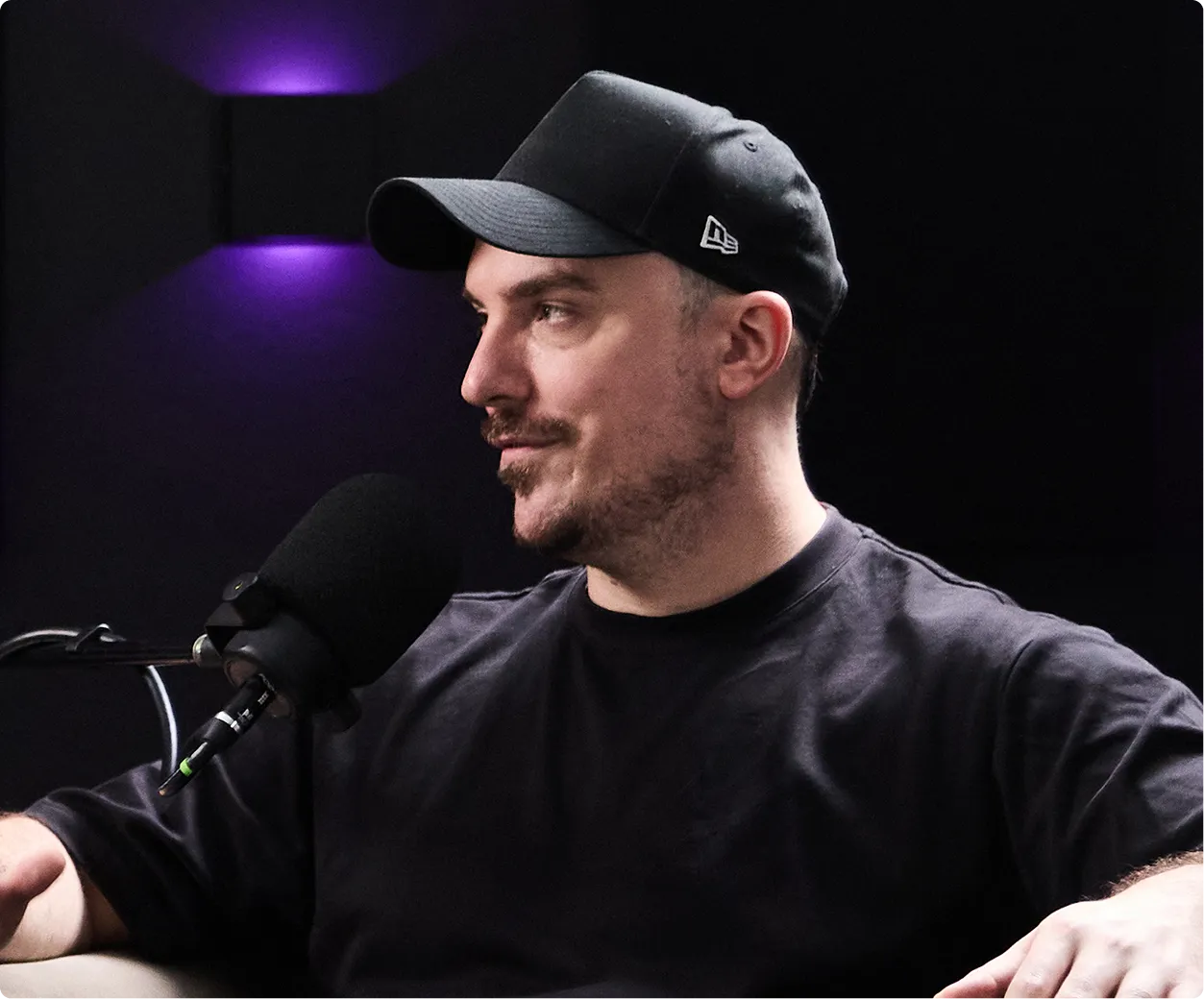
Dive into insights from industry leaders and experts.

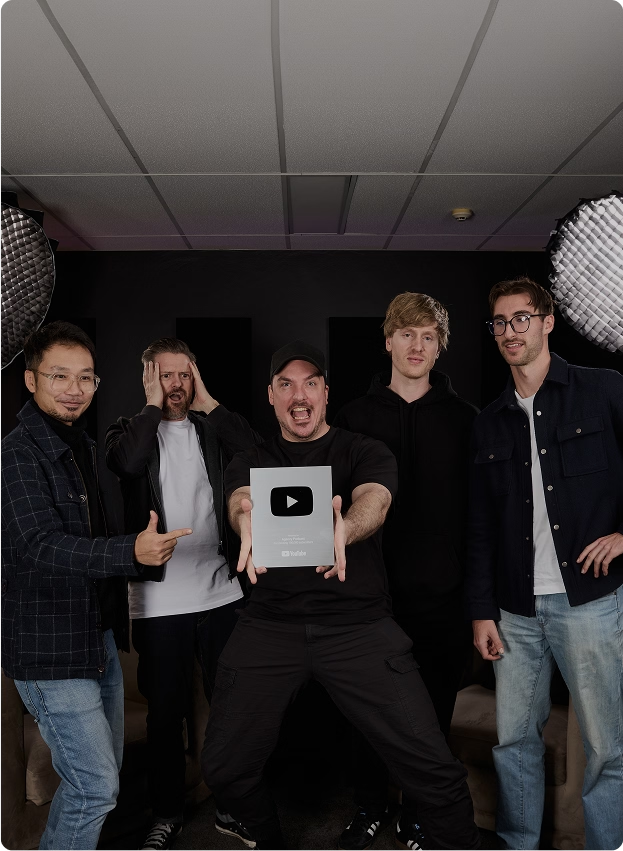
Stream now
Dive into expert advice and industry trends.