


TLDR
Summary
This interview features Jason Daniel, the CEO and Founder of LSKD, detailing the transformation of a $30 motocross logo into a $150 million global fitness empire spanning Australia, New Zealand, and the US. Daniel shares the evolution of the brand from its origins as Loose Kid Industries (LKI) in 1999 to its strategic pivot in 2018 toward functional fitness and e-commerce as LSKD. He openly discusses navigating a five-year revenue plateau at $3 million, restructuring the business, facing the loss of a major wholesale client that made up 30% of sales, and making difficult family redundancies. Central to LSKD's explosive growth to 32 retail stores and over 700 employees is a zero-ego company culture built around six core values, continuous team learning through business books, and a shared mission to inspire the community to be 1% better every day.
Highlights
- The Evolution of the Brand: Started in 1999 as Loose Kid Industries (LKI) rooted in BMX and motocross communities, featuring a logo acquired for just $30, before transforming into LSKD in 2018.
- Breaking the $3 Million Wall: The company sat flat at $3 million in annual revenue from 2014 to 2019 due to an over-reliance on wholesale catalogs rather than direct community feedback.
- The Terrifying Retail Pivot: Rebuilding the brand required walking away from a major retailer that accounted for roughly 20% to 30% of total sales after they refused to join the LSKD vision.
- Streamlining Product Categories: Under LKI, the brand suffered from over-diversification by selling everything from life jackets and gloves to pencil cases and bar mats, eventually stripping back to focus purely on functional fitness and technical apparel like the flagship "rep legging."
- Ego Death and Leadership Evolution: Daniel attributes the company's survival to a three-day self-development leadership course in 2015 that taught him to drop his ego, listen to his team, and stop believing he needed all the answers.
- A Zero-Office, Zero-Ego Culture: To protect a flat organizational structure, no one at the LSKD headquarters has a private office or a reserved parking spot—including the CEO, who adheres to a "first-in, best-dressed" parking policy.
- The Six Core Values of LSKD: The brand's internal and external identity is governed by six strict principles: create a community, 1% better every day, find a better way, sweep the sheds (stay humble/do the small tasks), move fast and break things, and enjoy the journey.
- Rapid Retail Expansion: Since opening their first official retail store in October 2022, LSKD has scaled rapidly to 32 locations, with plans to open roughly 10 stores a year to reach 41 stores by the end of the year.
Transcript
00:00:00
Now, I didn't come from working in fashion or working in retail. I grew up wanting to be a pro motocrosser and I was a carpenter working on a job site. >> You're the CEO and founder of LSKD, about $150 million performance lifestyle brand located across Australia, New Zealand, and the US. >> I look back on 2018, it was like when we had to pivot, I started to realize I needed to back myself. I'd got all this feedback and said, "Okay, this is where we need to go. if we do this, we could survive this. I
00:00:31
was desperate for LKR to grow. I really wanted it to grow and I was forcing it. Whereas LSKD was like, actually, let's build a brand, do it with a why, and everything we do has to have a purpose to the product. When we found functional fitness, I realized that there's a huge community out there that felt the same way, from athletes to anyone learning to get into fitness cuz it was so accessible. And I was like, can we build a brand in this community and get to do what we do every day and love what we do?
00:01:02
We launched and it sold out in month one and then the reviews started coming in. And at the time, I'd also learned Meta AD and then kept reinvesting back into product development and the brand. You were hitting the $3 million wall for about 5 years. What was the initial attempts to try to break through that wall? I mean, I probably haven't shared this too much. >> This episode is brought to you by Wix Studio. Here at the agency podcast, we're building a community and we would love for you guys
00:01:30
to be a part of it. So, we would love to hear from you. What are you enjoying the most? What would you like to see more of? And what do you think might be missing? Drop a comment. Make sure you subscribe. And now, on with the show. Jason, you're the CEO and founder of LSKD, as I understand, is about $150 million performance lifestyle brand with 32 stores located across Australia, New Zealand, and the US. >> Yeah. >> The journey didn't start so smoothly and it didn't start off with the brands as
00:01:59
we understand it right now. If we could go back before LSKD was LSKD, it was once upon a time Loose Kid Industries. >> Yep. >> Yeah. If you could take me back through a time machine and give me a bit of a overview of what was the transformation from that into where you got to the point you were making about 3 million a year and it stayed flat for about 5 years and you guys made some changes. But talk me through what happened in that those early years where you guys launched and got stuck.
00:02:29
>> Uh it's 1999. I'm riding BMX. I actually was riding with these 18-year-olds and one of them actually went on to win X games two years in a row and I was obsessed with wanting to ride with these guys because I was so good and uh I ended up we were at this place in the Rang BMX jumps and there were really big doubles. I think they were big doubles and uh I was trying to jump these jumps and I couldn't jump them and uh I was I was actually annoyed and I was the kid. I was 13, they were
00:02:54
18. They called me a loose kid. and I was a bit loose on a bike and and essentially that's how it started and I got out of BMX and I started racing motocross. I was kind of deep in that community and then uh I said okay. So I tra we trademarked Loosekit Industries. Um we thought industries just sounded cool. It was about 2007. I mean I probably haven't shared this too much but we actually got a bunch of designs. I found this um I actually my mom actually said hey there's this guy at a
00:03:20
local cafe. I saw this garage sale design and uh she said hey it's really cool design. You should reach out to I was like, "Oh, sounds good." So, I called him. This guy's name was Scotty Faircloth. And I called him up and said, "Hey, you got some really cool designs. You want to do some designs for us?" And he's like, "Yeah, sounds good." And I just said, "Look, I want some chains and sprockets and I want some wings." And, you know, this is back in like 20067.
00:03:40
And uh >> it's like peak when like unit was big and >> Yeah. Yeah. All these different action sports brands were growing and motocross and I was just like, "Yeah, cool. Like, let's put some of this on." And he designed a bunch of stuff. I think we spent about $16 or $1,700 and uh he' done a bunch of logos and I thought, "I'll pick these six and I'll put them on some t-shirts." And they were kind of my first t-shirt designs in 2007 and he had this one logo and I said, "Oh
00:04:03
yeah, that's not bad." You know, we'll take that like. And he said, "Yeah, look, I'll give it to you for $30 and I'll throw it on top." So the LKI logo. >> That was the LKI logo. So I didn't think too much of it. I was like, "Oh yeah." And then everyone said, "I really like that logo." I said, "Oh, you do? Okay, well maybe we should use it." So we started making stickers. And so that's how LKI was born. And it was just happened through that. We got this $30
00:04:21
logo uh on top of all these other designs and it was just it was really like we created a community back then that I didn't know that that's what it even meant, right? It was just fun and we were obsessed with being athletes and racing and had friends all over essentially all over Australia and you know people I met all over the world that raced motocross. We left mom's house where we uh ended up with three shipping 20 foot shipping containers. Her bedroom the whole house just turned
00:04:44
into we ship orders from her bedroom. The whole house was just an office and the three containers were full of stock. So, we moved into our first office, which we're lucky enough we still have that today. So, we take our team on tours there. Um, our new full-time team members to show all the history there. We still have all the original product there, which is really special. And, um, from about 2014 to 2019, like you said before, we that was the period of time we were sitting on about 3 million a
00:05:07
year. I didn't know what it meant to build a brand and stay, you know, stay true to who you are and the why and what do you stand for? Why do you go to work every day? I was just like, just do it. But we had all these fundamentals of 1% better through athletes through things that we did was already within the brand that we didn't real I didn't realize back then when I look back at the history of what we did 1% better and all these values we created as a team and and our mission was already there which
00:05:30
is quite special. So anyway um it's March 2018. I joined um I grew up with the founder of Fit Stop and I joined the first Fit Stop and fell in love with functional fitness you know from racing motocross. So I went to like just a normal like I went to a normal gym but then I found community fitness and you know which functional fitness was growing and I really fell in love with being a part of that and then started doing events and competing and doing a lot of that you know from marathons to
00:05:56
to um turf games to high rocks to doing fit stop power players. So by the time Hendrickx was born I was like okay we got to figure this out. Um and we had both logos we had LSKD and LKI already on product and I found community was really resonating with LSKD. there was, you know, Dylan, our creative director, had actually created the logo. Um, he started as a graphic designer in 2011. So, and he left for about 18 months and then came back and I was like, man, do you want to come back? You're awesome.
00:06:22
Um, but he created the logo in 2015 and it just kind of ended up on product. So, I just got feedback from the community, our athletes, the team, and they all loved LSKD. And by September 2018, 6 months later, through all these books and things, I was like, "Okay, like we need to create something with a purpose and come to work every day because I feel like that's how we can be a part of something as opposed to making product every day to sell to make money. If we do that, that's a byproduct." Um, which
00:06:47
is, you know, you know, through all these different things we ended up with, very grateful to end up with our mission of inspiring our community to be 1% better. all these skill sets I'd built over 15 years, I didn't realize I'd built and started to give me confidence to realize that I'd built all these things and had this knowledge. I just needed to put it into practice and stay consistent and learn from our team. Um, so yeah, we changed the brand and developed a fabric and and and launched
00:07:10
our rep legging which became our number one seller and through the functional fitness community and then made sure we went back to a Y with everything we did and and then pivoted to e-commerce. Um, and then 2022 opened our first retail store. How did you feel about the different eras of the brand as it was evolving? Like what was that relationship from, let's say, when you went full-time through to when you started the e-commerce store? Were there different eras of how you felt about what you were creating? I think it's the
00:07:37
journey I went on. You know, I think like if I'd said I was a big learner back then, I wasn't. Like I was always keen to learn from people, but I wouldn't say I was seeking to understand and saying I don't know what I don't know. Um, so I always look back and think if I knew what I knew now, I think, you know, potentially, okay, I would would have been a lot bigger, you know, if I knew what I knew now. Um, and the learnings I've had to go through. So, I think, you know, as I kind of I
00:08:02
suppose as I got older, I learned lots more. I I tried to really surround myself with people of experience as well. Like, I was like, I I need to meet mentors. I need to meet people that are founders. There wasn't many founders in Logan, so I had to find one. Um, I ended up meeting the founder of Penny Skateboards, um, who grew up in Logan and took me nine months to get a coffee with him. Then he finally got one with me. Um, and he was a, you know, he played a big part in just giving me advice and, you know, about building
00:08:26
what a brand meant because I probably had never, you know, I didn't come from working in fashion or working in retail or, you know, I I grew up wanting to be a pro motocrosser and I was a carpenter working on a job site and, you know, I worked my parents plant nursery and sold at the markets on a Sunday. So I was kind of in something but it was completely the opposite to what we're in today. So I've had to learn it all. So I think my journey has been you know it's been my life experiences of growing and
00:08:50
going we need to pivot here. And I think I look back on 2018 it was like when we had to pivot I think it was I I started to realize I needed to back myself. I'd got all this feedback and said okay this is where we need to go. If we do this we could survive this um and we could build something special. So 2019 you're at 3 million a year. >> Yeah. >> And you'd been there for five years. >> Yeah. >> What exactly was happening in that five years for you personally and also like
00:09:20
looking at the company, what was happening with the company at that point? You know, in 2013 when Instagram came out, we were advertising in magazines. So I went through that era of magazines. Like we advertised in that many magazines. I had relationships with all the editors. So from 2007 to 2013, I had friendships with all the editors. I was giving stickers. I was giving t-shirts so they'd have stickers on the helmet. Like I was building the brand through magazines cuz that was the thing. And then when Instagram came out,
00:09:48
I went, "Oh wow, like this is coming. I don't think people are going to read magazines anymore." And then I worked out the cost to advertise in a magazine, which was really hard at the time because they were all friends. But I'm like, "Actually, to get reach on Instagram, I need to do something else." So it's about socials. So then, you know, we bought a wakeboard boat back then, which I probably haven't even shared on a podcast, but like we bought a wakeboard boat and I worked out the
00:10:10
cost of magazine ads and invested that money into a wakeboard boat. I think I think our budget was like 25,000 a year back then. It's like, okay, we can lease a boat. Um, it'll pay the fuel cost, there's the insurance, and we can use this for content. This is 2013. M >> so 2013 you you were like let's get a wakeboard boat and let's make content for Instagram >> like pre Instagram social strategy. >> Yeah. So I mean what was going through my mind was how I'm going to build the
00:10:35
company. I don't think it was like I look back now and go well it wasn't like anything was wrong. I was like let's build this thing you know it was full steam ahead. Nothing else mattered build this brand and it was try everything and anything to build it. So like that was one of the things we did and it honestly we took athletes out on it. We took influencers out on it. We, you know, we did everything on it. We hosted events, parties. We did things with this boat that got us into places that got
00:10:59
content, you know, we we brought there was athletes over from the US that we wake surfed behind it and created content. So, it was just this it became this content machine that also built relationships, you know, like we took the Nitro Circus crew out on it. Like, it was just this thing where was like and because, you know, I didn't have kids, I had heaps of time. I was like, "Yep, cool. I'll grab the boat. I'll take it here and we'll set it up here." like to the point like when schoolies
00:11:21
week was on, we would park the boat out the front of the nightclub um and put the music on and the LED, you know, the the strobe lights of like the around the thing and hand out beach balls >> like that. We just did whatever we could to build the brand. So, I think like I've kind of done so much of this brand building stuff that I just got to learn so much of like making mistakes and maybe we should do that. That probably doesn't align to where we're going. But it was like it all made sense at the
00:11:48
time and it was such an era to learn from and kind of taught me um you know when we're building LSKD and the community we're building as a team it's like actually you know how do we make sure we stay true to what we're doing. So what was going on was all that you know I got to do this I got to do this this is my list today I got to tick off the list. What have I got to do here? How do I sell product? How do I do this? So it wasn't until like 2017 I think is when my mind was like okay like
00:12:10
something's not going right here. Um I need to learn the financials more. I need to understand like why is this not working? And then people, you know, getting feedback. They're like, you're doing too many things, Jace. Like I had to get given some pretty brutal truths of like you're doing too many things. And I'm like, why? How do you do life jackets and gloves and stuff altogether? Like it's too many things. You can't be good at one. So I think but I'm almost so glad I went through that cuz it
00:12:34
taught me today is as you get bigger, it's so easy to jump into other things because you can do it, not because you're doing it with a purpose. What did that teach you about building community? Because I think when people start a brand now, they just go straight to Shopify, they go straight to meta ads, but there's perhaps some magic in the fact that you had to get face to face with customers. >> Yeah. Yeah. I mean, it taught me so much. I mean, you know, being, you know, I remember this is like 2002 to 2007
00:13:03
period where I really didn't I honestly wasn't about building the brand. um we'd show up at a motocross track and we'd pop up the tent and my mom would either man the tent um and help the day like sell product and friends at motocross like even Dylan like you know some cool stories like Dylan Osbborne our creative director like his mom would cuz he raised as well his mom would just go and help you know she was a legend and just go and help sell product at the time we might do $1,000 on a weekend and we were
00:13:28
like stoked you know like oh this is cool people like the product like I was kind of nervous I was like do people like this I just want to be a moto athlete you know I was like I didn't care but Yeah, >> I think until I started reading books and kind of reflecting on my past going, "Wow, like that was true brand building, you know, like being at a local motocross track and walking past an athlete that I like really like was inspired by to saying hello and then gifting him a t-shirt and building a
00:13:54
connection and making a relationship and next minute they're becoming an athlete and we got stickers on their helmet and then they're winning, you know, MX Nationals um you know that that they're the number one in Australia and they're wearing LKI and then we're shooting at campaigns for ads and magazines with them. Like Matt Moss was and and his brother Jake were one example. Like we were so lucky to get them and they wore the brand for pretty much for free in the early days. And you know, it was all
00:14:16
be they became friends. And you know, we I did whatever I could. I I was the guy running around with a towel putting it on shoulders and stickers and you know, when there was an event on I was run around like crazy just like, "Okay, this athlete needs this towel cuz they got on the podium. this athlete needs this sticker cuz if they get in that magazine at like a post on a magazine they're going to like it was just >> So you're running around a motocross event thinking about okay there's a
00:14:39
photographer there's an athlete I got to get a sticker on his helmet. >> Yeah. So we we became the official sponsor of like the biggest series in Australia for MX Nationals and you know they took a chance with us in 2011. Kevin Williams took a chance on me and said hey we'll let you sponsor. And I'm like oh my gosh this is the biggest thing we've ever done. We had a three-year deal. We're the official clothing sponsor. Um, and uh, I would go to every round. It was 10 rounds and I'd
00:15:03
literally be there. And like it was it was to the point where we we'd be in like Murray Bridge, South Australia, and we'd have a local stalkers. I would organize the day before a signing with our athletes and have posters there ready to go at the retail shop do signings and then the next day the races and I'd be walking around and I'd have like 20 athletes and I'm walking around giving them, "Hey, you got your stickers on your helmet? Cool. You need help." And I remember one day one of our
00:15:25
athletes, his name was Brock and uh he was from Sunshine Coast and he didn't even have a mechanic that day. Something happened. So I'm like, "Hey, I'll pit board for you." So I'm on the sideline helping this guy mechanic for him and pit board while he's racing. at a you know like because I was like whatever it took to help you know I was like just be a part of it and help and if I can get the brand out and I was battling against these other big global brands with brand
00:15:47
placement um you know to to make sure that we stood out um because they had that you know their big budgets and we didn't have much so you know I haven't really shared much of that but that's what it was like you know and I think I just learned so much about community building athletes brand building and how important the athlete is how important values alignment is how important building it long term and thinking long term. So yeah, it was like it was crazy, you know. I I mean I look back on it
00:16:12
because I don't talk about like we talk about it but not that much and I'm like man, it was, you know, it was so lucky to go through that stuff. It was hectic, don't worry. Like on your feet all day and you're running around and and and at the same time at the MX Nationals, we would have a local um retailer selling our product um and they would sell LKI and I would go check on the booth and they would buy it at wholesale and they would ban the booth for us and hopefully the goal was they did well because it
00:16:34
was worth their while to do it. And then I got to focus on the athletes and you know so there was like we were selling product but I wasn't running it that we had a local retailer running it and then the was running around helping athletes. So you know it was that was for years and years and years I did that. If you want to grow your agency you need more than just a website builder. You need Rick Studio the all-in-one platform that's built to help you scale. Design smarter in a hyperflexible, responsive
00:17:01
editor, cherrypicking whatever clients need from pre-built UI elements and templates. Deliver robust backends with built-in e-commerce solutions for every industry, letting self-maintaining infrastructure just run itself. Stop reinventing the wheel with every project and instead create a sharable design system with reusable assets, apps, and components. Clients growing too fast? No sweat. Wix Studio AI powered CMS lets you turn a single layout into hundreds of additional dynamic pages. It's true.
00:17:35
More clients no longer has to mean more chaos. Wix Studio gives you one centralized view of every project and makes realtime collaborations seamless. Do your agency's best work at scale. Build your next project on Wix Studio. Now, talk me through that moment where you went to Landmark because um I've had a few friends go to Landmark and you mentioned how you had somewhat of an ego death by going to this leadership events and discovering what parts of you might have been hindering um the early stages
00:18:09
of growth in the company. Um yeah, I mean it's a it's a crazy uh it's an I mean it's an awesome course. It's you know it was hard. I I wanted to leave after day one. Um then if I shout out >> could you paint a picture of what people uh who might not be familiar with LMARK what what exactly is a 3-day self-development course it goes for about 38 hours over 3 days um it's you know it's a long three days um you know it's about integrity you know the voice in your head's not real um you know we
00:18:36
create stories you know we let the past affect our present and our future so you know that's in a nutshell um the course but it goes for three days so it's pretty intense but you know I I I I I I say like if I didn't go to that course, I don't think we would be here today. Um and the learning journey that I went on after that. Um so yeah, we pay for our team to go through it uh as well. They want to attend, we pay for them to do it. So yeah, it's it's been very special and we just create a common language as
00:19:03
a team. Um and yeah, when I did it in 2015, I you know, I I'd been to a couple of like kind of personal development things, but I was like, I don't really need to go to that stuff. You know, I'm we're doing well. You know, that's was my mindset. The brand's doing well. we're in all these big retailers. I don't need to do this stuff. And then I went to that and that was kind of the start of okay, like I think I I do need to go on this learning journey. It wasn't like all of a sudden, you know,
00:19:25
and I want to be honest, like it wasn't like all of a sudden, oh, I'm everything's great. Like it's constant work. And it was a few years later than I started picking up books. >> What was that moment that you that you realized that you potentially were hindering the brand in that moment when you went to Landmark? >> Um, I don't know if I was hindering the brand. Well, I was seen her in the brand cuz I wasn't listening to the team. You know, I I I'm pretty full on. Um, you
00:19:50
know, being a founder, it's, you know, it's not easy being a founder. You got to be very careful cuz I have a lot of energy. So, I got to kind of hold myself back sometimes. Uh, but, um, I think like I didn't seek to understand and you know, and and you know, I'm not perfect. I've still got lots to learn um on my leadership journey but you know I didn't seek to understand and you know I I think through that journey I thought that I had to have all the answers um instead of getting feedback from the
00:20:16
team and listening and then saying wow that yeah that's a great idea let's do that where it's like no no if I don't have the answer I don't know what I'm doing um you know there was so many other things but that's probably you know the thing I learned the most where you know when when we were making key decisions sometimes if someone said something I was like well are they doing it because they you know they don't like the brand like I I I would say I had not I wouldn't say trust issues but trust
00:20:38
like I think I have to know everything you know being it's you know I'm the founder um and it was a tough journey to go through to be honest like I had to learn a lot and I had to do a lot of developing and and we got a great team and you know be around a lot of great people to help challenge me and you know how can I keep improving as a leader as well every day especially where we are today and and what we're doing but yeah it was it was a p it was a pinnacle part of my journey and at the time I never
00:21:02
thought of like that though, you know, at the time you're kind of going through everything. It's kind of, you know, it was, you know, that was that was that was 11 years ago. So, it wasn't like we were so it was so different back then as a brand and what we were going through. There was no guarantee, like I said, there was no guarantee this was going to be what it is today. And our first 5year goal was to hit 10 million, you know, so it was and we 10x that in five. So, it wasn't it was not but we didn't do it
00:21:26
wasn't about trying to do that. We didn't was like let's just build a brand and become profitable and build it with a why and and and make the mission internal first happen and then we'll bleed it out into the community was the ultimate goal. >> I'm I'm excited to unpack the the current culture that you've set at LSKD and and how that's thriving and growing and all the great things you guys are doing. Just before we do that though, I want to talk a bit more about LKI. So at
00:21:54
the time you pretty much made everything. you were making life jackets, gloves, t-shirts, stickers, uh, and you were working with a lot of wholesalers through magazines and cataloges and things like that. How close did everything uh, as the supplier wants at let's make it, how close did you come to killing the company by by just saying yes to everything? Like it was more like if I keep saying yes to everything, I'm going to burn out hard because I'm going to have to do too many things and that's
00:22:22
not scalable, you know, at that size of business, right? like you could build a life jacket business um a lot bigger than that, right? Like so, you know, one category can be a lot bigger than that. So, I I think it was what I was learning is I'm putting my energy in so many places. It's not going to work out. It's not going to help develop the team. And when I say that, there was days I would come in the office and say, "All right, guys, let's pivot. We're making this today." And the design team were like,
00:22:46
"Oh my gosh, >> can you give us an example what one of those moments was?" >> Oh, okay. Well, this one's probably not Well, yeah, this one's a bit funny, but like we might have got an order for some key rings, right? It's like a $10 item. And I would come in and I go, "Guys, we're going to sell,000 key rings to this to this retailer. Let's make this key ring." The time to make the key ring is harder than actually selling them, right? Like, we were there was there was
00:23:09
no money in it. Like, as in to be even profitable, but I was like, "Let's do it. We got to do it." And they're probably thinking, "Jace, you're an idiot. Like, what are you doing?" >> Yeah. Key rings, man. Come on. you know, it was two months out from summer or like, you know, from like just before Christmas and I'm like, "All right, guys. We got to finish designing this life jacket range. We got to sell it in two months." And they're like, "What do
00:23:27
you mean?" I'm like, "Well, we got to do it now." What's the craziest thing at the time that you decided to brand as an item other than key rings? >> Well, I mean, it wasn't like I wouldn't say it was crazy, but we made like we would do like pencil cases and like back to school backpacks. It's like we're trying to be this, but we were also making lots of products where we would do pencil cases, backpacks, lanyards, mouse pads, bar mats. Like we would have
00:23:53
this accessory range that was so broad from a pencil case to a bar mat to car stickers. So, and look, it was it all did sell, but it was like it was just kind of like a bits of everything. And um I think it was just a good learning journey of like, okay, cool. I know we can make lots of different things, but how do we do it with purpose? And I think what I learned was when we became functional fitness, it wasn't about deserting the action sports community. Like we still sponsor action sports athletes. It was I'm so grateful
00:24:23
for that industry of, you know, motocross and action sports. And, you know, I'm still a huge fan of the sport. It was it it was kind of this journey that I went on and I realized that a lot of athletes were getting into this sport because they knew they had to do this as well within fitness to be fit to get you know so in that in that 5year period where you were hitting a bit of a wall so you you were hitting the $3 million wall for about 5 years. Um what what was the initial attempts to try to break through that wall that
00:24:52
weren't working and what was the moment when it did start to work? Oh, it was I mean so much of our time was spent on building a wholesale catalog for what we had to sell the next season to our retailers. I didn't spend enough time listening to our community what they wanted, how I could develop product for them and what worked for them. Um, >> so you're looking at the paycheck in front of you, the wholesalers like we want this. Yeah, we can hit a certain number, but it was really capping it and
00:25:23
it was only as good as you like, you know, if they picked you that season to buy more, they did. If not, they picked another brand or, you know, we and we weren't in every single retailer around Australia. Like we kind of got at that point by the end, we were they kind of didn't want action sports brands again. And I was like, "Oh, really? That sucks." Like we have a uniqueness about us, you And if you look at our original ads, you know, we did some crazy things where we would ride a motorbike through
00:25:45
the shops and I bought 5 kg of Skittles and roosted another athlete spraying Skittles and made a t-shirt and put Skittles on it and called it the fruits tea. Like we did all these fun things. We were kind of unique to the, you know, there's a lot of we can can share some of the ads. It's pretty cool. Was there a moment where you were like, "Oh, like this is the future." Cuz you were saying how um the action sport community were, you know, it was motocross, BMX, that kind of community and then it
00:26:12
transitioned into the fifth stop high rocks community. Yeah. >> I mean, we just started developing product like I I actually spent nearly two years working on the rep legging. That was the first product we developed. I started that in 2018 and uh we launched it July 2019. Um uh well pre that maybe like 2017 we already had a pair of leggings but I was like if we could develop this by listening and develop our own fabric the fit and the function could we create a product so we spent loads of time on the
00:26:43
rep fabric the fit getting feedback and we launched that and I said in 2019 it was like okay let's not let's launch this online and uh and that's what we did and the community really resonated with that product um and it sold out in month one and then the reviews started coming in and at the time I'd also learned meta ads as well and you know and but we'd already had this community over the years of building and then we layered in meta ads and then you know understood how to do you know media
00:27:10
buying and then building it and then kept reinvesting back into product development and the brand to now where you know we develop like our own fabrics we deal directly with the mills you know um but it was I mean the it's like it's so it's it's it's really hard to explain it in a short in a in a podcast where it's million things that I think made up what a brand is and how it grew. Um, you know, I was desperate for LKI to grow. I really wanted it to grow and I was forcing it. Whereas LSKD was like
00:27:40
actually let's build a brand and do it with a why and everything we do has to have a purpose to the product to the community and then not thinking all of a sudden it would grow as fast as it did. Um, and obviously e-commerce just like it it like it grew and we just listened to the community and we, you know, we obsessed over it every single day and then we improved in our fulfillment. You know, now we do free shipping, free returns, free exchanges. We really like we really try to be the leaders in
00:28:09
bringing that community experience as well. So, it's every facet to it to make sure from fulfillment to, you know, the work we've done in our DC all the way through. So, as it grew, instead of going great, it's growing, we're on to it. It's like, let's keep reinvesting back into the brand from community experience to fulfillment to what we're doing in the DC to product development to R&D to I've said to like I say to the team like if this brand hadn't grown in
00:28:33
2011 and 12 to what it is today, I don't think I could have handled it. I don't think I would be, >> you know, as grateful. I feel like I would have had to be someone I'm not because it just grew. You know, I'm in my early 20s. next minute this thing blows up and I'm like okay what you know do I have to be this person I shouldn't be where now I'm like okay like we're so grateful to have yes the brand has grown but how do we make sure we protect it every single day what we're doing as a
00:28:57
team you know the product development listen to the community like this doesn't happen often it's that hard to build a brand as lots would know like it takes time and you make so many mistakes every day so let's not take this for granted like this is quite unique um and we feel we have something really special that we to build a global functional fitness brand and inspire you know hundreds of millions around the world uh you know to be 1% better through what we do. So yeah it's it's it's a million
00:29:23
things put together that why I think it worked. >> So having sat with Ben Mai for coffee, founder of Penny Boards, what were some of the key brutal truths that he gave you that helped you pivot the company? I I just remember the first coffee we had. He was just he was, you know, because he'd built a awesome skateboarding brand um and in the US and he's got other skateboarding brands within that within the fold. And and I just remember him saying like, man, you're doing too many
00:29:48
things. And then I realized he was just very core to skate. Um and he's like, you're just doing too many things. And and I and I, you know, you've got this dream of building a brand in America. And I'd been to America so much through motocross. Um he's like, why do you want to build in America? You know how hard it is? Why would you do that? I've done it and it's very hard. Um and I'm like, okay, thanks. Yep. Like it was just he was just and he was just stating facts
00:30:11
to be honest of his journey of you know things he'd gone through that are hard too, right? Like we all go through it. So um and I just left there going wow. Okay. Yep. And I just you know what I was like I'm going to I've got to listen. I've got no like what else am I going to do? You know the brand's technically not growing. I need financial understanding. I need to learn. like you know I look back then I didn't I knew how to read a P&L but I didn't you know like there's all these
00:30:34
little things that I'm sure so many founders have gone through that don't know how to do certain things and if they can learn it I mean there's a lot more out there now that's easy to learn but you know maybe I wasn't you know I just didn't know what I didn't know um so yeah now now obviously learning from that and what we're doing within the US community and it's really growing over there I really have an appreciation for what we're doing in the US community and
00:30:54
how do we build a brand with purpose over there with 1% better and really learn from the US community and what we're doing product development And so it gave me this respect of how hard it is to build a brand globally and you know you got to appreciate that it's not just all right let's go it's easy. So yeah those are the things that I kind of took away from it. Now with the uh government grant that you got so you brought in a CFO on a government grant when you couldn't even at the time pay
00:31:17
yourself. How raw was these conversations handing over your messy books to a complete stranger one day a week? >> I met Matt um through actually Ben. He said, "You need some financial help and understanding." And I said, "Great." And he said, "You can meet this guy that I've worked with and it's been an awesome help." And um I caught up with Matt, I think it was July 2018, and uh you know, he's thinking, "Oh man, this guy talks a lot." Um which he did. And
00:31:46
uh and then I emailed him and he said, "Oh, I can do your month end remotely." And I said, "No, I want you to come in and I've got a government grant of $40,000. We have to put in 20." and uh the government will um put in the 20. And he said, "Okay, cool." And I said, "Can you fill out the forms, too, cuz I don't want to fill I can't fill them out." So, we did that and he didn't get paid for 3 months, right? Like he did he did pro bono uh essentially till he got
00:32:11
paid. Um and yeah, I mean it was at the time like I kind of had no choice. Like my mom played a big part in it, but I kind of said I I need to learn like I knew we were, you know, I knew, you know, I'd kind of been taught in the early days that if you don't pay tax, that's a good thing. I'm like, that's a bad thing. You have to pay taxes in means you're not profitable. It's, you know, we're not we're not not property here. Like, we're building a brand. So,
00:32:35
there were so many things I didn't know what I didn't know. And and yeah, I didn't realize at the time I'd met Matt, he was kind of going through his journey of like, you know, like you know, finding his why essentially. And I said, "Hey, I want you to read this book." And and uh, you know, we joke cuz one of the books took him 12 months before he read it. Um, and he said, "I don't audio, I read." And I said, "That's great. can you read this? Uh now he audios more
00:32:57
because it's quicker and you know go for a walk in the morning or so you know you can audio but um yeah so it was just so organic like this was not it wasn't like you know this is the strategy and this I was like hey I'm reading this I'm learning lots come read it with me like and you can give me some feedback. Um so yeah so it just happened and then I would just sit with him. He'd work a Tuesday. Uh he's probably he finished all his work by about 2:00. Um there wasn't much to do back then. you know,
00:33:22
it was pretty pretty simple business back then. Um, and then I'd say you got time for a chat and then I would just talk to him about things I'm working through and um yeah, he just would coach me and he taught me how to read a P&L and sit with me and what everything meant. Okay, cool. I know what I need to do now, you know, and I just go away and do it. So, it's like the art and the science, you know, Matt brought the science and I brought the art and it's a bal and he still brings the art as well.
00:33:47
Like, it's a balance of both, you know, and he knows the brand inside and out. Um, we're very grateful to have him on the journey. So, it's like, um, yeah, that's kind of how it happened. It wasn't it was like it wasn't like it was this hire a C. I didn't even know what a CFO did back then, right? What does a CFO do? Like, I didn't know. This is not that long ago, right? So, I've learned a lot. Uh, I've, you know, I've had to learn a lot in the last um, eight years.
00:34:09
Um, so yeah, like I think they're just experiences I'm glad I got and I've learned so much. And so when I hear what founders might be going through, I can relate to them too because I'm like, "Hey, I I you know, you might look at it now and not realize, but I was going through that. I went through that. I know, you know, you've got to keep seeking and learning. You've got to keep finding ways. Like just don't give up. Like you got to keep pivoting and understanding and you got to keep
00:34:30
tweaking. You know, what you're doing today may not be what you're doing tomorrow to try to find that way to build something special." Like it's it's not a it's you know as they say growth is not linear. Like I've definitely learned that. >> Now it's 2018 and you have a newborn son. >> Yeah. >> Your wife Ally is working a steady job to support you and you're not really taking a proper wage. >> How much did that really crush you as a new dad trying to juggle being a newborn
00:34:57
father and building the business at the same time? So, you know, like when Hendy was born, I think for me when when when Alli felt pregnant, I was like, "Okay, cool." Like, I have to make sure this is successful because I didn't grow up with a lot. My mom, you know, like I had a great upbringing in life, but we didn't, you know, we we, you know, we we did great life, but we didn't have a lot, right? Like, and that's okay. Um, but I was like, I actually want to be able to
00:35:20
pay for school, you know, pay to put my kids through school like, you know, and that was at that point going, can I even do that, you know? Like so that that that was kind of gave me motivation to say actually I need to make this work. Um you know how do I be an inspiring dad? How do I do a good job as a dad? How do I you know how do I be a good husband? Um you know so I didn't I probably didn't think of it in that way. It was more like it has to work. I mean my wife Alli's been amazing. We met when
00:35:44
we were 18. So you know she was we met like pre uh LKI. You know when we met it was pre207. So she, you know, for her it was regardless, it didn't matter. Um, you know, I went back to being a chippy, she wouldn't care either, you know. So I think for for, you know, she got to see the whole journey from from the beginning. Um, and watch the journey and she became a part of the journey and joined the company in 2019 as well and ran payroll. So she had a very hectic job. Uh it was full on a lot of late
00:36:13
nights and a lot of long hours and um you know from that 2019 to when she you know she's on maternity leave with our third but um yeah so you know she saw it from the beginning so she just know and she knows me inside and out when I'm something's going I'm stressed or you know how to have a conversation but I think she just believed in me so you know I'm so lucky for that you know fitness helped me with my with stress levels as well through all that at the same time so I never stopped training.
00:36:42
And I was maybe I was like, I don't want a dad bod, you know, but I was like, just keep training and and um and then I went off and and uh ended up running three more marathons to try and break sub three hours, which I was I did in 2023. And then so it was just like this journey of being a part of fitness also helped me through everything I was going through. Um and my wife and I, we trained together every single day, you know, before kids were born. Um we always went to the gym together and
00:37:06
trained together. So, it was, you know, >> what what's apparent to me is that as you've shifted your community, the brands come with you. >> Yeah. >> From BMX to motocross to wakeboarding, uh, to functional fitness to running. It seems that as you start to dive into a tribe or a community or into a zeitgeist or culture, it seems like the brand kind of wraps itself around wherever you end up. And it seems like you've found uh a home for LSKD, which is around performance and lifestyle and fitness.
00:37:35
And >> yeah, >> it's really taken off from there. Am I wrong in thinking that? Yeah. >> Um, no, no, you're totally right. I think the brand was definitely a journey that I was on personally. Um, trying to find my why. And, and I think when when we found functional fitness, I realized that there's a huge community out there that felt the same way from athletes to anyone learning to get into fitness cuz it was so accessible. And I was like, can we build a brand in this community
00:38:00
and get to do what we do every day and love what we do? Um and it still re resonated with so many other different sports but it all went back to that. So yeah it was definitely a part of my journey and then you know now like from uh you know within LSKD running and to see that growing the run you know our run community and then we got our train community and they all mix in together now with with Hy Rocks and how kind of you how cool how cool that sport is. But you know we we started building you know
00:38:28
LSK running in 2019 just from learning and now obviously running has really grown. and we're really seeing that um and the products we're developing and the feedback we're getting and how we create technical products for that community what they're doing. So yeah um it is cool um and it has has been a part of my journey but I really felt like not only has it found a home but it's something that we can build longterm and inspire millions around the world. So that's kind of yeah it is it's it's
00:38:52
funny to look at it like cuz I didn't think of it like that at the time. It was so desperate to try and find something to be able to be a part of. I suppose it was like that's where we ended up. And it's cool cuz you know it keeps you motivated when you go to the office every day and you got so many people that you know are on either on their fitness journey or you know doing lots of competitions. It keeps you motivated. A lot of people talk about having a culture in their team. But what
00:39:12
was that turning point for when the culture really started to become its own identity? It really started to be something independent of yourself. when we changed the brand in 2018, I it was firstly seeking to understand and listening to the team and then all these books that I started to read um that I was recommended was like, "Oh, well, if the team could read these, wouldn't that be cool because we could learn together? We could give each other feedback and and then make better decisions as a
00:39:39
team." And at a at a team of 12, that was hard enough to do because, you know, going from, "Hey, would you like to read this book and give me some feedback?" Um, you know, was hard to change. So it was kind of like if we could if we could have our team reading books with us and um and learning together and you know you know create something around our mission and our values and how we recruit, how we develop, how we do vision and goals with our team um and all the things that we do um could we
00:40:07
have a common language globally and could we build something for the next 50 years and um you know like I said we're not perfect but when I see uh that coming to life and knowing people can, you know, you want people to be able to be themselves at work, right? Like, everyone works hard. So, you know, there's lots going on. In the early days, I thought that I have to be a different person at the office to a different person with my friends, if that makes sense. And I was like, hang on, why don't I just be the same person?
00:40:33
What's the difference? Because then I don't have to be someone I'm not. I'm at the office. I'm the same person as when I'm with my friends or the family. Like, it's like the same thing, right? So, it's kind of almost building something around that and going, could we create something um >> as a team like that? Um, so it's been really cool to watch and we still got so far to go. I mean the biggest my biggest worry as we get bigger and bigger we lose that and we need to really protect
00:40:58
that as we get bigger and bigger and what we're doing as a team um globally because we have team all over the world now and you know that development and spend time on that and yeah it's it's a big effort um but it's something we're really committed to and just to highlight how big the team is. You have over 700 staff. >> Yeah. >> In the company. >> Yeah. Including retail. >> Including retail which is an astronomical amount of people. What what's been the most difficult thing for
00:41:25
you to have let go of as the company's scaled through from you touching everything through to it being your team who are now driving it for you? >> I think we have such a great team and I spend so much time with as much time as I can with the leaders developing them and then what we do within our operating principles of how we make decisions as a team and making sure we stay really consistent as that is the most important thing. Um and you know if we if we if we make a mistake it's like what did we
00:41:53
learn? How do we learn how do we improve it? How do we build something around that? How do we build a you know a consistent principle around that to keep the brand consistent you know long you know for the next 50 years. So um it's changed a lot. I think it's just time management is really important because um you know I love being a part of it. I love just being in the office with a team or in a store or learning. So I've got to make sure I like I've got to be at that meeting. Whoops. You know, like
00:42:20
I can't be late. You know, integrity is at all time is key. So, it's like how do I, you know, if I get caught up talking about something because I'm talking to a potential new team member, I get really excited because I want to share the why about something and why we do something, but then I've also got to make sure I'm here. So, it's just how do I manage my time better? How do I, you know, how do I keep learning as much as I can? Um, because there's just so much happening
00:42:40
every day. But, if I understand the context across everything we're doing, I can help make sure I, you know, play, you know, my role in the team as well, which is really important. What was the hardest thing that you had to let go of during the pivot from LKI to L SKD? I >> I think for me, one of the big things was when we pivoted the brand was making sure the community that we'd built through Action Sports didn't feel like we'd abandon them. I think it's one of the things. I mean, there's so many. Um,
00:43:06
but that's one of the things because I was so grateful for what that community supported us on that journey. Like, we still had such a great community, LKI, and what we'd built. Um, and we, you know, we we we we kind of pivoted 360 and almost to the point of like stop signing athletes. Like we reset everything. Um, and then >> how dramatic of a shift was that? Cuz it, you know, you're you're making millions a year selling this action sport brands and then you guys hit a complete reset.
00:43:32
>> I mean, we expected to go backwards. We we thought we were going to go backwards as a brand because we were leaving certain categories. Um, you know, we were, you know, we were getting out of life jackets. we were getting out of motocross gloves and they weren't like they were still solid categories but we were getting out of those categories um and thought you know we're going to rebuild through different products and it's going to take time so as long as we can make sure we're profitable we can
00:43:56
work through that um and it wasn't about not signing athletes I mean we're you know how we sign athletes and how we work with athletes is so key to what we do um as a brand and you know finding those values alignment but it was almost like a reset and look in in September 2018 when we changed Like we didn't have the budget to say, "Okay, our labels have got LKI on the inside of the tag. We've got to make sure they're changed." We just kept LKI. Like we just slowly changed the product from LKI to LSKD.
00:44:24
Like it wasn't this big overnight whole business changed. It was essentially we just changed the logo on the website and Instagram and said, "Let's slowly build from there." It wasn't like a you know, every single product category and then slowly we got out of categories. Like we couldn't just do it all at once because we it would have like that would have that would have you know we wouldn't be around because >> So you're juggling the exit of selling out as much of the previous brands
00:44:46
product as possible while simultaneously launching the new brands. >> Yeah. Yeah. and we already had a lot a lot of LSK already on product um or but there was little LKI logo so it wasn't like a a shock um >> even though it was a transitional period was was there like one key decision where you're like this is it like we're doing this >> cuz was there challenges in the family what happened >> oh there was I mean there was a number of things like I sadly had to make my
00:45:11
brother and mom redundant um through the process um I had like I remember um I remember we had a really big retailer that we stocked and um they started cancing orders and I remember you know I remember meeting with the with the retailer and and and and essenti like it's I'm actually I'm actually very grateful but I got essentially got laughed at saying no we're not coming on this journey with LSKD and I could have made a decision and gone one way or the other and said I actually need to make
00:45:41
whatever we can to be in this retailer but I said no we're going to stay on this pathway team and if it goes bad like it's on us because we're going to stick to not going to this retailer now um because they don't really want the product anymore because we've pivoted to LSKD and we're going to do it with a mission. And I really tried to sell where we were going and they didn't believe in it. >> How big was the supplier? >> Well, they were big. They were like it
00:46:07
was at some one point they were 30% of our sales. >> So you're you're having a conversation with a potential 30% chunk of your sales and they want your brand to go in a certain direction. At one point they were by then maybe 15 20 but it was still a big chunk when that size. Yeah. >> Yeah. >> And uh I was like well you know what that like we got to go one way or the other. We either have to do what we have to do to sell or we say let's stay true to the brand and keep building. And we
00:46:31
decided no. I said no I'm doing this. Like we're committed. We're not we're not we're not going to change. We're not pivoting. We're staying true to LSKD. We're going to do it with a mission. Um, and we're going to do it with purpose and and and it initiate initially was chase the vibe and then it moved to 1% better. Um, but like we're staying true to that. Um, you know, we pivoted our pillars a little bit over like the couple of year period as we were finding
00:46:54
yourself. But I think it's a really good thing is like, you know, it's not always going to be perfect, but if you keep moving forward, you'll perfect it as it gets better. Um, but yeah, that that was a big decision to be honest. I remember leaving that. I'm trying to remember some of these things. Um, but I remember leaving that and I'm like, "Oh my gosh, like this is, you know, they would pay in seven days. It was like pretty pinnacle um to help us and I was like, well, it's the case then whatever."
00:47:17
Like, I'm prepared to take that risk because I think we can build something pretty special and and doing it with, you know, that we could control our destiny as opposed to being controlled by um retailers. Um, so that that that was always the ultimate goal, but at the time it wasn't fun, but now I look at I'm like, you know what, like I learned so much through that. And I'm sure so many have gone through something like similar um in their journey now. Moving from wholesale to selling direct to
00:47:42
community changes the operations of the company right. So what was the scariest part about suddenly having to hunt for your own customers versus being able to sell bulk orders to suppliers and wholesalers? >> Well, yeah, that's the thing about wholesalers. You can get a fairly, you know, you can get a great size order depending who you're selling. You know, you're in a big retail. they could be buying thousands and thousands of units, right? To get your minimum quantities versus direct, you've got to kind of
00:48:07
forecast that without any without any knowing. So, you you're you're taking some uh you're taking trying to take calculated risks, but you're you're also trying to learn from your community, which I think is really important. Um I mean, the cool thing is we have a you know, Facebook community with well with over 100,000 just in it, and we learn so much from from that. The little things that we do to try and keep learning and improving, but um yeah, you have to take some risks, that's for sure. Um but I
00:48:33
mean if I put some different learnings in place I mean we went from you know packing orders for wholesale to saying we need to learn how to be really good at e-commerce and you know that journey it was 2019 I remember Black Friday 2019 and it was quite successful and we we didn't we didn't have a warehouse manager and I was like okay we I said to Matt we need a warehouse manager so we're trying to recruit and uh we ended up meeting uh Mel in December, he joins in uh March and then the chaos hit in
00:49:06
2020. So um and uh he's now a head of operations like today. Um which is super cool that he started as our warehouse manager. Today he's he's running operations and we had to move warehouses three times. We've changed systems three times. Like it was but it was like at that point I was like okay we believe we have something. We need a system. And when I say that in 2019 we were handpicking going I think the product is here. let's pick it from here. We're like, okay, we're not really good at
00:49:31
this stuff. We need to find someone that can help us. So, there were things that like I suppose when you say let go, like I was happy to let go of that because it wasn't a strength of mine. Um, and found someone that could really help us build that. But when we did it, we did it with purpose of like we got to make sure it's the best experience for the community. Efficiency is key, but experience for the community is more important to make sure that we're giving that because every single order going out is going to
00:49:53
a community member. So, how do we make sure that each parcel going to them has some type of experience to make sure we do the right thing as a brand and be unreasonable? So, um yeah, so we went on this massive journey and then when we opened retail, our first retail store in October 2022, that was our first official uh in Chadston. We had no idea what we're doing. We had to learn how to then um allocate stock to store as well. So, we had to layer that in. So the team have done such a great job of having to
00:50:22
pivot and learn as we've gone from ecom to retail to now 32 stores. Um you have roughly nine more stores to open this year. So it's it's all these factors that we're constantly learning to improve and you know do >> you say nine more stores to open this year? That's that's one a month more than that. >> Yeah. Yeah. We have a great team. So yeah by by December it'll be roughly 41. >> Yeah. From 10 years to you know your first store to one a month. Pretty
00:50:47
crazy. >> Yeah. So we we Yeah. So, it's been um it'll be four years in October. So, it'll essentially be 10 store roughly roughly 10 stores a year since October 2022, >> which is yeah, super cool what the team's achieved to be honest and what we've learned through that period. >> So, some people when they think of telling their team we're changing the entire business model, one would assume that part of their team might panic. >> So, if anything, I think as scary as it
00:51:11
was having the team's backing that they were like Jace listened. Um, and I think either way, whichever decision they would have like appreciated cuz they got to have a say and be a part of the decision, which I play, which is a big part of my leadership style to learn and then we, you know, understand and then make a decision. Um, so yeah, like I feel like it was don't know if it was panic. I think it was excitement of like guys, we're going to do this with a purpose and we're going to build this
00:51:38
brand for long term and we're going to make product for the community. um because we were having to make product that sometimes I I don't think we wanted to make we didn't want to make because it was what sold the year before as opposed to where we felt the community were going. So it almost felt this sense of um for well maybe for others but for I felt like it felt this sense of like wow this is cool and and I was really big on um just putting quotes on the wall and I'd always just do random
00:52:06
things um people like oh Jason's doing something else again and I started putting these things on the wall like you know we don't have competition we set the standard back in 20189 and I said to the guys like you know sometimes I think in the journey I would always do things when I I look at what others were doing and be like why aren't we doing that especially in the early action sports days and I realized that I was too worried about what everyone else is doing not what we should be doing so
00:52:32
that quote became something that we created around you know um you we don't have competition we set the standard it's like you know don't get distracted and go back to what we do as a brand what's our why and our mission and our values and our community within functional fitness and how do we set the standard for our community what are some of the things that you try to do or implement in your business to be able to be more focused I every morning when I wake up I put a book or a podcast on like I'm very
00:52:56
routine driven when I get up in the morning like ice bath stretch coffee like books on and I really try to learn whatever I'm trying to go what I'm going through I'm trying to learn someone that might send a certain podcast or whether it's one of the books we read or a new book um and I try like look my time management is not the best like that's something I'm always trying to work through and I really try to clear my calendar as much as I can and to have that time to just be working with the
00:53:23
team and on things and on projects and you know where I can. So, but I've got to be so disciplined like on time. Um, you know, every second counts every single day. And what I learn is, you know, it's like you got to focus on the most important things every single day that are going to make the biggest impact every single day. And that's how do you build a brand? you know, where does my time best spent today to help the team or who needs help that I can be a part of and learn? I think it's really interesting that you
00:53:54
choose to not have an office. Even though you have so many staff and you have so many responsibilities, it makes sense to isolate yourself and to to really be ultra focused, but to be able to sit with different team members and integrate into the team, that's quite unique. What what's the thoughts behind putting yourself in that situation? Um, I mean it was just through reading books and and you know it was around 2018. Um, I I remember reading, you know, level five leadership from Jim Collins and I
00:54:23
and I thought, well, if we ever became something, um, and I had an office then, you know, and I ripped the office out and opened the walls up and a bit of light came in, you know, at our first office. Um, so the team was stoked because there was some natural light that came and I was never in the office to be at my office to be honest. Everyone's like, there must be ghosts in there, Jace. Um, and I always thought if we became if this brand actually became something like why do I need an office
00:54:46
and why do I need a car park? Like what's the point? Like I don't understand why you should be at a certain status. You should get that. Didn't get it. Like I was like, you know, I didn't start with anything. The brand I was a carpenter that's built a brand like just because this brand's become something I all of a sudden need this status of an office in a car park. So we just said if we ever, you know, no one gets an office in a car park. If it's your first day at LSKD and you're
00:55:09
driving in, you get the best park, you know, if you're first there. And if you're if you're not, you're on the street. >> You give the new person a car park on their first day. >> Well, no, if they get there early, they get a car park. I mean, it's first in >> a race. >> It's first in best dress, you know. And if you don't, you're on the street, which that happens to me a lot, but um you know, so it's like it Yeah, we just have that and I don't know. And if you
00:55:29
need to, you know, take a meeting room, right? If you need some time alone to work or, you know, >> I just wait, >> you don't have your own reserve car park. Even though you're meeting with big brand, suppliers, athletes, you're doing pretty crazy stuff. If you're late, you're still parking on the street. >> Yeah, it was raining the other day. It was piercing down rain. And I I had to go out and I lost that park. Um cuz I got there early to train in the gym. So
00:55:54
sometimes if I train at 5:00 a.m., I get a good park. And it was raining so hard. Um and I had to park maybe like 400 meters up the street. Yeah. I don't know. I thought I found it funny. I was like, well, you know, >> that's so funny, man. That's pretty funny. >> Yeah. I think it's like first in best dress and and and one of our values is to sweep the shed, right? No one's too big to do the no one's bigger than the team and no one's too big to do the small things. And that goes as far as,
00:56:18
you know, a car park and an office. Um if you need some time alone, take a meeting room. If you you know, if you need work from home, if you have to. um you know go for a walk around the block like if you have to have a one-on-one with your teammate like don't you know it doesn't that takes up office space and we need that space is crucial for the team as we got bigger so we don't have a lot of room so um yeah I don't know it's just normal and it's become normal at the office
00:56:43
>> it's not normal man but it's >> good we'll make it we'll make change you know >> um and yeah >> yeah I don't know I got an office at home if I need to use it so it's like there's a desk there in a in at home. So, I just use that. But >> do you find that when you're looking for people to join the team that there's something in your mind, uh, a certain persona, a certain energy that you like to look for before you bring them into
00:57:07
the team? >> Yeah, hungry, humble, smart. Um, it's actually from a book, The Ideal Team Player, um, by Patrick Lencion. It's a great book. Um, but that's kind of, yeah, that's what we look for. Um, do you know I think you know you can be hungry but if you're not humble it can it can really bulldoze the team. So that's such an important one and I spent a lot of time on that. Um, and we haven't been perfect and I've made mistakes too. So it's like but yeah
00:57:31
that's the ultimate goal. Um, you know I think like you know and and and and sweep the sheds came from the book legacy and it became one of our values. I'm a huge fan of that book by the New Zealand All Blacks and um you know, no one's, you know, no one's bigger than the team and no one's too big to do the small things. Take the bin out if you have to. Like it's like just help each other out, right? Like I think that's really important and and and that does come top down. So it keeps me
00:57:56
accountable, right? Like I'm busy, but I still have to help do those things. Um because then it then it just doesn't work. So if anything, it it helps me as the brand gets bigger. Um do you know what I I mean, it's like I I I haven't really shared this, but I don't actually have an assistant. >> You don't have an assistant? >> No. >> You have 700 employees, 32 stores. You're doing massive things on a global scene. You don't have an assistant. >> No. No. Just make it just be good with
00:58:24
my time. >> Dude, I don't know what I would do without one. I mean, maybe one day I should get one, but kind of like figure it out. >> You tried to have an assistant? Uh well I I do get a lot of help from like our team like Bri and and um you know that looks after PR and you know those types of things but no I don't and you know maybe one day I will but I'm like the team needs help so like if we need I'd prefer to get the team support than me right like so um yeah I just don't
00:58:52
>> Yeah that's kind of cool man. So you manage your own calendar you manage your own time. Yeah, sometimes sometimes I get sometimes the team are telling me but like you I'm not perfect but yeah. Yeah. And the team will help right like I have such a great team. we work so close together, especially that like within the key leaders like you know we work so close together they'll know what I'm doing or if like I need some help or they'll book that because we're going
00:59:16
together like there's things that we work together on right but um but yeah no I just choose not to and I choose to work hard to try and manage my time and be smart with it and you know I I'll probably making mistakes throughout it but that's just the choice we've made and I'll do it as long as I can. >> No, I love that man. And I think that's really cool. It's admirable. Now, another thing you do is uh you hire a lot of friends and a ton of athletes and something you tell them to do is have
00:59:43
fun and be yourself. Why has this been so core to the brand and and how has it how has it worked for you guys when it comes to putting friends into the business? >> Yeah, I mean I think it's the same thing, right? Like um you know, we're a team. um do you know having I mean I I like to think that everyone I work with becomes you know they're friends at work like you want to have your friend at work that's really important um and what we want to do and it's pretty special to
01:00:12
see different teammates my friends like crew are living together or they're going on holidays together like like that's really special to me that we've got something like that. So, I don't think of it as like I, you know, I work with my friends. Um, but also we got to be really transparent and work together and work through things. Like, we're not perfect. But, um, I've always had this goal like if we have athletes work at LSK, that's really cool. Um, because, you know, we're a brand within
01:00:36
functional fitness. It's not about the elite athlete. You know, we're here to create a community. And I think everybody is an athlete, but when you have elite athletes that work at LSKD, I think it's just really special. Um, because we can play a part in their journey and help them on their journey. Um and watching I mean you know watching say Brie Masters you know you know her journey to the Olympics for 100 meter um you know actually sometimes think you know you know gave her a release
01:01:01
sometimes you know but we were able to give that flexibility for her and she has an amazing job in the team and she's also an elite athlete. I just find that really cool and we have a number of stories of teams that are, you know, run coaches. You know, our first team member in the US, Brad, is, you know, we got him into running and now he's actually a run coach and he's run like a 245 marathon. Um, and he's now looking after operations in the US. And it's so cool to watch Brad's journey. Um, and we took
01:01:28
him on a 10k run in 2022 and now he's become a run coach. You know, it's like it's as well as he's growing his career at OSK. It's like we all live and breathe the sports that we're in. And seeing people go from doing something or running their first 5K to saying I've signed up for my first half. You're like, man, so cool. Like we were able to play a part in their journey and watching them shift and their mindset shift and change. And it's not really about the marathon or the
01:01:52
rock event. It's actually about the journey and going through that and who you become now with uh fun friends and business. And and I appreciate what you're saying here. um you know it can be a great place to work with people you really get along with the the business community would challenge things in saying that well the the lines can get blurred in that case pretty quickly. How have you guys prevented things getting strange or people underperforming or not pulling their weight because it becomes too much
01:02:22
of a fun friend-based environment? You know, I think we're very, you know, I mean, I haven't thought of it like that because I think what I've gone through over my years within, you know, within LKI and some of the decisions I've had to make, um, I've seen that. And it's like Jim Collins says, it doesn't matter if your friends or your family, you've got to get the right people on the bus. Um, and if that means that that person has to get off the bus, they have to get
01:02:47
off the bus if they're not the right person in the end. And you know, that has happened. Um, so you can't you kind of can't you it's not about not getting emotionally attached to it, but it's about getting the right people on the bus. And if anyone that's read uh that book would would un I think would would understand that. So we you know I always have that in mind. Um it's really important. You have to you know we're all to play a part as a team and the role we play as a
01:03:10
team and you know we work together and how we lead our teams and you know it's I think that's really important. So um yeah I use I use that quote a lot. Think about that a lot. Yeah, you know, I've heard sides of the argument where people say that your workplace and your team, they're not friends and family, it's a performance-based environment like an athletic team where people have roles to play and if they don't play the role, they have to get out. But I understand the other side of the the argument where
01:03:38
it's like, well, you know, we spend more time at work than we spend at home with our family. So, like, we may as well do it around people that we like. And then Richard Branson has a quote and he says that a company's just a group of people and that's about it. So like how do you manage the dichotomy of that to get the right environment where you can have both where you can have great relationships. Um but there's also accountability. There's also an expectation of your performance. So
01:04:03
yeah, it's it's it's an interesting one because there's so many views on it. There's so many views. I always view it as like yeah, we're not a family. We are a team. Um, but you can have your best friend at work, which I think is super cool, but you know, we have a responsibility to play as with the team and what we're doing with our mission and values and our community every single day. So, we have to play a part as a team and and I'm included in that as well. >> What are some of the things that you've
01:04:25
introduced into the company to try to create that strength of camaraderie between different people, different departments? >> I think how we how we recruit, I mean, is really important from the start. I think it's all starts with recruitment. um you know when you're when you're when you're hiring a teammate to that process is really important and that journey you take uh that potential team member on um I think is really important to find that so you have that common language um and
01:04:55
you know we we're very passionate about that and and um and you know what like what what what's really special is anyone that may not be successful which is really hard to do is hopefully they got to learn something on that journey too and we were able to inspire them the journey we go when we recruit and um because it's something we're very passionate about is our recruitment process. So um I think it all starts from there. You can't have them come in and go this is and they go
01:05:18
well not this is not me you know. So yeah what would you say is more difficult building a thriving culture inside the company or building the external brand? You know culture is such a living organism that you can ruin it tomorrow right like I could ruin it tomorrow. You got to protect it every single day. brand is the same thing, right? Like you could do that tomorrow too, right? You spend years and years building a brand and all of a sudden you can ruin it by doing something silly, right? Whether
01:05:46
it's product, whether it's um a campaign that just didn't like there's so many things and it's the same as culture. Um but I really believe if you can build something special internally, it will bleed out into the community and that has, you know, I mean building culture is really hard. Um, and it takes time and you make mistakes and how do you protect that? So, I would say that, but I would also back it up. You can quite quickly ruin a brand too is if you're not careful and you don't have
01:06:16
good principles, but if you hire the right team, build the right team, you can also protect that too. So, it works both ways. >> What are some of the challenges or mistakes that were made either in the culture or in the brand um that you learned from and and had to adapt to? I you know I think it's as you get bigger you need to hire for experience as well to help develop a team um you know to to help certain teammates you need to hire experience whether it's a certain senior leader I think that recruitment process
01:06:44
is really important because sometimes experience doesn't mean it's going to help um and I think I've made some mistakes there where putting uh lots of experience in hasn't been good um if anything it's gone the opposite way and it cost us 6 months um of of of opportunity so I think the mistakes that I've made Um, and I've learned from that. I think, yeah, putting putting putting the wrong teammate in of of uh it can can cost it a lot. >> I I once saw a quote from um Cohen Ray
01:07:11
and he said that it can take 3 months to start to build culture and 3 days to completely kill it. >> Yeah, that's so true. Have you seen those moments where culture starts to take a dip because of a certain team member or >> Yeah. Like I've made those mistakes and I've had to go and like and learned the hard way and over the years you know it's been a long journey so I've definitely made those mistakes and I'm very protective of it. Um and you know and and and the team is too you know and
01:07:39
they and they'll keep me accountable as well but yeah you have to it's um it's man it's you got to protect it. >> What were some of those moments? I remember when we moved to Shopify in 2014 2015 we moved to Shopify and I took this guy on to actually help our online store and we were Magento back then and I remember one of our teammates saying hey like have you seen this person's work and I said oh yeah it's all right he said I don't know if it's going to be up
01:08:04
to scratch to what we need I said yeah but this person's motivated give them a go and he's like okay but it's probably not going to work and I was like no no no and I was almost like I was arrogant to that teammate like no no no like that I don't agree. Like anyway, he was totally right and it failed and it cost lots of money. Well over $100,000 mistake and you know when you're doing 3 million a year that's a lot. Um and I apologized to that team and I was like man I'm sorry you were so right. I need
01:08:30
to listen to you more and it was like parts of the I think that thing can actually you know that the way I dealt with that situation I think is not good for the culture of me trying to think I knew everything. So I think that's like that actually example played such a big part on my journey after that. that I was like, "Actually, why aren't I listening to the team? They actually have an opinion." Um, and that cost me well north of $100,000 that mistake cuz the site wouldn't trade. So, you
01:08:54
couldn't check out, you know, I think back then maybe was doing $25 $30,000 months and it went to like five. >> Why is it so important that founders need to make more of an effort to listen to their team versus trying to bark orders and command things of them all the time? For me, it's about how do I listen to the team as much as I can and get their opinion of what they're seeing, what they're doing, how can we improve constantly. So, um, and then try and make the best possible decision if
01:09:22
we're going this way as a team and what do we do and with the best possible feedback. I mean, I can't be everywhere at once. Something I love that you do is that you pay for your entire team's Audible accounts to force them to read. Why do you care that your warehouse crew is listening to uh business books on their own time and on the weekends? >> I mean, I always look at it from the perspective and I've said I say this to the team and and if I didn't read these books, we wouldn't be here. And these
01:09:49
books didn't all come from me. Um you know, they came from the team. You know, they suggested a book and we're like, "Wow, we really resonated with that." So, you know, it's like my ultimate goal is if our team doesn't stay, you know, they're not all going to stay forever. What could they achieve? because they went actually I learned that at LSKD I learned that at LSKD and now I'm going off and doing that you you'll be proud of that like I think it's it's not about
01:10:12
listening to a book in your own time it's about how do you hire teammates that want to come on a learning journey and we can help develop them and if they stay at LSKD great if they're a future CEO of LSK even better you know like how do we develop future CEOs but like if they do leave and they go off to do something that we couldn't give them or they've still you know and and they benefited from it I think that's amazing you know like I think that's epic you know that we play a part in their
01:10:34
journey and hopefully they keep wearing the brand post that you know and we've done a really good job as as you know they were a future teammates. So um so yeah I mean that's that's the ultimate goal. It's it's it's not about just what we do but how can we give them something that they don't know what they don't know as a team and we can learn together. So yeah that's that's something I think about a lot to be honest. >> What are what are the nine books and and
01:10:56
what did you learn from each of them? >> Um well we share a bunch of them on our website. So we actually share them on our website um the LSK library and then we also do vision and goals on our website as well. So you can actually jump online and see our books from Delivering Happiness, Tribal Leadership, Good to Great, Seven Habits, um, Legacy, you know, there's there's more. There's other books like Unreasonable Hospitality. Um, there's heaps of different books on there as well. Um, so
01:11:24
we actually share them to the community. We we actually started selling books at one point online. Um, really? >> Yeah, we did. At one point we really wanted to. We're still trying to work that one out, but we started selling books. We It was There was no margin in it, but or anything. It was more around we just want to give our community an opportunity to if they can buy a book and learn like can we help them. So it was like how do we help them be 1% better? So we we actually started
01:11:44
selling them at one point. It wasn't about anything to do with I mean not that it's about that but like we were losing money on every order but we were like oh it's this is a great way to build the community. Um and then we do vision and goals as well. So you can we have we have a program on there where you can download the PDF and write your 10 year vision and do your one uh five and 10 year goals as well. Um, so we give it out to the community and you know it's not about making it go viral.
01:12:08
It's like how do we make a difference every single day for the community as well. When I think about books, I myself have been an avid learner for many years and there's occasions where I'd wish the person I was conversing with would just understand the entire framework of a book that I was trying to explain to them. When we think about books, I I do tend to think about ideas or frameworks or lenses on the world. what's been your experience reading books and and and why do you feel like they're so powerful for
01:12:33
the culture of the team? So I think it's just you you can always put it back to what you're experiencing uh in certain areas and then go could I apply that what they learned um you know you listen to these podcasts with some of the you know biggest founders in the world and what they've achieved and they all go back to a certain book you know they all talk about it so they're they're avid you know readers and learners and I think it's just you never stop learning and we have books that we read but
01:12:58
there's so much out there right like so much still to learn um out there as well it's not just books we read once start, you're kind of like, okay, what else is out there? What can I keep learning? How can I keep applying? How can I get better um every single day? So, yeah. Okay. So, you have six different values uh that you've implemented into LSKD. And what I'd like to do is go through each of them one at a time and maybe just have you unpack a little bit about why it's one of the values and how it's
01:13:24
showed up and how it's maybe helped the team. >> Yeah. >> The first one, which I want to unpack first, is create a community. Now, when I hear this, a lot of people talk about building a community as a part of their branding, but very rarely do I ever see anyone actually build an actual community. So, when you say create a community, what exactly do you mean? >> Well, I mean, I you know, I mean, you know, community is why we are here and who we work for, right? Without without
01:13:51
our community, we don't exist. Um, and and I when I look at how that value was created as a team through all these books, it's really special. Uh, and then I look back on my life, racing motocross, being at a track. You know, that value that was created is uh is a special one because it literally it's how you talk, how we talk every single day whenever we're doing anything, whether we're out in community doing an event, whether it's through our ecom, through it's our retail stores, what
01:14:18
we're doing within community, like every single day community members are coming in stores. So, it's a really good one to go back to. Um, and it's very powerful. So, it's it's we're very lucky to have that value to be honest. It's a special one. When you say be unreasonable for the community, what exactly does that mean? Um there's actually a book called unreasonable hospitality, uh I said it before by um Will Gera. It's um it's a really special book. Um so I highly
01:14:44
recommend anyone reading that book, but um it just talks about how can you be unreasonable. So we always think about that for the community as well. >> Okay, next one is 1% better every day. >> I just remember when it came about and we were like, "Yep, this is it." Um, and then I look back on the journey and it's so weird when I look back and I go, "Wow, we were doing things like that, you know, with athlete ads and inspirational quotes on athlete ads for motocross in magazines and things and
01:15:10
then you see we have 1% better." It's like it was almost like meant to be, you know, it's like the law of attraction. Uh, this this value and mission uh was meant to be. Um, but it kind of goes in everything we do every day, right? Like it's just such a simple term that is easy to go back to and go back to basics. Especially when you get really busy, there's lots going on, you know, you can be like, like I said before, drinking through a fire hydrant going, what do I do today? And it's like, hang
01:15:35
on, like just the 1% make a difference every single day. Like it it it compounds and some days it doesn't feel like it, but it does. Number three is if there is a better way to do it, find it. you know, obviously we're even in a world of AI and what's coming in and and it's this was relevant before that, but there's always a better way. Um, in everything we do every single day, you know, whenever we're thinking about something, how can we improve it? There's got to be a better way. like you
01:16:03
know it's down to like when we first did a certain event to where we are today what our team has achieved in the last you know 3 to four years of when we when we activate within community like they've like I show up and I'm like man they they've definitely found a better way to do it there's always these things that they're improving on and finding tweaks and like leaning into the values and that's just from like a popping up at an event perspective not just through what we do every day within retail
01:16:28
product I'm constantly trying to improve the product so yeah number Four is sweep the sheds. >> Yeah. I mean, we talked about this one before, you know, uh, no one's bigger than the team and no one's too big to do the small things. I mean, it goes back to even um, you know, like a car park and no office, you know, that that sweep the sheds mentality is so important and it's something we have to make sure as we get bigger, we we really protect that and do that every single day. Um, and
01:16:54
it's good, you know, if you know that you can call call yourself out on it, right? Actually, I should be sweeping the shed right now. um you know I got to do that like it set it's it sets the standard for the team uh and helps out. So yeah, it's a it's a special one that value and the way we found it I think was really cool and the way that the you know the All Blacks used it is they were actually sweeping out the sheds after the game, right? Like they finished the game, they won a World Cup and this team
01:17:18
is like number one in the world and they've got the broom and they're sweeping out their shed with all the dirt off their boots, you know? Like it's that mentality I think is really special. Um and you I think that you know sets that standard and it just it filters throughout the throughout everything. >> I didn't know the All Blacks did that. >> Yeah. Yeah. So that that's that's where sweep the sheds came from is they um you know where they'd finish a win a win a
01:17:41
World Cup and they'd be the end of the the match and they're all they're in the the locker room and they're sweeping it out and cleaning up. So the janitor doesn't have to do it all or you know the cleaner doesn't have to do it all because they're like no why why shouldn't we? We got to help out. >> When you think about the team and how that might impact their mentality, why is this such a critical one? Why is it so important that they're humble and they do the little things? Well, I think
01:18:00
it filters throughout all of us and everyone notices. And if I think if if you're not doing that, I think it sets that like, well, why should I do that? They're not doing that. And I think if you can help keep each other accountable and be able to have that openness as a team and and work together. I think it it filters throughout the entire um the entire business. It's it's I mean, like the thing it's easy to talk about it, but doing it every single day is the hard part, right? Like it's so easy to
01:18:29
talk about it. You got to be in it and doing it every single day and and showing up and making sure you're doing that. >> Number five is move fast and break [ __ ] >> possible. I like this one. It's I mean it's it's one of those things where it's like you know I heard a quote um you know process is key, bureaucracy is not. uh from somewhere. It was from a brand uh another brand. It might have been Nike in their early days. And I thought it was so cool, right? Like as you get
01:18:57
bigger. Um and move fast break [ __ ] is so important because you got to make decisions. Um but you also got to make sure you're doing it, you know, with the right intention of the why, the mission, the value. Um but it's a good one, right? Like especially within marketing or different things you're doing every day. like go back to that thing you're like actually if we don't try this we don't know actually what's going to happen >> and then the final one number six is
01:19:21
enjoy the journey >> yeah have fun be yourself um I mean this goes across everything I think like you know when you know everyone's working so hard they're trying to grow their careers like it can be stressful right like it's it's you know it's easy to come on a podcast and talk about the brand but what the team go through every day like they're working so hard um and building something you got to make sure you enjoy through the journey um and and be yourself and like I talked about you
01:19:47
know today was is is you know being able to be yourself at the office and be yourself at home to be yourself with your friends I think it's so important to be able to show up as your best self and how do we create that environment so enjoy the journey isn't just about outside of your career it's like you know if you're having fun at work I think you know I think it was Tony Robbins said it it's like if you're having fun um I think it's like you learn 55% more um when I I remember
01:20:12
going to Tony in 2019 and he talked about that and I thought that's really fascinating because it is true right you get up have a dance you get you up and have a dance and then you sit down and you're like you're stimulated and then you're ready to learn again. Um I found that fascinating and I I I was like yeah if like and growing up being a motocross athlete I was so obsessed with wanting to be a pro athlete. I actually would do really well the first race and then I'd crash the next and I was like I was
01:20:37
taking it so seriously that I was actually going I would go backwards sometimes as I going forward but I would go and practice and I would go really well. Remember guys going man you're really fast practicing you showed up at a race meet you do really even better but I'd go over the race and I brain myself. So I was like I didn't realize that I was taking it way too seriously and you know to be a Saturday and I'm at the pool swimming a kilometer and I'm racing on a Sunday. I'm like why am I
01:21:00
doing that? I'm putting too much pressure on myself and I'm not actually enjoying it. So I always I even look back on my journey of like that into what I do every day at work in my career as well as when I do events like if I'm going to a do a marathon or a high rock or an event I'm like I'm going to have fun like you know I don't really care where I come. I'm just going to go hard and have fun. And you know what the results will actually speak for itself and I'll do better than I potentially
01:21:23
thought because I didn't put that pressure on. And I'm sure so many athletes go through that in their journey. Um, and how do you be in that state of flow? And I think enjoy the journey is is a part of that. >> Now, I I I I just love how optimistic you are. I love how you tend to look at things with a silver lining and you tend to draw passion and power and good things from all the bad situations that you've been through. If you're rolling back through your mind of all those
01:21:48
moments, all those times where people doubted you, you doubted yourself, you know, things were hard, you were facing breaking points, and then you overcame those challenges. What are some of those moments that you could contextualize to to really embody those emotions for any entrepreneur out there who's looking to try to persevere through a hard time or to try to deal with a challenge that they might be faced with right now? Yeah, I mean, yeah, it's it's uh I mean, I you know, I still make mistakes and
01:22:18
you know, I get so annoyed at myself, but I'm also like, hang on a minute, I'm much better off from that and what can I learn, you know, at the thick of it and you know, I made, you know, I've made mistakes in the last 12 months and I look back, why did I do that? But I'm like, hang on a minute, I know what I know now, so I can be even better for the team. So I think when you're going through those tough moments and um you know who are you talking to that's the right person to talk to um that might be
01:22:42
able to guide you through it. I mean you become the some five people you surround yourself with. So you want to make sure you're around good people um so they can challenge you to learn and be better and how you're going to work through it as opposed to just complaining about it. Um what book are you reading or what are you doing to like learn or I'm sure there's there's that many podcasts out there that you can learn from, right? That that might be a situation you're going through. Um, so there's so many
01:23:04
things you can go through at the time. It could be so stressful and you're like, I don't want to do any of this. I just need to like be in a shell for a bit, you know, but it's like you have to break through that. Um, and I look back on my journey and go, man, where did I get this drive from to keep going, you know? Like it took so long, but it's really my career's just started. Like it's such a a fascinating thing. I look at like I look at it myself and go, "Wow, Jace, like what where did this
01:23:26
come from?" You know, is it your upbringing, your family, you know what I went, you know, my parents? But when I was 13, I you know I had you know my my mom's side of the family my non and nona my non was very entrepreneurial and she inspired me a lot. So it's like watching what they achieve like it was like where did these like drive come from to not give up. So I I think for any any entrepreneur anyone trying to grow their career it's like challenges are the things that are going to make you better
01:23:51
and when you do make those mistakes as shitty as they are um that's how you get better and you got to have that growth mindset. I think when you have a fixed mindset, um, it it it slows you down and you want to be around growth mindset people and I'm just very protective of making sure I spend time on that and with growth mindset team and if I get and getting to work with people like that is really fun because it makes me better. Thinking back, who was one of those key people that perhaps believed
01:24:17
in you or saw something in you that you didn't quite see yourself at the time? >> Um, I mean, one of them is my wife. like without her like I wouldn't be in this position because she came on this journey when we weren't even a brand you know we had some t-shirts and we were loose kids still um so to have her on the journey through all this she she just regardless of what it was she didn't it didn't you know obviously now we we obviously talk about a lot going wow like look how far it's gone like
01:24:44
even it shocks both of us sometimes and we still got a long way to go but um I think it's definitely her but that there's so many people on the journey that have played such a big part and that's even down to community members that would help so much to build even LKI and be out there just giving out stickers, you know, athletes. So, you know, I think there's been so many people that have backed this brand that I'm so grateful for. But also, I think, you know, my wife has played such a big
01:25:08
part, Ally, like cuz she's, you know, she's been on the journey since since, you know, we're 18. Now, last question is as a guy who's uh started an agency and I'm obsessed with people who take agency as as do you. Um when you think about the concept of taking agency over your life, what does that what does that mean to you? >> Oh, I think like you know when the days are like tough, I always go back to the mission like you know what like you know how you know one of our
01:25:39
one of our behags is to impact 100 million lives. So you know it's like if we can do that through our mission and values and what we're doing. So I think when you know when you're going through those periods you're like hang on why are we here to what are we doing? Like why are we here? We're actually here to inspire people and that's what we do every day and that that gives me drive like honestly every day. So because I'm inspired by that whether I'm on a certain journey to get ready for an
01:26:02
event or I'm like just training in general to make sure I'm going to prepare for another event coming up or what I'm doing with the kids or just general life in general with the family. So, um, yeah, I go back to our mission to keep for me that's why I mean that's why I'm I I resonate so much with it just in my personal life as well as my career because it keeps me single day. Um, so yeah, I would say that mate, it's been a pleasure unpacking all of this today with you and I I appreciate you
01:26:30
going deep on the story and the nuances of the beginning and what you've turned this into and where you are now. And I'm excited to see that you guys are going to open another nine stores before the end of the year, which is crazy to think about. Um, but yeah, any any last final parting wisdom as as we sign off and yeah, I mean, you know, the journey is never easy and you know, we're constantly learning every day and I think it always just goes back to it always goes back to the why. And that's,
01:26:57
you know, I feel like for anyone going through that is if you can create a powerful why or something bigger than yourself, it I think it guides every decision. Um, and it took us 15 plus years to find that. So, >> it's been a pleasure, man. Thank you so much for being here. And, um, let's, uh, catch up when you're back in Sydney. Legend.
Recommended Episodes
Check out our teams most highly recommended episodes.
.webp)
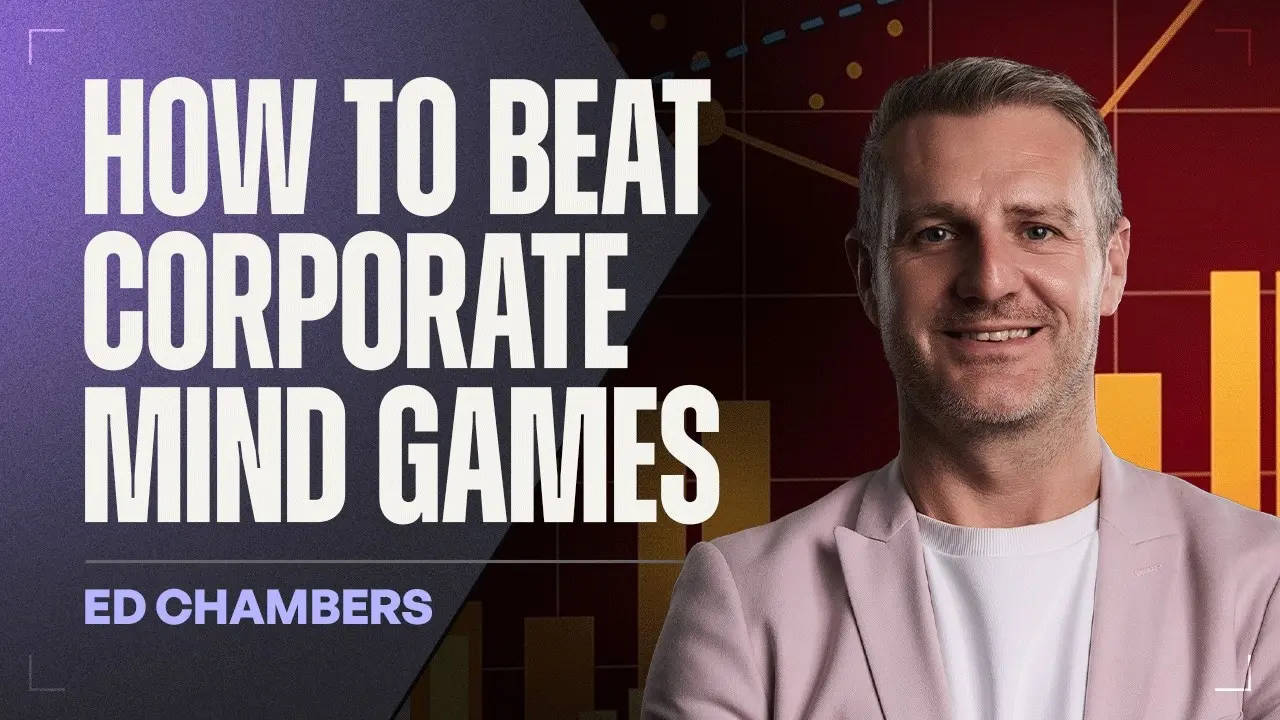
.webp)
.webp)
Let's Keep Connected
Work With Me
Enquire With Dain’s Team
Enquire For Speaking
Let's Get You Branded
Apply to be a guest
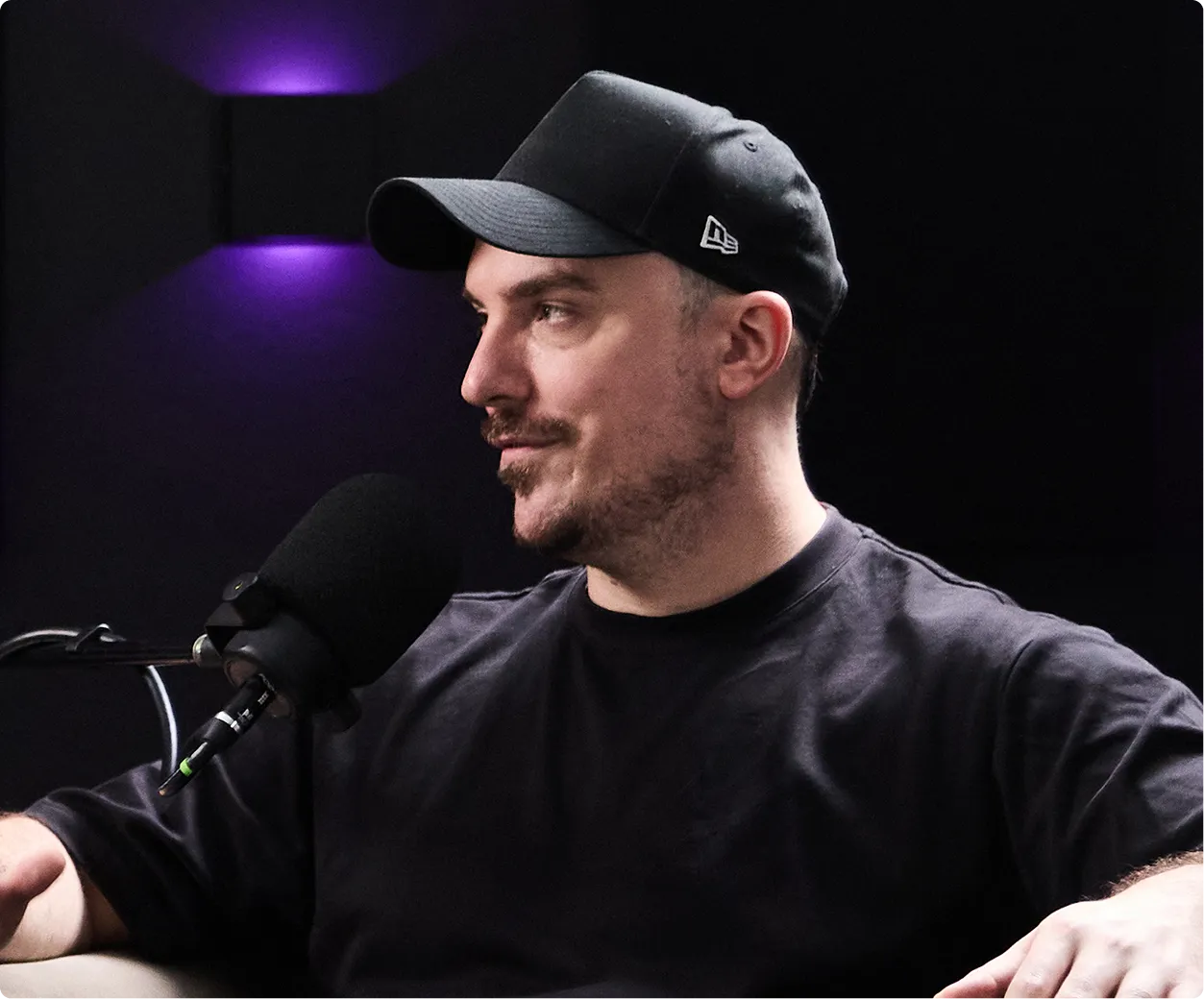
Dive into insights from industry leaders and experts.
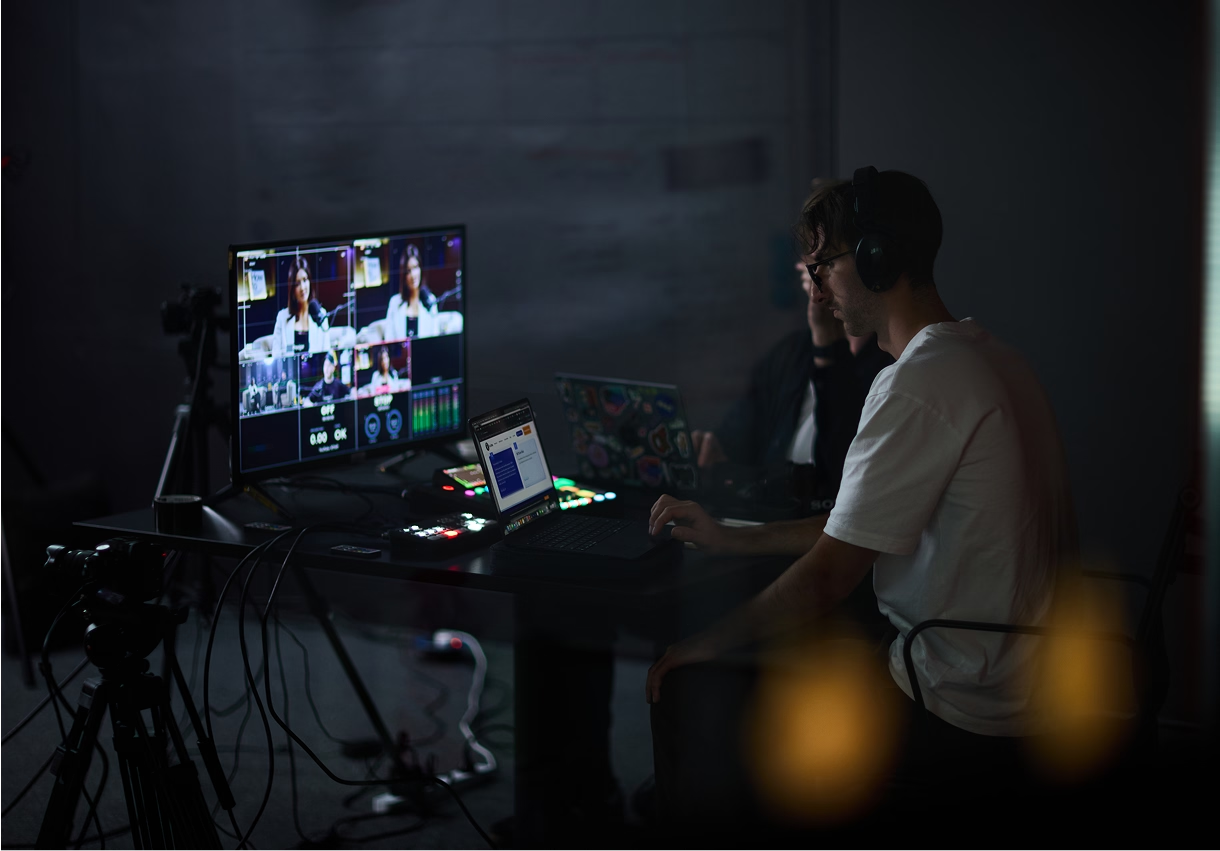
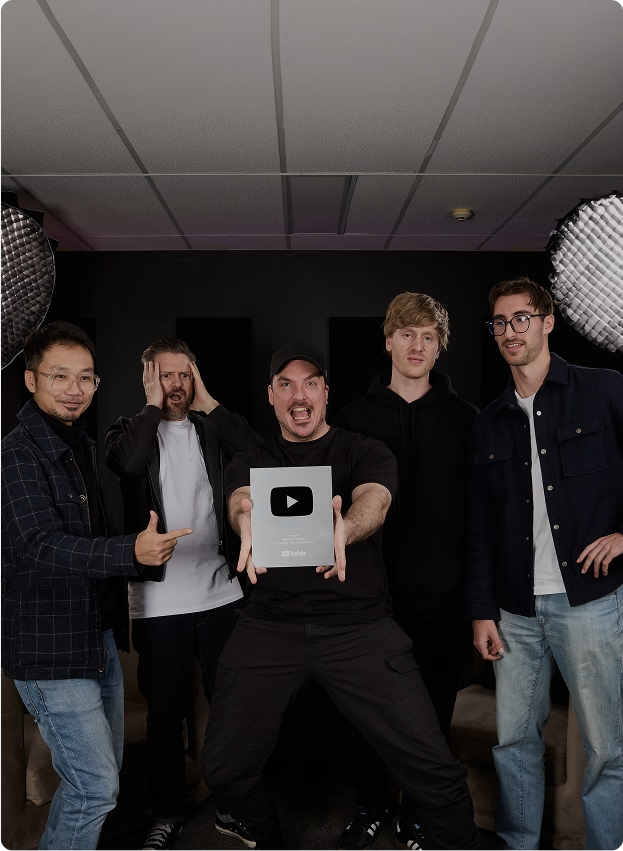
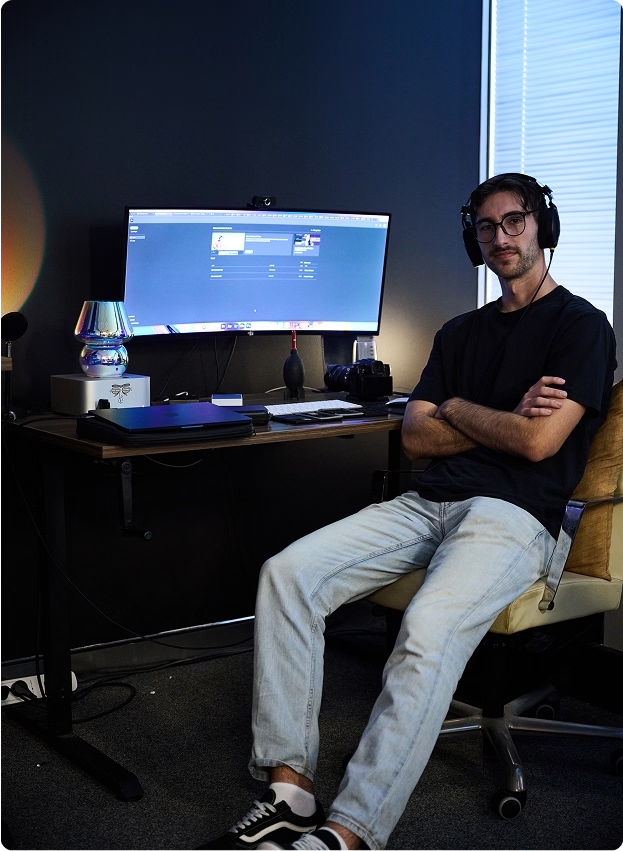
Stream now
Dive into expert advice and industry trends.