


TLDR
Summary
In this episode, DJ McCready, co-founder of Mountain Culture, shares the unfiltered story of building one of Australia’s fastest-growing craft beer empires. Dropping the typical corporate facade, McCready explains how he used radical vulnerability and an extreme appetite for risk to navigate the business from a tiny Blue Mountains brewpub to a national powerhouse producing $50 million in revenue. He opens up about a traumatic childhood defined by the loss of his father, revealing how that early adversity built an unbreakable entrepreneurial mindset and a deep-seated desire to inwardly prove his own worth.
McCready details the technical and artistic layers of the brewing process, the transition from manual "romantic" brewing to sophisticated automation, and how a massive $750,000 unapproved real estate gamble saved the company from fading away after a COVID-era e-commerce boom. Rejecting conventional corporate advisors, he highlights why maintaining an authentic, chaotic, and main-street "mate" culture is the ultimate differentiator for building brand fans rather than just customers. Now managing a team of over 200 people, McCready notes his shifting focus from daily corporate CEO management back to creative founder vision, outlining his audacious ultimate goal: disrupting industry expectations by one day acquiring the massive multinational beer conglomerates that traditionally buy out independent brands.
Highlights
- DJ McCready recounts his transition from sweeping brewery floors for free to establishing Mountain Culture, which has won Australia’s favorite beer (GABS Hottest 100) four years in a row.
- He shares his deeply personal backstory, explaining how witnessing his father's death at age nine and undergoing years of therapy gifted him with a high EQ and massive resilience to handle corporate chaos.
- McCready demystifies the craft beer landscape, explaining how the four core ingredients—water, malted barley, hops, and yeast—are engineered to create distinct flavor experiences like their signature "Juice Deeep" fruit hazy.
- He outlines the "Katoomba Gamble," where he and his partner risked three-quarters of a million dollars on an Eye Plains factory without council or bank approval to quickly scale production and match market demand.
- He highlights the critical business synergy between tight, unsexy factory sanitation protocols and an empowered, passionate team structure to achieve uncompromised product excellence.
- The founder challenges modern market trends of low-alcohol and low-carb beers, describing how following their own noses and launching a loud, counter-cultural 7% "juice bomb" became their biggest retail success.
- He defines his personal philosophy on risk, stating that if a strategic move doesn't firmly push a leader outside of their comfort zone and scare them, it isn't truly moving the needle for business growth.
Transcript
00:00:00
It sounds like a cool job being a brewer, but you're kind of a glorified janitor in a way. You know, you're just we're going to follow our own noses. We're going to come out with what, you know, we feel like is really on brand. We're the third largest independent beer brew in Australia. Water is pretty much 98 to 90% of the products. Dark beers come from Dublin. Water's really hot. really light beers came from like the Czech Republic where the water's super soft. What are all the
00:00:32
breweries going to do? They're going to make a bunch of low carb, low alcohol, better for you kind of brands. With that, we're going to come out with a 7% in-your-face juice bomb that like has a cockat that looks like it's taking it on the front of it. And like, and what does EDG and Kohl's and all of them do? They're like, "That's going TO BE OUR BIGGEST SELLING MPD THAT WE'VE COME OUT WITH THIS YEAR." EVERYBODY, I think, from the outside in, looks at beer and
00:01:00
they're like, "That's fun. That's a cool thing to be involved in." And it is. And that's why everybody wants to do it. It's reallying competitive and hard to make it because everybody wants to do it. We really grown the way that we have by taking risks. Could be make or break. What were some of those moments where it could all collapse? >> So many. This episode is brought to you by Wix Studio. Here at the Agency podcast, we're building a community and we would love
00:01:40
for you guys to be part of it. So, we would love to hear from you. What are you enjoying the most? What would you like to see more of? And what do you think might be missing? Drop a comment. Make sure you subscribe. And now on with the show. You've just won uh People's Choice Beer of the Year for four years in a row. >> It's been four years in a row since we've taken out uh it's called the Gab's Hottest 100 uh vote for beer here in Australia. It's it's one of those that
00:02:07
it's just such a great moment because, you know, we've we've grown so quickly. It's all been an absolute whirlwind of starting this business up. Just to, you know, paint a picture here, you have a team of about 200 people and you're four years running Australia's best and favorite beer and you guys have you're basically your product all across the nation and I'm assuming potentially overseas now at this point as well. But like how big is Mountain Culture for those who've not heard of it yet?
00:02:34
>> We started up, you know, as this tiny little operation brew pub in the Blue Mountains in Katumba. Our original place is still there. Uh, you know, we started out it's basically like come up to the mountains for an experience, go out hiking, go out, you know, canyoning, do whatever. And then afterwards, you're probably going to be thirsty. So, stop by for a beer and a burger. Um, which was great. Uh, and then, yeah, in the last six years, we've grown. It's a national brand. We've got venues, you
00:03:03
know, kind of from here all the way down to Tasmania. Um, and then, yeah, it's ranged ranged all over the country. And then yeah, we're we're starting to break into overseas a little bit. >> I want to go through what it meant to grow the pub and what it meant to get to the point now where you're launching one beer every week, which is crazy. If you take me way down the rabbit hole to the beginning, where did your life really move from where you were at to moving into the realm of brewing beer? Because
00:03:32
it seems like quite a strange world that many people end up getting obsessed with, but you went all in on this. >> So, look, you know, I haven't had the easiest road. uh you know getting to this point um you know so as you can tell from North America as well from North Carolina. I grew up in in the mountains um had a bit of a bumpy childhood you know like lost my dad uh you know I was killed uh when I was when I was a kid in front of me. Um so spent a lot of time getting through that getting through you know going through
00:04:02
the trauma of seeing that um you know and and kind of coming out the other side. I spent a lot of time, you know, going through therapy, going through, you know, uh I guess just a lot of work to try and um to to get past that in my life. Uh and it was it was a hard time. So, I was 9 years old. Um >> yeah. Yeah. It was a big it was a big bump for for me, my mom, and my sister. I really had this, you know, this belief that I was like, well, I want to do things and I want to like, you know, and
00:04:32
I I want to I want to experience as much of life as I can. So, I need to I need to learn how to do things and I need to be really good at those things that I'm doing. So, um you know, I fell in love with brewing beer. I got really competitive about it. Like, I had this roommate that we would brew beer, you know, and kind of like make our own home brew batches together. It was kind of like, you know what? I got to beat him. You know, I'm going to beat him. I'm going to go and volunteer at this
00:04:56
brewery that's opening up down the street. And I'll just like I'll do anything I can to get in there. I'll like go and show up and I just be like, "Hey, man. annoy the brewers and be like, "I'll come in. I'll sweep the floors. I'll put, you know, labels on bottles. I'll I'll do whatever." And they were always just like, "Get out of here." And I'd be like, "So, they had to like bring them in my home brew." And they'd be like, "Yeah, yeah, yeah. [ __ ]
00:05:18
them. Get out of here." So, you were competing with your roommate and there's a story about you were brewing 20 lers of beer in your kitchen for about $20. What sparked the idea to do the first brew with your roommate? you know, we were both living on a shoestring. Um, and we're like, all right, you know, this is this is a good way that we can just save some cash because we're like, this is like half the price of buying beer at the grocery store. God forbid we just don't drink
00:05:48
beer, you know? So, so we just started making at home. We just started, you know, going and like being like, well, we can brew 20 liters of beer for about $20. That's a lot cheaper than uh that's a lot cheaper than buying in the grocery store. So like, yeah, we just, you know, and then and then we just kind of became obsessed with it. We were like, this is this is kind of this is fun. I remember like my girlfriend at the time almost left me because I like completely had like water logged our kitchen floor from
00:06:15
like trying to like cool down the beers and you know like water would be splashing over the whole floor was rotting out and you know so uh so yeah basically it just it just went from from kind of being like a we're going to save some money on this to like all right well if I like take this gig just sweeping floors I'm going learn so much more about it. And beer is actually like there's so many different combinations of things. There's so many different ways of doing it. There's so many
00:06:44
different avenues that you can constantly follow. The thing is it's like you never master it. Like there's German brew masters and it's almost like a shunned title in the industry because it's like you never master beer. I think as I like grew in, you know, my career now to where I went from being a brewer and running big production crews and all of that and then being the founding brewer for Mountain Culture to moving into like CEO role, I kind of applied the same thing to business to where I'm
00:07:10
like I think it's why I grasp on the business and I I liked it because it was like there's literally endless, you know, kind of combination you can do here. There's endless things to learn. You never master it. You never know everything about it. It's always changing. So, I kind of feel like I had this real paradox between, you know, how I had learned to just have this neverending curiosity about this product that we make and beer and applying that into my new role of running the company.
00:07:37
>> So, you were uh on the floor sweeping, labeling bottles, like walk me through that. What was it like going from that to then being the head of production? >> Yeah, look, um you know, I I just tried to absorb as much as I could. You know, I was working because I was I was working at the brewery for free. uh besides the beer and you know I was working a night job in a kitchen as a line cook and I was still at the time trying to go back to uni uh for like I said the fourth or fifth time I can't
00:08:04
even remember how many times I had tried to go back to uni at that point. Um, so literally I was doing anything I could to like stay around to learn about the tasks because brewing beer is very like taskoriented. You know, you have like the science side of it, you have the art side of it which is like, you know, kind of like a chef putting together a recipe and learning how flavors melt and all of that. And then, you know, you kind of just have this process side of it that's like, well, you turn on this pump at this
00:08:37
speed and it, you know, it connects to here and it, you know, you hook it up to this water tank and it cleans that tank, you know. So, there's there is just kind of like a a very manual basic. So, you know, I was trying to like absorb the process side from from them. I was trying to absorb some of the science side from the brewers as well. And I was really, you know, looking at myself to think about like the art side of like learning about the flavors and how they could, you know, how how they can meld
00:09:07
and how uh, you know, we could do our own, you know, like flavor, you know, profiles and create our own unique recipes. And, you know, I think that's the the 10% extra like sparkle on top of it. If you get that if you get the first two right, then you have room to play with the last one. So, I really wanted to learn the process and the science. Uh, and then on the side was learning the art. So, you know, I spent so much time with them, following them around, absorbing as much as I could, reading as
00:09:35
much as I could, you know, looking at every like manual that was lying around because there was there was pretty there's very actual little uh information on it. Back then they had some brewer schools that would be for like the really big brewers like you know the version of like maybe like you know double triple the size of Carlton over here like SAP Miller where you know traditional brewers would go and it was really not applicable to what we were doing where it was on a a smaller scale. So very minimal like formal uh
00:10:06
educational information at that point on uh on brewing craft beer, but was trying to absorb as much of it as I as I possibly could. And then, you know, we put in a a really small uh pilot brewery there, like we had a we had a bar uh in our in our brewery uh back in Asheville. And uh you know, so so I would just stay, you know, stay late, make small batch recipes. to be like one keg and put them on in the tap room and and you know I it started to become you know really popular once I gained you know
00:10:39
like the knowledge that I needed and then over two years worked my way up to where um you know I got put in the role of you know head of production for the place and yeah I was able to have my first you know very blind still but first shot at running a you know running a factory. So, what do you think that they saw in you at that time? If they were to observe how you were behaving, how you're running around the warehouse and you're doing all these crazy things, what do you think their observation was
00:11:06
of what you were doing at that time? >> I think, you know, at the time, like I was I was fortunate because um there there was a lot of movement in the company. There's a lot of, you know, there was a lot of people coming in and out. There was a falling out between the partners that started it. So, the guy who was the original brewer needed to move more into a management role. And I just think that he he saw that like I didn't know everything that I was doing, but I was going to figure it out. And
00:11:34
that like, you know, I I was in that like I I had enough confidence to, you know, realize that making a decision was better than not making a decision. And even if it was the wrong decision, I was still going to make a decision. And I was still going to try something. I was still going to like tell, you know, like the production crew like what to do. Um, so I think they just he saw that and he just, you know, he said, "Well, why not?" Like, you know, he's he's a passionate kid. He's probably like 24 at
00:12:05
the time now or 25 maybe at this point. Uh, this is, you know, let's give him a shot. And, you know, I just I just really just went to town to try and make sure that I didn't screw it up too bad. When you were just 25, um, you tried to buy that brewery. >> I did. >> What made you think that you could buy the place? >> I did. Well, the guy who was the the the last, you know, the remaining partner, uh, decided that he didn't really want to do it anymore. Uh, and, you know, I
00:12:36
was a bit of a trust fund guy and decided that it was just all too much work. So, I, um, I went out and was like, "All right, this is this is our opportunity." like this is my my shot at opening up a business uh or running my own business, so why not? So, I went around and I just scr everywhere I could trying to find the capital to buy, which wasn't that much money at the time. >> How much money was it at the time? >> Like $100,000. That's it. >> It wasn't much,
00:13:05
>> but like every every bank, you're broke. >> 25 I'm broke. I'm like living in a share house with no kitchen floor at this time because we rotted it out because of making our own beer in the kitchen. I just couldn't land it. Like I just I I tried and tried and tried and it just >> What were some of the things you tried? >> Wasn't happening. Like I remember I did one where I did this like you know like homebrew competition where we we put up all of our beers and we put up that we
00:13:29
were like trying to do a cap raise hoping there would be somebody with like cash in the crowd be like try the beers that we're making and we're trying to take and like just you know you get a lot of people that were like oh how cool how cool would it be to own a brewery and then you know I think at that time it still wasn't as popular as it is now. So it would be like that's a cool idea now we should probably go and do something else. So, you know, long story short with it, it it didn't um it didn't
00:13:57
land for me and I just kind of found myself then going and I I was part of a a much larger brewery uh back in the US. I got recruited to go and um be part of uh a much larger brewery. And that was probably the best thing that could have ever happened to me at that time >> because until then I had like in a way like I had learned from a few people who would probably learn from themselves and like I was reading a lot but I was really making up a lot as I was going and uh I just had an opportunity to all of a sudden learn
00:14:31
from people who are like professionally trained who have been in the industry for like 20 30 years that could really mentor me you know and I had this Like I think I was very um moldable because I had spent time trying to figure it out. Had figured out what I didn't know. Had failed a lot. Um but you know, I was still willing to like just be like screw it. I'm going to try. I'm going to make decisions and if they fail, they fail. And what's the worst that could happen? You know, like nobody's going to die
00:15:04
here. Hopefully. hopefully. So, you know, so I think like at that point I really had some like it seemed like an eternity to me, you know. I mean, time moves so slow at that age like, you know, I think I I spent like two and a half years there or something like that. It seemed like forever. And you know, but I but I had a I I I felt like a a really good crew um that was above me that were able to like mle me into being an actual like professional brewer at that point and really just just knowing what I was
00:15:40
doing and knowing how to, you know, um basically yeah, how to how to bring products to life, how to make sure like a process on a large scale was going to plan. like just set a a super high bar for what good looks like, you know, and I think that was a big change in me to where I'm like, oh yeah, good isn't good enough. It it needs to be, you know, the best product that you can make. It needs to be excellent. So, um yeah, just I think I think it's set me on a new path and I think if I had opened up my own
00:16:12
place when I was 25, I think I would have really been lacking a lot of that um that knowledge about what I was doing. I think I would have been, you know, running when I should have been walking. >> If you want to grow your agency, you need more than just a website builder. You need Rick Studio, the all-in-one platform that's built to help you scale. Design smarter in a hyperflexible, responsive editor, cherrypicking whatever clients need from pre-built UI elements and templates. Deliver robust
00:16:42
backends with built-in e-commerce solutions for every industry, letting self-maintaining infrastructure just run itself. Stop reinventing the wheel with every project and instead create a sharable design system with reusable assets, apps, and components. Clients growing too fast? No sweat. Wick Studio AI powered CMS lets you turn a single layout into hundreds of additional dynamic pages. It's true. More clients no longer has to mean more chaos. Wix Studio gives you one centralized view of every project and makes real-time
00:17:18
collaborations seamless. Do your agency's best work at scale. Build your next project on Wix Studio. What were a few things that you picked up in those two years where you were able to be around professionals in a bigger environment that had more knowledge than you? What were some of the things that you were surprised about or you had to learn about beer before you could go do your own thing? Um, I I think again like the amount of how process is just king, you know, in making beer. Like how, you know, we we
00:17:48
all love to focus on, you know, when we come up with these recipes, like we're not talking about like our cleaning processes or, you know, like the amount of sanitation involved or the amount of, you know, like ensuring that, you know, no contaminants get in the beer. They're talking about the big sexy things to talk about like big flavors, big experiences, you know, like different like, oh, we've added coffee or chocolate to this or anything that sounds really cool on a can is what we
00:18:16
talk about with brewing. But really, like before you get there, it's it's all about like process. It's all about like the diligence that goes into to making sure that like everything is corrected. you know, you're running a really sanitary facility that like, you know, every brewer there, no matter, you know, what their level is, is doing things to a certain standard. And there's like 10 checks and balances in place to make sure they're doing that, you know, and a lot of the the places that I would see
00:18:43
around me, they didn't really have those kind of like operating procedures in place. And you know, you you wouldn't you wouldn't know that whoever the guy was at like 2 a.m. on the night shift was doing things the same way as the guy who was on like 2:00 p.m. on the day shift when everybody's around watching them. So, you know, I think just having that that time to really see like how, you know, if you get your your processes, procedures, the less the less glamorous stuff in check, um it just
00:19:16
pays dividends with everything else you do. So, I think that was a huge, you know, huge learning opportunity for me. >> How does that affect a brewery or a business downstream if you're able to nail that unsexy pot? >> Uh, it's massive because, you know, I mean, we we, you know, we say we live and die by the product quality, which is true. Like, you know, at the end of the day, it's like if if we're not if we're not building a, you know, solid product, then um like we lose everything we have.
00:19:41
Like, you know, I've I've always had the um you know, belief that like we're only as good as the last batch of beer that we have. We can always make more beer. We can't make more customers. So, like we need to know like what's like leaving our our brewery going on a shelf, you know, in you know, CBD of Adelaide or wherever is going to be, you know, a super high quality product. So, you know, it's those less glamorous things that that really ensure that, you know, and paying attention to that detail.
00:20:11
And, you know, um, a lot of it you're just, you know, it sounds like a cool job being a brewer, but you're kind of a glorified janitor in a way. You're just, you're just cleaning things all the time and making sure, you know, it's a really sterile, sanitized process that, you know, nothing's being left undone. like you you have to have like a certain amount of like OCD to do the job right. Um it doesn't make a cool Instagram video, but it does, you know, it does win you best beer in Australia four
00:20:43
times in a row. So yeah. >> So if you think back at like walking into a brewery, many people walk in and see vats and pipes and noise. What do you see? What what are you looking at when you look at a professional operation that's making beer at that scale? >> Yeah. how clean the floors are. >> No, like you know, I I I think the biggest part like in any business is it's the people that you have behind it. >> Okay. >> You know, it's like you you walk into
00:21:07
some places and you know, you can just you can feel the mood. You can feel people don't want to be there. You can feel that it's you know, it's not a great environment. Or you can walk into some places and it's like, you know, people are there with purpose. They, you know, they're they're there because they're passionate about what they're doing. they're there because like they they feel like they're bringing something to life that's contributing positively, you know, and it's being a,
00:21:30
you know, great part of other people's lives. So, you know, I I really think like looking at VATS, looking at, you know, the the setup, all of that, like it's great, you know, and I mean, you can tell like it's like anything like you go into a professional factory and, you know, there's a certain level of investment that is going to, you know, say like, okay, these guys are really taking seriously what they're doing here. But also, I think it's like it's only as good as the people you have
00:21:55
behind it. And you know, if the team is looking like they're unengaged, and you know, they they're not there with purpose and passion, then I'm pretty much guaranteed that the product's going to sing the same thing. >> Why do you think that having a good cultural fit really matters when it comes to product quality? If they're, you know, doing the right things on the checklist and making sure things are sanitary, etc. Why do we need both components to be able to succeed? Look,
00:22:20
it's always, you know, um it's always easy to cut corners. You know, you you always want people who, you know, have that sparkle in the eye for things and, you know, as as a business, uh you know, and as we grow, uh we can't just do it on our own. Like, we we rely on our people to take it to the next level. winning that hottest 100 every year is um it's such a great thing for the crew and to see how much they care and how how passionate they are about it and you know they're the ones who are bringing
00:22:52
up the new ideas they're bringing up the new way of doing things and you know it's it's just so important for us as a business to you know it's weird in like beer and I I think in some industries they almost have this like this is the way it's always been and this is the way we always do things and we're kind of like we're growing so quick that if we do the same things for six weeks in a row like then we're going backwards, you know? So like we need everybody on board
00:23:20
to do that, you know. We need our like we we need our people coming up with the new ideas, the ways to make things better, you know, the ways to make things more efficient because they're the, you know, they're the folks in the trench. They're the ones that know like the process. So, like, you know, I can I can sit behind my desk and be like, "Hey, we're going to need to pump out like an extra million liters this year." Like, that's great, but like, you know, it's the the guys on the factory floor
00:23:47
that are going to like figure that out and they're going to figure it out in a way that, you know, they're like come up with plans and be like, "This is the way that it's going to like we're going to put out an extra million liters a year and it's going to be even better than the previous like year that we were making our product." Yeah. We're we're really like, you know, we're really big on like making sure that the team's empowered to make sure that that things
00:24:10
are constantly getting better. >> How are how are um you empowering your team? Like what are a couple of those things that you try to keep front of mind to make sure the team are pumped? >> Yeah, 100%. Like, you know, it's really open industry. Like I I do think like, you know, the brewing industry is almost kind of kind of weird in that way is like we're we're competing with other people, but like we're also open. So, like I really love taking our our team overseas, you know, like to the US, the
00:24:39
UK, over to New Zealand, seeing how other people are doing things. Um, you know, going and seeing bigger breweries. Like a lot of the the craft beer in the US is it's it's pretty far ahead of where we are here in Australia. Like those guys have been, you know, interested in craft beer, making craft beer for the last 35, 40 years. say it's really been very popular over here for the last like 10 15 years you know so like just through you know uh through through time um there are a bit more
00:25:11
advanced factories over there and in the UK so taking taking people overseas showing them you know like getting ideas seeing how other crews are running is is always really important. We also spend a lot of time on education. You know, our our head of production um who used to be one of my assistants uh back when when I was still making the beer in Katumba uh spends a lot of time on just you know education, bringing you know uh bringing new things to to the guys to constantly just keep that interest going. We we'll
00:25:43
we'll send them off on any course you know that they want to do if they're going to be a you know longtime production member for us. So uh yeah we we really try and uh try and engage them that way. Also spending a lot of time with like our like our inputs like our um you know raw material suppliers all of that like you know a lot of the times we're only as good as well as like the ingredients that we can source. So really spending a lot of time learning about that side of things and you know
00:26:11
how these things can be brought together is yeah important. Now, when you say everyone else is quite open around the world, it's quite unusual because I think in most industries, people would, you know, keep their secrets close to themselves. What What is it about the craft beer industry you think that makes people more collaborative and open to sharing with each other? >> Um, I think that it's a, you know, honestly, it's a real love for the product. You know, I think that, um,
00:26:34
generally, you know, breweries that that do really well have a genuine love for what they do. So I think that idea sharing is the best way to get there and you know as talked about before um it's almost impossible it is impossible to become a brew master. Uh so you know uh learning from your peers you know learning from your peers is a great way to >> acquire more information because it is constantly constantly evolving constantly changing you know honestly that's where it does come from is that
00:27:09
you can put yourself so much farther ahead if you learn from other people's mistakes and triumphs and all of that. And uh you know the other thing that I think about especially like with overseas um breweries is that you know generally beer is seen as like a more local kind of product. Like it's pretty heavy. You know it's like it's a heavy product. It's a perishable product. It's kind of hard to, you know, say like, "All right, we're going to make beer here in Australia and Sydney
00:27:40
and we're gonna, you know, send it to Vancouver and uh we're going to sell a bunch of beer in Vancouver because it's like we've got to send it across the entire ocean." You know, it's it's just not really that feasible of a business plan. >> And you're a lovable guy, too. They can't be hard to say no to you, man. Be >> a couple of beers. >> Yeah. Your product in and of itself. >> My way into some secrets. What do you think was one of the
00:28:05
surprising moments when you were abroad with your team overseas at another brewery? What are some of those secrets that you picked up along the way? we've just been scaling so quickly, you know, and um that's that's been a wild ride to where, you know, I said, like we went from just having a couple of people in Katumba where we're brewing everything very manually, um to we took on a second facility down at the bottom of the Blue Mountains. Uh and then we feel like we've upgraded
00:28:34
that thing like 20 times. So, it's just like we're constantly just chucking more gear in, learning about how it works, learning about how to try and adapt our, you know, use the gear to create the same product that we've been doing or, you know, this the beer styles that we've been doing and, you know, to a better, you know, a better standard. So, um, you know, I think like going to those those places that are using similar equipment has been really helpful, you know, because it's like
00:29:02
we've kind of gone from like a pretty agricultural process of, you know, very manual, which is, you know, sometimes in the the industry seen as a a really romantic thing, you know, where it's like you get some guy up there and they're doing the temperature readings and they're taking the, you know, the the sugar content. and adding the you know and it's like that's all great until like you know so and so shows up Monday morning hung over as hell at 5:00 a.m. and forgets to do this part or so.
00:29:35
We've switched from that to like a really like automated process, which you know is a little bit low like less romantic on some sides of you know you don't have a brewer up there doing everything but it's uh it's a lot more romantic on like you know what you're going to get every time and uh you know what you know what the the product is at least going to have a baseline that everything was done correctly in the process which gives us more of what I actually see as the the romantic side
00:30:02
which is >> playing with the recipes and knowing what you're going to, you know, uh, at least have the same baseline and you can tweak things and you can decide if you add more or less of a product or tweak a flavor profile and, you know, you can you can see what the end result is. So, I really think like spending time with overseas producers that have also gone through that process is uh, has been really helpful. when you're talking about the romance and the art and the creative side of creating a beer, what
00:30:31
are all the things that you're able to play with, what things are you thinking about? So, could you explain what that's like? >> Sure, absolutely. Uh, you know, it's it's a bit of a rabbit hole because we could go down the rabbit hole. We could go we could go so deep with it, but um, you know, I mean, people have been brewing beer since, you know, the pyramids uh, you know, were were being formed, maybe before then. So, there's lots of different ways to go about it. Uh, you know, and we keep learning more
00:30:58
and more every year, and I'd still say we probably have so much left on the table that we don't know about. Um, but I mean, you know, the it it's one of those things like it goes from baseline, it's really simple, to creating something that is an excellent product is extremely complex, you know. So, baseline, I mean, it's it's four ingredients. You're using, you know, molted barley, you're using hops, you're using yeast, and you're using water, you know, and it's like that's kind of it.
00:31:29
So, I mean, >> and what are each of those things doing? >> Well, you know, so like water is water is pretty much, you know, like 98 to 90% of the products at the end of the day. Uh so you know like you go down a a rabbit hole with water of like the water chemistry you know water from different parts of the world traditionally made different beers if you couldn't modify it if you couldn't filter it if you couldn't remove minerality from it or add minerality to it dark beers come
00:31:56
from Dublin water's really hard you know and and using acidic malt balances that out or really light beers came from like the Czech Republic uh you know where the water's super soft and you know using those grains was able to, you know, you were still able to get a good solid extract from them. So, like used to be that different beers were coming from different parts of the world because of the water that they were using. Yeah. >> That's fascinating. Okay. >> So, like you know, and then like the the
00:32:23
barley that you're using like you know >> you you can have anywhere from like a really light straw colored barley to anything that's super dark like dark roasted coffee just by the way they kill it. Um, you know, so it's similar to making coffee beans, you know, light kiln, really light beer. You know, the the higher intensity of a kiln, the darker the malt becomes, the darker the beer. Um, and then hops, you know, are our ingredient that we add like so like our beers that we focus on most of our
00:32:52
beers at Mountain Culture, very hopheavy beers. So like hops have come a long way. Basically, hops were mandated to go into beer a couple hundred years ago to actually be called beer. Um, and basically it's like a, you know, traditionally it was a preservative, you know, so they were adding it because it was, you know, it had antiseptic qualities. Um, so it helped preserve the beer. And there was a rumor that it was uh, you know, added to beer because it's also a sedative. So instead of people
00:33:23
drinking a bunch of beers and getting in a fist fight afterwards, they'd drink a bunch of beers and fall asleep. >> Do you believe that's true? >> Pretty handy. >> I'd like to believe that's true at least. >> Yeah. >> Uh and then yeah, last ingredient is yeast. So you know, a lot of those water, water, barley, and yeast is basically like baking bread. you know, hops is kind of the the out outlier of it, but uh you know, we're using yeast and beer uh you know, fermentation uh to
00:33:53
create alcohol. So, like when we're we're using our barley, we're basically using modified barley that we can, you know, through the brewing process convert the starches of the barley into fermentable sugar and then later on down in the process, the yeast comes and does the fun part which turns the sugar into alcohol. Now when you think about this process is quite complicated like you said those are the four basic ingredients. What else do you have outside of that? >> Look you know one with those four basic
00:34:22
ingredients like you can do so much. It's endless you know with there's there's hops grown in different parts of the world. Hops are kind of like, you know, I think about it which, you know, uh it's almost like uh like grapes, like grape varieties that are using wine, you know, like Chardonnay grapes that you get from France, you know, are going to taste way different and appear way different than Shiraz grapes that you get from the Barasa. uh you know, hops are kind of similar to where like it
00:34:52
it's like different regions almost different fields, different you know um different years uh will produce completely different flavors and characteristics. So, we spend a lot of time where we're we're we're one of only, I think, two breweries, maybe three breweries here in Australia that actually go overseas, work directly with hop farmers in the US to bring in our own hops because we spend so much time on that ingredient that we have direct relationships with the farmers to where
00:35:22
we go out and procure our own hops. So, we bring in maybe like 10 refrigerated containers every year from the US of our specific hops. that we go and select similar to how wine maker would select grapes during vintage. We're doing that with hops. Um so like different flavor contributors, you know, from all over the world. Like in this beer and status quo, uh we're really looking for like big bright citrusy flavors, like melon flavors. So we'll go and pick our hops based around this beer, you know, so we
00:35:53
can make sure that we create the same thing every year. But then, you know, with all the other ingredients, you can really just go down an absolute rabbit hole on like all the different ways you can use them, all the different, you know, ways you can use them in the process, all the ways they can be modified. So, it just goes on and on and on about different, you know, combinations that you can put together to make a different product. >> When you think about the general practice of it, like could you walk me
00:36:17
through what is the actual process from water through to beer that the journey that the beer has to go on? How long does it take? >> For sure. And I've also heard things like your beer can get infected and all different things can go wrong. >> Yeah. >> Yeah. Yeah. Yeah. So like you know I mean uh the the process in a nutshell we're getting in modified barley that comes in and a whole kernel. So we take that barley we take different types of barley blend them together depending on
00:36:43
the recipe you know. So like light pills in your beer has basically just one type maybe a little bit of additive of another type of barley to anything like a big stout. lots of different blends of barley put together and we take it and we we crush it in a mill. So we're basically just, you know, we're cracking the barley kernel that looks, you know, it's like a little, you know, it looks like a seed and then we're adding hot water to it. Uh so what that process is called like mashing. So it takes the
00:37:12
starches of the barley and converts them into fermentable sugar. I like to think of this process kind of like making coffee. You leave behind the coffee grain and you're extracting the liquid. The same thing with like mashing and you know going through and collecting all the you know the flavor, the protein, the fermentable sugar from the barley. It's collected and then it goes into another vessel which is where we boil it. So we we take all the liquid, we run more liquid through it. So we we get a
00:37:40
you know a volume of basically sugary grain sugary water. At this point it's called wart. Uh and we're going to take that and we're going to boil it. We're basically boiling it to sanitize it. That's also where we'll add our um our hops in while it's boiling. So add hops in. If we add hops when it's boiling, it's extracting bitterness from the hops, which balances out the sweetness. Um also acts as like a preservative. Uh and then we uh basically after boiling
00:38:11
we cool it down, you know. So like to add our last ingredient, yeast. Yeast is a living thing, you know. So like boiling it, we ex, you know, sanitize it. So there's no wild bacteria in there. There's no wild yeast strains that we don't want in the beer for fermentation. So boil it, cool it down to, you know, anywhere from, depending on the style, 11 to 20°. Um, at this point, it has to be really sterile. So we're we're pushing the liquid from the boiling kettle through what's called a heat exchanger, you
00:38:44
know, so it's sanitary. As it goes through, it cools the 100 degree boiling beer, boiling wart down to, you know, where 11 to 20° goes into a fermentation vessel. We add yeast to it. We also add oxygen to it at this point. So, the yeast will basically become active. It'll reproduce. It'll split off and it'll go through the fermentation process where the yeast is metabolizing those fermentable sugars, converting it into alcohol. After that we basically remove the yeast from it. So it goes through chilling
00:39:18
process. Then it goes through filtration. Filtration comes out. We add carbonation to it and then we're basically ready to send it to whatever packaging, you know, vessel we're we're after, whether it's a can, a bottle, a keg, and then it gets to the fun part where we're ready to drink it. So, a fun segue here is uh you actually ended up teaching a university course on brewing science. How did a dropout become a professor? >> I did. I did before I moved to Australia. I uh I I was part of a I was
00:39:52
part of a um a brewing school um that you know the industry like was taking off back in the US when I was involved in it. So, you know, the town that I grew up in went from having four local breweries when I started to, I think, having about 80 or so now, 12 years later. So, like there's a huge demand for education around it. There's so much just happening. So many people opening up these places. It was really seen especially, you know, North Carolina, but all over the US as like kind of a,
00:40:25
you know, it was a, you know, it was an industry that was really popping up and becoming very like common. So, uh, so yeah, um, the brewery that I was part of, uh, with the local college put together this brewing program, um, you know, so they had people in there where we were teaching brewing science as well as the practical applications of brewing. Um, so I went to work part-time for the local college, uh, even though I didn't have my high school diploma to show them. And, uh, ended up teaching,
00:40:59
yeah, I was, uh, teaching, uh, the local the local brewing course for a few years, uh, which was a great mix, you know, of people. Like there was some people in there that were really keen on uh on learning how to get into the industry and then there was also some people in there that were really keen on getting whatever the local equivalent of a do check was by taking a university course and I think they were like >> the beer one sounds pretty fun and take that >> uh just so they can collect their
00:41:28
welfare check. >> Yeah, absolutely. >> What a better way to do it than learn about beer. >> Why not? Yeah. Yeah, it could be worse. But uh no, it was a lot of fun. Uh you know, I think it taught me a lot about uh you know, how to teach people really quick a process, how to teach people really quick, like you know, how to uh you know, go through what is what is kind of, you know, pretty complicated thing and put it in a nutshell, put it into a way that, you know, um was, you know, absorbable by people in a you
00:41:59
know, fairly short period of time. Do you think going through a season of learning how to become a teacher and an educator of the product gave you some kind of X factor down the downstream as an entrepreneur? >> I think it gave me a real like um I I guess just emphasis on like how not to just lead through telepathy, you know, in a in a business. Like I think that >> like why don't they just get it? >> Yeah. 100%. you know, and I I think like it it's pretty easy when you're training
00:42:28
people, you know, to do something to just assume that, you know, they've absorbed everything. But, you know, I think having that experience of like there's like 15 different ways that people learn something. you know, some of them are, you know, they they're hands-on. Some of them need to have it written down. Some people need to have you tell them how to do, you know, I think it just helps um with that uh idea around like how do we help people absorb information? Like how do we how do we
00:42:57
really know that they know? How do we, you know, um I I guess put those checks and balances in place that at least whatever the passing rate is, 72% of it has been absorbed in there, you know, at the end of my teaching stint. Um I made the decision that I really wanted to get my own thing off the ground and I I wanted to get back and do something on a small scale to, you know, have the opportunity to, >> you know, get my hands dirty and hopefully start up a business. How did you then move from where you were at
00:43:30
that time working with the other brewery in the states y to then uh moving to Australia to starting a startup on the northern beaches? >> Yeah, so I had um I had a friend of mine who actually uh told me about the gig in the northern beaches. You know, at the time I said like I said I wanted I wanted that opportunity to see how a real startup worked. You know, I worked in the industry for so long. I knew I, you know, um, at that point I really felt like, you know, when I started out, I I I was like, I know nothing about
00:43:59
starting a business and nothing about brewing beer professionally. At that point, I'm like, I think I know enough about brewing beer professionally to have a crack at it. So yeah, so signed up, came over here uh in 2014 and yeah, it was part of part of their startup and um you know, it was it was a it was a good experience. The brewery grew like mad, won a bunch of awards uh and it was a great experience because I really got to really got to see like how uh you know how to how to take a brand from
00:44:32
from you know pre-revenue to you know rolling it out and getting it on its feet. Um, and I I think at that point I also decided that like this would be an awesome place, you know, Australia would be an awesome place to um, yeah, to to start something up. I I met my my partner at the time then as well. Um, you know, which we were like, well, we decided we wanted to have a crack at it together. So, yeah. >> Now, something that you've said is that you operate best when [ __ ] hits the fan.
00:45:06
I founders crumble often and you've seemed to be someone who's spent a lot of time in the industry but yet now you're going out there on your own. You're creating your own business in startup mode. Um why do you think you operate better under pressure like that? >> You know honestly I think it comes back to my childhood in a way of like you know growing up in a pretty stressed environment. You know I feel like uh dealt with a lot of adversity uh as a kid. I feel like I have this real, you know, um I guess
00:45:41
thought process of like when things are going wrong, there's things to fix. There's things to focus on. Uh and you know, it's always felt more normal for me to have big problems to fix. you know, like I I I know that like when there's, you know, when things are boring, things are going right, and the business is actually going well, um, financially, uh, maybe not progress-wise, but, uh, I've always really loved that like having the massive, um, the massive the massive problem to get over, the massive
00:46:19
like task to figure out like the Rudik cube that can't be solved. It's like, you know, when when things are looking like they're they're hard and, you know, risky and all of that, it's just like I don't know. I just that's always what gets me really excited about uh about operating the company. And you know, I I I feel like every time it's it's at that point is when so much growth ends up happening because it's almost like, you know, it's like you need the fear, the adrenaline,
00:46:49
the you know, uh the the the constant like, oh my gosh, like what could go wrong here? I think to make you grow and I think to to make you take on um you know, things that things that you didn't think you could do. Um, so yeah, I've I've always felt like whenever things are going uh to business as usual in the company, I always find something new to take on and throw in the mix. Uh because it gets everybody up, you know, it gets it keeps us growing at such a a fast pace. And you know, I I I do just love that uh you
00:47:29
know, thought process of like if it doesn't scare me a good bit, it's probably not worth doing. >> If it's not scaring you, it's not worth doing. >> I think so. Oh, I I think that, you know, like, you know, we've we've really grown the way that we have by like by taking risks, by taking chances on things that, you know, like could have could could be make or break, you know, and it it's like I I really feel like um you know, whenever something comes across my desk these days, whether it's
00:48:03
like an ad or whether it's an expansion that we're looking at doing or whether it's, you know, we want to hire this person, but they sure are expensive, but they could do this. It's like, if we're not a bit scared to do it, it's just in the comfort zone. It's in the business as usual, you know? Same thing with the recipes, you know? Like I I feel like we got to this place by like pushing the boundaries on beer, you know? We got to the boundaries on pushing the boundary on product. We got
00:48:32
to this place by pushing the boundaries on the way we would market the product and the way we would grow you know before we necessarily had the absolute need to grow. Um so like yeah I think that you know keeping that mindset of like if it doesn't if it doesn't scare us it's probably not moving the needle. >> I I love this because so many business owners we speak to at the start of their journey think that the scary thing is bad. Having fear is bad. But you're saying it's a compass. It's a It's
00:49:01
something you should run toward, >> I think. So, I mean, you know, I I think like anything out of your comfort zone is always going to be scary. You know, any anything out of like the like I'm ready for this. I know how to do this. You know, like if you already have those answers, you should have already done that in my opinion. Like, because you're not growing fast enough. you're not you're not I you know I think grow you know pushing yourself hard enough where you know we've always had the the
00:49:28
mindset in the beer industry in in our industry which is you know I think it's you know it's it's a very competitive like space like you know everybody I think from the outside in looks at beer and they're like that's fun that's a cool thing to be involved in and it is and that's why everybody wants to do it which means it's really [ __ ] competitive and hard to make it because everybody wants to do it. Anybody who was working for Uruskin Young and like I got some extra money, let's open up a
00:50:01
brewy. All my mates think my beer's good. Goes and opens up a brewy somewhere and it becomes super competitive like and you know, yeah, it generally doesn't work out for them. But um you know, like so so I you know, like I've always had this like well we've got to outgrow that. We've got to get past that. We've got to we've got to go beyond, you know, what the which is why we actually named this beer status quo is because I wanted to break what the status quo of beer was over here. You
00:50:29
know, I wanted to push it. You know, I wanted to do something that was going to was going to cause waves that was going to be stand out. You know, I kind of hated when I would go and, you know, do these, you know, judging panels or whatever. um where you'd see like 50 or 60 of people's parallels come out and they all look the same and I always love this beer because it'd be the one that looked different. There's mine. Um so like you know I I always felt like we we just had to had
00:50:58
to take those risks you know but I mean it was a risky product at the time. Now uh there's there's a lot of them out there that look and >> there's something that you call the Catumba gamble. So, there was an unapproved building and you made an early bet. So, you dumped a quarter of a million dollars onto a building without council approval. Why would you take such a financial risk? >> Uh, I think it was probably closer to three4ers of a million dollars at the time. Uh, and look, it was just one of
00:51:27
those it was it was at the back. Um, we just knew we knew how quickly we had to we had to grow. Um, you know, uh, my my business partner Harry and I were like looking down the barrel of, you know, having this massive opportunity. Um, we knew that like it was going to be make or break for us. Like we could have had this wonderful, you know, two or three years of where we're really popular and people really liked what we're doing. It was this really cool story and then we would fizzle out
00:52:01
because, you know, we really just saw the writing on the wall that after um like things were going to go back to normal and we could either be there to take advantage of the the wave we were already riding or we could just stay the same size that we were and we could fizzle away and the old players who were already that size could come back in and take their market share and go on and we could be a great local favorite pub. >> Do you mind do you mind just quickly um outlining what that wave was and why you
00:52:32
think it was going to go away? >> Well, we created and you know, mostly like give give credit to where credit's due. Uh my business partner Harriet um spent a lot of time building um our social media following. And um it was super lucky because during like we had to pivot, you know, we had we had opened up and we had put all of our cash into opening this business. And you know, it was it it was basically set up to just run as a you know, a brew pub in the Blue Mountains, take advantage of tourists coming up, take
00:53:08
advantage of people having an experience up there and buying our beer over the bar and, you know, because we opened up on the smell of an oily rag, that's about all we could do. But obviously came in, we had to pivot the business really quick. So like um she had built this social media following that we really leaned on during and um you know it just it saved us like we turned the business into an e-commerce business and um yeah it just flew. It went from like we were a local favorite to like we had
00:53:41
people buying our beer in Brisbane and Melbourne like all over the place. So, uh, and we were having so much fun with it at the time. Like we, you know, me and, uh, me and one of our marketing guys, Pat, we used to put on these like virtual tastings every Saturday to where we're basically just delivering the brew pub experience to people's living rooms. And um, you know, really just making it this like interactive thing to where we're like, how do we entertain people? Like, what's the problem to solve here?
00:54:11
Like people are bored during like nobody can go out and do anything. Like how can we like how can we solve a problem of like nothing to do on a Saturday night? We can send them a pack of all these different beers that we've created, you know, all these different styles that we're trying out and we can get absolutely hammered with them on virtual tastings and like provide some education on what we're doing with the business. talk to him about the ethos of like, you know, our brewing practices and then
00:54:42
just do st stupid things like here's a video of whales mating while we go out and have a smoke break, you know? So, like we just created a lot of brand love, I feel like during that time and it was it was nuts. Like we set up Mountain Culture to where we could do about 60,000 liters of beer per year out of our original pub. By the end, like we' shoved tanks in every nook and cranny of the place. We were doing about half a million liters out of there and it was busting at the same price, man.
00:55:11
That's a lot. >> We were doing so, you know, and it was all like being sold online. We were all online. We were all direct to customer. We were just, you know, like we had this real basis for what the brand was down. uh you know to where it was like we're creating fans, we're creating loyalty and we just you know like I had this list of like you know 500 customers that were just like like wholesale customers who were like we want your beer we want your beer and I'm like well that's
00:55:39
[ __ ] great I can't make it because we don't have any like we're sell like and they were like no [ __ ] you're creating this cult following I'm like we are but we're not doing it inorganically like this is this has just actually happened to where like don't get me wrong I own a business I would I'd love to sell you something, but I just can't because we don't have it. So, like we, you know, created this like real ground swell of like there was a lot of love for the brand. There was a
00:56:05
lot of people talking about the brand. Like we had a lot of fans that were just out there that were like the mouthpiece for what we were doing, talking about the product quality, talking about the engagement, talking about the brand story. Um, and we're like, well, if we don't do anything to like actually get it out there after like this is going to go away. Like it's not going to it's not going to continue and you know, this isn't going to go forever if we stay the same. So, there was a real sense of
00:56:35
urgency to like expand and like expand quick. So yeah, we we took this gamble on our what is, you know, now our main factory down in Eye Plains, uh, at the bottom of the Blue Mountains and, uh, didn't have council approval. I don't even think we had bank approval at the time for the rest of the loan and just put all the cash that we had in the business on getting this place. there was like all these other people that were were going for the building and you know we just didn't have that many
00:57:05
options in the area for where we could expand and we won and everything fell into place but you know if we hadn't we probably would have been completely screwed uh as far as our uh cast situation and uh you know we could have probably gone out of business at that point. >> What do you think that it was that gave you awareness at that time? because I was working in branding around that time. There were a lot of e-commerce businesses that went away. >> Y >> and I worked with a lot of founders that
00:57:36
were going on these amazing trips to buy cars and beautiful houses with the money they made on the back end of >> y >> this period. Um what gave you the awareness to go no we need to double down and we need to invest. We need to expand before this all goes away. Well, one, I've always had this belief that like I actually do really believe in the product, you know, like this foundation we've built it on, like beyond our product, like I just genuinely believe in like beer itself
00:58:04
and like it's been around, as I mentioned, since the time of the pyramids. It's probably not something that's going anywhere. It just depends on the brand that people are interested at the time of of what's going really well and how you're engaging them. And you know, I knew that what we were doing wasn't going to last. Like I think there were a lot of breweries at that time that thought, "Oh no, we'll just buy a house, buy the car, buy all this thing because we've created this e-commerce platform
00:58:32
that's going to continue." And it's like, you know, I think we saw the writing on the wall of like we've got a real leg up here. It could completely fail. You know, it could be that we go back out there and it turns out that people just want to drink two new again after after everybody's just going to go back to that and uh you know, we we could we could you know, go for it and nobody's going to buy it. But we thought like, you know, we we always had that mentality of we'd rather fail than not
00:59:03
find out. I'd rather see what's at the other end than to wonder what's at the other end. I'm getting goosebumps as you said that. >> Now you're talking about a quarter of a million dollars and >> three quarters. >> Yeah. Sorry. Yeah. Sorry. Sorry. Three quarters of a million dollars. >> A lot. That's a lot of money. >> Uh plus you're putting yourself and probably your, you know, situation financially on the line. Um what was going through your head as as you put
00:59:31
all your chips on this next move? >> Oh, look, don't get me wrong. We were like having panic attacks, you know? We were like cool, calm, and collected. We were like, you know, like, "What the hell are we doing?" You know, it was kind of like you you'd ride this wave of like, "Yeah, yeah, yeah. I think we should, you know, I think we should do it." But, you know, like with every decision that we made it, you know, that we've actually gone through with uh you
00:59:54
know, one like we've tried so many things with the company. We've tried we've and we've failed at so many things with the come like had so many setbacks and you know uh but like I feel like when when it's always been this like you know whatever big move we've taken uh I've kind of had that like I said before like there wasn't an option to do anything different you know in our minds. It wasn't like no no it turns out we can just pull the pin on this and just sit back and be okay with
01:00:21
the size we are. We're like we have to go for it. Um there was there was a lot you know and I mean it was like we were just such a a small sca scale at the time like you know I remember like you know it was crazy you know like um you know my who's you know my partner and I have now separated but at the time like you know like we had just had a daughter you know like little kid you know we're both working our asses off in the business trying to like make it you know make it work you know we had this new
01:00:54
baby, we had this new baby as the company. And you know, we were just trying to really like hold it all together. And I remember one night being in the pub where we were negotiating for this building. And uh, you know, I was having to like run in between frying chips, people. They're like getting back out like, you know, we're beating against all these other people. And, you know, it was just kind of like we didn't have like this big team around us or people that could take extra things on. like we
01:01:22
were just going for it. Um so like it was absolutely terrifying and we didn't know what was going to be on the other end and we didn't you know but it was like we just had that like we just backed ourselves you know we just backed ourselves so we'd figure it out and we'd make it work. >> So I really want to just paint a picture here. You'd signed for the new factory without yet actually securing a bank loan. >> Yeah. Or a DA or anything. So, you know, again, we just like, you
01:01:50
know, we were like it it'll it'll work out. Like, we've got to take a risk on it because, you know, I I think like any any plan, like if it's fully formed, you know, it's it's too late. You know, you've moved past it. Like the way property was moving then, it was like any if if we had done it the secure way, we'd still be in our original place. And it was one of those ones where it's like, you know, I'd say there was a couple times in the business, especially
01:02:16
early on that we took some risks that would have been fatal if they hadn't come off, but also because they weren't fatal, they put us in the position to, you know, really be a, you know, really be a contender in Australian craft beer. uh we don't you know if any of the bank managers that we work with are uh watching this listening to this we don't do that anymore. We take smaller uh more calculated risk that might be a black eye to the company. Uh but you know we we had one or two big ones there at the beginning
01:02:50
that uh you know just set us on the path to you know set us on the path to you know where we are now. And you know I think I think when you've started something on the smell of an oily rag and you know it's there hasn't been like you you can you can look at those you know things as as gambles and that you know like you need to you need to risk it to get ahead. >> Now you lived in a mezzanine of that building just to keep your cost down at the time. How did living dirt cheap help
01:03:19
you survive in those early months? we we were living on a shoestring uh and you know there there was uh you know I almost feel like the hardest time in the business was you know when when we were in that startup phase you know uh we're trying to restore an old heritage building in Katumba uh you know we were basically yeah like in in the the phase of like every penny was going towards something that we had no idea if it was going to work out or not like at that point uh you know Harry and I living in the building. Um, and it
01:03:54
was um, you know, basically we're just going through the DA of it, which we're like, well, if it doesn't work out, we've spent about $150,000 on a giant pile of paperwork that didn't get approved. Can't really go and like sell that to someone else and hopefully get some of the cash back. Um, so yeah, like she was delivering pizzas. um locally. She used to be a college professor before that. I was working just doing like uh consulting work for setting up breweries uh for other people. Um so like yeah,
01:04:34
look, we were we were just trying to be as scrappy as we could. Uh you know, it it was all great. this part of your life, it's quite interesting because you were operating on a razor's edge, meaning like if one bad thing went ary, the whole the whole kingdom could topple. Yep. >> What were some of those moments where it could have all collapsed? >> So many. >> So, so many. I mean, you know, even that where it was like we, you know, we we spent about a year and a half getting DA
01:05:05
and liquor licensing approval for the original project. to where like if the local council which was you know notoriously before we started uh you know this project we tried on a couple other buildings to open up uh mountain culture um they're notoriously hard to work with uh you know they said no to a lot of people like um one of my you know if people are listening a beer uh one of my good mates uh started up garage project uh Pete Gillespie and he tried to open a place in the Blue Mountains
01:05:38
um for for a very long time. Um Pete's a way smarter guy than I am. He's got his doctorate degree. He's pretty switched on. And you know, they kept knocking him back and uh you know, so like at that that point, you know, like we were really scared because we had put everything that was like, you know, life savings into, as I said, a bunch of paperwork that could have easily just been nah, like we don't need this or we're going to we're going to let you do it, but it's going to be really
01:06:05
ownorous. So like we were very um we were very fortunate at that time like there was a change in the Blue Mountains Council to where there was a there was a few folks who had joined that you know saw saw what we wanted to do. So we're very lucky with that and that that saw that it would be a good addition to the area and you know bring more people up to the mountains which would then you know in turn like create more of a local economy. So we're really lucky with that. Um, but there was there was there
01:06:36
was a lot like there was just so many of these like sliding door moments that it was like, well, if uh you know this approval doesn't come through, then we're screwed. for we've uh we've ordered this amount of equipment and uh we did it because we were you know taking advantage of some government incentive like the instant asset write off but like if we don't forex our sales here in the next year like probably not going to be able to pay the bank loans on it. uh you know so there there was uh
01:07:07
there was a good amount of those risks that like you know like I said I think you know about three or four of them that we took that would have just been fatal blows that were kind of like you know big plays um that could have really really gone wrong for us. what was going through your head in in those moments just to keep yourself positive, to keep yourself going, you know, I've heard stories of founders lying to themselves or making up fairy tales like like how do you get through those dark nights,
01:07:34
those tough mornings, those months or weeks on end where nothing's going right >> when we have a lot of alcohol in our keep on drinking. Ah, it doesn't seem to. No, look, um, you know, again, that's I think where I've been a big fan of, uh, you know, you you jump into something and then you don't have an option. You know, it was kind of like you we took some really we took some really big risks and uh it was almost like you just don't have a choice, you know? It's like you you've you've taken
01:08:08
this on. you have no idea like how you're going to get from point A to point B really or you don't think you're ready for it or you have all the self-doubt and the self you know like the you know what's the word like the imposttor syndrome or the um you know you you have this feeling of you just can't do it or you're not smart enough or you don't know what to do and you know and it's almost like you just have to figure you know it's like you have to you have to push yourself to that you
01:08:36
know it's it's kind of like it's one of those things you have when you don't have a choice, it becomes a really like a really big motivator. You know, I I don't know if I like if I if I had like a bunch of spare cash tucked away in a emergency bank account that I would be fine if it all fell over at that time. if you know we would have been able to push ourselves the way that we did because you know I almost feel like it's like you know the risk of um things completely going wrong is just
01:09:08
one of those motivators to where you're like well I guess I better figure out how to like be a CFO for a while even though I have no idea how to do that or I guess I better figure out how to like talk to national sales managers for you know large liquor retailers or you know like at that time and it's you know it was all before like we really just had the resources to you know hire the teams that we have now where now it's amazing like we have you know um like my my ethos with where the business is at is
01:09:41
that you know um and again I think one of the things that I learned young was through going through a lot at a young age going through a lot of therapy going through a lot of dealing with a lot of you know hard scenarios with PTSD and all of that is gaining a really high EQ. Um, you know, so it's like I really have this this feeling with running the company now to where um just surrounded myself by people who are way smarter than I am, that are way more capable in their departments. And that's the best
01:10:10
thing in the world because it's like we have the person who's amazing at talking to the national accounts. we have the person that's, you know, amazing at, you know, doing design and marketing and, you know, it's it's it's much, you know, it's it's in a much more like >> being able to be a visionary and point out the direction as opposed to like needing to know how to do everything like when it was early days like we kind of had to just out of survival. DJ,
01:10:39
you've come you've come through a lot and uh a friend of mine once said that, you know, tough times develop character. If you can develop character, you know, through perseverance, then you're able to have more of a connection or more ability to have empathy for other people. Um, you transformed a lot in your childhood and then through adulthood and into what you're building now. Most people can let their past anchor them, haunt them, hold them back. How did how exactly do you feel like you
01:11:10
were able to flip that into a gift to help you as an entrepreneur? looking at it from the lens of um in the nicest possible way, nobody cares is uh you know, one of the things that has always always helped me get through, you know, it's it's really it's really a mindset, you know, and I I think learning how to control mindset as an entrepreneur um is the most important skill that you can have. Like everything is just what it is out of the lens that you look at it through. And you know, I think
01:11:46
looking at like adversity, you know, in childhood, it's an easy thing to get into a negative loop of like, oh my god, I didn't get to this point because this happened and loop down, loop down, loop down, and keep going down as opposed to like it's a practice building a bunch of [ __ ] resilience as a kid and learning how to like deal with pain and emotion and, you know, uncertainty and um, you know, and I almost feel like that's a skill set in and of itself is like when you're when you're used to like
01:12:19
being able to still like operate in that mode of like things aren't always easy. You know, things are things are hard, but you know, um I've been through hard things. Uh so that means I can do more hard things. Why not? They can't be as hard as they were before, right? Um I think it's just given me that like, you know, you you have to you have to be tenacious as a business owner. have to you have to learn how to, you know, deal with pain. Like I I always joke around with our crew uh in a way, but I'm also
01:12:50
serious about it. I'm like, if you can't do your job with a hangover, you probably shouldn't work here. And I I I don't mean that in a way of like we, you know, force people to drink or anything like that or party with us. I mean in a way of like you know if you can't deal with suffering you know and you can't deal with like hard things and getting through like hard times and you know when things aren't going you know aren't going well and aren't comfortable then like
01:13:21
you know it it it it's probably not the place because you know like we're growing so quickly that like things are going to be chaos things are going to be disorganized. Things are going to go wrong. Things aren't going to go our our way. we're going to fail, we're going to trip, we're going to stumble. And like, you know, if and there's nothing wrong with it, but if you're not the type of person that's capable of dealing with those setbacks, dealing with like the
01:13:48
day might not look how you want it to look or expected it to look or feel the way you wanted it to feel, then like the chaotic environment of like a high growth, you know, business is is probably not the place for you. And um you know I think like dealing with adversity early on teaches you how to you know show up and work through a hangover. >> I I love that you're someone who's created not just a amazing product but clearly an amazing team and you're someone who's done a lot of deep work on
01:14:21
yourself. Um, if I'm to reflect on my childhood, um, you know, you've obviously had some horrible moments in your childhood related to your father. You know, as a as a kid who never had a father from the age of three onwards, it can be kind of a weird thing to become a man without that figure in your life. Um, what was some of the things that you were able to do and and enable to become a man or to go through that metamorphosis unfortunately without your father present? I think that I've used a
01:14:52
lot of it to motivate me, you know. I've used a lot of it where I'm like, I've got a chip on my shoulder. I've always got something to prove. It it can be freeing depending on how you look at it, you know, like for for some people I know, they have a lot to live up to depending on what their father did or maybe a certain expectation on them. um where you know coming from I guess a childhood of of not having those things put on me it could have gone one of two ways either I could have
01:15:26
just done nothing or I could decide that I want to do everything um you know and and there I guess you know there there isn't really a limitation on either so you know I guess I just always saw it as like I I had free reign but I was very lucky like I you know my father died when I was nine so I still have you know some memories of him and you know, is uh yeah, his character. >> If if your father was here right now, what do you think he would say? >> Well, I hope he'd like my beer
01:15:54
>> because uh you know, from memory, he was a big uh he was a big Budweiser fan. Uh and um you know, I mean, there wasn't a lot around at that time, so I'll cut him some slack from my memory, but uh you know, I'd hope he wouldn't be sticking with that if he was uh if he was still here today. But um no, look, I think he'd I think he'd be proud. I think he would, you know, I think he'd be excited about, you know, he's a very um he's a very adventurous guy. You know, he was a
01:16:23
he was a bit of a vagabond. He was a bit of a you know, ski bum. I think he I think he'd be like, "Yeah, this is this is pretty cool that you've ended up how how the hell did you end up here? How how did this happen?" You know? So, uh so yeah. No, I think we'd uh I think we'd sit down and kill about 20 of these beers each and have some good chats. >> Yeah. I had a a moment recently and and I was trying to explain this to someone. It was kind of a weird moment where
01:16:46
where I was going through my own metamorphosis, if you will. Um, and as you're growing a company, you would have experienced this. I've only got 30 people here. You got 200. It's a very different level of stress, I imagine. Um, but there was a moment where I was like, man, I just I just wish I could call my dad. You know, it's a weird moment where, you know, a man gets in their life. I don't know if anyone listening to this can relate, but I I just had this experience where I was
01:17:08
like in this situation. It was kind of difficult. It was hard to explain and and I just was like, man, I feel like if I could call my old man, he could he could give me that push. I need it in that moment, you know, and I think we need that in our lives. Who who's been that person for you who's helped you in those moments of doubt, helped you in those moments when you needed some guidance? Has there been characters on your journey who have helped you with that? you know, I've had so many people, so
01:17:35
many of like, you know, my friends dads growing up that were were really positive influences to me at that age. Um, you know, people in the community that really helped me out and, you know, really took me under their wing. And, you know, I feel like, you know, even today, like I'm, you know, surrounded by, you know, a lot of lot of good man like, you know, you just we're bullshitting in the hall. Clovis from MadMax was was here. uh you know, we were we were we were talking some smack before we came into this uh this
01:18:04
interview. uh you know and it's like like guys like that where it's like you know or or Locky or any of them who who've been on this uh this podcast that you know I can call up when I'm going through a hard time and just be like I'm just going to run this by you and know that like you know even if it's just a somebody that you know I I I believe that I trust enough to call me out when I'm being [ __ ] or when I'm going to you know who's not just going to give me
01:18:32
the the typical like no you're doing fine man, you'll be okay. Like actually, you know, be be enough of a, you know, um, a real influence to call it as it is and, you know, be, you know, know that that's not the easiest thing to do for somebody, but it's the right thing to do. Um, yeah, I feel super lucky to have always had had people like that in my life that Yeah. You know, >> and and for the, you know, for those listening who don't know, we've had Lachlan Cameron on the show before. Y
01:19:02
>> and he's been a great role model for myself. There's been many late nights I've called him >> and put pretty weird scenarios in front of him. >> And he's such a great character where he's able to go, "Yeah, maybe you're the asshole." And I think you should consider AB and C. And he's one of those great people. He's got such a charm, such a charisma. He can he can carve a he can carve a painful part of your business out in the most eloquent, kind,
01:19:29
loving way and then tell you you need to go deal with it. >> Yeah. I mean, those those are the real ones, you know? It's like anybody can blow smoke up your >> Yeah. you know, it's like you you want the you want the mates around you that are are going to, you know, are are going to have the the challenging talks and uh >> so what what approach have you had around putting good people around yourself because as you're scaling a company to the size you've scaled it to
01:19:58
now nationally, I'm sure you've had to think about I need certain key people around me to guide me on different things. What's that been like for you? I've had really good people that I think have been around me like like Locky and Clovis and so many other ones in the uh the community right now um that I think are around me because I've always been very honest and vulnerable about what's going on in my life. like I'm kind of wear my emotions on my sleeve to everyone which is is a uh a a positive and
01:20:31
sometimes a negative but um you know as far as creating a structure around me as far as real business like mentorship or advisory board I've always kind of failed miserably at it to be honest like you know we have a couple people who are helping being in the company as like advisors that are kind of my drinking buddies. Like they're smart people, don't get me wrong. Like they're great, but um you know, like I I I feel like gotten to this point. Uh you know, like like I mentioned, um also, you know, one of
01:21:12
those people would would be, you know, my my exartner. um like we still are very much like you know chatting about how to run the business, how to you know look at different scenarios. Like she's always been a great sounding board for me. Um like I've had a lot of people, you know, that have been great sounding boards for me, but at the end of the day, like I kind of like have always followed my own nose beyond those folks. like, you know, every time we've tried to bring in so and so advisor or this or
01:21:47
that, usually just end up getting really frustrated and not listening to them and then just doing whatever the hell we think is the best thing to do. >> Like to be very brutally honest. Yeah. >> So, >> I've done the same thing. I'm like, "Oh, this this festival will be great." >> Yeah. They're so smart and they know what they're doing and they've done it before and then we're kind of like, >> I want to do this anyway. >> Yeah. I'm not going to listen to them.
01:22:10
I'm just going to go and do this. >> So maybe they still have a purpose of like >> I've got my like inner circle of people that I trust and that I'm like I'll talk to, but then at the end of the day, you know, like yeah, like any kind of strategy or any of that is just I'm waiting for the day that it it happens. But uh to this point, no, not yet. >> I appreciate your honesty, man. >> Yeah, man. >> Now, not the typical answer. I know. >> That's what I love about you, dude. like
01:22:40
you you wear you wear your heart on your sleeve. >> Now, you said before that um you you wear your emotions on your sleeve and and that can be a good thing. It can also be a bad thing. >> Um what are some of the good things and what are some of the bad things? >> The good things is that you know I think that I've I've always >> like people people know where they stand with me, you know. Um, I think it's created a a culture in our company that, you know, feels safer around about
01:23:09
knowing not knowing everything and being okay to not know everything and to, you know, be in an environment to where we are figuring it out together. you know, the people that I have like put around me in our leadership team are, you know, generally like we're all, you know, younger, passionate about what we do. Most of us haven't ever done it before and we're figuring it out together and that's totally fine. Um, so creating that environment, um, I think is good. I I think that, you know, um I think just
01:23:47
modeling to people that it's like, you know, I think there's there's a lot of leaders out there that try and hold this like somewhat fake sense of superiority over people and always have to have the answers, always have to, you know, be right. Um and I just don't think that that's human and I think people see through it and they don't trust it. So, I think that, you know, having that approach to where it's like you're kind of going to get what you see, you know, and I I think that role modeling that is
01:24:21
is important and, you know, that yeah, we might have a hierarchy in our business and you have managers and you have supervisors and all of that, but at the same time, like we're all humans and we're all we're all figuring this [ __ ] out together. It's been great. I think in the in the sense that uh you know maybe it hasn't been so good for me is um probably just oversharing a bit you know maybe with with some of the some of the wrong uh people in the industry you know especially like you know I can think
01:24:57
back on like doing a few interviews uh you know for like candidates for roles that you know maybe I was a little bit too open and honest about what our strategies were coming up or where we might have been sitting, you know, financially that, you know, those people didn't take the job and maybe they signed an MDA, but they still know or they still knew where we were at. Um, I think that, you know, there's there's probably been a few times where I've been, you know, a little bit too open
01:25:27
about, you know, just just what was, you know, uh, some of the pitfalls in the company, especially early on. Um, you know, where I was very honest about not knowing what I didn't know. And, uh, that probably, you know, would have been times where we maybe could have got an investor or a loan or whatever that didn't come through. Um, but you know, I'd say like I wouldn't change any of it to be honest. Like I wouldn't get really look back at a scenario and been like, "God, I wish I had just kept my mouth
01:26:00
shut." Or, you know, I feel like the people that we do have around us now like, you know, we do have some investors in the company now. Like when you know, one of which is, you know, the Aussie cricket captain Pat Cumins. Oh, >> invested uh, you know, and Mountain Culture has been part of Mountain Culture for a while now. you know, like I I feel like we've ended up with people like that because we've just been genuine, you know, like we've we've been we we have been ourselves and
01:26:25
we've been very open about being on a journey that, you know, we're like that we're figuring it out and I I feel like it attracts good people, you know, um to the company as opposed to, you know, people who maybe have an ulterior motive. You went from 60,000 liters a year to brewing the same amount in a single day. >> Yes. >> How do you take a year's process and do it inside of a day? You just keep expanding all the damn time. uh the amount of times like you know we we've
01:26:59
got a surprise surprise a great working relationship with the bank uh now because uh our bank manager is always stoked because every time I call her she's like what do you need now what are you doing now uh so we're just we're we've just been in constant expansion mode um from yeah the time that the time that we open to still right now, you know, like we we haven't slowed down. So, you know, we've just constantly been building the factory out, adding new equipment, uh, you know,
01:27:34
taking on, you know, more sales channels. So, yeah, it's it's been wild. You know, as as as far as we can, you know, tell right now from from our numbers. We're the third largest um beer brewery that like, you know, is producing our own beer independent, sorry, beer brewery in Australia. Um, you know, there's a few brands out there that are, you know, under contract that are like, you know, similar like Kohl's brands or Woolworths brands that, you know, have people manufacture their
01:28:03
products for us. But as far as like brand and brewery combined, like doing it the good oldfashioned way. Um, you know, from what we can see, we're number the number three largest producer in the country right now. As as you were scaling the business, were there certain moments where you had to reinvent how you were operating as a founder? >> Oh yeah, constantly. Uh yeah, look, I I mean like like I said, like when we were trying to do our first, you know, big expansion, I was in between negotiating for a, you
01:28:39
know, very expensive building and uh frying chips in the same night in the pub. Um, so yeah, it's it's it's been a it's been a uh it's constant constant evolution and you know, it's it's one of those that's that's really almost like in a way it's it's a personality changer like you know I think back and it almost you know it seems like a hundred years ago six years ago when I started up the business you know it just seems like it's such a long period of time and I
01:29:12
think of like you know how I've how I've had like literally had to change as a person through that through that time period um has been massive and you know like the kind of things that I've just kind of had to get over in myself of like I hated having any kind of a hard conversation before. I I like I could have thought of nothing worse than having to fire somebody or have a you know have a a tough conversation with a bank manager or any like I was I was you know couldn't stand that kind of thing
01:29:44
and you know then you just get to the point where it's like again you're like well you just have to do what you have to do and you have to evolve and you have to you know you have to learn things um you know that you you didn't want to learn or didn't didn't um didn't think you'd have to and just the you know the the style of leadership you know obviously changed like you know when when we were in our first place we had maybe 15 people you know now as I mentioned we've we've got about you know
01:30:13
a bit over 200 uh and we're operating sites in three states and you know we do national sales across the country so it's like just you know from being all in one location to now operating just you know multiple sites It's all over uh you know here you know New South Wales, Victoria and Tasmania's um obviously changed the game a good bit. Um you know and now I think I'm in the phase of like uh you know I I was and I guess I still would be considered like CEO of Mountain Culture.
01:30:47
Um but you know I'm getting to that point now where I'm like I am much more of a founder than I am a CEO. >> Big difference. >> It's a big difference. It's a it's a very different role and you know I think like there's a big ego thing in there for me for a long time where I'm like no I want to be the CEO and you know also was like it was my business you know it was I was co-founder of the business and like I felt like it was an important thing to do. Um but you know at the same
01:31:15
time I'm like I think my skill set is more in like vision and what's the next move for the company? What's the next move for the brand? how are we spending more time with the customers? And you know, when it gets to the nitty-gritty of like, okay, we're we're empowering teams in multiple states and, you know, we really have to be dialed down on every detail of the numbers, like it's not necessarily my strong suit. >> You and I can relate. >> Yeah. Weird. >> Yeah. I want to be the CEO, but I just
01:31:46
want to create things at the end of the day. >> Yeah. Yeah. Yeah. Yeah. Yeah. I just want to I just want to create things and go and talk about them like with people and you know uh figure out how we're going to grow their sales and you know like look at look at new markets and all that. So like yeah I we haven't uh we haven't fully made that transition. I'm still like I'm still working you know with our leadership team and uh you know attending all the meetings and you know
01:32:11
helping out but you know we put in we put in a general manager at this point who you know is is doing the gig. I want to talk a bit more about your marketing and the unique identity that you've built with your brand. Y um so you've released over 300 limited edition beers since opening. >> How do you feed the market that is hungry for novelty without cheapening the brand? >> Oh man. Yeah, that's that's a good one. Um, look, I think it's that, you know, and as I said, uh, my co-founder Harriet
01:32:47
was very involved with this side. Like I came from the beer making background. Harry was very much, you know, um, the person who set like our marketing off and gave it like its um, you know, founding voice and where it was positioned. So, you know, she was very uh very focused on communicating with our fans and creating our fans like in an organic way, speaking to them as a mate as opposed to selling them things, which, you know, and I think that, you know, is still echoed in the company now, like we we're taking mates on a
01:33:29
journey. Um, with the product side of things, you know, I think that stemmed a bit more for me, even though I haven't been in, you know, uh, brewing for a very long time. And, you know, I was very much founded on like we've got like we've got a formula. And as as I mentioned before, like there's so many different things that we can do with beer that, you know, if you're clued into it, it's kind of like single origin coffee. you know, it's still a cup of coffee, but it's different, you
01:34:01
know, depending on the origin. So, like we're we're focused on that. We're focused on like, you know, creating new products that educated people um that we could use as like a testing ground on like our core fan group that were like the early adopters of beer, the people that really knew what quality was and that weren't afraid to give you feedback on it if they didn't like it. So, you know, we really looked at like that program of like how do we become better at what we're doing?
01:34:33
How do we become better at making, you know, our core range beer, which is mostly what we sell. I mean, like these two beers that I brought you today, you know, like Status Quo and Juice Trip, these probably make up like 75 80% of our total production as a brewery. Uh, everybody talks about like the limited one-off beers we do. such a small amount of like the actual volume that we produce at Mountain Culture, but we really use that program to just like to tweak recipes. We're not reinventing the
01:35:02
wheel every time, but we're changing things enough that we can say what really works >> and what really flops. >> Yeah. >> Without, you know, >> let's open one of these guys. Keen to try it. Why not? We're running dry here. >> Oh, thank you, sir. >> Of course. >> So, this one's called Juice Trip. Juice Trip. Yeah. >> So, why is it called Juice Trip? >> Well, this is the first of its kind product over here in Australia. Cheers,
01:35:30
man. >> Cheers, mate. >> Um, we spent probably about a year and a half developing this. So, like >> it's a different >> It's a very different type of product. >> What is happening to my face right now? >> Yeah, I know. Oh, and and that's why we call it juice drip is because it's kind of like, well, if the psychedelic cockatu on the front licking the piece of fruit didn't give it away, >> I just went somewhere else. >> We're we're uh we're we're really trying
01:35:56
to create something that's like unique, different. It's a different experience, you know? So, like we're very focused on making like experience type beers, you know, like status quo got to where it is because it is an experience in a glass, which is which is awesome. and snail craft beer. But, you know, a big thing of it is it's hard to drink a lot of. Like, it's a great like, oh, you're having like, you know, two, three schooners at the pub with your mates. You have two or three schooners of that.
01:36:21
You have more than two or three schooners of it and you're like pretty full, pretty like walking around like the Michelin man. You know, you you you feel you feel a bit you feel a bit big and full because it is it is a big product. It is a big, you know, experience kind of. We're looking for that though, like with a new product. We're like, what's really drinkable? like what's gonna give the effect of almost like an RTD that's still in beer form RTD like ready to drink, you know,
01:36:48
like premixed alcohol, you know, kind of thing, which are super popular now, like you know, they're >> like hard solo, you know, as an RTD, which is like a really really, you know, popular or hard rated or whatever they've had to call it. But, you know, RTDs one, they attract a really high tax bracket because, you know, they're they're not beer. So, we're like, what can we do that's that's beer, you know, that has a beer base, but we remove all the like parts of it that kind of give
01:37:15
the bloated heaviness to it. And then like what are people after with Mountain Culture products? And, you know, the way we see it is Mountain Culture is kind of like the cockatu on the can. Like, they're it's a loud brand. It's in your face. It's kind of cheeky. So, like we really go for these big experiences like flavorful, great experience, you know, it's an in-your-face kind of product. So, like this is what we've come up with. this juice strip. So, we're calling it fruit enhanced hazy. It's
01:37:41
basically like a super light beer base, so it's very drinkable. You know, we spent a lot of time honing in on that. And then we're enhancing it with different fruit flavors to create this like big aromatic sweetness, but it's a very like light, refreshing kind. >> Yeah. It's a weird mix between like um like a premixed vodka cruiser type drink. There's a little bit not totally, but a little bit of that. >> Yeah. And it reminds me of like those poppers or the juices you get when
01:38:08
you're a kid. >> Well, also my theory has always been uh you know, if it was popular when you're a kid, it's probably going to be popular when you're an adult. Like I still love Oreos and milk, you know, like I'm not going to get away from that. So, I've got to like I really like you know, we had those Capri Suns in the US. I'm like Capri Sun beer. >> That's cool, man. What's What's the fruit that's in that? Uh, so this one's a bit of a blend between uh passion
01:38:35
fruit, little bit of orange, and a little bit of guava, but we change it all the time. So, we've got a few uh we've got a few that are in this product line that we're coming out with. It's gone absolutely mental. Like, this is this is the the one beer. And, you know, again, like I talked about before, like if it doesn't scare us, then it's not worth doing. Like, you know, the trend for breweries when we came out with this is all of our major retailers like Dan Murphy's and Liquorland were all saying
01:39:01
like better for you beer, low carb, low alcohol percentage is what we're chasing. What are all the breweries going to do? They'll make a bunch of low carb, low alcohol, better for you kind of brands. [ __ ] that. We're going to come out with a 7% in-your-face juice bomb that like has a cockatu that looks like it's taking acid on the front of it. Like, and what is EDG and Kohl's and all of them do? They're like, "That's going TO BE OUR BIGGEST SELLING MPD THAT WE'VE COME OUT
01:39:34
WITH THIS YEAR." And it's just ranged everywhere. And it's like, you know, and it's like blown up. So, it's like we we've always done that. Like, we're like we don't listen, you know? We're like, we're going to we're going to follow our own noses. we're going to come out with what you know we feel like is really on brand to us that we're really passionate about that like we're we're there to take the risk like if you know like we we like had all these slides and we're
01:39:56
like in like one of our you know marketing meetings and it was like low this better for you and I'm like I just can't even sit in this room right now like like I have never been more demotivated about like wanting to get up there and pitch a product in my life. I'm like, I don't want to pitch non-out beer. Are you kidding me? Like, this is a this is like an in-your-face fun brewery. Like, no thanks. So, like, yeah, we just we we we just looked at it and we're like, we want to go we want to
01:40:27
go down the route of like we make our own decisions and we're scared by it. It's a different thing. Like, this could completely flop. But we've we've had it out, you know, we've had it ranged for about six months now. It's probably about 30% of our production. >> Wow. >> And it's brand new. And it's just got massively ranged all over the country through BWS and Dans and Liquorland. And >> you're everywhere. Every liquor store I go to, every store I shop on Uber, you
01:40:51
guys are there. >> Hell yeah. >> Um, now early on people branded Mountain Culture is another like hype brewery that's kind of doing this quote unquote gimmicky thing. How do you keep the soul of your product alive when the audience is demanding endless entertainment when it comes to social media? I always I I always loved being called a hype brewery early on. I absolutely loved it. I'm like, you know, like we make products that people are excited to talk about. Like >> I love that we make like content that
01:41:26
people are excited and entertained to watch. I also love that. I'm like I fail to see the issue here and we sell a lot of it. So, like, you know, I I just felt like, you know, that was that was the best thing that we could do, you know, like getting into beer. Like, it it was at a weird point then where it was almost like bordering on this like old school wine kind of culture. Like, it was stuffy. It was in the fancy glass. It was in the like, oh, you've got to be a bit of a connoisseur. And I'm like,
01:42:00
let's put it in a shoe. like, you know, like, but the thing was is like, you know, we were always so confident in the product that we knew that like drinking it out of the shoe was kind of cool and funny because it was like some of the best shoe beer you were ever going to have. Um, you know, so we've always like I think just had that like faith in the product. We've had the faith in the marketing that it's like, yeah, cool. Like the videos are fun. Like we want them to be fun. Like
01:42:28
we believe, we know what we're doing is like we're really serious about the way we make the product. like we're not ripping people off with it. Like it's going to be the best liquid that you've had >> and you're going to have a lot of fun drinking it, being part of the brand. It's delivering more than just like, oh yeah, it's it's good liquid and it's stuffy. It's like when I think about beer, I think it's like it's about it's about fun with your mates, you know?
01:42:50
It's about like it's about an enhanced experience afterwards, you know? Like my favorite beers are always like you've been on a mountain bike ride and you're in the parking lot afterwards after you've had a big day out and you're just cheersing your buddies and you know or you've been out on a bushw walk with all your mates and you come back to the pub and you're like what a great day, you know? And I'm like it's just that like it's that experience enhancer and all of
01:43:11
those things are fun, you know? So it's like why take the fun out of it? Why why make it something that it's, you know, this serious product that's meant to be taken seriously and only in the serious of seriousness can you enjoy it? >> Yeah, dude. Because you can see you see often there's like the founder, right, the difference between the dilemma of being a founder, which is the person who wants to create cool [ __ ] and the CEO who wants to create control and profit, which is you need both. Yeah. Um, could
01:43:41
could you talk to me more about that founder energy and how you made content and why do you think people connected with it and why you think that you guys went for for a lack of terms viral? I think it's still, you know, it's around just being like authentic, vulnerable, like, you know, we never tried to hide that, you know, in in some ways we were a little bit [ __ ] show, you know, you know, like again, we we took the product really seriously about how we were making it. But at the same
01:44:14
though, do you think people like the fact that it's kind of chaos? >> I think that people like real things, you know. I think that people like, you know, and I think again like being a vulnerable leader, I think people like that because you're a real person. You're not this like, you know, unobtainable un, you know, like, you know, uh, like somebody you can't relate to. And I I think like relating with a brand is so important. And you know it's it's not like you're creating again like
01:44:47
we always looked at it we don't create customers we create fans and we want we want those relationships we want we want people to like be on this journey with us is you know like we create mountain culture it's it's not like a it you know it's not like a purely transactional kind of relationship. It's like, you know, I think I think with the marketing and with with the media, it's like we're just kind of capturing the way that things actually were operating and, you know, and the actual culture of the
01:45:21
company and the actual people in the company and characters in the company and, you know, the way that like our day-to-day goes is, you know, not that dissimilar to what we showed. we we were we weren't trying to create this, you know, and I felt like that just, you know, like with with the marketing that we were doing was uh was really bringing people on the journey. >> I when you think about, let's take for example sitcoms, they're never these like slick, perfect, polished characters. You've got the weird one,
01:45:51
you've got the dumb one, you've got the smart >> yet self like entitled >> to friends. >> Yeah. Right. But you could apply that to Seinfeld. You could apply that to Malcolm in the Middle, right? Like when you think about these sitcoms, why do we as humans, do you think, love these imperfections? We love the chaos. We like the mayhem. We like the dirt, the grit. Cuz I think that's a big part of your success is you guys were always really raw, really honest, really down
01:46:18
to earth. And you were like, "We're just here cracking beers, trying [ __ ] that we never thought would be great, and we're just going to see where it goes." And I think there's some magic to what you've been able to create with the brand. >> Yeah. Yeah, I just think again like I think it's I think it's real, you know, and I think like it's it's funny like how you mentioned, you know, how I think I've had to change as a founder and the mindset of a founder
01:46:44
as the business has grown grown because like, you know, I think that that way of marketing has also been one of the things that we've really had to look at as we've we've grown, you know, like we've we've gone from just marketing to people who would be in our inner circle, you know, who would who would be the, you know, folks that would attend our drunken, you know, uh, virtual tastings during COVID would come to our festivals that we throw and all of that kind of stuff to, you know, now we're like, we,
01:47:18
you know, our our job is to get, you know, this beer out to to more people, educate more people on what what awesome, you know, beer can be. Um, so like we also have to be just as relevant to, you know, the shopper in Dan Murphy's or Liquor Land as we do to, you know, that crowd still. So, you know, it's it's been a it's been a funny one where not a funny one, but just like a one that we've had to evolve on of like how do we take that initial energy uh and cheekiness and funny and a
01:47:53
little bit imperfect and, you know, grow up but not be old about it, you know, in a way like where, you know, I think it's there's a lot of brands that die at that point like they have that initial spark and oh, they cool then, but now they've gotten lame as they've gotten bigger. And then there's other brands that have held on to. We've really just put our focus on like how do we hold on to it? And it's, you know, to be honest, it's uh it's bigger and scarier now. But I mean luckily we we
01:48:25
push ourselves to to that like we're you know again when I see >> and you know I'm not saying that we haven't fallen into the trap of creating some bor [ __ ] ads like but you know it's like whenever there's one that's like >> okay that's pushing the vote out like we've got some new ones coming out between juice and status quo that that are pretty pretty humorous and you know it's like that's a bit risky but you know like that'll that it'll land or it
01:48:55
won't, but at least we're proud of it that we took a risk on it. >> Yeah. >> So, I think it's trying to translate that into like, you know, the organic into the uh more, you know, mainstream is uh is is something that we're, you know, really really focusing on, really figuring out. >> One last thing I'd love to talk to you about. Um you'd recently won uh best beer in the country four years in a row. >> Yes. >> Yeah. You know where I'm going with
01:49:21
this. That's nice of Lachlan to tell you that >> there was there was some uh let's say marketing warfare that played out. I' I'd like to understand how you guys played that because I think it's quite interesting while you still won despite what was happening. >> Yeah. >> And the dynamics of how the audience were feeding off of what you guys do versus trying to go commercial and trying to buy your way to the top. >> Yeah. Um I don't get me wrong like every
01:49:52
year that we go into that hottest 100 competition I always expect that we are never going to end up at the number one spot. >> Can you just paint a picture of what what that is? What that competition is how people compete? >> So it it's you know it's the the largest um you know voting competition for beer in Australia, craft beer in Australia. Um, so I I love it because, you know, we've always produced styles that are very true to mountain culture and styles that we uh create to get people excited
01:50:31
to get people, you know, interested in the beer that we're making and we push flavor boundaries. We push a lot of things. A lot of times that doesn't turn up too well in traditional judging sense. But you know the benchmark that uh you know we've always had for ourselves is well what do the people drinking the beer actually think? You know not what do the beer judges think. What do the people who are drinking the beer actually think? So Hottest 100 is is literally a voting you know time. Uh,
01:51:02
and you know, all a lot of the big breweries, you know, have all been up there like Stone and Wood and Bolter, um, you know, used to be in the number one spot for a long time. Uh, Benpoke was another beer out of, uh, out of CRA that was in the number one spot for a while. Um, so a lot of big brands uh, in in beer have made it up there. Uh, you know, back in the day it used to be like Little Creatures and and those those beers were always ranked the number one. So, it's a big voting competition and
01:51:32
pretty much it's like Triple J hottest 100. They're going to just keep rolling out the, you know, okay, this is 98 and it's so and so and it's 97 and this is, you know, and releasing the name. So, we've entered it four years. We've won the number one beer in Australia all four years that we've been in it. We're the only brewery that's actually done it four years in a row. So, we've never come anything but first. the status quo, uh, which is awesome and cool and a big
01:52:03
party afterwards, which is probably the most fun part out of all of it. But um yeah, look you know uh it it is a it is a competition you know like a lot of these bigger brands you know uh CV Lion uh they'll they'll throw you know good amount of marketing funds towards it and they'll you know really try and and make sure that uh you know the the beers do well that are going in it and you know a lot of breweries have a real crack at at winning it. We've we've always focused it on, you know, uh what do people think
01:52:35
of the brand? You know, what do people think of our brand? We've always had fun with it. We've always done it in a pretty organic way to where we're like, hey, if we're just out here celebrating our number one product for like a couple of months, uh doing our normal $600 budget social media videos with a lot of things. Your budget is still $600. >> The budget is still $600. Uh >> you guys are massive. >> A lot of the stuff we will buy and then return to Bunnings afterwards.
01:53:09
Uh you know, we're like if if you know, if if nothing else, we're having fun with it. We're engaging. We always try and do something. >> I just think that's hilarious. You have a a business with 200 people and you still have the same budget. >> Yeah. you know, nothing much changes from the time that you're like, you know, a million in revenue to 50 million in revenue. It doesn't matter. It's the same. We we have the same fun with everything. Um, so yeah, look, it it
01:53:34
it's just a time that we we really put into like celebrating that, you know, status quo. And uh I don't know, like, you know, every year I I do get scared. You know, there was there was one uh brewery that really really had a crack at it this year that put a lot of budget behind uh you know, a lot of podcasts, all this kind of stuff. What are we talking about? How much? >> They were really I mean, we're not sure the exact dollar amount, but you know, we were sitting there tallying it up and
01:54:00
it was it was quite a bit more than 600 bucks. >> And uh yeah, look, I you know, like I I I don't know. I think it's just that, you know, it it just has an organic following behind it and there's a lot of people genuinely drinking the beer. You know, it's it keeps growing through all the retailers that we work with every year and I think it just has that ground swell of excitement behind it. Uh the brand has the ground swell of the excitement behind it and I think, you know, in that competition, that's why it
01:54:34
does so well. I I think one of the funniest things that you told me was that your team uh made you r so every year you get a championship ring because the competition doesn't give you a trophy or anything. >> Yeah. It's one of those ones that it's like, "Hey, you've just won number one beer in the country. Like, congratulations." And it pops up on the TV and you know, everybody in the brewery goes wild and then like you get a little social media tile and then it's like, "See you later." Uh,
01:55:09
you know, so like >> what's the name of the company? >> Yeah, it it's through the Gabs Hottest 100. So, Gabs, >> Gabs, >> get a get a trophy. >> Get a ring or something. >> We were We were thinking about seeing if we could sponsor it next year and >> make it sponsor status quo awards. Should be kind of funny. But, um, yeah. Uh, it is one of those Yeah. where you you you know, you get a you get a picture and you're like, "Ah, this is cool. This is really cool." And, you
01:55:42
know, you get a party. But uh you know there's uh yeah besides besides the like high fives there's not a lot. So yeah. So uh you know um >> get a high five every year. >> We get you know obviously like the the win is as I was saying like one it's the win for you know our team because it's like it's such a celebration of what everybody in the company does. Like there's literally not one role in there from like our hospital teams that you know like are out there just like
01:56:11
pushing the beers for people you know like educating on the beers when they come into our venues around the country to like our logist like it's literally every element of the business gets to celebrate that award which is so cool like to see and such a big major kudos to the mountain culture team but also it's like you know I mean the reward for us is that the fans just keep like they they keep drinking it number one and then they like it enough that they vote for it and they like the company enough
01:56:41
and they believe in us enough that they they take the time to vote for it. So like there's no need for an award. Uh besides that, but um yeah, it is pretty fun. Like one of our one of our team members makes the rings every year and goes on. >> It's kind of cool, man. You're like the Michael Jordan of Broom Beer. >> He's also from North Carolina. What keeps you going, man? Like what what's what's next for you? Because obviously you're you're in a lot of
01:57:06
retail stores. You're creating these weird psychedelic beers. Your team love you. You're scaling. You guys are everywhere. You're absolutely dominating. What's next? >> It's an adventure. Like, you know, I mean, that's what that's what keeps me going is like I love um I love, you know, the brewing industry. This is saying there's always something new to learn about the products that we make. you know, I I don't think that we'll ever master it. Uh, and there's always
01:57:34
new things that we can discover and work on. And I, you know, I love the the sense of being in business because again, it's also a never- ending Rudik cube and like how you just get to have so many amazing experiences and, you know, meet new people and, you know, always have something to work on and solve and figure out that, you know, it just keeps us going, you know. I uh yeah, I I love that. I I love the way we're growing. You know, we don't have any intention on stopping anytime soon.
01:58:09
You know, everybody's always joking with us. They're like, "So, you gonna you gonna like grow it up and and sell the company, you know, to to Lion Nathan?" That I'm buying Lion Nathan one day. Those guys are going to be part of Mountain Culture. >> Yeah. Okay. So, so I want to understand this. What what gave you the audacity to think that you could be number one? And I mean this with all the love in my heart. Many people that get into a business category, they don't aspire to
01:58:41
be number one. >> They they don't think that that throne is theirs to to take. What gave you the tenacity to want to do that? I think that it's just never been any other option in my mind but to try and you know to go for it like you know I mean both you know like I said my co-founder and I both had the same tenacity of like shoot for the stars and if you miss you're going to hit the moon you know and um I don't know like it's just been it's it's one of those things that like
01:59:15
wouldn't aim for anything less but to be in the number one spot. And if you're shooting for that, then it gives you that like it gives you that drive to like we always have to be better. We can never like we'll we'll, you know, win win win an award, win a competition, win a major sales deal, whatever it is. And it's like, sure, we go out and party for a night, we have a good time, but it's like there's the next day it's like, well, we're in the office and like
01:59:42
what's next? What's, you know, what's going to be the next thing that lights our world on fire? >> DJ, you went from sweeping a floor for free essentially for a couple slabs of beer for another company to building one of Australia's fastest growing beer brands, having won best beer in the country four years in a row. Where does that energy come from? What what what does that attach to? because not everyone has that level of ambition to be the best. >> Came from my childhood. I think it came
02:00:18
from, you know, I really just had something that I really wanted to prove. Um, you know, that that um, one, we could do it, you know, could put up with the pain, the suffering, everything involved in it, how hard it was going to be, but two, like, you know, just really, you know, wanted to prove myself. wanted to prove what we could do, wanted to, you know, and and that is >> it is hard because it's a neverending mission. >> What did you want in a way? >> What did you want to prove? And and who
02:00:52
do you want to prove that to? I think I want to prove it to myself you know in a way like I think when you grow up uh with you know a lot of uh I I guess in in that scenario you you create a lot of proof to yourself that you know you're not good enough that you you know there's this there's this hole that you want to you know prove to yourself that you can you know that you are you know and you you know I think it's like you're trying you're proving it to the outside world
02:01:22
which is nice valid ation, but the real part is I think you're you're trying to prove it inwardly and uh you know that's a it's a blessing and a curse. >> What what what is the curse of trying to prove something so desperately to yourself? >> Um I think that you know when do you find the validation? Like when is enough enough? Like is it you start your own company? Is it you you know you you you hit a certain milestone? And you know I don't I don't think it is. I think it's I think it's
02:01:53
got to be, you know, um that you're proud of you're proud of what you've done. You're proud of the decisions you've made. You're proud of the risks that you've taken. Um and you know, you're you you see yourself as you know that you've in my opinion that you've pushed yourself, that you've taken risks, that you're proud of. um you know how you have uh grown and how you've um I think overcome things it you know I think as soon as it gets tied to like an external
02:02:31
validation point it's you know it's a neverending battle to you know have that inward proof >> are you proud of yourself >> I am I wouldn't say that I've quite gotten to the point to where I'm uh ready to stop proving things though. So, >> what are the last few things on the list you need to prove? >> Well, besides buying Lion Nathan, >> which for context is what the largest brewery in Australia? >> Uh they're they're one of the two big
02:03:06
dogs. It's Lion Nathan and CUV. Um so, yeah, there's uh there's there's two out there. >> Why do you want to buy the competitors brands >> because I see it as like a real like, you know, it's it's one of the it's one of the two big dogs over here. The the traditional the traditional way is everybody would gear their company to sell to one of them. Uh where, you know, I see Mountain Culture as a brand that um can be a legacy brand. I see it as something that can be some a brand that
02:03:40
Australia is really proud of. And I see it as a brand that uh you know can have a lot of traction with uh inorganic growth and um a real I don't know her story of a small brand growing enough to buy a brand that would traditionally acquire it. >> So for you the chef's kiss is to change and defy what everyone's expectation of you is. >> I'd say that's a nice way to put it. when you think about this energy that drives you. Um, the whole focus of this show is I'm a guy
02:04:18
who runs an agency, but more than that, I've always been someone who's taken massive agency in spite of rejection, bullying, being told I can and can't do things for you. What does it mean to live a life like this to try to build a legacy? >> I don't know, you know, to be honest. Like I I haven't I haven't really thought a whole lot about I guess personal legacy. Like I I think that you know I would love to be the catalyst for uh you know something that starts up that you know people get to be part of
02:04:58
that people get to own that you know I've always thought uh one of my favorite things about creating a company is we get to do whatever the hell we want for the most part and um I like other people having that empowerment in their lives and I like other people being able to be on that journey. And um you know, I I I would love to, you know, see that maybe maybe the legacy that I get to create is I guess maybe a start for a lot of other people having a much more interesting life and a much more
02:05:32
interesting pursuit of what they do daytoday. >> TJ, that's a that's a beautiful way to look at life. I'm I'm very grateful for you having been here. Thank you for sharing your beautiful beers with me. always do that. >> Thank you for being here. Cheers.
Recommended Episodes
Check out our teams most highly recommended episodes.
Let's Keep Connected
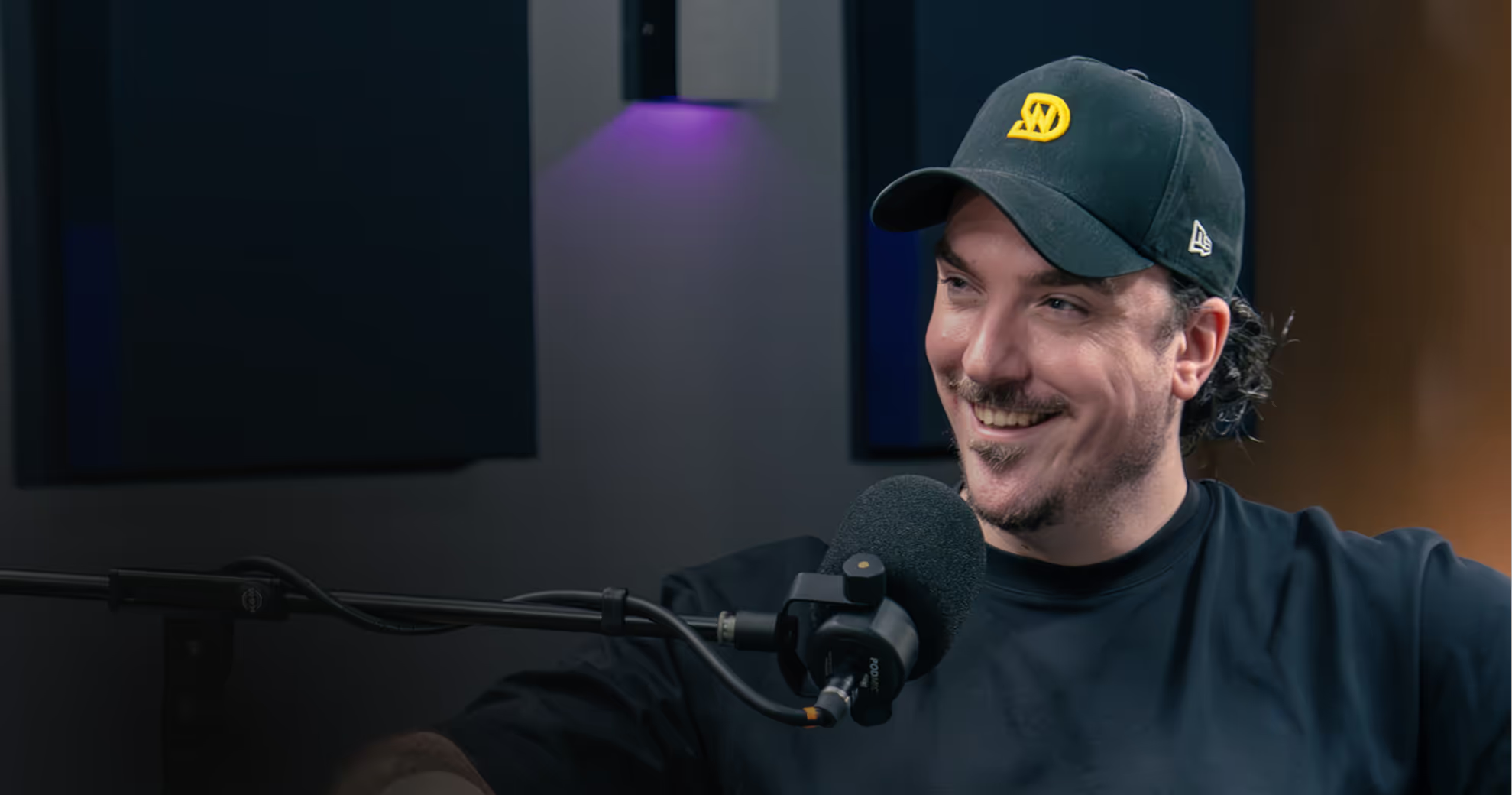
Work With Me
Enquire With Dain’s Team
Enquire For Speaking
Let's Get You Branded
Apply to be a guest
Dive into insights from industry leaders and experts.
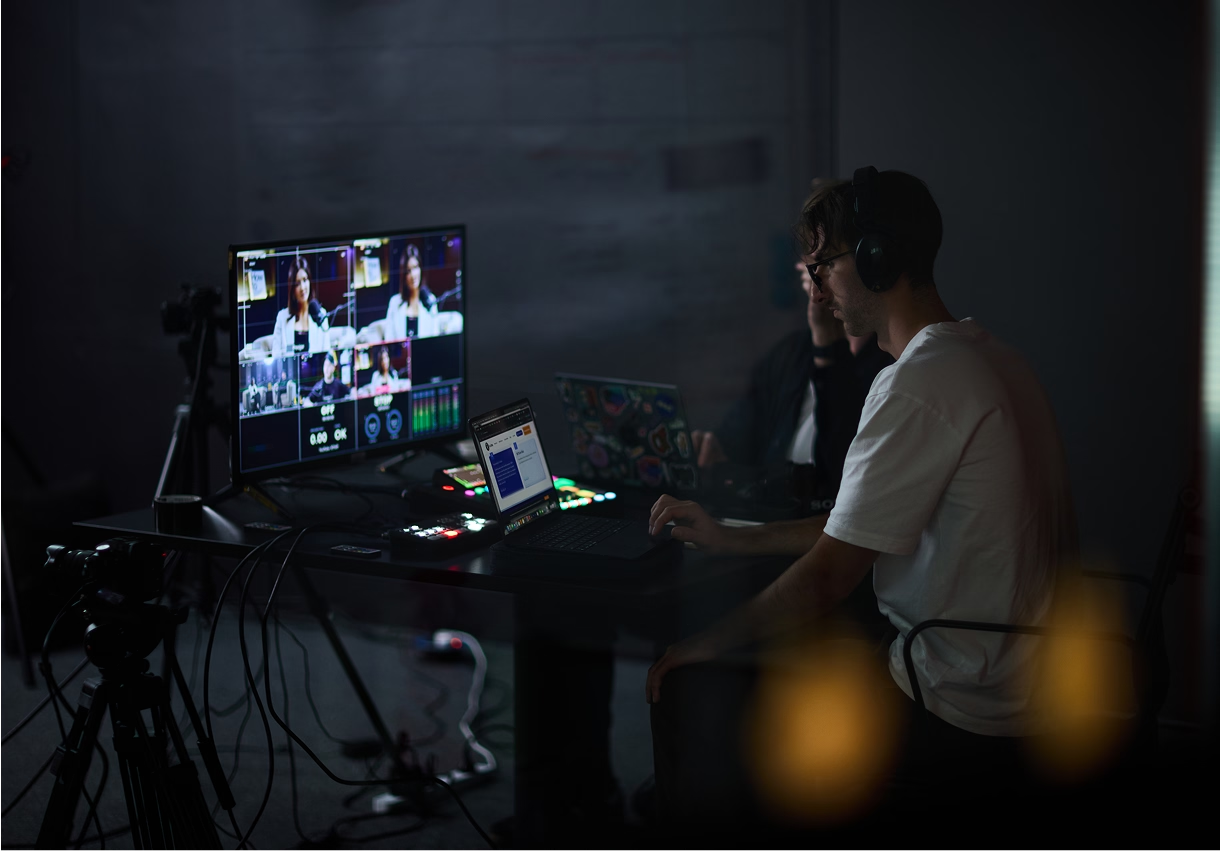
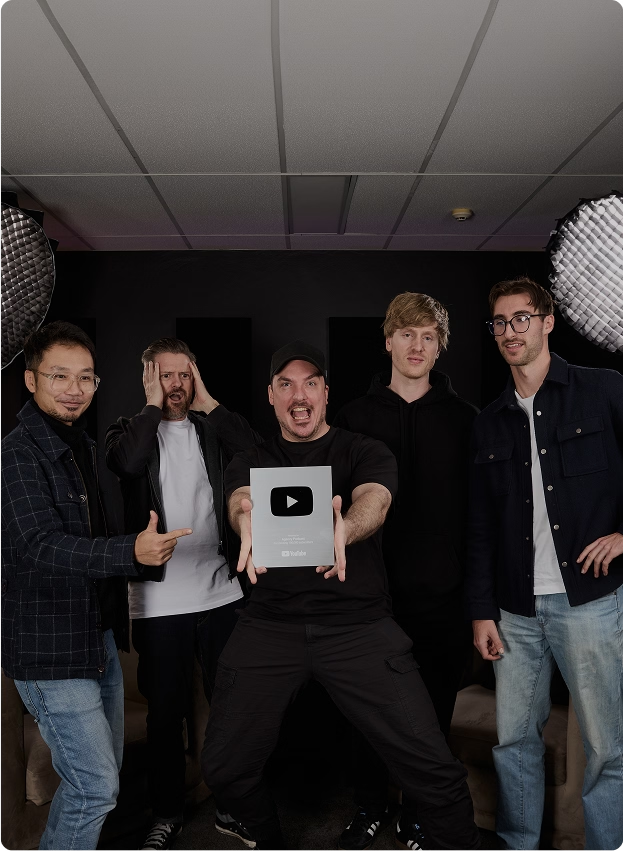
Stream now
Dive into expert advice and industry trends.