


TLDR
Summary
The success of The Diary Of A CEO (DOAC) is not the result of a massive corporate machine, but rather a high-agency, startup-minded team rooted in ruthless experimentation. Grace Miller, the show's Head of Experimentation, emphasizes that achieving global longevity requires a culture where "A-players" are encouraged to push through "paper walls"—fake rules and corporate bureaucracy that slow down innovation. By utilizing a specific experimentation framework—hypothesis, measurement, and single-variable determinants—the team treats content creation like a scientific lab. From testing Steven Bartlett’s facial expressions on thumbnails to introducing physical props for guest retention, every decision is data-driven. This unfiltered approach proves that podcasts can scale to millions by prioritizing extreme curiosity, rapid testing, and an obsession with providing free, high-value education.
Highlights
- The Experimentation Framework: DOAC uses a rigorous process involving a hypothesis, a single variable for measurement, and a pre-determined determinant of success or failure.
- Tearing Down Paper Walls: A core philosophy of the show is challenging "fake rules" (like mic placement or production schedules) that people assume are mandatory but actually hinder progress.
- The "A-Player" Culture: The team prioritizes hiring individuals who are passionately curious and willing to go the "extra 1%," often vetting them through a custom "Culture Test."
- YouTube Growth Hacking: Success on YouTube comes from obsessing over back-end analytics, search terms, and constant A/B testing of thumbnails (e.g., adding Steve’s face or testing hand shots).
- The Power of Props: Physical items, like a real human brain or old photos, are used as "pattern interrupts" to significantly increase viewer retention in both long-form and short-form content.
- AI as a Multiplier: The team views AI not as a replacement for humans, but as a tool to automate admin tasks and manual testing, allowing staff to 10x their creative output.
- Public Recognition: To foster a culture of risk-taking, the team awards "Experimentation Trophies" (large Martian/spaceman statues) to staff who run the best tests each week and month.
- Intentionality Over Cadence: Grace argues that many podcasts fail because they prioritize a weekly schedule over quality; DOAC will pull episodes that aren't "world-class" to protect the brand's reputation.
Transcript
00:00:00 - 00:00:57
What's your relationship like with failure? >> When Steve said, "Oh, would you like to start a team called the experimentation department?" >> This is the experimentter of the week trophy. >> Going and failing isn't the point. We're not just going out to intentionally fail. >> Goes to the person that has failed the most. >> Like, we want to succeed. We want an 100 million YouTube pl. There are all of these fake walls or rules around us in life. and how do we
00:00:29 - 00:01:21
break through those fake rules where it's like no you can't do that it's like but why we have like an experimentation framework the experiment so what are we going to do and your hypothesis so what do you believe is going to happen and the measurements so your one variable and then the determinant which is what we'll deem it a success or a failure and now I'm going to make you question everything you're doing the most important part Michael Phelps like jump into a pool would predict everything that could go
00:00:56 - 00:01:41
wrong that what am I going to do if I slip off the board or don't flip at the end and miss pushing off. And so he would almost pre-predict the failure. So then he knew if that happened, how would he respond and then go on. >> What was the first thing you're like, "All right, that's what I'm going to tap." >> YouTube, look at every single page in the analytics. So go into search and understand where people are coming from and why. You can then growth hack your
00:01:19 - 00:02:15
algorithm. >> What are some of the things that people don't really think about that can be massive contributors to growth on a YouTube channel? This episode is brought to you by Wix Studio. Here at the Agency podcast, we're building a community and we would love for you guys to be a part of it. So, we would love to hear from you. What are you enjoying the most? What would you like to see more of? And what do you think might be missing? Drop a comment. Make sure you subscribe. And now, on
00:01:48 - 00:02:43
with the show. Grace, you've been working with Steven Bartlett and Dio CEO from the early days. Can you paint a picture of what that was like then compared to where it is all now? >> Yeah, we were we started in Steve's apartment in London and Steve's apartment. >> Yeah, it was like a studio in the kitchen area kitchen and dining room and then we would kind of work there as well and there was a floor below that had desks that we could work on. >> Well, this like early days.
00:02:15 - 00:03:05
>> Yeah, really early. There was I think I was number seven so it was very early. >> Holy. Yeah. >> Which didn't feel early back then. I thought I was late to the party. I was like, there's already five or six other people here. I was like, this is odd. Um, I'm not early. But then now looking back, it was very early. Um, and we used to sit around, we would all kind of be around one table, help out with anything each other needed. It was kind of like all hands- on deck um type of company,
00:02:39 - 00:03:39
very startup vibes. Um, and then now we are Flight Story, have over 120 employees in a multi-story office also in the same area of London, which is still nice to be around. Um, but it has grown so much. We have five shows under the agency now. Um, so it's changed significantly from the early days of sitting around one table. Now there's so many different desks and people. Um, but it's still a great opportunity to be a part of and having so much fun while doing it. >> Is it strange seeing the company go
00:03:10 - 00:04:04
through that many evolutions that quickly? >> Yeah, it's now looking back. At the time I didn't realize when I signed up I was like this is cool. Looking back, I'm like, gosh, there's been so many different lives of the podcast and the company. Um, and even how everyone has evolved and grown themselves as well from like being very hands-on to now kind of going into different niches in their areas and also growing up and becoming more mature in our like experience and learning because at the
00:03:37 - 00:04:29
start we were all like, what is podcasting? Um, and now we're like actually yeah, we do kind of know podcasting now, which is nice and we'd hope so. arguably the the number one podcast on the planet when it comes to entrepreneurship. Yeah. >> Uh so so when you think about the team and the dynamics, just to I guess paint a picture for those that don't fully understand how massive this enterprise is, could you explain uh from the outside looking in when you think about Steven Bartlett Dire of CEO and all of
00:04:03 - 00:04:58
these different interconnecting agencies, how should people look at it? Yeah. So it started as just the D of a CEO um and Steve's personal brand that we used to work on and then it became Flight Story. So we have five other podcasts under the agency but then we also have other departments like Flight Books which which is a book publishing. Steve has a fund where he invests in businesses. Um so we kind of get to work across all areas and support them all through well my area is experimentation
00:04:30 - 00:05:25
and failure. Um, but it's nice to be able to work across all areas of the business and it's just grown so much. Like I didn't think at the start we would be helping grow other podcasts. And for example, um, we need to talk with Paul Brunson. He just hit half a million um, YouTube subscribers. Oh my gosh, congrats. >> Literally, I know literally this week um, which is amazing in such a short amount of time, but it's because of the learnings from the Dar CEO that have allowed us to scale those shows at such
00:04:58 - 00:05:50
a quicker rate. It's remarkable to think about how much of a cultural impact I believe the show has had on myself, my team here, and what we're doing. We're very much inspired by by what's happened with Stephen and the team. If you think about the different evolutions that the team went through, could you maybe highlight some of those phases that you experienced and what was what was that like? >> Yeah, like even before I got there, there was I think four core people at the start and like Jack was one of them.
00:05:24 - 00:06:20
Obviously, he directs the show and it kind of started as then it started growing. So when I started in January, um there was kind of a phase. So I was one of like a maybe four of us at the start. Um and it grew and so we would do like hiring phases almost, not intentionally, but it waves of new people. >> Yeah. It would just kind of happen. And then um so we were like the first I guess addition of the team getting slightly bigger. Um which was I came in in marketing and social media. Then they
00:05:53 - 00:06:44
that's when they started the trailer team. So Ann and Liv came in um just a few months after me. And then Jem um who does all the producing of the guests, she came in. So we all kind of came in within like six weeks of each other which was really fun. Um and then it slowly started to grow and it was kind of different areas. So we had like we were like we need to build a commercial team because you need sponsors or ad revenue from a podcast. So that was the next step or the trailer team was a
00:06:18 - 00:07:16
perfect example of it was Jack and Berta doing the episodes and trailers. Um, and so it was getting additional hands on board to help do those things. Um, and then it kind of actually snowballed from there and it was like, how do we scale more people in the social team so we can do more things or um, like within the editing team in general, it's like, how do we get more people to help make two shows a week? Cuz when I started, we were still doing one show a week. Um, and so I think it was maybe two months
00:06:47 - 00:07:44
after I started, we started doing two episodes. Um, and it just absolutely skyrocketed from there. Just having known how much effort it takes to do one episode a week here. Two terrifies me. >> Yeah. >> When when you say two, it doesn't seem like a big deal, but what kind of a leap was that for the team? >> A lot. And it took a lot to get there, but still it was quite a small team. Like at the start, it was Jack and Berta doing long form and then Ann and Liv doing trailers. So really at the start
00:07:15 - 00:08:10
it was only And don't get me wrong, that was tough work. um not having way more people and hands on board to do it, but they did it because they're amazing. Like they're actually we call them A players um and that's what we still look out for today as a players, but they just did it and were talented enough to know how to do it, how to get it on time and also make it world class that we got to where we are today. >> Yeah, there's been plenty of u late nights here or early morning starts
00:07:43 - 00:08:36
where um you know things can go wrong too, like with YouTube flagging things or whatever. We've been through all of those different roller coasters. Can you paint a picture of what the infancy team might have looked like and how many people were there and what they were really focused on before it kind of >> turned into what feels like it has turned into some kind of meteoric rise and a global sensation. >> Yeah, I I love that question because I think when people start a podcast, they
00:08:10 - 00:08:58
look now and they're like, "Oh my god, there's 120 people behind Flight Story." It's like actually you don't need that many people to become a top podcast in the world. You can still do it with a really small scale team. So we had Jack who directed the podcast. He would edit and record. He was like the person in the studio doing it. Incredible. And he's probably doing the job of multiple people, but he's just talented enough to do it. Um then there was Grace, same
00:08:34 - 00:09:32
name as me. So Grace, Holly, and I all in the social team. So, we were doing all of Steve's socials, paid, organic, email, um, community, and we would also help with like the marketing for events or books and things. So, there was only three of us in that team. Um, and then the trailer team, two of them. We had um, GEM and then another person in guest booking or PR. So, there was two of them in that. And then we also had a research team, which started as just one person. And today because of all the shows I
00:09:02 - 00:10:05
think there's six or plus hiring more now um in the research team. So to begin with it was really small but we were still able to turn out a high volume of content because people just worked really hard and wanted to work really hard because they love it. >> When you say uh agrade some people uh can struggle to identify what exactly that means from your perspective. What do you classify as like maybe an A or B or a C type person? >> Yeah. Oh, I like that. Um because I'm so passionate about not working with anyone
00:09:33 - 00:10:23
other than an A player only because not to say that I'm an A player, but I want to work with A players because they are the ones that inspire and motivate you. And there's a girl on our team who is one of the biggest A players. Her name is Natasha and she leads all of our product. And anyone who works with her goes, I love working with her because she is so dedicated, driven, trying to build something. Um and I think the A players are the ones who are so passionate about what they do. And you
00:09:59 - 00:10:50
can get that just by being in a room for 5 minutes. Um, and they're willing to go the extra mile. Like do the 1%, find any way to get something done and not just go, "Oh, it's good enough. We'll just go home." Um, and that's what I think is a C player is someone who just turns up, does the work, it's fine, but they're not willing to go the extra mile and do more. And I don't mean that in a you have to work overtime, you have to like burn out because that's not the goal.
00:10:25 - 00:11:09
the goal is to be so passionate about something and put your all into it while still also being able to have a life. Um, but yes, I would say an A player is just someone who goes above and beyond all the time and you want to surround yourselves with them. >> I I love that we we do something very similar here and I think, you know, for us it's >> it's that passion. You want to see that person light up and put their joy into something as well. Yeah, >> when you think about the team now and
00:10:46 - 00:11:41
how they tend to try to vet out these types of people, what are the traits, the behaviors or the indicators you look for to go, this person is someone who fits that criteria? >> Um, it's funny, not plugging it, but Steve built a test called the culture test purely for this, and he um it's basically gets sent to every single person that applies for the company, and they answer. It's kind of like any sort of survey or test that you do online for different things and but it's based on
00:11:14 - 00:12:07
our company culture and people can build it on their company culture and it asks questions so that you can understand someone's almost personality before they come into the company. So in an interview you might ask them a question and you'll get the response they think that you want to hear. Whereas in this survey you'll probably get the response that is actually truthful. And so it's things like um what would you do in a certain situation in a workplace or how would you present this in a meeting or
00:11:40 - 00:12:38
what would you say if an employee said X to you? Um and it really dives into the culture of the people and there's like a certain level of um response that we want before someone's then interviewed which is quite exciting because it didn't exist when I was there but I have since done it and I scored well thank god. >> Oh thank god. Is it automated the score or is someone like uh judging it essentially uh by hand? >> Well, each answer has like a waiting and then so it's kind of adds up to
00:12:10 - 00:13:02
>> interesting. So, it has a bit of an algorithm to it. >> Yeah. Which is cool. And I think when I did it, I was like actually all of those questions do really relate to the work and are towards that like a player mentality. Um and so it it was pretty accurate. >> And what some of the might those criteria be? And we don't want to let people at home have cheat codes if they're applying, but what's some of the things that that you're looking for? >> I it's definitely like the working hard,
00:12:35 - 00:13:30
the passionate, the are you willing to challenge the norm and say, "I disagreed with you. How do I disagree? Is it politely? Is it rudely?" And like being able to feel comfortable enough to push back and share your ideas. And so it's really kind of finding those pe like pieces in someone's personality. Um, and then being able to pick them out because in an interview some people can interview really well and not be good at a job and then vice versa. Like I don't think I interview very well when I go
00:13:03 - 00:13:56
for a job. Not that I have ever apart from um here but um I think I can get like a little bit nervous sometimes whereas then when I'm in the role hopefully I then impress but it's hard to get past that. So I think the culture test is a good way for us to see someone's personality in case they don't perform in an interview but they are actually amazing. When you think about looking for the criteria, not that someone's going to be disagreeable, but they're going to have enough confidence
00:13:30 - 00:14:36
in and of themselves to pitch an alternative idea, per se. >> Yeah. >> Why is it that, and I've seen this before, do you think some founders tend to look for teams that are only agreeable versus the ones that are um intentionally going to um not be unruly, but but push back on some ideas. I think it depends on what type of culture you're building >> and where you want your company to go. I think you actually have to have a team that can politely disagree because you'll get further. Like someone
00:14:02 - 00:14:49
has said to me before, actually I don't think you're very good at that area even though I knew I wasn't good at that area. It wasn't in my role. It was something else within the company. And I was like, okay, fair. Like I'm fine with that feedback and like thanks for being honest. or if you had an idea and you debate on whether it's right or wrong. The healthy debate is actually where we're going to progress and learn, not just going, "Oh yeah, I agree." Or then
00:14:26 - 00:15:13
the other side of that is if people are all agreeing, is it just no one has the confidence to speak up and say they disagree? Even though they don't agree, they're just >> doing it because they think they have to listen and say what's right. Um, so I think it's an interesting one. And even like with management, like in our company, we're allowed to say, "Hey, I think we could do it this way and try it." And that's the whole experimentation piece is we're allowed
00:14:50 - 00:15:40
to say, "Hey, can we test this as an experiment and see what works?" And then the data proves what's right and wrong, not someone's opinion. >> I like what you said there about if you have a politely disagreeable team, you can go further. >> What What do you think that breeds culturally when it starts to ripple throughout a company or team? uh hard work and growth. I I think it's so obvious >> because you create like some friction to get some more progress than you
00:15:15 - 00:15:57
otherwise would have if everyone was like, "All right, that's fair enough." >> Well, and trust and it's like respect for one another. So that person that said to me, "Actually, I don't think you we're still good friends." Like it didn't change our friendship. I actually respected him more by saying, "I don't think that's your strength and he knows my areas of strength." And so I think being able to politely disagree, maybe in half an hour you'll be frustrated at
00:15:36 - 00:16:28
that person, but then you go and be like, "Actually, they're amazing. Like we can comfortably disagree, but also go and achieve amazing results." I think that's the end goal because if everyone just sits there and goes, >> "Yeah, like that's okay." Then it's like quiet resentment over the job and you're like, "Actually, then you go home going, should I have said that I didn't agree?" And what we want is like people to feel the psychological safety to say I agree
00:16:02 - 00:16:49
or I don't agree and why. Um and that's in every area of the business. It's in experiments. It's in work. It's in an edit or a trailer. And people can share their feedback. And that's also the hosts that share that feedback as well. It's not just um the team. The host can also share feedback like that. >> Oh, I love that. And if you think about that, making sure the right people fit that environment can either work for you or against you. if people do tend to get
00:16:25 - 00:17:16
a little butt hurt by some feedback um you know that could that could create a negative environment as well. How does uh the team integrate this into the team versus just having it written on the wall or something or having some value in a brand guide somewhere? How does the team actually make it a reality in the business? >> Yeah, I think it's a mix of who you hire at the start. So the culture test definitely brings in the people who are comfortable I guess giving and receiving feedback
00:16:51 - 00:17:48
>> by default without having to be instructed. >> Yeah. But then it's also I guess management being able to nurture people's skills and like um I did an amazing um like subject in university on crosscultural management and how even different cultures kind of receive and give feedback in different ways um whether you're in America versus UK verse Japan. Oh and how they like to give and receive feedback which was super interesting. And so I think it's not so much we can only give blunt
00:17:19 - 00:18:10
feedback cuz that's not true. Sometimes it will be um more polite feedback, but I think it's we want a culture where people feel comfortable just to share their thoughts because we don't want people to like go quiet and not share it because what if that's the idea that is going to get us another million subscribers >> and they didn't say it. >> Yeah. >> Like imagine if you created a culture that was people felt like they couldn't share their opinions. >> I think that is the scariest thing that
00:17:44 - 00:18:41
could possibly happen in a business is your team won't share their ideas. Um, and I know people are like, "Oh, it's a stupid idea." Like, no idea is stupid. It just might not be the one that's used. Um, and that's fine because share it if we don't use it, but maybe we'll come back to it later. Like, you just never know where sharing that idea or opinion could go. Um, and so we always encourage that um, as any way we can across the business. >> If you want to grow your agency, you
00:18:12 - 00:19:21
need more than just a website builder. You need Vick Studio, the all-in-one platform that's built to help you scale. Design smarter in a hyperflexible, responsive editor, cherrypicking whatever clients need from pre-built UI elements and templates. Deliver robust backends with built-in e-commerce solutions for every industry, letting self-maintaining infrastructure just run itself. Stop reinventing the wheel with every project and instead create a sharable design system with reusable assets, apps, and components. Clients
00:18:47 - 00:19:58
growing too fast? No sweat. Wick Studio AI powered CMS lets you turn a single layout into hundreds of additional dynamic pages. It's true. More clients no longer has to mean more chaos. W Studio gives you one centralized view of every project and makes realtime collaborations seamless. Do your agency's best work at scale. Build your next project on Wix Studio. >> Having gone through different sizes of running a company. We went from a team of three to a team of eight, 15, 30. Um there are stages where companies do go
00:19:22 - 00:20:08
through storming and norming. Storming like everything's hitting the fan and then it's back to normal again. Have you had those experiences where things went crazy and then normalized uh from the beginning? >> I think it's always been crazy. >> Never stopped. >> There's definitely like um fast and slow times. I would say like sometimes we will have an episode that is recorded 2 days before release. >> Whoa. >> So then it's very crazy. >> We've never done that. That's
00:19:46 - 00:20:46
terrifying. >> Yeah, there's and that happens quite a lot. Um I think probably what most people would be surprised about with DOAC being one of the world's biggest podcasts is the turnarounds are still quite tight. It's not like um some podcasts that have been on record 3 months in advance. Um sometimes it is the week turnaround. Um which is yeah a challenge I think for the team but shows how talented they are being able to turn around like the trailer team. Turning around a trailer in a few days is
00:20:15 - 00:21:17
absolutely insane. Like they are just the best. Um but I'd say in terms of storming always storming. I don't think I think that then becomes norming which is hilarious. So, it's like the same thing for us. Um, but it does come >> in peaks and troughs, but really it's kind of always busy. There's never a slow period for us. Like, I thought, oh, Christmas might be slow. And then we decided to launch um a Spotify channel for Dar CEO. So, and it wasn't slow. And so, it's always just there's always
00:20:46 - 00:21:47
something happening and something to do. Um, which is why I love it. >> Yeah. If you think back to the show and and how the company kind of scaled, was there a specific moment where things really started to change? >> We It's very early, but we hit 1 million subscribers. Um, and we had a hilarious a DOAC rave in like this club in London and invited everyone down. And I think some people thought it was going to be like Steve on stage talking. No, it was DJs. >> Wait, Steve was DJ?
00:21:17 - 00:22:16
>> Yeah, Steve DJed. It was like a lineup of DJs, professional DJs. But it was like a fullon party rave thing which was hilarious. >> And I think that was fun even though it was really early days. I think it was fun because we hadn't done anything like that before and we actually got to celebrate 1 million which felt very big at the time and then recently last year we hit 10 million and we went for like a really nice team dinner. Um which felt super intimate cuz there was only about
00:21:46 - 00:22:42
10 of us there even though the team is 120. >> Oh really? Um it was just like the very early days um core do team and it was nice to kind of rekindle >> like what the feeling was like at 1 million also felt the same at 10 million but it also doesn't feel real at all like when you're putting out an episode and you're like 5 million views or 10 million views. It's like you can't comprehend 5 or 10 million people. It's as I'm sure you experience or maybe you
00:22:14 - 00:23:10
can maybe you can comprehend it but I'm like it's hard to imagine that many people. I couldn't even imagine like a thousand or 100 thousand people in a room let alone 10 million. Um so yeah it's I think for us been a very interesting journey of understanding and kind of coming to terms with the success and be like actually we have achieved something. Um because it still feels like there's so much more to achieve like it never feels like you've hit the goal. Yeah. Do you think that if you're
00:22:42 - 00:23:29
looking at the future now, the team have a comprehension of where it's going to go at this point in time? >> I'm a very goalsoriented person like my whole life. Um, not like a well, yes, five year plan, but not that. I'm just like I love a goal. I love monthly goals because I think if you don't write it out or have goals to hit, you're not going to hit them. And so I think for us, like even though we've hit 10 million or 15 million YouTube subscribers, there's still so much
00:23:06 - 00:23:56
further to go. It's like we want an 100 million YouTube plaque. like they're so cool. I was like, why would we not settle for that? Um, and so yeah, there's a lot of a lot of goals, but that's the most exciting part is aiming for them and trying to achieve them. >> I'll have I have no doubt you guys will do that. Absolutely. There's one particular episode that really sticks out in my mind, and that was the Mr. Beast episode. Selfishly, I'd like to know what happened behind the scenes
00:23:31 - 00:24:25
because I remember watching the chaos that ensued trying to get the right time coordinated and then he's running around at 3:00 a.m. trying to, you know, check out the stores and chocolate. Like, what's it like dealing with some of these big characters and coordinating these schedules around the show? >> Yeah. So, Jem, who does all of that in our team, is the most amazing person. She is resilient, I think, is the best word because trying to deal with not only Mr. schedules, but every guest
00:23:58 - 00:24:55
schedule is insane and timing where they are in the world to where Steve is in the world and how long they have and making sure it all aligns. And obviously Mr. Beast is one of like the biggest YouTubers in the world and his time is of the essence when it's things like that and things happen. And I know Steve on that day was um at the final like announcement of um Beast Games winner. And so they filmed that then ran off to record and it was actually a really good episode even though it was filmed so
00:24:27 - 00:25:17
late at night. Yeah. And you would never know like you would and that's kind of what's cool is all the lighting. People would never know what time of day it is. You could record all day every day. But I think this is this is so crazy for a team though because if you think about >> um you know HR and team dynamics to get a team to show up to a set at 3:00 a.m. and and go all in on that that's that's pretty special. >> Yeah. And that's what I mean about a players is it's people who love it. Like
00:24:52 - 00:25:45
they genuinely love what they do. And that's why I've stayed at the company for so long is because everyone at the early days was willing to do whatever it took to grow it because they loved it. And it's when you love something, I don't think you experience like burnout or like anger or anything. I've never experienced burnout because I love it so much that I'm like, I enjoy this. And I also know when I need to go and have a sleep or when I need to do something. But I think when you love it, like Jack,
00:25:19 - 00:26:13
who was there recording the Mr. Beast one, he like insane hours, but he just loves what he does and he was like, "Let's get it out." Like they go and do all the thumbnails. Like it's just so energetic and buzzy. And also when you're around people like that, like Beast Team are insane as well. Like I met them all at um the 1 billion Follower Summit in Dubai. Um because he was like the headline of that and they just move through everything. Like they're so smooth. There's there's a lot
00:25:45 - 00:26:38
of them on hand obviously. Um but they're a really well-run team in terms of they have to be everywhere all at once. Um but it's hilarious cuz even we had like a speakers dinner out in the desert and Jimmy turned up and I was like what the hell? And then we were like right and I was like this is weird because you're the biggest YouTuber in the world and you're just coming to a dinner with other speakers from the event. But it was really nice because it was almost like he wanted to interact
00:26:12 - 00:27:02
with people and learn which I loved. Um so I think it's the passion from our team but also from his team and Jimmy as well for he wanted to do that. He was like I don't mind doing it at 3:00 a.m. >> It's a strange thing to think about when you see these people in the public, you see their social channels. They're these massive stars and then here you guys are just hanging out in the studio cracking jokes, right? >> So I I I quick story I I remember um I was speaking at an event together with
00:26:38 - 00:27:24
uh Daniel Priestley >> and um Steven Butler was actually there. >> Yes. >> But um Daniel Priestley >> I remember him just separating a crowd and he spotted me and our producer Cam. He's like, "You guys, are you guys Australians?" And we were in Romania at the time. We're like, "Yeah." He's like, "Man, I want to hear your accents." And I was like, "You're going to be so disappointed in my accent." Um, but we hung out with Daniel Priestley for a
00:27:01 - 00:27:47
couple days and he was telling us this story about how Steven really can't go anywhere now. >> And he's like, "Dude, if he's at the gym, people are interrupting him. If he's walking to get coffee, people are crowding around him." And he said, "There's this one story where Steven was getting off a flight and a guy ran off the tarmac, came up a ladder, popped up and was like, can you sign my like clipboard or whatever it was?" So when you think about the the stir or the
00:27:24 - 00:28:25
phenomena around these people, how has the team kept its core creative flow while all of this is happening on the outside? >> Firstly, love Daniel Priestley. >> Oh, he's a legend. >> Yeah, he's so honestly just amazing and a really lovely person, which is nice when someone's successful and they're also a really nice person. In terms of all of the craziness, we are almost shadowed from it because we're in the office, which is actually quite nice in a way. Not all the time. Um, in terms of
00:27:54 - 00:28:48
we still get it when we go to events or on LinkedIn and things. Um, but for focus wise, it's perfect because we're in the office, we can focus, we do our job, we turn up and love it. Steve is the one who experiences all the craziness of people coming up, which is hard. Like I It's funny because to me, he's Steve. Yeah. >> And I'm like, >> we used to work in his apartment. >> Yeah. And and it's like we joke around and like I can take the piss out of him and like
00:28:21 - 00:28:56
it's just funny and we don't care. Um whereas I'm like actually maybe I should be a bit more professional now. >> Especially when the new people are on the team, they're probably like, "Whoa, you can't say that." >> Like when he comes in in a different he usually wears all black and when he comes in in a different outfit, I'm like, "Oh, what you wearing today?" And then I'm like, "Actually, maybe I I need to find it back." um even though he
00:28:39 - 00:29:35
loves it like he and that's what I love is he's hilarious offscreen and I'm like come on you need to show all your comedy on camera because you're so and he's like a really hilarious lovely person. Yeah >> cuz even then behind the diary it's it's very tempered. >> Yeah he's he's so funny like and loves a joke. Um which is yeah nice. Um but it has been interesting seeing him like become more and more known in the world. Um, and obviously like back in the day
00:29:07 - 00:29:56
he was somewhat known more in the UK. Um, but we would like go like I think we went to a Travis Scott concert once or something and we were just in the mosh pit and like some people came up but not that many whereas now I know a lot more people would come up and be like oh can we have a photo um or something and it happens to him all the time now. Airplanes walking down the well he doesn't walk down the street because when he does walk down the street there's too many people. Yeah, it's an
00:29:32 - 00:30:25
interesting dynamic seeing someone go from >> less still known but less known to like now known across the world. Um, and I know he has said on podcasts and in media that he also is like coming to terms and understanding that as well of what it's like. >> Now, Grace, I want to dive into your world, your mind, and what you're doing with your time. >> Being someone who's seen all of this change and transformation, you've now landed a new role where you're head of
00:29:58 - 00:30:49
experimentation and failure. Yeah. >> Uh so when you hear failure, I think people tend to get a negative reaction of like, oh, that's a bad thing. We don't want failure. What's your relationship like with failure? And how do you see it? Uh when it comes to integration into a company? >> Yeah, I don't think anyone likes failure. Like I still don't like it that much. >> But you're head of failure. You got to like it. >> Even though I failed a lot, um I still I
00:30:24 - 00:31:22
think it's annoying. But but it's the reframing the mindset of being like actually it's not annoying. every time I fail, I'm learning something new. Um, and that is through my whole life, not just this job. Um, and I didn't really realize it before being in this job of how important failure was and how those failures along the way had led me to the role. Um, but I think now the more we fail, the more we're able to learn faster and we constantly encourage that. But it's not just I think there's a con
00:30:52 - 00:31:43
uh like a perception online of like you need to just go and fail and going and failing isn't the point. It's going and experimenting and if a failure happens along the way that's fine but we're not just going out to intentionally fail like we want to succeed. Um but it doesn't matter if failures happen along the way. >> So you mentioned reframing. Do you tend to look at the reframing uh before or after an event takes place or both? >> Yeah. Um so we always do it at the
00:31:19 - 00:32:05
start. We'll be like what is going to happen like or what do we predict to happen when we're ready? >> You're always predicting if we do this experiment. How do you tend to look at it and how do you tend to prepare for that? >> Yeah, we go in and we have like an experimentation framework and you can kind of do this in any way that you want depending on your company or what you're building whether it's a podcast or something else. Um, but what we'll do is we'll go into our experimentation
00:31:41 - 00:32:34
framework and one of the like core metrics within that is like what is our determinant? So what is going to deem the experiment a success or a failure? And like we put parameters in place. So, and we're only using one variable in that as well because sometimes when we're running experiments, someone might be like, I want to measure these five things. And I'm like, well, if three of them succeed and two fail, how are you telling if it's a success or a failure? And then they're like, oh. And I'm like,
00:32:08 - 00:33:09
yeah. So, we need to just have one where possible because then we actually have boundaries and parameters. And so, we go in and we go, if this happens, it's a success. If this happens, it's a failure. And why? So, we know what's going to happen before. And we also know the potential loss if the failure happens. So we know say if we if this happens we might lose £100. >> But are we willing to take that risk? Yes or no? Of course. Like that's maybe small money for um the experiment to
00:32:38 - 00:33:31
potentially be a success. Um and so we run that experiment, see if it works or doesn't. And then we also reassess after. So the most important part is also the ending of what happened, why, and then what are we going to do next time? even if it's a success, it's like why did it work and then how can we then apply it to all other areas that also use that type of experiment. >> I like how you're saying you're pre-determining the negative outcome that's likely to happen and you want to
00:33:05 - 00:33:55
keep it linear so you're not overlapping ideas. >> Yeah. >> You talked about having a framework uh before we dive a little deeper into how you tend to >> integrate this into the company. What is the framework that people should be thinking of and how might they apply it to their business? Yeah, you can really tailor it. Ours has like the experiment, so what are we going to do? Um, your hypothesis, so what do you believe is going to happen? Um, the measurements, so your one variable, and then the
00:33:30 - 00:34:19
determinant, which is what we'll deem it a success or a failure. And I think I loved what you just said um about like how we predict what the outcome will be. And there's a really um interesting piece on like Michael Phelps before he would like jump into a pool would predict everything that could go wrong. So he would he would predict every scenario that could go wrong and he would look at what is the answer to that. What am I going to do if I slip off the board or what am I going to do
00:33:55 - 00:34:45
if I >> don't flip at the end and miss pushing off? And so he would almost pre-predict the failure. So then he knew if that happened, how would he respond and then go on. And I think that is the coolest part of prediction or experimenting is if you can know what is the failure and you're okay with that potentially happening, then that is the worst that can happen and you know what you're going to do if that happens. Um, so I love I would love to meet him and talk about that one day. But I love it
00:34:20 - 00:35:14
because I'm like that's a really cool example of how someone took failure and reframed it and thought if that happens, what's the worst case scenario? Um, and he made it like not as bad, which I love. >> Okay. So, do you have an example of something that maybe happened in the early days uh as this new role was taking shape? >> Ooh. As in a failure or just an example of what we were doing? >> Perhaps something that happened in the company where you were conscious, okay,
00:34:46 - 00:35:46
this is the experiment. Yeah. And this is bad, this is good. Uh, and just take us through what that might have looked like. >> Yeah. I think a perfect example is like the framework and like for experimenting we didn't really know at the start like I think one of the examples that I showed of experimenting but not realizing I was experimenting was I used to run all of our paid media and when we were doing it we would test different demographics so where they were located or their state or their age or interests
00:35:16 - 00:36:08
um and that would be every episode and I'd be like this is what we learned so this specific age group converted in this way compared to this age group or location. Um, and I would share that every week. And then when Steve said, "Oh, would you like to start a team called the experimentation department?" I was like, "Oh, I now get what experimenting is." >> Oh, okay. >> Yeah. I was like, "That makes sense." And so then when I got into the role, I was like, "Oh, what is like what
00:35:42 - 00:36:35
framework do I come up with?" So the perfect example of that of being like, "How do we was testing the framework as well." It's like, and it is still evolving. >> I love how organic this is. So, can we just rewind the tape for a second? >> Was this like a passing comment that he was like proddding you for you got excited and then it became a thing or was this like a really conscious decision? >> Um, Steve is a very spontaneous person in the best way possible and it was a
00:36:07 - 00:37:07
hey come over here and do you want to start a team in the experiment called experimentation. um he'd seen like Amazon, Google, all of those sort of companies have experimentation departments and he was like I want to start something like that to basically help growth of the company. That's the aim is how do we grow every area as fast as possible and I thought h okay I I had no idea what it was. So, I was like, "Okay, I'm going to have a think." But then I was like, "Actually, it sounded
00:36:38 - 00:37:26
like a really interesting step from marketing and social media where I still got to work with that team, but I got to try something new and challenge myself." And I think that the whole time I'd been in that team anyway, I'd been experimenting, but not realizing it was experimenting, which is quite cool. >> Do you think he spotted you doing that by default, read an article somewhere, and just put two things together and thought, "Let's try that." >> He is pretty clever like that. probably
00:37:03 - 00:37:51
he's really smart at seeing something being like that person and knowing that they're like the right person for that. Um so he probably did and thought actually she'd be pretty good at finding ways to grow. And I love I think one of the parts that now resonates is like I love talking with people and I'll constantly think of things and learn from that. Um and I love the book Steel Like an Artist where it's like >> it's one of my favorites. >> Yeah. You take different ideas and make
00:37:27 - 00:38:11
it your own. And I think that's with experimenting now. I always do that because I'll learn different things from people and then be like have a light bulb moment of oh actually we could try this from all of these different conversations I'd had that kind of spun into an idea >> and so I think he realized I'm kind of an ideas person that also talks to a lot of people and we'll come back with these crazy ideas and then they're experiments and sometimes they work and sometimes
00:37:49 - 00:38:40
they don't. >> He's like this seems like a crazy role is a bit crazy let's all in there and let's figure it out. pretty much. He probably thought, who's actually prepared to fail the most and doesn't care about the embarrassment? That's probably what he thought. >> An Aussie for sure. >> Yeah, >> for sure. Okay, so then walk me through that. What was the timeline between this passing comment and actually No, that's your role now. >> Yeah. Um I want to say like a few weeks.
00:38:14 - 00:39:05
It was quite quick. >> Steve's a very like our whole culture is like move fast. Like not only fail fast, but move fast and everything. if you have an idea, let's test it and see if it works because you could sit on it for months and then someone else will do the idea and beat you to it. Especially with like moving like teams or roles, it was like, okay, you want to do this, let's try it now. Like, why do we have to wait? Um, and I love that about it because you're not sitting thinking
00:38:39 - 00:39:32
about a role for a year. It's like, let's test it now, see if it works. If it didn't work and the role didn't end up being a success, I could have gone back to the social team. But um yeah, two and a bit years later, I'm still um leading the experimentation team. But one other reason that it was a really good move from Steve rather than hiring someone externally is I already had the trust of all of the team for 2 years. >> So it wasn't someone externally coming in going, hey, you need to do this or
00:39:06 - 00:39:56
you should try this. Like it wasn't bossing about it was I've gained the trust with you. I've known you for 2 years and you know I care about you. You know I want this company to succeed. And so when I was able to then go and suggest ideas or trying something new, which also some people, not in our company, but some people can take offensively if I was to go and be like, you should change this about your work. Um, but I had that relationship with them to be able to go and build that,
00:39:31 - 00:40:29
which really helped, I think, being able to go down like the route of the comfortability and like psychological safety of experimenting. >> When I when I think about this and I imagine this, I too am quite spontaneous. However, the downside is um the team can get quite stressed by that type of energy. How has the team uh managed that level of constant change, constant adaptation? How how do they manage that stress? >> Yeah, I you're right. It can be stressful when things change a lot, but
00:40:00 - 00:40:46
I think Steve's really good at talking it through with the team. And so he'll be like, "This is thought. This is why we're going to change it or do this and go down this direction." And then people have the ability to ask questions or say, "What about this route?" And he's also open to other ideas, which is really nice. Like Steve loves, when I was talking about healthy debate before, Steve loves healthy debate. Um, and also the like if we disagreed, it's like,
00:40:23 - 00:41:21
okay, we all even if we disagree, we then follow that opinion and we go on board and we support it. Like we're not anyone's going to like go cry in the corner and get annoyed. Um it's more of like when something like chaos happens, Steve's always willing to answer questions. Even on WhatsApp, like he is available to all the team on WhatsApp um to ask questions to which is really rare and I'm sure he probably gets stressed about it as well um by like having bombarded with questions. But I think
00:40:52 - 00:41:38
it's so nice that he's willing to be there to have those conversations and answer questions if someone felt stressed or unsure about something. We also have an amazing leadership team now. It's not just Steve anymore. We have a good sea suite of directors to also be there to support. >> Okay. So, you're you're two or 3 weeks after this conversation. Now, it's official. Now, you've head of experimentation and failure. >> Are you staring at a blank piece of
00:41:16 - 00:41:57
paper trying to figure out what to do next? >> Uh, honestly, I was like, what am I doing? Um, because I I thought, okay, so now I'm not doing the social stuff. I was like, what do I do? >> What was the first thing you're like, all right, that's that's what I'm going to tackle. >> Yeah. Um, YouTube. Oh, for real? >> It was definitely at first I was like, "Okay, where do I start?" Which I think is the hardest part. >> But you're straight to YouTube.
00:41:36 - 00:42:28
>> Yeah, because that was our main focus area for growth. Um, because it's such a massive platform. Um, and also amazing potential. And so I would sit there and scour every part of YouTube. I know some people call themselves YouTube strategists. I would not call myself that because I don't like that title. Controversial. Um, but I am >> Get a better title, guys. I I'm just I think YouTube strategists I'm like you you never know if they're legit or not. That's the problem. That's why I'm like
00:42:02 - 00:42:51
call it something else. >> Um I they're probably all going to come and hate on me now. >> They're pretty odd. Yeah. Yeah. >> Um but I think I would go and sit on YouTube and just look at every single page and work out in the analytics and be like what's working, what's not, where can we find room for growth. >> And so it was kind of just sitting there looking at how do we improve? And I would go and make up different metrics to understand how we can improve like a
00:42:26 - 00:43:19
CTA or what can we do to add like create more revenue from the videos or should we start a new channel posting certain types of videos and really going in the back end and understanding even like where are the views coming from and what audiences and how are they generating revenue. Anyway, too nerdy but >> no keep going audience love this stuff. Yeah, >> but the point being is like I spent a lot of time doing that to then learn what works. Like I can probably close my eyes and tell you what, like to find a
00:42:53 - 00:43:51
page on YouTube and I'd be able to find it because I just was so obsessed with the numbers and understanding like how does something work and why. >> Um, and I'm still obsessed with it. Like I love looking in the back end of YouTube channels and going like what is working, what's not, and down like really intricate metrics that most people don't even know are there but can be really useful to your like potential growth. Um like people won't even go as far as like looking and like where are
00:43:22 - 00:44:10
people coming from from search like people don't even go they just look at like oh some are coming from search some are coming from external it's like no go into search and understand where people are coming from and why and really like understand how you can then growth hack your algorithm. Um and so I just got obsessed with that and then it was how do we experiment across YouTube and now we've run hundreds of experiments on YouTube. Um, and since then, YouTube have brought out features like the
00:43:46 - 00:44:41
thumbnail um, and title testing and are bringing out more experimental features, which I love because experimental mindset. Um, but yeah, I just am obsessed with it and I think that's why it's been so enjoyable in this role specifically. >> So, YouTube specifically, can you unpack this a little further for us? When you think about the the channel in and of itself, how do you think of YouTube? like what exactly would be your description of how the platform behaves and operates uh and then what are the
00:44:14 - 00:45:13
those metrics that people might be surprised about? >> I think people assume it behaves in a certain way than what it actually does. So people think I see a high performing video and thumbnail and title if I copy that I will get those views and it's not how it works. And I see it time and time again. people copy the dark thumbnails or I've seen someone copy the exact thumbnail title um and like packaging and guessed obviously not with Steve in it and like they were ranked right next
00:44:43 - 00:45:36
to each other. One had 300 views, one had three million views. Dicon had three million views. But it was so interesting because I thought, wow, how people just assume to copy something rather than finding their own way to understand the algorithm, which I know takes time, don't get me wrong, but um understanding the algorithm is going to get you further than just trying to copy someone else. Um and so when we go into it, it's more about understanding what works and what doesn't. And all of our team who
00:45:10 - 00:46:00
work on the YouTube are obsessed with learning about it. And we're also obsessed with sharing the learnings with each other. So it's not someone will find something and then gatekeep it. It's when we're finding out something when we're testing it, we then share it with each other which is probably the most important part to the growth of the like channel and podcast. Um so I'm obsessed with everything from like title and thumbnail testing obviously because it's so interesting to see what works
00:45:35 - 00:46:29
and what doesn't. Um, and you'll see on DOAC over the years, like when I started the thumbnails were like these different colored highlights, black background, just the guest's face. Then a few years into um maybe like a year and a half into being there, we were like, why don't we add Steve's face and see if it works. Um, and we added Steve's face performed better every single time. So, kept adding Steve's face. We're like, perfect. Also, great promo for him. And
00:46:02 - 00:46:55
then you can see we've tested and iterated like we've tested facial expressions, handinhot versus no handinshot. Um, we should test some thumbnails for this as well. We should >> Yeah, I know Emily was like writing notes furiously. >> I'm like that'll be so fun to test some like facial expressions and things. Um, but then now you'll be able to see like we have the red highlight which people are starting to copy. So people will be able to go now and see we're doing like
00:46:28 - 00:47:25
different um creative and like artwork within or imagery in the thumbnails. We're testing so many different versions and the team go in and do that and they are iterating like maybe five different ABC tests within the first 24 hours. >> Wow. >> That's how like we wait for them to like get the results. Don't we're not finishing them early, but that it just gets results so fast. Um, and I think something that is like a really interesting takeaway for people is that is all public. Like you can go on view
00:46:57 - 00:47:46
stats, you can see when any channel is changing their thumbnails. So you can go and see Mr. Beast, when is he changing his thumbnails and what is he changing them to. And I think one of the most interesting parts in that is if they're doing it right, the thumbnail that's kept on should be the best performing theoretically if they're choosing the correct one. And so you're able to then learn like someone should build an AI tool for this. Maybe I should um but someone should and build an AI tool,
00:47:21 - 00:48:10
maybe it already exists, but that is taking the best performers from YouTube, analyzing them, and then creating almost an a database on the algorithm of YouTube and what's working and what's not because then there's no guesswork anymore. Like we're able to see what is actually performing. Um and so I think that's the most interesting part is you don't have to guess anymore. you can go and see what's working on other people's channels, but then making sure you tailor it to your audience because your
00:47:46 - 00:48:36
audience is the most important. It's they need to also be engaged because that's how it starts the growth of a video. >> Um you're not just going to get views if you cross your fingers and hope for the best. >> 100%. >> Like you guys have had amazing growth and like obviously know how to um do YouTube, but I think it's important that people I guess learn it as well because you can't just copy others and expect to grow. >> 100%. Yeah, we had no idea what we were
00:48:11 - 00:48:59
doing for the first year at like we throwing mud at the wall and maybe it's this, maybe it's that, let's change the name of the show. Um, so when you think about the thumbnails, I understand the AB testing thing. I understand the expressions and imagery and all the rest of it. What are some of the things that people don't really think about that can be massive contributors to growth on a YouTube channel? >> I think playlist is a massive one. >> Playlists. Yeah. And I don't think I
00:48:35 - 00:49:30
there's two actually playlists and also posts. Oh, okay. >> There used to be like the community tab, but they've renamed it to posts um playlist because if someone comes for one specific type, so say maybe you're a um finance podcast and you have like investing or saving or financial advice for people over 50 or whatever, if they're coming for a certain type of topic or even DOA is a good example. You can see all our playlists publicly like we have different topics that might be
00:49:03 - 00:49:47
health or business. You want them to stay if that's what they're interested in. >> I see. So, if they're coming and they say they don't click on a playlist and they're just in the main feed, they might not have been a business episode recently. So, they might go there's nothing I want to watch and bounce. Whereas, if there's a playlist, they can then go, "Oh my god, there's heaps of content that I want to watch." And they'll stay for longer. >> And it keeps that return on people
00:49:25 - 00:50:12
coming back and also staying on between episodes. You're getting great retention. >> That's very clever. It reminds me of Netflix. You want to click on comedy movies and have a category. It's something like that that people can see it all in a library together >> and like YouTube do it themselves even though it's not called playlist like they have in like the homepage say on your mobile you've got all the topics at the top that are like >> tailored to you as well like for some
00:49:48 - 00:50:36
reason I have one that's like KSI I must love the sideman so much um >> what was that sorry >> KSI which is like which is hilarious but I'm like that's a topic that they gave me as an example like I noticed once YouTube were testing like red blue and green thumbnails and they put red as a topic and they were testing a feed of red thumbnails. >> Really? Yeah. >> YouTube were doing this. >> I have a video. I'll send it to you cuz I was like, "This is the weirdest
00:50:12 - 00:50:58
algorithm." But it's so interesting to see what they're testing as well. So, they're testing that almost as in their playlist. >> I never thought about YouTube's team testing stuff as well. >> Oh, yeah. They test so much. It's like so interesting to hear what um they're experimenting with cuz I'm like I love that it's like experiments within an experiment platform. >> Um >> meta micro experiments. Yeah, >> simultaneously. >> I love that cuz I'm like, okay, how do
00:50:35 - 00:51:22
we know if our experiment's going well if they're also running any experiment on that, but that's too that's too overthinking. Um, but post is another really good one. >> Lots of people don't use it probably because they think it's not that great. But >> you talk about like the shorts clips or >> no post as in like you know there's a feed where you can post like images or polls. >> Oh yeah. You can write a little thing. >> Yeah. And the power in that is it comes
00:50:58 - 00:51:48
up in people's algorithms almost as a second spot. noticed that. >> Yeah. And it shows up above everything. >> Yeah. And you can reshare your video. So, we've experimented with different things like re-sharing a video at a certain time to a certain audience around the world depending on where you want to target or re-sharing a post with a poll maybe of what guests you want to come on. You can really get the data before you even get the guest on. And so, we will use that almost as a second
00:51:24 - 00:52:15
spot in the algorithm. So, if you want to try and get as many spots in the algorithm as possible, how do we do that? We growth hack and use different areas. Um, and it's the same with shorts as well. Obviously, shorts is insane. How many times can you post a short and how many times does it turn up? I think the hack, we don't do this, but I've seen other people do it. Perfect example is the Sidemen. They have so many different channels. There's seven of them. They also have multiple channels
00:51:49 - 00:52:41
each, family channels, gaming channels. They, if you get into a Sidemen algorithm, I am in their shorts algorithm. Every single short is a Sideman short, but from a different channel. So, they're recycling all their shorts through all the different channels. >> I I think they're different shorts, but the point being is if there was only one shorts channel, they might only get one spot in the algorithm. But because they have so many channels between them, they are filling up the entire feed, whether
00:52:15 - 00:53:08
it's like Ethan and his partner or JJ or um Simon like or Talia, like they are filling up every single feed, every single spot in the feed. So there's no extra space in that algorithm for anyone else to be fed in, which I think is so interesting because then they're not being they're not losing that audience. >> Um, and I just thought it's a really I haven't proven it with ours because we only have our shorts on our main channel. Um, but I think it's an interesting concept of once you're in
00:52:42 - 00:53:42
one algorithm of a specific creator, how their content is fed to you from other um, accounts and YouTube are always trying to push that like you need to have other accounts to post from. >> Okay. Now looking at the podcast holistically, what have been >> uh some of the experiments that have surprised you that have um added success to the entirety of the business? >> Oo, specifically on YouTube or across the whole business? >> Across the whole business. >> I think one of my favorite ones is um
00:53:12 - 00:54:06
actually quite niche, but it's the research team and they started adding props into episodes. So when Steve >> Oh, I've seen this recently. Yes. >> Yeah. like he'll get out a prop or a photo or something for the guest and we see retention increase every time when there's a prop. Um, and I think it's a really interesting experiment because who would have thought like, oh, we should add this prop and it will keep people for longer. Maybe we should have thought that years ago, but it's cool
00:53:39 - 00:54:27
that it's happened and now we're like, actually, it works. So, how many props can we experiment with? How do we keep increasing that? Um, and I just thought it was a really cool idea that's almost doesn't have to always be analytical or um, digital. It's like something physical is having an impact on retention. Um, which I love. And so it's a bit of a different experiment, but one that was a really big success. >> Whose idea was that? And then what was the first experiment that you guys ran
00:54:03 - 00:54:56
with a prop? >> One of my I'll tell you my favorite prop is the real life brain. Um, which I think we've had two real life brains. >> I don't think I've seen this one. >> It's wild. like the how fragile a real life brain is and it yeah it's it's weird because it shouldn't be out of a human body. Um but >> you guys were holding it on the show. >> Yeah, Steve's holding it. Um but I think that was a really cool prop because I'm like that is just something you wouldn't
00:54:28 - 00:55:28
see dayto-day and so why it obviously does interest people and they're like, "Oh, I'm going to click that." And also the other side of props convert really well to short form content because it's engaging. So I think it's a really interesting dynamic of not only does that experiment of props work in long form, it really performs on short form as well. >> Okay. Something that um you've mentioned is that Steven has a concept called tearing down paper walls. >> What does that mean?
00:54:59 - 00:55:57
>> Yes, he's he talks about it a lot. I think he talks about it on LinkedIn recently. Um the point is is there are all of these fake walls or rules around us in life and how do we as I said before politely disagree um and almost like break through those fake walls. So whether it is a perfect example not in business but in life was um the other day I was at a meal and my friend was like oh we'll split it and the waiter was like no you can only take one payment and I was like well that's a
00:55:28 - 00:56:14
fake rule but okay. I was like, there's not in life you can only take one payment. You can definitely do two. They probably just don't want sir charges or whatever. I was like, interesting paper wall. I didn't argue that paper wall cuz I couldn't be bothered. I was like, I'll just pay. But I think >> Do you get the intrusive thought though? I'm going to challenge you. >> All the time after I am, but that's everything in life. Like I have been a push down paper walls person my whole
00:55:51 - 00:56:41
life. I'm like, what? That's such a fake rule. Um, and so that's I think one of the biggest things for our team that has always been happening, but we just didn't have a name for it. Um, is how do we push back on anything where it's like no, you can't do that? It's like, but why? And I think why is the right answer that we say and everything? It's like why does that work or why doesn't it work? Um, and how can we get around and break through that paper wall? >> What's been some of these walls that the
00:56:16 - 00:57:09
team have challenged or debated over the years that um were a breakthrough for everyone? Yeah, one of them um was like a platform telling us we couldn't have access to a feature and we just kept pushing, kept pushing and then they were like actually yeah you can have access and it got us way more views once we had access to the feature and I was like that's so interesting because that was a paper wall. Another example is um not so much a paper wall but more of like a learning or a perception that we had was
00:56:43 - 00:57:32
a paper wall was we always had mics in front of the guest on the table specifically and now they're like hanging from the roof. Um, but the reason we moved them off the table is because guests would bang the table and then it would make noise through the microphone and Jack is an absolute experimentter at heart and he was trying to build different versions of the microphone so the shock wouldn't happen. Um, but I think the paper wall there is everyone assumes you have to have a microphone in front of the guest and
00:57:08 - 00:58:00
it's like actually >> fake wall that's not true. We can have them hanging and still have just as good audio quality. >> Wow. Um, and so there's so many different ones like whether it's we can't build a studio in 24 hours, paper wall, of course we can. >> What? >> Like it's it's silly things like that. Like when you're told something's not possible and that's one of the questions in the culture test is like it's a paper wall question to see like do they push
00:57:33 - 00:58:29
through the paper wall or do they not? >> Um, and I think people who are successful are the ones who do push through paper walls. >> Okay, I want to land on that just for a moment. When you think about people seeing these obstacles in front of themselves, um, what are the reasons that people hold on to them? Oh, >> right. From your perspective, you might go that's it's just a paper wall, but for them it's something else entirely. >> I think it's probably people not wanting
00:58:01 - 00:58:54
change maybe. Um, because I've seen that at other companies before of almost the status quo and they're okay with that. Um, because you don't want to rock the boat or you don't want to come off especially not being feminist but like especially as a female I think people can be like oh she's bossy or oh she's rude for asking that. Um and so people don't want to because they're afraid of perception. Um whereas I'm the complete opposite. I think most people are at
00:58:28 - 00:59:21
flight of they're willing to just be like why doesn't that work or why does that work that way and how do we change it? Um, and when I do like the intro to experimentation for new starters, the first slide is like, are you curious? And then the second slide is how many times do you ask why? Um, and it's so important though because that's the whole paper walls thing. It's asking why. Why does something work like this? Why do you have the light in a specific area? Why is a camera positioned in that
00:58:54 - 00:59:49
way? Or like there's so many questions you can ask yourself or ask other people. And it's not so much, it doesn't have to be a paper wall every time, but being curious is the whole thesis of um our company and specifically experimentation of and I think maybe one of the reasons we've grown so much is because we've asked the questions that have then got us answers to growing faster. >> For your own personal experience on this journey, what have been some of those paper walls that didn't look like paper
00:59:22 - 01:00:21
at the time that were difficult for you to overcome? I think a perfect example is um when more processes come in place as you grow obviously within every business's process. Um and Steve's hilarious because he's like don't follow process even though he knows we should which I love him for that. He's like go and break the rules and don't follow process. I'm like okay okay. Um but that's almost the paper wall which is hilarious. So for example like say I needed approval and a budget to run
00:59:51 - 01:00:49
something. Steve's like no just go and run it. But he also realizes that we have to follow process sometimes. So I think it's an interesting balance of like a paper wall in that sense of still moving at speed and not letting process slow you down which process would be the paper wall slowing you down. >> Um so that we don't lose that momentum and opportunity for growth which he is so passionate about of if we had waited for a week it would be like why are you waiting just go and do it. Um, and so
01:00:20 - 01:01:24
process I think is the biggest paper wall to push through while still following process but pushing the process as fast as possible. >> Something else you talk about is actively untraining your staff. >> What does that look like? Yeah, I think it depends on who you hire to begin with and like what type of company culture you've created, but people can be so um focused on a certain way of working or used to that way of working and how do you train them if you want to create a culture of experimentation and growth
01:00:52 - 01:01:49
to be in a mindset where they find time and ways to experiment. And one of the most um popular questions I get asked is like how do I find time to experiment? Um, and that's perfect. Like they're in that mindset of, oh, I can only do my job and I don't have enough time in the day. And maybe I'm savage, but I'm like, if you want to grow, you have to have time in the day to go and do those things. So, in our personal lives, people will take time to go to the gym because they either like it for their
01:01:21 - 01:02:18
mental health or they like it for their physical health or both. And it's like in work, if you want to grow, you have to dedicate time to it. Like if you're going to do the same thing every single day, how do you expect anything to change? And that is like where I see the if people are in the mindset of just doing the same thing, they need to like find time to go and try something new. And like it can be micro experiments. I call them like little 1%s where you're trying something tiny new to begin with.
01:01:50 - 01:02:32
So it's not too far out of your comfort zone, but you get used to it. Um, and then once you're comfortable with that, you could try a bigger experiment and like getting and finding the time for it. And then maybe experimentation might become 50% of your job. Who knows? But if we want to grow, we need to be trying those new things. And that's the whole culture of it of reframing people's mindsets. >> If you think about someone who might be listening to this right now and let's
01:02:11 - 01:03:03
say they're looking at their team and they're like, "Oh, some of the team are doing that, but not holistically." How can someone begin to pivot their organization in a way to have the greater team adopt that type of mentality? It's definitely the culture and making sure it's obvious in the culture so people are seeing it. So we have an experimentation trophy that is awarded every week and every month um to people for experimenting. >> The first question I have is how big is
01:02:37 - 01:03:30
the trophy? >> It is big. So we had like a big one like this. >> Oh really? Like it's a >> Yeah, it's like a football size trophy. Um we have that one and then recently we got these um like spaceman ones. So the monthly one is like a spaceman this big. Yeah. Um, and then the weekly one is the big trophy with a little space van. So you can like collect I actually got the I got the inspiration from Red Bull because in their office >> This is your idea? >> Yeah. Yeah. So in the office um they
01:03:03 - 01:03:52
have basically the team some of them go around and collect all of the different types of cans like the different colors from around the world and they have them all displayed on their desk. And I was like interesting. Um, and I thought, what about these little spacemen, which my um, manager Austin found online? And I said, okay, well, what we're going to do with them is people can then get them for their weekly experiment of the week and collect them. So, you can go around the office and see if someone has 10,
01:03:28 - 01:04:21
that means they've won experiment of the week 10 times. >> Whoa. Okay. >> Or if they have a big one, it means they've won experiment of the month. And that is showing the public perception of experimenting and how we reward it. And even though maybe that's like a reward whatever it's it's showing people that we actually want people to experiment more rather than just saying please experiment. It's like we will show recognition to you if you experiment because it means so much to our
01:03:55 - 01:04:44
business. It means we're going to grow. It means we're going to learn something. Even if it's failure we're learning something. And that is more valuable than you just doing the same thing every day. And so the more of those like those little not red bulls but the little alien um Martians that people have on their desk the better because you know that they're experimenting and and it's one of our like culture pieces and so it's like you are a key person of culture within our company.
01:04:19 - 01:05:14
>> Now this doesn't sound like a big deal but what you're saying is is quite important is recognition. Mhm. >> When you think about an organization and people playing pivotal roles in the team, >> what exactly is recognition psychologically and how does that improve a team? >> I think people would like to say recognition is almost a bad thing and public recognition people shouldn't strive for that. But at the end of the day, most humans want public recognition. Even if they don't want to
01:04:46 - 01:05:37
admit it, people want to be recognized for the work they've done. Whether it's doesn't always have to be public. It could be through a nice message to them, say thank you or an email or whatever. But I think the public recognition is showing our culture and what we stand for. So if we were to publicly recognize someone for experimentation, it's enforcing that we want more experimentation to happen. And it shows like when we have um we had vouchers previously for experiment of the week
01:05:12 - 01:06:04
and then you people were like there's a voucher like how do I experiment because people want a reward. Um, so there's a really good example of like how reward is shown within like a company or um and there's like a dog treat and like ringing a bell moment. And basically the idea behind it is like when the dog hears the bell ringing, he gets a treat and he'll start to salivate. And so he knows to come because there's a treat from the bell, >> right? The dog associates the sound of
01:05:38 - 01:06:24
the bell with I'm about to get a treat. >> Yeah. And then so you keep doing that. The dog realizes there's a treat. Then when one day you'll ring the bell and there's no treat there, but the dog still salivates because it thinks it's a treat. >> Oh, >> and that's the whole mindset behind it is not that we're going to take away the trophies one day. But the point is is we want to create a culture where people are doing it almost just because they know they should. It's not because
01:06:01 - 01:06:48
there's a reward. And so rewards work for I think for a certain amount of time, but then it should become so ingrained in the culture that someone could join and they go, "Wow, everyone here experiments. I should also experiment." And I think that's where we are now. We still have the trophies um but people are coming in and there's so many amazing people especially some new people in the social team and they're just experimenting because they love it and because they have already
01:06:25 - 01:07:15
experimented previously because that's kind of social world but they are already really ingrained in the culture that they don't need the treat there to know that they should be experimenting. >> Yeah. you've had uh not generations but you've had um time to develop a expected social currency and then when people enter the environment they're like oh this is how we work here. >> Yeah. >> Yeah. >> Yeah. And I think it's it's an important thing of it doesn't just have to be for
01:06:50 - 01:07:45
experimentation. It can be for any of your culture pieces. Um but creating that culture that is so ingrained that when people come in they know that that's what the culture is and they have to be a part of that. I could imagine that when someone comes into the team, it could be quite intimidating having seen someone like Steven Butlet uh on YouTube for years and then there he is walking around. Yeah. Um how do you encourage new junior staff members to participate in experimenting when everything's probably overstimulating
01:07:17 - 01:08:12
them? Yeah, we have oneto ones with everyone at the start and also like team meets um ongoing to make sure people feel they can always ask and we're also always there like we go around meet people chat to people to make sure it's kind of the culture piece of being friendly. Um but then Steve also asks about experiments and I know our other hosts do like Paul who um is the host of We Need to Talk. He's always asking about experiments and going what's new? What are we testing? um and is so
01:07:45 - 01:08:40
inquisitive and I think it's nice when it comes from the host as well because then the team feel like they want to go and run an experiment and then show the host and be like this is what we ran, this is what we learned. Um and like almost like that team spirit of winning and finding out an answer. Um so I think that's really valuable towards like the growth of the team in general is everyone kind of coming in together and experimenting. But usually new people feel pretty um comfortable because we
01:08:13 - 01:09:03
make it so comfortable that they can ask any question. Um so they usually experiment within their first month after they see the experimental like intro deck. They're like how do I run an experiment now? Which is what I love. I'm like great success. We're experimenting with the experiment uh intro deck to see like what works, what doesn't, and how do we get more people to run experiments. Grace, I just love how this idea of, you know, Steven Barlet having this random idea one day
01:08:38 - 01:09:37
poking you to create this role and now the whole company's a scientist lab of experimenters. >> Now, I read somewhere that the flight team ran over 150 tests in a single quarter. >> How is this even possible? And how are you guys tracking and managing all of this? >> Yeah, we as the team's grown, we've been able to run a lot more experiments. Um, but I think what's been really good is people know now how to run experiments themselves. So, it's not just the experiment team running them. It's
01:09:07 - 01:10:03
everyone can go and run their own and they almost have that autonomy. And I loved um the other day a guy called Kieran who's in the social team. He we had an experiment meet for socials and he almost led the meeting and I was like this is really cool because to see him know so much about experimentation that he knows what to say what people should be doing and how they should experiment was incredible and I was like that's the goal is almost every team can run their own experiments and cross collaborate so
01:09:35 - 01:10:31
that we're not overlapping but I think them having the autonomy to feel almost um compelled to run their own is the goal and that's I guess how we got to that number is people are running their own. Um, and we can experiment so much faster if someone's able to run one a week. That's 12 in a quarter per person. That's insane. So, um, being able to consistently do that, one a week is obviously a lot. Um, when people are like super busy as well, but we're trying to run as many as we can across
01:10:04 - 01:10:58
the team. >> When the team come to you with ideas, how do you know which ones to approve and which ones to reject? Yeah, this was definitely a failure at the start because we would run all of them and any of them we were like let's just try it and see if it works because it was exciting to try new things whereas now we look at our company KPIs and we go what experiments align to that and are they contributing to that goal because then it keeps us more aligned. We're not just running experiments left, right,
01:10:30 - 01:11:28
and center that don't almost contribute to an end goal. It's like what is our end goal? Is it x amount more views or subscribers or revenue or whatever the goal is or impact and how does that experiment contribute to those? So that is the goal now is every experiment must align to a KPI. Um which is beneficial to everyone then whether it's a success or a failure is that we are trying to contribute to that. Um whereas yeah before it was a bit chaotic and we would just go yeah let's try that and see if
01:10:59 - 01:11:56
that color works. It's like well what are we actually trying to do there? So, we've definitely honed it over the years to understand how it can impact more. >> I can imagine with the trophies, people might get a little political with it sometimes. Has there been any backlash from the team uh feeling like other people are getting special treatment over themselves? >> Only in a jokey way. The team is The thing is there's so many opportunities because so many people are running experiments. So, um the only
01:11:28 - 01:12:08
thing is they get jokey and like why didn't I win that week? And especially Steve, he's like, "Why didn't I win?" >> Oh, really? Pitching his own ideas. You were like, "Maybe not that one." >> I love it. Like when the trophy first came out, he was like, "So, when am I winning it?" And I was like, "You have to you have to send in your experiments to win." >> Um, but the and that's the thing, that's the culture. Everyone is hilarious and
01:11:47 - 01:12:37
just has that um like incredible like jokiness within us that nothing's that serious with something like that. Um, so no one ever gets offended. It's like even if you're trying, people are seeing that in the chat and like we have a Slack channel where all the experiments are shared in and that's how experiment of the week is chosen. like you have to share it because that's the most important part is everyone learning off each other and Steve responds to every single one >> really
01:12:13 - 01:13:03
>> and that and that's what I say that's the culture like Steve as like he's leading the company he still embodies the culture of saying well done or thank you for trying that or what did we learn and like he without a doubt responds to every single one >> that's phenomenal >> that is phenomenal leadership >> yeah it is and like I have to praise him because it's true like it's amazing I even have him trying to keep up with responding to them all, but he responds
01:12:38 - 01:13:38
to every single one because he knows that how important it is towards our culture. >> I I love this idea that the team are really getting behind this culturally as well. >> Was this ever difficult to implement? Was there any points where you had second thoughts around is this really going to work out or did everything kind of seem to flow out because the the culture that was set? >> No, it was hard. Like we had actually it's a it was a recorded meeting so I have the recording but we had a meeting
01:13:08 - 01:14:06
where we're like how do we make sure experimentation um is like embodied rather than me just trying to run it for everyone. And it was like how do we get people to take their time out of the day to go and experiment. And that's the whole culture piece of how we like honed more in on creating a culture of experimentation rather than just for like trying to get people to >> argument could be everyone's pretty freaking busy. No one's got time for this. >> How did you justify
01:13:37 - 01:14:30
>> creating that space for the team to change their mentality around that? >> Yeah. Well, it's and it's not to say culture about 10,000 times, but it's when you're looking at someone's say like their personal KPIs or OKRs or goals in general and say for promotions and pay rises, it's like do you experiment? Like that has to be one of the criteria. How often do you experiment and try new things? If you don't, maybe it will take you slightly longer to get that
01:14:04 - 01:14:59
promotion or you're not hitting that certain area in your KPIs. And there like Steve especially is quite specific on that. He's like who's experimenting, who's not, like what areas are experimenting and where do we need to push more? And he'll like say that he'll go okay we need to focus more experimenting in this area. Um and we did have a big conversation about it for a while because it was hard for me to try and get everyone to experiment because I'm not everyone's manager. So
01:14:31 - 01:15:24
why should they listen to me? And that's why we needed to create it in the culture of everyone should experiment no matter what level you're at. It shouldn't just be coming from your manager. It could you could be just started um as like an intern role even and if you experiment you'll be rewarded for that. Um and so we really tried to ingrain it in the culture because it was definitely tough for a while of getting people to find that time when they're already insanely busy releasing two or
01:14:58 - 01:15:48
episodes a week. >> I think it's amazing that Steve's taken the time to do that. I just in my short interaction with him in Romania, I remember there was a moment where he'd entered and then there was just a buzz and people were running around panicking, making sure the green room was all good and then he was on a Zoom call and then it was on a phone call, then he was on another Zoom call, then he was out in the hallway talking to someone about an interview, then he was on stage, then he was backstage, then he
01:15:23 - 01:16:18
was on another call. It just seemed like he had no downtime. What's it been like observing the flurry since the beginning to what it is now? now. And have you seen him evolve or change behaviorally on that experience? >> He's still so lovely even though he is insanely busy. Like what you just described is pretty much every day. >> Busy. I remember I remember standing back and going >> looking at uh Cam, our producer, and just going, "Dude, we ain't even near his level." Like what is that? And I
01:15:50 - 01:16:48
just remember just going, I need to be on calls. Like I need to be busier. >> I don't think I not in Steve's case, but I think in life, I don't think busy means successful. But Steve is very busy. But I think he is still the same level of busy. Like he is always got so much on. But I think he has more people now to help with that as well. So it's not just him only taking the course. It's a lot more of a team to support. Um but he is still all over the world doing different things, talks, events,
01:16:18 - 01:17:15
podcasts, um meetings because he's just doing so much. like he has obviously his investments and then podcast companies and then other like um where he's on the board of different companies and things. So, he's got a lot going on and he's on Dragon's Den and so he's got so much going on around the world. Um but he was still busy in the early days for sure. Like I remember one time we were going to um like a pre um press recording for Soccer Aid, which is like a football a
01:16:47 - 01:17:45
charity football match in um England. And he had to be up so early. cuz we were at the pump really early ready to go and like it is long like he works all throughout the night as well. He's a night owl. Um but he just works really hard and obviously loves it so much that he doesn't mind doing all of those calls, meetings and things because he's on and he is always on like any time of the day. It's funny even being here it's like no matter what he's always on and it's the same I thought it was unique to
01:17:16 - 01:18:09
Steve which is funny but it's the same with one of our new hosts Maggie. She is always awake as well and I literally messaged her being like, "Why are you awake right now? I thought it was night time your time." Um, but she's also so passionate and dedicated about it, which is nice because you want to work for someone who loves what they do and is passionate. >> Um, and that is all you can ask for. Can you talk more about the greater set of shows that has spawned out of this
01:17:42 - 01:18:35
universe, if you will, and what's it been like seeing not just Doak Scale, but these other people, these other hosts like you're talking about come in and now start to build their their businesses inside this ecosystem? >> Yeah, we have we need to talk with Paul Brunson who he's a relationships coach on Married at First Sight and Celebs Go Dating. So he's kind of like a TV figure um but also has a lot of experience and he has um a range of different guests like some of them are Mora Higgins from
01:18:08 - 01:19:03
Love Island to um other relationships coaches of them um talking together and things. So, he has had some amazing guests. And what's really interesting, I know I said they hit half a million YouTube subscribers, is they also did their first LA trip this year, um, and interviewed guests out there, which was really cool cuz that took DOAC a long time to get to the first LA trip, whereas we need to talk, it's happened at such a faster rate, um, which has been amazing. And then we launched Begin
01:18:36 - 01:19:33
Again with Deina McCall. So, she is like UK TV icon. Um she was a host of Big Brother for a while and she's absolutely hilarious. She is an amazing interviewer. Um and she just makes people feel so safe and welcomed. Like she has an iconic like welcome social piece where she goes and greets the guests at the car and she'll like run out and hug them and it's just her personality to a tea. So hers is doing amazing. And then we also have um The Line with Dr. Kristen Holmes who's at
01:19:05 - 01:20:00
Whoop. And so that's filmed in the states and she interviews everything from um sports stars to their coaches to everything in between more of like the science and health and sports behind that. And they're all ones that we started from zero. And then the first one that we've um come in and acquired is Hot Smart Rich. And so that's by Maggie Sellers Ram. >> Yeah. Huge fan. >> They're crushing it. It's been a joy to watch. >> I know. It's so amazing. And like what's
01:19:32 - 01:20:31
hilarious is as I said, I love talking to people. Maggie and I met for a match in London two years ago and for no like literally no reason other than I loved her. She had the brand Hot Smart Rich just as an Instagram page and she would post about angel investing and I was like interesting. I'd love to learn more about that. And so I was following her. We caught up for coffee still like kept in contact and um chatted. And then when she launched the podcast I was like interesting. Um, and then towards the
01:20:01 - 01:20:56
end of last year, um, in like August, September time, she was like, "Oh, do you think you could send my podcast to Steve and the management at Flight and I was like, "Don't worry, I've already like shared your podcast multiple times in our Slack channels." So, they all knew about her podcast. Um, and what's really serendipitous is Maggie messaged Steve or was asking me about should she send it to Steve the same day Steve said, "Oh, what about Maggie and Hot Smart Rich?" And they both had messaged
01:20:29 - 01:21:24
each other on the same day. >> Wo. >> Yeah. Really weird. And I have like the receipts of both and it was on the same day. It's so weird. >> Um and then she's our first podcast that we've invested in a choir which is really cool and she's amazing for like young females wanting to grow and develop and has just done so well already with the podcast. Um so it's amazing to watch and see. >> It's been cool to watch that. Now, does each podcast have its own team or is it
01:20:56 - 01:21:49
the um the flight team that are really kind of facilitating everything? >> A mix of both. So, some have like their own producers. So, each podcast has their own producer and editor and then some will overlap. So, our trailer team might overlap with multiple shows or our social team. Some will be on one show, some will overlap. I overlap to all the shows as does the rest of the experimentation team. Um and but some are specific. So, it kind of is a mix depending on who we need and what. But
01:21:23 - 01:22:14
again, being able to grow a show with such a like small core team isn't a bad thing. Like you can still have really big success with the small team. >> We've Yeah, we have a pretty small team here. So, we have uh we have Cam and Emily behind the cameras here as well as Felix who's currently editing and uploading an episode as we speak. Uh and we also have John as well. So, um you can get a lot done with a small team. >> Yeah. Like look at your success. It's been amazing.
01:21:48 - 01:22:35
>> Yeah. Credit to the team. like it doesn't and I think that's the perception about not that we're talking about starting a podcast here but for people growing a podcast it's like you don't have to have a massive team to have success you just need dedicated people that are willing to learn and work and find the answer >> when you think about these different hosts and their shows >> what are the ingredients you think that a show needs at its core to get traction
01:22:12 - 01:23:11
because you know there's more podcast than people can even fathom what are the things that make some shows special. What are those ingredients you've seen? >> Yeah, I it's value and it's the host or whoever's deciding on what podcast goes out is making sure that that episode is the next best episode that could go out. And if you don't think it's good enough, then you shouldn't release it. And I think I like to almost have it as like a shop analogy, let's say. And if
01:22:42 - 01:23:33
someone's coming into your shop and they clicked on the first episode, say on your slide, uh, on your page, and maybe it's not your best episode, but you had to put it out cuz you have to do one a week. Again, paper wall. You don't have to do one a week. But say they click on that episode and they go, "Oh, this is so boring." And they leave. How many times are you going to get them to come back? That might be your one chance for them to have come back to your shop or your page.
01:23:07 - 01:23:59
>> Yeah. And that's that's it. >> Yeah. And especially with podcast, I think with socials, slightly different because you might be served in someone's feed multiple times. So there's a bit of a different algorithm there, but especially with podcast for long form, it is so rare to get someone to click on and spend time with you, especially for two hours. So it needs to be the most valuable, best episode you have put out to date. And it needs to be if they clicked on that, they would stay and
01:23:33 - 01:24:09
watch more. And I think that's what most people don't do with podcasts is they'll put out an episode because they think they have to because they're doing a weekly cadence or whatever they're doing. Yeah. >> And they're like, "Oh, I need to get it out." Instead of being like, "Is this the best episode?" And you might record with someone, maybe it's me, and you're like, "Actually, that wasn't a good episode." >> No way. This is fire. I am loving this.
01:23:51 - 01:24:41
>> But not offended. And I think the guest also shouldn't be offended if it's not a good episode. Because you don't want to put out something that's not good quality. >> Oh yeah. And especially for your brand, you have every right to say, "I don't think it was the best conversation or whatever content you're putting out." And making sure it is top quality, and I don't think enough podcasts do that because if they did, they would have growing audiences, whereas some can't
01:24:16 - 01:25:05
even get the audiences there in the first place. I know there's a whole piece on socials and getting them to the podcast, but I think you have a core audience that would stay and become a massive fan base if you're providing value every episode. >> I I love this. We we've had, I believe, six episodes that we've pulled >> Yeah. >> to date. And it's a hard thing to do. >> And we always go out of our way to tell them. >> We'll call them. We'll tell them why.
01:24:40 - 01:25:37
You know, we'll explain, hey, this is what we will try to do in the future if there's another opportunity. >> It's a it's a tricky thing to do, but I want to know what your take on it is. Like when you when you see an episode that's not quite good enough and you post it anyways, you're saying it's going to damage the reputation of the brand essentially at what point should someone hold that or hold the line on on the quality. What's that in your mind? >> It's dependent on the show, I think,
01:25:08 - 01:26:02
because one show, say it's more of like a pop culture show, the quality would be very different to something that's like a Huberman. >> I see. >> Where it's very sciency. it has to be like down to a tea. So people, he does both sides of an argument which I love, but like people can't debate it or it can't be wrong or you want to have quality. And I think it's really dependent on what your podcast is based on topic wise um for like the quality of you. But it's also a host and their
01:25:36 - 01:26:24
team, whoever's built the podcast knows the audience the best. And if you think it's not a good episode, like deep down, then you know the audience probably aren't going to like that. And our hosts are amazing at that as well. Like they will say, "Actually, maybe that wasn't the best episode. Maybe we re-record it. Maybe it's not the right topic for our audience." And sometimes you might get it wrong and you might put one out thinking it's good and then you'll see
01:25:59 - 01:26:52
the analytics and you be like, "Oh god." Which is fine because that's a failure and that's the best type of failure because you're learning from it. Um, but I think probably the biggest one is um before people are even starting or starting is making sure those topics before you even release them are good enough because >> I'll give you one chance maybe two and if both of them aren't good then >> I'm probably going to bounce and it's happened to me a lot like I and I'm not
01:26:26 - 01:27:19
original like it must happen to other people is I'll go on to an episode and go oh god and I'll stay like I want to give people a chance so I stay for a whole episode And sometimes we're like, "No, I won't even go back." >> Which is sad. >> Yeah. >> Um, and it's about learning from it though. Like people can go into the analytics and learn. Like there's a podcast I'm not going to name names. And the hosts ramble for about the first 10 minutes.
01:26:52 - 01:27:43
And I'm just like, why are you talking about your lives that not to be rude, but like it's a podcast on a specific sort of business area. And I'm like, you're rambling about your lives for 10 minutes. that first 10 minutes is probably essential to your retention of the episode. I'm like, cut that. Get straight to the value and like it'll be way better performing. Whereas if it's a pop culture or a chatty podcast, fair, maybe you would ramble for 10 minutes, but that's what I mean really
01:27:18 - 01:28:04
understanding your audience to go what works and what doesn't and where is the value. Like shameless do it so well with pop culture like they know what and like they can like be chatty because that's the vibe. Whereas like when it's something like the other one that I was talking about where it is very valuedriven about business, >> I don't need to hear about your life for 10 minutes at the start that has no they weren't even talking about business. They were talking about random things
01:27:41 - 01:28:29
and I'm like skip skip. >> Um so it's little things like that. I think >> you want to know what you've showed up for. You know there's this there's a sentiment of this is what you're going to expect and that's what DA's done so well I believe is there's a set premise a set expectation of what I what I know I'm going to get every time I tune in. when you are uh working with these hosts and helping them I guess adapt and learn to the mistakes that have been made by
01:28:05 - 01:29:00
the team in the past, what are the things that come to mind that are like some of the key lessons to being a good host on a podcast? >> Knowing when to be quiet. >> It's not that's not referenced at you. >> But I think I well not for all hosts. I think some have to be chatty. especially like a pop culture podcast. You want chatty host and guests or if it's two hosts. Um, but I think one of the key learnings for some of our hosts was knowing when to be quiet so that the
01:28:34 - 01:29:28
guest can talk for longer, especially if it's almost a life story guest. You want them to be able to go and maybe they'll go into places they've never spoken about before. So, you need to know and Steve is amazing at that. Like, he knows when to be quiet and let the guests just talk. And I think that's a really important part is like the host realizing actually I'm a host. I'm not there unless the podcast is about you. Like I'm there to facilitate a conversation that the audience are
01:29:01 - 01:29:51
almost asking in their mind as it's going. And I think that's the other side of it is knowing like when to not ask questions, but also knowing the right questions to ask. And I think you're really good at that. >> Oh, I'll take it. Thank you. Yeah. but is knowing like almost the flow on questions rather than just having a script and going question one to 10 like really flowing with the conversation and there's a hilarious not to digress but there's a hilarious video of Selena
01:29:26 - 01:30:21
Gomez I don't know if you've seen where she's being interviewed actually it's not hilarious cuz she cries in that um sorry on that um but it's really sad because she was opening up about um like her life and then the interviewer was like okay we're Um, and she was really opening up, getting really emotional about it, and the interviewer just cut it off. And then she the video is like her getting frustrated after, and she's like, "Why do I bother doing these interviews when they're not actually
01:29:53 - 01:30:50
caring about the question?" And it really makes me like two parts of it. It's like caring about the answer and the question, but the other part is asking what the viewer is almost thinking in their mind. Um, and I listen to I think it's a New Zealand podcast, The Curve. It's like a finance female finance podcast. Um, and one of the girls from our work was actually on it as like a co-host for a day and um, she was asking, funnily enough, all of the questions that were coming to my mind
01:30:22 - 01:31:09
and I was like, that is really weird. But she was so good at it. I was like, that was the next question I had. And I think that's a really key like part of the host is knowing when to be quiet, but knowing the right questions to ask next, so your audience are thinking, and that's because you know your audience so well that you know what they want to ask. >> I love that. That's a really good point. trying to channel what the crowd would want to know next >> while simultaneously
01:30:45 - 01:31:40
respecting the guest and what they want to talk about. >> Yeah. And I think that's true like Steve um even though he knows a lot about business and things when he does business interviews he'll ask more basic questions because people might be at the start of their business journey so they can learn more. Um, and even though he's done all the research for f like say a sciency or um neuroscientist or something, he'll still ask really basic questions even though he knows the answer because he wants to
01:31:13 - 01:32:09
like demonstrate to the audience that he's listening and knows what they're thinking in their mind and what questions they want to ask. Um, so it's quite a key um like skill to be able to have to know yeah what questions to ask based on the audience. What are some other things that you've seen the teams pick up over the years that have been helpful for hosts? >> I think when hosts have like you know how I've been and people probably say like touching my hair some hosts can do
01:31:43 - 01:32:39
that and like touch their hair or touch something and I think that can be um really distracting for viewer depending on if they're viewing or listening but I think it can be distracting for viewers if a host is constantly doing it. So, it's little things that are sometimes physical or sometimes um the other physical ones is like facial reactions. I'm now I'm going to make you question everything you're doing. Um although you're not doing the hair thing so it's fine. Um but I think the facial
01:32:11 - 01:33:01
reactions cuz sometimes hosts can be super expressive whereas maybe they shouldn't be or vice versa. Like it really depends on the conversation. Um, but things that you almost don't picture when you're sat in the conversation. Like I talk with my hands a lot, so I try to talk less with my hands now, even though I've been doing it the whole conversation. Um, but usually I'm way more expressive. I'm like, because I that's how I like to talk and I like to be expressive. But then when I watch
01:32:36 - 01:33:32
back, I'm like, "Oh, I should have stopped talking with my hands." So, it's little things like that that I think the hosts learn. But they learn so fast, like seriously fast. and you'll see it in one episode and then by the next episode it will have changed and and it's not just the host as well, it's the whole set like Jack um on DOA he learned how to do different lighting so they changed the way the lights were positioned so it was slightly moodier on one side than the other um or the mics
01:33:04 - 01:34:06
as an example when we moved them from on the table to above like slight tweaks to understand like how can we really build the studio as well not just um the host improving >> do you think there are some things that also need to be done to prepare a guest to have a better experience >> prior to coming onto the show. >> Yeah, our um researching bookings team have interviews with the guests or their teams before to understand like what is the topics they want to talk about what because it is a two-way piece. It's like
01:33:35 - 01:34:22
the guest is coming on for the show but then also the show wants the guest on like it it's an amazing like podcast is amazing for that in general. Um but we yeah speak to their team to understand like what do they want to talk about? What don't they want to talk about? Is there anything they haven't shared before that they want to talk about? Um props or anything that's happening in their world so you really understand them before. Um which I think is great. I think it's good to be able to know. I
01:33:59 - 01:34:52
know I did that with your team. Um I think it's good to be able to know that though and have like a bit of a understanding of where they want the conversation to go um before they come in. So then you're on the same wavelength because there can definitely be guests that come in and go, "What podcast did I sign up to?" And you also want them to know the podcast they're coming into um before they sit down in the chair as well. >> Do you find that there are also things that need to be done by a team for good
01:34:25 - 01:35:27
amounts of research? Oh, I think it's different for every um show like as I said a pop culture show a bit I guess a bit more relevant timely research um for what's happening in the world currently versus like something that might be say a neuroscientist and it's like research that's been out for a while but I think it depends on the show the length of time um sometimes if you have like key questions say if it was a love islander coming on it might be more like where does the conversation flow like a life
01:34:56 - 01:35:54
story and just having key points versus if you wanted a doctor to explain something, you might need more like detailed research so you as a host know exactly what's happening. Um, but it's really I think dependent show to show on how detailed and also every host likes their notes differently. Like some hosts like the team to speak to them about it before, some hosts like to just go and read it, some like it in an audio or a video. Um, it really just depends host and podcast of how we tailor it and
01:35:26 - 01:36:15
build it out. >> I kind of think of it like a garage band trying to get their own groove, >> trying to figure out who likes to do what and how they like to do it and get their mojo. >> Which is funny because when we just had Dio, we thought, okay, that's the way you do it. And then now having all the different hosts, it's really cool to see like how did they like and we experimented with um the research team actually on one of the hosts because they liked having the conversation
01:35:50 - 01:36:51
before with the research team so they could ask back and forth questions going like what did this part mean or what do you think I should ask the guest about that? Um so it was interesting to see how every host had a different almost pre-prep for an episode. Um and also how they get in the mindset of podcasting as well. Okay. So now I'd like to pivot a little bit if that's okay. >> Yeah. >> I want to better understand how has AI impacted the team's >> perspective on experimentation.
01:36:21 - 01:37:18
>> So how many years have you been on the team for? >> Over four years. >> Four years now. Yeah. >> And I just going back in my mind four years ago AI was >> on the fringe but it wasn't like headlines we need to work this into the company. >> What has been the team's recent relationship with AI? Yeah, we had an AI competition last year where we got to spend some time building AI, testing it, seeing how it works. Um, which was really fun because again the excuse like
01:36:49 - 01:37:47
not having enough time in the day to do things of course comes up. But when it's like a competition and you have to do this and it was a good challenge. So I had the experience of understanding like how do you code and it's obviously vibe coding. I'm not coder. Um, I'm self coding. >> I'm like, I'm self-aware to know it's vibe coding. Um, I'm not calling myself a developer, but the challenge of being like, how do I do this? How does it work? Can I even do it? And looking at
01:37:17 - 01:38:12
like, how do you build an app or a bot that I had never really done before. I'd used Chat GBT or Gemini, but never delved into all of the other platforms. And then recently um maybe like a month ago we started using open claw and claude just testing it to see like how does that AI work and as long as we can test things and see like does it work for us or does it not either way like we're going to learn something from that and so now so many of our teams are using claude to build different tools to
01:37:45 - 01:38:38
help us speed up the work. So my goal is if I can replace all of the current work I'm doing with AI I then have all that time back to use on other things. And so why would I not do that? >> I think some people get fearful >> when they start to think about themselves being replaced. >> Yeah. >> Has there been any of that across the team? >> I think replace is the wrong word. >> Oh, okay. >> Because everyone uses replace, don't worry. >> Okay.
01:38:12 - 01:39:09
>> But I think replace is the wrong word because you won't be replaced by AI. You'll be replaced by someone using AI >> or who's better at using AI than you. And the mindset needs to change on AI is going to take a lot of jobs. Like we all know that it's probably going to take mine. So how do I use AI so well and know how to use that and build it that I will still be there and be the one building that AI to do my job like and there's still human elements that are
01:38:40 - 01:39:34
needed right now >> at least for a while. Yeah. Hopefully fingers crossed >> that still like AI can't do yet. maybe we'll be able to do in the future, but there's still human elements that are needed. And I think the scary thing is if you're not in the mindset of wanting to get involved and learn AI, then you're probably going to be the one that's like first to be asked to leave because you're not actually getting involved in what is the future and learning. Um, and for us it's the
01:39:07 - 01:40:09
mindset like and everyone in the company is quite good at this of going like okay what areas of my job are admin or are manual tasks that I don't need be need to be doing and how can I use those and like get AI to do them instead and then you have x amount of time and luckily um I know we're very lucky for this to have a culture that encourages that because not everyone does um but our culture is like if if I said I had 60% of my time back cuz I got AI to replace it. I'd probably get promoted, which is
01:39:38 - 01:40:39
hilarious. I'm not I'm not going to get promoted. But but the point is is I probably would because that's what they are like appreciating. They're saying, "Wow, you went and replaced so much of your work." Incredible. Not the other way around. Like we're not creating a culture of fear. We want to create a culture where people are so excited about AI that they want to go and use AI to replace as much of their work as possible. And that's the goal. Like if I could have 10 like either Mac minis or
01:40:08 - 01:41:25
um AI bots or apps doing my work, that's almost like 10 versions of me. Why would I not 10x the amount of work I'm doing? >> You see it as multiplication. How has AI changed your perspective on experimentation? a lot in terms of I think the potential but also like the manual side. I think we've been very manual for a while and now with the like potential of how much it can do is like okay we don't need to do all of this like when we're doing the AB testing like we can get AI to help do
01:40:47 - 01:41:42
that and we can go and use AI and our brains to come up with other experiment ideas and run those experiments and like AI can do so much but like can it do the human things yeah there's some things like going and meeting for example in the research team going and meeting the guests best friend from when they were a child. Like maybe it can't do that. Yeah, it probably find you the guest best friend, but it probably can't go and like get the real like um knowledge and background on them. It's those
01:41:15 - 01:42:13
little things that I think valuable. But I do think it's um sad. I think that people see it as replacing um whereas it's like if you are able to find ways to help it grow what you're doing is the is the mindset more. And also if I got replaced by AI one day, maybe that's gonna be my biggest failure, but in the best >> but I think in the best way possible because I would rather do that than >> why would I not rather get AI to do all of the like say admin automated tasks
01:41:44 - 01:42:35
right now that I could do instead of wasting my time on it. I'd rather sit there and waste my time on it. Like that is the wrong mindset. You want to get it to do all that so you can go and do all these other things. Like I think it's pretty scary if people are like, "No, I don't want to give it to AI >> because I'm scared that it's going to take my job." Like that is the complete wrong mindset. >> Thinking about that and how it affects you now, where is your time spent now?
01:42:09 - 01:43:06
And if you got it all back, where would you put it? >> Oo. Uh, so we're actually finding like building a lot to take up all of those admin tasks off. A lot of it is like the testing that has become not just an experiment anymore. It's become testing that happens on like every episode and that takes a lot of time because as the shows grow that like testing happens more and more. So we're automate like finding ways to automate all of that now through AI and apps which is really cool. Um and that's across everything.
01:42:38 - 01:43:40
And then we've got new experiments coming. If I was to like take that time and put it somewhere else, it would be going out and either getting AI to research or talking to people myself to find out new experiments and ideas for the business. Um, because I think that's a like or the other side of it, which is maybe very controversial, is building more AI tools. Um, because I love it. I'm like, how can we not want to build more? Like if I could build a tool that every day would analyze your YouTube
01:43:09 - 01:44:10
channel and tell you what's happening. What? And that takes so like it's honestly so quick to build that. >> Why aren't people doing it? >> It's a very beautiful perspective and a wholesome one and and a good one too cuz we've seen this starting to improve the quality of life for our team. Being a graphic designer, uh, needing to scour the web to find artifacts to make your own graphic can be quite tedious. >> And if I could go back in a time machine and have MidJourney back then, my god,
01:43:39 - 01:44:42
my life would have been way easier. >> I I'd like to understand looking at the landscape of podcasting, what's your take on where it sits right now? Some would say it's hit critical mass. I'm experiencing a lot of conversations right now from traditional media >> pivoting into this format. What what's been your experience when you look at traditional media and how this has changed the landscape? >> Yeah, I think there's still a lot of potential for podcasting. I don't think
01:44:10 - 01:45:03
it's at its maturity yet, but I do think people are launching podcasts for the sake of launching podcasts. >> What do you mean by that? >> Well, every second person is like, I have a podcast. I'm like, but what is the intention of the podcast? And I think that's why a lot of them don't end up becoming successful is because there's no thought or intention to what is the aim of it. Whether it is you're doing it say as a marketing podcast to then promote your marketing agency or
01:44:37 - 01:45:35
you're doing it as like the pop culture piece to provide news and pop culture to um people around the world. I think there has to be a reason like a almost source behind it to launch a podcast alongside my other part of that is like a personal brand or something because you need a brand to be able to get views to the podcast. That's a whole another section. Um, but I think a lot of people just launch it cuz they're like, "Oh, I want to launch a podcast and I enjoy chatting." And I'm like, "Cool. I love
01:45:06 - 01:46:08
chatting, but you won't see me launching a podcast anytime soon because I don't think people realize how hard it is." Like it's pretty hard to launch and sustain a podcast. It's not easy, let alone make it commercially viable and start making money from it. Like it is a tough gig. And I know maybe the coolest part is all of the traditional media like outlets are now threatened by podcasting because it's free. There's not really any well for most podcasts. it's kind of a bit like rogue and people
01:45:37 - 01:46:31
can say whatever they want and maybe that's why people like it more than traditional media because there's obviously a bit more parameters around what they can and can't say. Um but I think it's people are having so much content to consume nowadays that they can choose whatever they want. There's a topic for everything. You can look up how does um how can I improve my running and there's a million podcasts and how to improve your running. Um, which I think is why traditional media is
01:46:04 - 01:47:14
getting threatened. I don't think like the Netflixes of the world I think will still survive because they are clever on getting YouTubers and podcasters across to the platform, but I think like the news outlets or those sort of um TV shows and things is going to be interesting to see where it goes in the next 5 to 10 years. M when you think about the comment you just made about how important the intention of a show is, >> what has that truly been for Direc? >> It's to provide value and Steve always
01:46:39 - 01:47:40
always has stood by that like he wants to make sure every single episode is giving something. And the coolest part is that I think people forget when they're watching podcasts cuz people can get so um controversial or like debating over podcasts is this free education like why are we there's people out there like courses not going to name any that go and charge and I'm like you're getting free education like if we had say like an Alexi or Daniel Priestley giving you free education on how to set
01:47:10 - 01:48:07
up a business like you can go pay 10 grand for a course on that but you can get it for free on a Like I know some podcasts have pay walls, but point aside is how amazing that there's like an industry that provides so much free education. Obviously, you can't trust everything. You have to fact check as well. But the point being is like how incredible that we have so much free knowledge now to be shared rather than it being maybe previously only available to some that could afford that knowledge. Um, and
01:47:39 - 01:48:39
that's what Steve has always said. He's like, I want to make sure every episode is valuable to the viewer, no matter what the topic is. Um, that they come and they go, actually, I learned something from that and I will come back again. >> Any other preparation that goes into the theater? So if you think about obviously the value you want to exchange with people on these shows, >> how much energy goes into instigating or provoking a certain direction >> to create headlines or to create uh
01:48:09 - 01:49:04
create the verality. >> There's no scripting. There's nothing in terms of um we don't get guests to say anything. There's no like nothing >> all organic >> has. Yeah. The entire podcast has always been organic in terms of the conversation. Um, I know some people in other shows like go and record lines or whatever. Like there's Yeah, we've never done any of that. It's just whatever the guest wants to speak about. >> Um, and they can speak about that if
01:48:37 - 01:49:44
they want. If they don't want to, they don't. Like, yeah, there's never been any scripting on it, which is quite nice because then it's what the guest wants to speak about. >> Um, and they get to choose how they answer. Grace, you seem to be someone who's very optimistic, very joyous, and full of curiosity. How would you think about yourself on the last timeline of the last four years? How have you evolved >> from the beginning? >> It's a good question. I think like the
01:49:09 - 01:50:06
curiosity has still stayed there because the role I'm now in is even more about curiosity than it was originally. But Grace um who used to be in the company, she was previously my manager in the social team. Um, and it's hilarious because she says, "I always used to ask the most questions." And um, we laugh about it to this day because she's like, "You are amazing because all you do is ask questions and say, how does this work or what do I do?" Or, and I think that's
01:49:38 - 01:50:36
like kept through and now that is my job is to ask questions and ask how things work. So, the curiosity is 100% still there. Um, and the passion lasts because I think if you're so passionate about something, it's hard for it to go away. I don't know what would take away the passion that I have for like podcasting and YouTube and um, finding the answer to those things. Um, so yeah, it's still completely there and like I'm obsessed. Like I could sit and talk well as we are for hours to someone just about YouTube,
01:50:08 - 01:51:15
let alone about everything else in podcasting. If you if you pulled it right down to like one frequency or one emotion, what obsesses you the most when it comes to all of this? >> In an area or >> anything you like? >> I think it's the obsession with learning. And so it doesn't matter about whether it's about how to I um Liv who does our trailer, she taught me how to like edit clips once and I don't do any clip editing for the podcast. But it was really cool to learn and I think it's
01:50:41 - 01:51:29
that obsession with learning about anything in the company whether it's the fund and how investments work or um how to make a trailer like really learning how those things work. Um and chatting to people and learning from them as well is what I love which sounds like I want to start a podcast but I don't. I just like >> not gonna lie. I was thinking about that halfway through. I was like, you need to start vlog about that. >> I just love chatting. I think I love chatting to people to learn and help
01:51:05 - 01:51:59
them and help me. >> Yeah. No, I can feel that. I genuinely can. >> Now, this show is all about I'm a dude who runs an agency, but I'm obsessed with taking agency. >> Yeah. >> And everyone has a different interpretation of what that means for them. When you think to yourself about you being a high agency individual who likes to pour passion and curiosity into things, >> what does agency mean to you? >> To me, it means when you have an idea, you go and run it and test it as quickly
01:51:32 - 01:52:25
as possible, which some people might disagree with. I think some people might be like, actually, you should think through the idea and plan it out and but actually I think you can learn faster by just testing it, seeing what doesn't and doesn't work, and then you iterate and keep testing. because I could have run three tests of that idea in one week and you're still thinking about the idea for a week. >> Where does that come from for you? >> I actually don't know. I think it's just
01:51:59 - 01:52:48
wanting to know the answer like the curiosity and learning and being like what is the answer and not willing to settle. I think Steve saw that before I was even in the experimentation role is just when I had an idea or when we had wanted to do something it was like well we'll do it now. Why would we wait until tomorrow or wait until a week? Like, let's just run it now and see what happens. >> Was there ever a moment where you saw him like doubt himself and then you were like, "Come on, man." Like nudged him
01:52:23 - 01:53:08
like, "Do it. Let's do it now." >> No, I I'm trying to think I don't think so. I think he laughs when I'm like, "No, let's do it now." Like right now. But I think he likes that cuz he al he is also like that. Um and I think a lot of the people in the team are it's like when you have an idea, >> we'll test it right now. There's so many things that Steve does and it's like the idea happened maybe 24 hours before the event happens or whatever. Like it's so
01:52:46 - 01:53:30
tight turnaround but in the best way possible because we just go for it and high agency people. >> I could just picture you like yeah now let I'll make calls this second. >> Yeah. Well, it's like we want to send that email out. Okay, we'll send it right now. Like it's that quick. >> Yeah, Grace, this this has been a pleasure. This has been a joy. I can tell you just are in love with what you're doing and it's so epic to see someone this charged about what they're
01:53:08 - 01:53:50
doing when you're contributing to the world, to your team, to the people that love you >> and uh my mind has been blown. Thank you >> so much for taking the time out of your very busy schedule to sit with us and and unpack this. >> No, thank you for having me. I wish I could ask all the questions back at you >> next time. >> I would have just asked questions back and forth, but I know that's not the point. No, >> it's been so good. Thank you for the
01:53:30 - 01:53:40
chat. >> Pleasure. Thank you so much. No, you say good. Bye for now.
Recommended Episodes
Check out our teams most highly recommended episodes.
.webp)
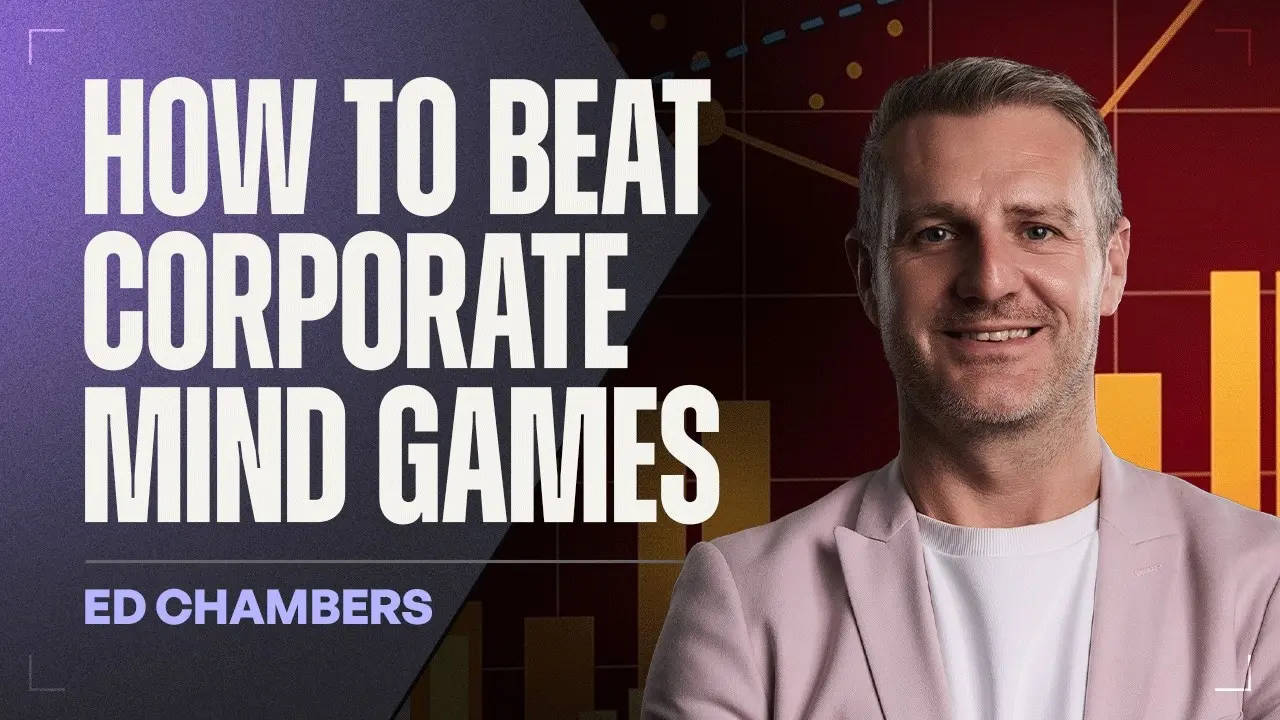
.webp)
Let's Keep Connected
Work With Me
Enquire With Dain’s Team
Enquire For Speaking
Let's Get You Branded
Apply to be a guest
Dive into insights from industry leaders and experts.
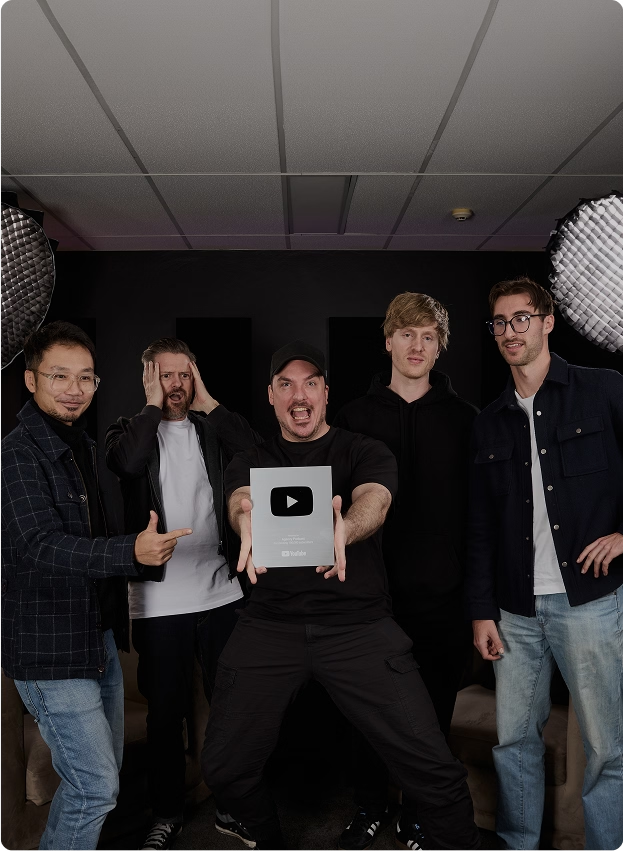
Stream now
Dive into expert advice and industry trends.