


TLDR
Summary
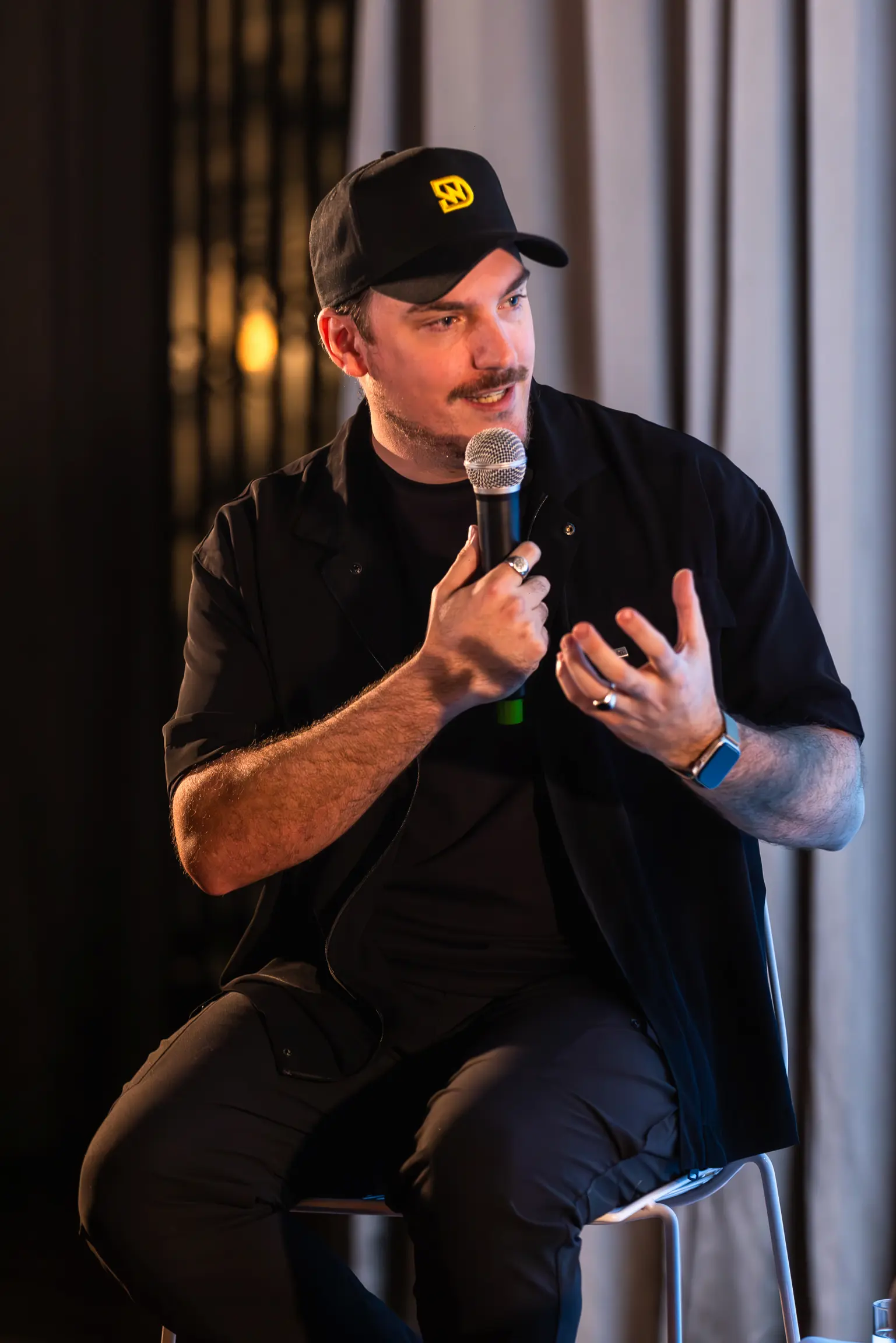
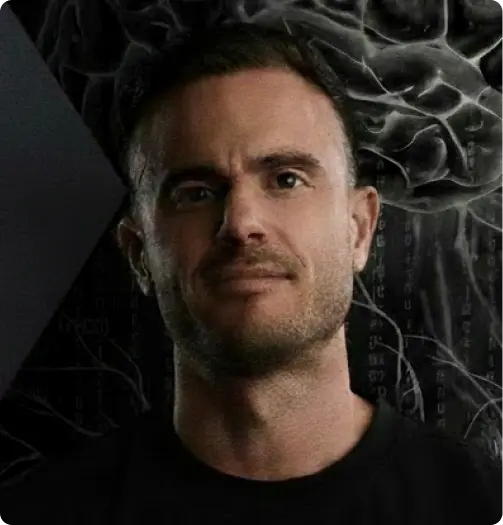
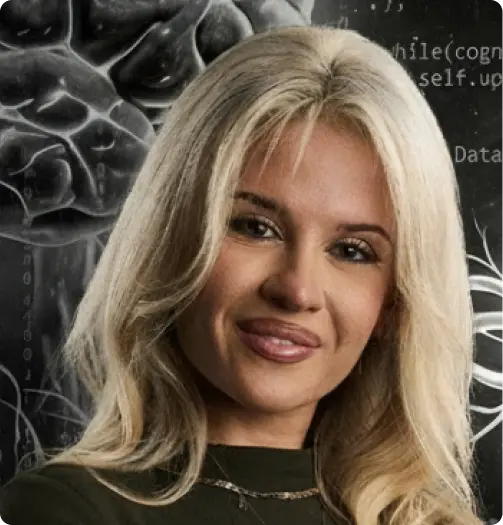
This episode of the Agency podcast features Frank Greeff (Co-founder of Kinso) and Marissa Kos (Founder of MXM and AI Technician) debating the unfiltered realities, hype, and future of artificial intelligence in business. Moving past typical productivity hacks, the conversation addresses the "tech startup trap" of believing AI will seamlessly replace human teams and instantly print money. Greeff and Kos argue that while AI tools can accelerate output, they frequently generate generic "slop" when driven by inexperienced users, causing a high volume of predictable, unoriginal content across the market. The guests emphasize that as automation and AI text/visual patterns become ubiquitous, true competitive advantages will belong to businesses that double down on raw humanity, deep expertise, systemic workflows, and direct human-to-human relationships.
Highlights
- The Rapid Production of "Slop": Inexperienced users often weaponize AI as a "slop cannon," churning out massive quantities of highly predictable, generic content that poisons data sets and dilutes platform quality.
- The Myth of Automated Success: Going from an idea to an average (62% good) output is instant, but refining that output to an exceptional (90%+) standard requires a high degree of human analysis, experience, and hours of rigorous prompting.
- The Dopamine Loop of Prompting: AI allows users to go from an idea to a visual or written outcome with zero friction. This immediate feedback loop creates a highly addictive dopamine reward system where founders feel like they are shipping products, though they may just be moving pixels without generating actual revenue.
- Doubling Down on Humanity: As the market swings toward extreme automation, Greeff and Kinso are intentionally moving in the opposite direction—prioritizing unpolished, highly authentic human content and personal customer service via WhatsApp, LinkedIn, and Instagram over automated ticketing systems.
- The "White Glove" Human Premium: In the next decade, automated systems will handle low-level tasks, making completely human-run operations a high-end, high-priced niche experience akin to luxury white-glove hospitality.
- The Token and Feature Mirage: Kos highlights how major AI companies push out unfinished features prematurely to let users pay to debug them, wasting valuable computing tokens on redundant tasks and fractured context windows.
- Corporate Ethics and Public Sentiment: The discussion covers stark drops in subscriptions for platforms that quickly pivot to military or state contracts, showing how public sentiment heavily drives the rapid adoption and shifting popularity of competing LLMs like Claude and ChatGPT.
- Radical Predictions for the Next Decade: Kos predicts that the convergence of AI, psychology, and quantum computing will fundamentally alter the human relationship with time and the self, while Greeff stresses that human adaptability, raw face-to-face energy, and tribal connectivity will always remain the ultimate business anchors.
Transcript
00:00:00
Companies bragging about having a larger team of employees will sound ridiculous in the future. Agree. >> Disagree. >> Oo. To my right we have Frank Grief, co-founder of Kinszo. And to my left we have Marissa CS, founder of MXM. >> The challenge I would have is like you go into a customer and they would probably be like, you know, I could oneshot vibe that. And you're like, can you? >> We used to handw write the code back then. Every letter had to fight for its place. When you're getting good output,
00:00:29
you're getting so much more to sift through, analyze, implement. What the brain really loves is a little bit of unpredictability. And AI content is extremely predictable. Will it cocreate with people in an interesting way? Absolutely. >> Truth is, the 8020 rule applies to all human. If you give the wrong person the tool, to your point, the output sucks. You know, we call in our business a slop cannon because it'll shoot slop at whatever you want very fast. >> The health of the team is directly
00:01:02
correlated with how AI is going to be integrated in the business. Cuz if the team do not feel cared for and have a level of autonomy over their roles in their workplace, then they are going to be petrified. They don't have the assurance. If everyone in the market is using AI to move twice as fast, inevitably are we all just sprinting to stay in the exact same place? >> Um, yes. But >> this episode is brought to you by Wix Studio. Here at the agency podcast, we're building a community and we would love
00:01:43
for you guys to be part of it. So, we would love to hear from you. What are you enjoying the most? What would you like to see more of? And what do you think might be missing? Drop a comment. Make sure you subscribe. And now, on with the show. Welcome to today's episode of the Agency podcast. To my right, we have Frank Reef, who is co-founder of Kinszo and the host of True the Fat Podcast. And to my left, we have Marissa CS, who is founder of MXM and also a AI expert. So, thank you for both being here today. I wanted to
00:02:12
unpack the next generation of entrepreneurship and what we can expect to entertain when it comes to the world of AI prompt engineering platforms and so such. To get things started here, I am going to start with a game and I want you guys to give me inside of 5 seconds. You either agree or disagree with my statement and there's no sitting on the fence here. All right. Number one, a oneperson trillion dollar company will exist before 2045. >> Disagree. Agree. >> Companies bragging about having a larger
00:02:44
team of employees will sound ridiculous in the future. >> Right. >> Disagree. >> The most valuable CEOs in the future won't manage humans. They'll manage machines. >> Disagree. >> Disagree. >> Okay. The average office worker is massively underestimating how replaceable they are. >> Massively underestimating. >> No. Disagree. Okay. Interesting. AI will create more millionaires than the internet ever did. Uh >> agree. >> Oh, so reluctant. Agree. Okay. Cool.
00:03:22
Interesting. Interesting. Um, your kids should learn prompting before handwriting. >> Disagree. >> Disagree. >> The first generation raised on AI will become the smartest generation in human history. >> Disagree. >> Disagree. The first generation raised on AI will become the laziest generation in human history. >> Disagree. >> Disagree. >> University degrees will become the luxury of signaling, not education. >> Disagree. >> Agree. >> A teenager with AI will outperform a
00:03:55
40-year-old with experience. >> Disagree. >> Disagree. >> AI will create more jobs than it destroys. >> Agree. >> Disagree. >> By 2035, most universities will be useless. Agree. >> In the future, companies will proudly advertise they have a zero employee system. >> Disagree. >> Disagree. >> Oh, interesting. In the future, AI generated friends and partners will be normalized. >> Whether I agree and whether I think that this is a good thing are two different
00:04:28
things, but I'm going to chuck in agree >> with the key word is normalized. >> Yeah, agree. >> Okay. Interesting. M >> the majority of the population will trust AI advice more than human advice. >> Agree. >> Disagree. >> Interesting. Most employees don't actually want AI because it exposes their true output. >> Disagree. >> Agree. >> Learning facts is pointless when every answer is instantly available. >> Disagree. >> Disagree.
00:04:57
>> The biggest risk of AI isn't job loss, it's humans forgetting how to think. >> Agree. >> Agree. An AI generated song that makes you cry has the same value as a humanmade song. >> Disagree. >> Agree. Interesting. How do you guys feel about some of these questions? >> I love that there's no nuance whatsoever. >> It's absolutely like Yeah, it's it's really forcing the brain into into a corner. >> I definitely don't want to force you
00:05:29
guys into corners today. I thought it'd be just fun to warm up and put that out there and just see where we're all at. And uh if you're listening at home, please comment below what your answers were. All right, opening conversation I wanted to discuss with the two of you is I want both of you to imagine it's 2030 and a business owner that ignored AI for the past 5 years. What is going to happen to them? >> Um it totally does depend on the founder. Like it really does depend on
00:05:54
the person. And this is going to loop back to everything we're basically going to say today is that who is driving this vehicle really does dictate where it's going. You know, you could give someone with a brilliant mind who's 70 a social media account tomorrow and within a few weeks they could really be benefiting from the value that it's got and the information that they're exposed to more so than the internet, right? Because that's kind of where weirdly we're getting not only our leisure but our
00:06:22
information these days. So, it really depends who you put it in front of. It's a tool. Like, it's the the saying with the ladders, you know, if you give someone a stack of ladders and they can't get over a wall, one person's going to just stack the ladders like on top of each other and not get very far. The other person's going to stack each ladder consecutively to get over the wall. So I feel like it is how long's a piece of string but at the same time in general if you're running business now
00:06:49
and you in 2030 haven't even touched AI I think you have expended a great deal of time resources and stress on things that you could be delegating so that you can be putting into your business what your actual strength is whatever that may be that's my >> view So, so if you asked me this question like two months ago, I reckon I'd have a different and reasonably strong opinion. As I mentioned, I hold my opinions very loosely. And so, like what I'm trying to reconcile as you you you've said that is
00:07:21
around like which stage of the cycle are we in right now and and how much of what we've been told uh forced upon and heard is all just like marketing hype and how much of it is reality. And so you kind of look like where we are today is like, you know, SpaceX is about to IPO. The numbers are atrociously ridiculous. There's a whole lot of financial engineering. Uh, you know, OpenAI is talking about um going public and and as is anthropic and their their positions mostly, if I think about it, it's like
00:07:55
Sam Alman and Daario have completely flipped from AI is taking every job to oh no, no, I got it wrong. No, no, we're going to be all good. Um because you know is it that their narrative has changed or is it that well that doesn't serve their IPO intentions anymore? Um and you know like if I kind of like you know reflect on myself and our team like we use the tools every single day for for for a disturbing amount of hours. Um personally I'm I'm using AI for at least seven hours a day. Um my my team are
00:08:25
using it actively for their entire day. Um, and there is a very big contrast between what is spoken about and like the reality of it. And and the problem is like I can see it from the social media lens because I can see people I either know or or people you know even even ourselves is like point to the AI tool that's making the biggest impact. And like how much of that is like I've spent you know 400 hours trying to master this tool and how much of it is like I've kind of used it for a couple
00:08:50
of hours and and unfortunately like things that are viral uh attract more people who want to do more things that are viral and and and so on and so forth. And so coming back to the question is like will that person be at a disadvantage in five years from today. Um previously I would say like hugely so and right now I'm like hm question mark. And the reason I say that is because the the the the reality is um if you give the wrong person the tool to your point the output sucks. You know we call in
00:09:20
our business a slop cannon because it will shoot slop at whatever you want very fast. Uh and the problem is a lot of the metrics of of success and you know air quote success have have changed. You know previously it was like you know how long and and correctly structured is that essay or you know what the right um you know how many lines of code and [ __ ] like that. And now that means nothing because you can get the slop cannon to shoot at it so quickly. Uh and so like I I think it's going to be a really interesting time. I
00:09:49
think a lot of the the hype is going to come to fruition. Um, and and I don't yet know because I think, you know, the art of actually truly knowing a skill and knowing something deeply, um, I think is going to remain incredibly important. And so perhaps there'll be people who haven't who haven't done it, um, who've kind of let this like, you know, this cycle, the hype, and then what remains at the other end, um, perhaps it won't be the end of the world for them. Perhaps it'll be okay.
00:10:17
>> I totally agree with what you're saying on the marketing of it all. It drives me crazy. We've discussed this both times that I've come on and the the last time I came on it was like really building up. >> So I again I think we both know enough about marketing to just know like things can become very conveniently changed when self-interest is involved. And on top of that why I scream about AI literacy and why I offer AI coaching. Like I could easily just offer the agent
00:10:47
building that we do and sit back and chill. But the AI literacy is so important for us to actually know the slop. it becomes far less intimidating when it's demystified. And then also understanding how to be leveraging, like I said, the tool for what it is, a tool, and keeping these companies accountable because we saw from social media. >> Um, it happened so quickly and like under our noses that it got away from us. It was too late. Like the toothpaste was out of the tube, the milk was
00:11:22
spilled. it was far too late by the time we wised up to the level of control these companies garnered over such a short period of time and also then the um fallout of that like when the the what was it the social some Netflix special that came out you know the social dilemma there we go yeah with the selfharming of the young um adolescent girls and all the impact and the social isolation and all of that which only like kicked up so many notches during co I think we have to look at AI as Well, in a postcoavid era, I think everyone is
00:11:56
so fried and so isolated. That will tie in with when we discuss cuz I do want to circle back to that people having partners and like friends that are AI only in a postcoid world where like people are super super isolated, don't have friends, don't go out, don't have a pace of life that we used to have is this so scary. Like you couldn't pitch to someone in 2014 that this robot little LLM chatting to you was the be all and end all of the world. They probably would have seen I'm projecting
00:12:25
but you would have seen it far more like the internet or any other tool than this thing that's coming. And it's it's definitely been pitched as that by the industry. I think there's so much benefit to making people fear something because it breeds fascination. Like we can't help but look at it and become obsessed with it. So there's a lot of that in the whole space and I really don't like that. The more that you learn to use it, the amount you actually have to use your brain with AI when you're
00:12:54
using it regularly, oh my god, like yes, output is 10x, but if anyone knows what good quality output entails, that means that's 10 times what you would take to get the output out. like the level of analysis, the level of brain power, also experience, something that's going to become really valuable. I've said this on a podcast I was on recently about leadership is you cannot buy experience and ideally that eventually alchemizes into wisdom. Not for everyone, unfortunately. Sometimes wisdom chases
00:13:26
people, but they are faster. Um, but it ideally if you've accumulated that, what you're putting into AI is so much more than information, right? A 12-year-old, like I always explain AI is like a genius 5-year-old. So, a 12-year-old using AI is going to be talking with something that has no experience and also has no experience. So, you're in an echo chamber and it can very much be slop. >> It takes so much analysis and there's so much context that comes out of an LLM when you're using it that you also have
00:13:57
to stay on top of. Like it truly there's a new concept that I'm working with in the coaching cuz we've had to update it recently given all the new features that are out. But there's something to be said about the concept of context fractaling because when you are putting great context in and you're getting great context back and it's genuinely helpful. There are typically for every response you're going to get a fivepronged like next sort of level of output >> the solution has offered. So then you
00:14:24
have to keep on top of all of that and then that grows the more that you're using the LLM. Like I often tell clients I'm like have a word dock up or have like a notes app up because the more you're using your LLM properly. You're going to need to keep on top of everything that it's saying. Pick apart what you don't like. Use what you like. It's it's a behemoth >> truly. And that again requires >> a brain. So it's it's a really interesting space and time now. But no
00:14:53
one's talking about that. Like everyone's just like it's taking all our jobs, but it's also the solution to all of our problems. >> If you want to grow your agency, you need more than just a website builder. You need Rick Studio, the all-in-one platform that's built to help you scale. Design smarter in a hyperflexible, responsive editor cherrypicking whatever clients need from pre-built UI elements and templates. Deliver robust backends with built-in e-commerce solutions for
00:15:21
every industry, letting self-maintaining infrastructure just run itself. Stop reinventing the wheel with every project and instead create a sharable design system with reusable assets, apps, and components. Clients growing too fast? No sweat. Wix Studio AI powered CMS lets you turn a single layout into hundreds of additional dynamic pages. It's true. More clients no longer has to mean more chaos. Wix Studio gives you one centralized view of every project and makes realtime collaborations seamless.
00:15:56
Do your agency's best work at scale. Build your next project on Wix Studio. Something I want to touch on here is around experience and wisdom and having had done something before. So Frank, you spent years building systems, hiring people, making mistakes, developing instincts. Does it piss you off that some 20-year-old kid with AI might be able to skip that entire journey? >> No. God, no. No. No. That would be that's like a very finite mindset and anybody who says yes is like watch out
00:16:25
for that person is my opinion. Um I think I think it's amazing. I think it's great and I think um if a person has that mindset, you're playing a zero sum game because you're playing if that person wins I equals lose, which is just not how the world works, you know? like I can I could, you know, crush it and as can you. It does. You're like you're crushing it doesn't mean like unless we're directly competing for the same exact customer pool. Like it it literally doesn't matter. And I think um
00:16:50
I think the best type of of mindset you can have is like [ __ ] yeah, as many winners as there are. Like that's great, you know? Like that that's that's what you want. >> Do you think that some people are going to hold a grudge because it took them so long and because it feels accessible and easy now that that diminishes the work that they put into it? I was on a plane the other day and I watched a a seven-year-old who was on a seat and the dad and son were separated and the dad
00:17:15
asked very gently do you mind if I son sits there and he goes no this is my seat and the son four years old starts crying and the the man refuses you know he'll have a grudge with regardless he doesn't need AI to have a grudge that's just you know if people have that they there's a there's a separate issue they need to work through in their mind it's nothing to do with the AI >> what do you think that issue is I really think from my experience, the only people I've seen that have an issue with
00:17:42
others also doing well are ones that are salty about all the shady things they've had to do in the background to get where they are. They cuz they've had to live with all the guilt and all the like, you know, imposter syndrome that they fed into because if you haven't done things in a way where you know you've built them, it's very very empowering even through all the failures to fail forward. Like it's all the it is literally the endurance, the ability to rally, to keep going, to refine, to
00:18:11
nuance. And I am so like I am an anti-gatekeeping vigilante. If you can avoid making my mistakes, that's amazing cuz why should two people suffer the same way? Like can we avoid that? Um so I don't see that at all. And realistically, everyone's going to make their own mistakes. And if we're all winning, then we come together with a collective sort of knowledge of how to avoid that completely cuz life changes. Like there's going to be new context for new people to make new mistakes. And
00:18:38
hopefully we like keep nuancing that. Nature does that on its own with evolution. So I think we need to lean into that. That's a very natural process. Whereas the gatekeeping is very unnatural. It's stagnant. And I find that yeah, people that do that are typically one they either haven't made it much so they're bitter or they have made it under circumstances where they're not too thrilled with and they know that. No one else may but they know that and so they're very they have the
00:19:05
mentality of um you need to earn your stripes. That to me is a huge red flag when I hear that in people. If we if we zoom out to 10,000 feet and we look at the current playbook of what's happening with Sam Alman and all of these companies doing IPOs and their narrative going from AI will take all your jobs to actually know it's going to be great for everyone. When you see someone at that level change their narrative, what red flag does that signal and does that get in the way of how you guys are thinking
00:19:30
about building your businesses? >> I hold two things in my mind, right? Like I again I said it before like I hold my opinions very loosely. It's why sometimes I can be a bit vanilla because I'm like if someone has a very strong opinion on the other end I'm like perhaps I'm not seeing the data points. So maybe I'm, you know, too much of a soft eater. So I'm kind of like, oh well maybe their opinions change. But also, you know, park that aside for a second. Um, I just think there there's there's a
00:19:54
whole lot of things at play that it's hard to know what's going on behind the doors, right? Like I think you know if you if you if you kind of peel back the onion layer for half a moment and you see a lot of the financial engineering that's happening in that space the the deals which are you know um you know open AAI to to Microsoft to Nvidia and there's all this like circular financial stuff that's going on um and then you know let's look at SpaceX to SpaceX comes out and like it's a this crazy
00:20:22
valuation but then you know they get underpinned so now like the S&P is part of the S&P and then it gets part of the retirement fund. So there's all there's just a lot of things that happen and I think it's just um I don't have a great deal of confidence in in like the government and the way like the upper echelons work, you know, like I kind of play back, you know, just a week or so ago when I got dragged through the mud on some media and it's like very clear and obvious that uh the the reasons
00:20:53
behind that and it's just kind of like I don't know. I I I think how that world works unfortunately like thinking about it too much like the reality is is like you don't you it is a different game and you don't get to play it and some people like oh that's so unfair it's like well it's just it's the game and unfortunately if I spend too much time worrying about that it's like I can't do my thing so then to answer the question is like how how does that impact my game
00:21:18
I'd say the biggest one like personally is um you know the narrative right now is like you know let's say um you know whatever ever piece of tech you're building like Claude's going to take it, you know, like Claude is a feature away. And we've had that from from investors, from people, like whatever. Like, oh, you're a feature away. And you kind of just have to go like, okay, and then just keep going. Because the the nice thing about that type of narrative is you kind of realize it's like, well,
00:21:42
there's be a bunch of people that are a bit too scared. And and my favorite thing to realize is like it's very easy to be a spectator. It's very hard to be a person in the arena. And so it's just like, well, I'm just going to remain here and just like roll with the punches. I think a lot of this stuff is you can get so caught up in but what if and what if and all that kind of stuff. The worst thing I think you know to this idea of bitterness is people who have regrets >> and they look back and I always ask
00:22:09
myself the question is like if I look back and I'm like laying on my deathbed at whatever age hopefully it's you know 80 and above and it's like will I sit there and be like you know look my son in the eye and like I wish I just listened to that hater Apple user 2 3459 on on Instagram I should have just stopped like no you know what I mean so it's just like you just got to just got to keep doing your thing and not let that [ __ ] worry you too much >> to I completely agree and I've seen this
00:22:34
in practice because last year I built a um video analysis protocol for AI. It's literally it allows you to put in any video across all social media platforms, YouTube and Looms, just so that people cuz again what I've seen with clients building agents is where are your SOPs? We don't have them. They're three years old. Blah blah blah. So I was like, "Okay, well, if we're building agents, then I want you to start thinking systemically, and I want you to look at how you do anything in your business,
00:23:04
record it, one, you'll typically refine it when you see how you do it, and then we can pass it on to the agents, and that's awesome. Of course, it takes a lot more context to build the agents at the level we're building them, but it's an amazing SOP. Such a quick capture, least amount of friction, right? Let alone again all the things on social media because like we said before that's where we're getting our information that we're saving and never looking back on like denial right if you think you're
00:23:29
actually going to go look back on all the social media safes you lying to yourself to >> I look back occasionally >> occasionally yeah and you're going where is it where is it where is it and it's a very tedious process right whereas with this you can just pop the link in there and at least you can go back and it's there forever something I want us to even though I've got a subscription for the overall use of this product something I want us to move away from in general is subscriptionbased models. I
00:23:54
really want people to own things again. Um, and so with this that means that that video and that IP that you have paid for with your attention, you have to refer back to whenever you may like. And so if you're also using AI correctly, like where I've started using it now is if I've got content I want to make and there's something in there that I want to leverage, use, stitch with, whatever, I can easily feed that to Claude who already knows my brand, right? So it makes it just makes video
00:24:23
very easily watchable for LLMs. Now we've gotten some interest, which is fun, and we'll see how that goes. The intention was always to actually sell it off, but I was told so many times at the end of last year, we're a second away from that. The LLMs are a second away from that. And and don't get me wrong, Gemini notebook, um Google's, uh notebook LLM, like it can, you know, ingest video content to a degree and it can definitely give you the key points out of it, whatever. But we don't know
00:24:50
where AI is going to go. And I would like people to have, like I said, the IP of whatever they're doing and watching and want to keep on social media at their fingertips, not just for their LLM now, but who knows whether we've got a, you know, an assistant in our AR glasses that feels like it's sitting next to us or whatever. You have no idea where any of the IP you're collecting, whether it's your own or other people's, can be applicable in the next 5 or 10 years, right? But we were told like I got it's
00:25:19
not heaps but it's enough to for me to be like my ego was like this is ridiculous. Um we got like five different investors who had been burned by the AI bubble be like >> an LLM is a second away from this. This was now almost a year ago. So it's like no one knows not only what they're talking about in this space which we have to fall on our sword. And I always say things will change. Like when you say I don't have stringent views, I think that's great in life in general,
00:25:48
but particularly in this space, it is growing and building as we're watching it. And it's also us building it too. So we have to take ownership of that and and steer like we have to move it in some direction rather than just being at the hands of the stock market or the industry as a whole that is so so new and with people who are also new at it. It's their first time as well. So yeah, no one >> on this topic of um things being a feature away or an update away, if we're looking at a world that is
00:26:24
democratizing intelligence and making everything immediately accessible uh with a couple lines of code, what separates the entrepreneurs that listen to that, ignore it, and build something anyway? >> My question would be, are we that's what we've been told. We're told we're told that there's a feature away, but is it like is that what's going to happen? Like is is it you know like if I look at you kind of reflect on the last 18 months like I'm very again very active with these tools right like the
00:26:55
I'll put it this way I told you this morning I I sorry earlier most mornings I wake up somewhere between three and four not because I'm a hero just because I have way too much cortisol streaming through my veins. So the moment a new version like you know Opus 4.7 and then open 4.8 I I'm within 10 minutes of the X post is the first thing I do to spike my cortisol in the morning is read X and then I'm within 10 minutes and I'm starting to use that thing and and and I'm not yet noticing that like oh now
00:27:24
I'm you know make me a billion dollar business and make no mistakes. I'm not we we're not like the last three times I haven't been like wow I'm there and because that's kind of the thesis is well at future it's one suggestion away. Well, the problem currently is it's a suggestion from the human and the human says make me this and it's a single sentence. Make me a viral post which the other million humans have written and the thing that comes back to you is is
00:27:51
incredibly generic and vanular. So the question I ask is and I'm not again I don't have a super strong opinion but I'm just kind of like challenging that like are we you know are we there because it doesn't feel like you know if I just reflect on last week's Opus 4.8 came out and and the new kind of thing is this is a the um the orchestration of the agents and so you type in you know can you do this for me now and make it a workflow and it's like spins up 50 to 100 agents and I was kind of thinking
00:28:16
about it and I was like is it that they're getting to a level where it's not jumping as far and as fast as they want. So they're throwing more compute at the problem to go like okay well the output is good but maybe if we throw a hundred agents at it it will be better and I'm kind of like I was kind of just thinking again I don't know but it's like if it was so good would I bother throwing a hundred at it or would would it just be you know in the early days every increment was
00:28:41
[ __ ] monumental and so you didn't go throw a hundred at it you just went this thing is huge and now it's kind of like uh throw a hundred and so yeah I don't know I don't know what the answer is and I I'm I'm starting starting to lean a little bit towards a I don't think it's I don't think it's 12 months away before we have that because there's got to be a lot of [ __ ] that has to happen. Um and one of the things I think is you know anytime you are a reasonable expert in a
00:29:08
space you you start to notice the AI output it has like it has a smell and what I mean by that is like okay if you know you know content as an example and you start to see the AI content it's not this it's that and it's like there's the same you know the same [ __ ] the end time if I hear one more person say in real time what other time is it that we're Here's the such an AISM. >> Here's the part no one's talking about. Yeah. It's like brother, no one's
00:29:37
talking about it cuz it's lame. You're like, anyway, so there's that. And then and then the same thing like now like cuz I've gone like kind of deep in the the design and product world is like do a first pass prompt and I can tell you exactly what you're going to receive in terms of like these visual smells that are purely AIdriven. So for anybody visualizing their mind is like close your eyes and you see a website if it has a circular button and inside that circle is a a thin outline and inside
00:30:02
that is a circular dot and that is 1,000% like almost every single pass AI prompt gets you there. Right? So we come back to this point is like is it 12 months away? Why is it that it has three trillion parameters but almost every time the output looks and feels almost the same? And like on the car ride here I was I was listening to it. They've just done a study which was like they threw at the like the frontier models essentially um viral slop from like Reddit and and and like Tik Toks and stuff like that to see and they found
00:30:32
that it actually like it poisoned the data set and that it like it changed its characteristics based on the data. And so the problem we currently have is like a lot of the data is like Reddit threads, you know, like Reddit threads on strategy and opinion of business. Like is that the best place? Is that the best place? And so I don't know. And so I guess like I know there's not exactly the answer, but I just like I'm just kind of just questioning is like are we you know and so and so back to like well
00:30:58
what separates them? It's just I think it's the same thing. It's always separated every founder because at every stage you have the same doubt. It just comes wrapped up in a different bow. And the thing that separates you is an undeniable and slightly naive belief that you've got it and that you see things different. >> Well said. Uh Marissa, would you like to add to that? >> I always want to add >> here to talk about >> I totally agree with that. And what I've
00:31:27
noticed in really um both simple coaching instances and when we're building agents and it brings my mind back to a study that's not talked about much now. It was talked about two years ago, 18 months ago a lot is that LLM's like and AI in general struggled to learn from itself. So it needed external data. Of course it learns recursively to get better, but we're talking about giving it basically feeding it data that it's generated and it basically self-cannibal. like it really did not
00:31:56
work right. Um it started to hallucinate more and more. It just didn't didn't expand exponentially the way they would expect it to because it is again outsourcing external information, external experience. It's grabbing whatever it can from what is the internet at the moment, right? And what we need to remember is we're building these products as we in real time as we speak. We're building these products. I watched a couple weeks ago, I watched a client um we were doing coaching
00:32:31
together and I literally saw three different computers not only have a different response to something we had put in against the business, which is fine. But also, you don't expect it to have exactly the same response. That would be completely fraudulent. But what I noticed was that one felt totally free with the web connected to like go and search the internet for that. The other came up with this entire response where it didn't outsource any information. It was totally a hallucinogenic response
00:33:04
and it's used up credits. Now they've really anthropics really tightened up their usage limits. I also watch it again come back to people with droves of explanations on that you know my data is not updated to the current day which it's not right it uses the web but the the model isn't trained to recent history so you are essentially not only getting people to be using something that is out of date it doesn't even very conveniently which ties in with this doesn't keep track of the time you would
00:33:34
assume that that would be the first thing you'd have built in I literally built a skill the other day. I was like, update yourself on the time every day. I don't need to tell you what date and time it is. Please check when we're talking. Um, and I now get clients to do that because this wastes tokens, but they are supervising like how people are using it and how people are not using it, right? So that is essentially for these companies free money. Like it's very different to have a subscription
00:34:02
where you're getting a quality product, but I'm paying you to build your product. It's the same thing with the managed agents, the same thing with co-work. I have had Claude. Claude should be huge thing that we do in the coaching is I literally break down with clients the anatomy of the LLM and how to be using each feature after I have guinea pigged to the nth degree. But a client on their own is not going to know how to do that. And I asked Claude recently with co-work um we're building
00:34:28
XY Z out. Should I already knew what to do because it's kind of my protocol anyway with how I coach. I asked it. I was like, "Should I do this in a separate chat thread or should we continue it in the chat thread?" We've got the task thread we've got in. And it was like, "No, no, no. Start a new one because you've got risk of, you know, it hallucinating and this and that." Well, it was directly related. It was continued tasks and tweaks to the repeated tasks that I was building. And
00:34:53
I'm sorry if this sounds like gibberish, guys, but all I'm saying is I noticed that this will make sense is that it literally came back to me setting up all the tools that it had already set up to access the folders that we were working on in the other chat thread on my computer. So why should I be paying for tokens for co-work to be resetting up the tasks that we had already done in the previous chat thread for an output that is all related. So, what we were working on, that's a repeated task that
00:35:24
I've now got scheduled every day. Why am I being to told by Claude, right, in chat, not in co-work, who's overseeing because I always have AI talk to AI. Um, why is Claude advising me on its own product to do something that's going to be not only the long way around, but going to cost me so much more usage? That's not right. The first thing that these companies should be doing if they're actually not only standing by their product, but having us use it, not debug it, is the product itself should
00:35:55
be updated on its features as soon as they roll out. They know when they announce a feature that it's nowhere near ready. With all due respect, right? And so then, but it's true. I've seen it time and time again. I'm like, whenever I see an announcement for a new feature, I'm like, 3 months cute. So let's start and at least figure it out so that that way by the 3 month mark I know how it's going to work. I can pass it on to clients in the most seamless way possible. But I am not at any point
00:36:22
convinced that we are using the products and its features in a way that it is purely being offered to us as a service. Like we're building it and that's not that's not right. We've deviated from the entrepreneur thing. Long story short, why bother do anything? Like the question is why bother do anything? We can sit back and let huge corporate do whatever they'd like to do, but at the end of the day, we're humans and we know how to solve for human issues. So try and do that.
00:36:51
>> Okay. I like what you're both saying here about the nature of where AI and agents really are. If you're looking at the market right now and you're being honest with yourselves, what's something that people are assuming AI is currently capable of, but is not yet really there? Oh, definitely definitive truth. I think information and truth, we've never really bothered the internet. We never really analyzed what the difference was. It was just like it's whatever.org must
00:37:19
be true. So, there's been a deluge of information in the last 20 years that we've been ingesting, but we've never fact checked that and it hasn't been crucial to fact check it. Unless you are an expert in a field, you can always grab your info again, get your experience, go on about your day. We now have something that is using information as a source of truth to give us definitive answers that we're making decisions on. And that's a mess when on the internet you can literally find a
00:37:51
definitive answer for the polar opposite sides of anything. You can find a definitive answer that X will kill you, X will make you live to 150. Like you literally do you know what I mean? So we are I think we have to take the ego out of this and stop assuming that we've really known anything. I hate to get like Socrates on this. The only thing I know is I don't know anything. But I we I don't think we know much. And so again thinking a lot more locally if you use this tool to look immediately directly
00:38:27
to those who it can assist in your direct vicinity. I think the internet's really diluted not only our sense of community but also our sense of having any impact on the world because we know about the whole world all the time which our brains are not wired to do. We need to think immediately. And if you can think immediately and help one other person, that's a big deal to do in your life. Let alone again actually what we're solving for. If it's got an immediate solution, got immediate value,
00:38:58
then we need to appreciate that. And again, that's where the tool plus the experience and the wisdom is worthwhile and worth something. I just don't think that information and truth have any to do with each other. >> I would agree. Truth is very subjective. >> Yeah. Frank, what are your thoughts? >> Truth is subjective. Jesus, >> I I think it isn't, >> but perhaps people think it is. >> From the public's lens, there's always going to be multiple
00:39:28
camps. >> Yeah. But that I mean, yeah. Yeah. I guess truth is objective, but people believe it's subjective >> and information. >> I would agree with that. >> Yeah. I would I would I would I have loose opinions as well, and I Perfect. >> I would side with that. Um, that's a really good point. Okay. And then when you're thinking about the nature of where we're at right now with with AI, >> one thing that comes to mind and and Frank, you having had led a company of
00:39:56
400 people, having done an exit, a very successful one for about 180 million, >> is that if this existed right now and you're at the helm of your company, >> what would be going through your head right now? having to manage what you had previously built but put yourself in the current situation where you still had the company. >> The the first thing that actually comes to my mind because I see it as like um it's this huge advantage, right? Be able to have the tools. Um one thing I should
00:40:24
probably caveat people listening they probably like oh like frankly yeah I deny it. No no I'm like likeing love it. I use it all the time and I think it's amazing. Um but the problem that I guess the challenge is is like that advantage also comes a lot of downside. And so I guess what is the downside? Well, the downside is like the velocity that is required to like stay relevant. You know, I you know I I often get people ask like you know like kind of you know peel back the onion and tell me about
00:40:52
the playbook that when you first start a business and I was kind of like it's like not super relevant right now. Like it's a it is a different time. Um and and there is a you know like if I imagine back at realbased days the challenge I would have is like you go into a customer you talk about this product and they'd probably be like yeah I could you know I could oneshot vibe that and you're like can you can you do that and so I think it you know I I I wrestle with the you know I
00:41:18
almost have a um it's like a romantic of like ah back in the day you know like we we talk about it inside our business like we used to you know handwrite the code back then and like then that meant like every letter had to fight for its place because when you're doing lines of code and you have to be manually typed, you're not going to do 300,000 lines of code. You're going to do the fewest amount of lines so you don't have your bloody fingers don't get sore. And so, you know, but let's make it more
00:41:42
practical. What would I actually do? I think I think that like there's a a few things that I would look to attack first. So, like one of the big challenges like we had at um specifically at Realbase was we had a real it's kind of like a cottage industry. And so, what does that mean? It meant um we had a lot of customer support. So of the 400 we had roughly like 200 people were in customer support. And so the challenge with like as you have lots and lots of people um the problem is like context breaks down
00:42:10
you know not too dissimilar to to to AI but context breaks down in terms of like you know what is customer success from like let's say leadership's perspective and then what does it look like over here when we're dealing with this customer there might not be the highest value but certainly we still need to deal with that. Uh and so you know like that would be like that is like the first place that I would look to attack but from a different perspective. So I think you know we've probably seen a a
00:42:34
lot a significant amount of volume of people outsourcing their customer support to AI and I kind of think that's actually the wrong approach to it. The right approach is um yes you you may have fewer high highly capable people um but that actually means that they they don't deal deal with the noise. What they deal with is is the vibe. It's the feeling, you know. So, if you look at like our business today, like Kinto, I think that's probably more valuable to someone is like to how we tackle the
00:43:01
problem now is like we have the most outrageous customer support for a company that's like AI first. Like you would imagine all of our emails are tickets and AI agents are dealing with them. Like we're going polar opposite, you know, like we're like we're we're messaging people. We're not going through a ticketing system. We're on WhatsApp. We're on through Instagram. We're through LinkedIn. wherever they are. Um because it allows the human to be like like not superhuman as in lots
00:43:26
of output but like super human as in like they like shine the humanity. You know, one of the things for us is like we we send out every two weeks to about 25,000 people on an email wait list, right? Our open rate sits consistently at 45 to like 55%. Which is very high for an open email. And people ask like how do you get those high numbers? And I go, "Well, honestly, it's by being the most opposite to what you imagine an email marketing campaign to look like. Like, it's got to be hideous. It's got
00:43:53
to, you know, if there's photos, it's got to feel like it was from your phone in the worst angle. Like, you're not looking. It's got to feel really like the humanity is cutting through." So, kind of come back to the question though, right? is like that that first part is I would look at like okay from a customer support bit perspective how can I how can I get the tool how can I get AI to like like help empower the humans to be able to do like more velocity um so then they can be more human the next
00:44:18
is like um from a sales perspective I think it's really interesting right if I like reflect back in my day is like back back in my day when I was so young back in my day was like everything was like handwritten notes handwritten in CRM handwritten, all that kind of stuff. And so the the kind of the sales context of the life cycle was as good as the saleserson was in like able to write notes and follow the journey along. Whereas now like man like religiously transcribe everything. You kind of
00:44:46
freaks people out sometimes. They're like, "Are you recording me?" I'm like, "Oh, should have asked you for that. Should have asked your opinion." But it's like then like in like you are you know it is so much more powerful to have like every one of those things through the whole life cycle to be able to like help guide you to you know what I mean is like when you go back to the other person you're selling them is not ask them dumb questions you've already asked
00:45:07
because you remember what you you know you remember a conversation from a year ago. And so I think it's it's you know probably a boring answer but like the reality is it's like it's all around like what are those monotonous tasks where you are your ability is only as good as your least good person and you take those monotonous tasks that no one is like wow what an exceptional noteaker my god you know like golden star no one cares it's just like you now make sure that that context raises to everybody so
00:45:40
like with us like obviously our product like the whole product is like connecting all of the communication channels and then feeding them into one and then having a across it. So now for our customers we say you like they say like how do I get in touch and we go doesn't you know send it to me on LinkedIn, send to me on Instagram wherever you are in that moment. So what do I get to do is I get to leverage a tool to help meet the customer wherever they are. So it's very seamless for them. But then for us it's like at the
00:46:02
end of the week it's like it's time to look at what products we want, you know, what features we want to ship. just asked Kinso was like based on the founding member feedback this week, what are the top things that have been asked and it looks across everything and brings it together. And so back in the day that was like I got to have a perfectly documented like notion or Google drive. I got to make sure the team are following my SOP to track everything. I got to make sure the emails are going into a ticketing system
00:46:26
so we have it in a centralized place. And now it's like don't worry about any of that [ __ ] Just make sure it gets in and then at the end of the week we can bring it all together and like bringing the unstructured structure. I like what you're talking about in in the sense where you're in the world of using AI and obviously your team are really massively techsavvy but they're also humanled. They're thinking about the the messiness, the imperfection, the unpolished uh responses and
00:46:48
conversations. Marissa, just touching on your past being a chief of staff and having worked with teams and seeing the transition from pre-AII to postAI teams, what what has been the greatest shift to what Frank's talking about here with how teams can better integrate into AI without becoming drones that are following a rinse repeat process? Teams definitely need we've talked about this before and I totally agree on where the human side of things needs to remain which is human to human like that is
00:47:18
crucial and that's both with output and within the workplace. There's such a disconnect between cuz leadership typically not only gets disconnected from the team the bigger that it gets but also middle management is sometimes not the best. that can become a disconnection and so the health of the team is directly correlated with how AI is going to be integrated in the business cuz if the team do not feel cared for and have a level of auton autonomy over their roles in their workplace then they are going to be
00:47:54
petrified they don't have the assurance of a leader they don't know how the business is going to be structured they are of course going to be petrified by AI coming in and um so that's something that I have seen across all the teams that I've worked with is there needs to be a connection between leadership and the broader team in how it's going to be implemented from the start. Um, we also are at a stage where we've talked about this heaps, the workplace is so broken, it is so beyond the level of screen
00:48:28
time, workload, everything. Every time I go in to um any type of agent diagnostic session with a team, I'm like, we need to look at what the lowhanging fruit is because that's what's burdening people and exhausting them. And people do feel the admin of our devices now. We have outgrown this tech where it's at. It's fantastic, but it's reached the end of its usefulness. It's now making more of a mess than it's giving us. Um, and so people feel very gaslit by the amount
00:49:01
they're sitting in front of the computer and how much output they've got. So all of that, like you said, bringing that structure in, all of that lowhanging fruit, that is where we're going to get a great deal of um value because it gives people room to breathe. Most businesses are in total survival mode at the moment. It's just the state of the world. So, they're so stressed and hysterical by the time we're building the agents, which I always suggest doing the coaching first, but everyone's so
00:49:28
stressed. They're like, "No, we need agents now." I'm like, "Okay, all right. Let's go." But I always suggest put to the team, "What's something you never want to do again?" We've talked about this, like, "What what are the tasks that you never want to do again?" In a perfect world, we might not be able to solve for them tomorrow. We might be able to, but if we take that off your plate, we can actually then get everyone to exhale, bring their talents and their
00:49:52
strengths to their role, and then I dare say because we've actually trained up a couple of chief AI officers within businesses now, is have the time to look ahead. It's not just putting the band-aids on the hemorrhages. Where in the business can we innovate? That's really fun. That's a joy to do, but that is not for a business that is, you know, with six months of runway. Like, it's very, very different to be in that state. And I don't a lot from what I'm seeing, a lot of businesses are not in a
00:50:24
state where they're actually able to use this tech to do all the brilliant things. They're doing quick solves. And it's becoming less and less human. And you're getting these less and less human responses, whether it's in customer service, in content. Basically any surface you're interacting with a business, you're getting AI, which you already go in on a customer service side going, "Oh god." Like, you just know that it's going to end up being the long
00:50:48
way round to it providing you a support email, which you're then going to have to type for an inevitable human to look at. So, you just go, "Okay, like again, let's take the scenic route to this." Um, but we need to look at it that And what we're going to end up seeing also, I use the hospital industry as an example for what we're likely going to see with AI in a lot of instances, is hospitality. Now, we're going to end up with a lot of like automated rinse and repeat sort of lowhanging fruit again,
00:51:18
tasks being replicated, coffees being made, this and that. It's going to become quite automated I for me, for what I can see in the next 10 years. But you're going to go to very very high-end restaurants and be paying a very very high-end price point to have human waiter, human service, human like that white glove experience is going to be niche and from where I can see things going particularly smaller less obviously human businesses are going to make the mistake of automating everything and that is going to devalue
00:51:53
them because at the end of the day what do you want your brand to be associated with cuz there's that aspect as well. We can make everything cut and dry and make it all very output related, but do you want a brand that's associated with being high value or do you want something that is basically the McDonald's of whatever your industry is, right? >> I I definitely think AI is going to change how people perceive what is and isn't valuable. And I think there's there's a lot coming down the pipe we
00:52:19
can we can get ready for. I want to change to having a conversation about time and something that Frank said before around the velocity of expectation of what a client expects and to your point when it comes to customer service or humanto human interaction what's expected of them. Everyone says that AI saves time but now clients expect weeks worth of work before lunch. Are we really buying time back or are we just scaling an obnoxious amount of output into a smaller time frame? >> Ow.
00:52:50
I can hold very tight strong opinions on this one. >> You know, I I've I've seen it in myself and I'm I'm seeing it around the place. There is a really interesting thing that I think is happening right now. And I think similar to once enough for years had passed social media. We went oh actually this might be a net negative for the young generation. Um the current thing I'm seeing is you you start to notice these trends of people like um I couldn't fall asleep. I was lost in the
00:53:20
vibe or I woke up morning I woke up early in the morning and I dive straight into prompting. And I've seen it with myself right as I've gone like I said like waking up with ridiculous hours and then the within 3 to four minutes I'm getting directly input like AI start prompting and I've been thinking about like why is that like why is it that previously when you know back in the real best days I would go through like normal human esen flows during the day where I'd be like you know passionate
00:53:47
and getting stuff done I'm like you know afternoon slump I better force myself and now I like I can I can feel myself like remaining at this like obsessive level the entire day. And at the end of the day, I go, "Holy [ __ ] like the day has gone." And you know, I talked to my brother and he's like, you know, we were just talking in the gym this morning. He's like, I had people over on the weekend. He goes, I ran upstairs. I quickly prompted Claude so I could work on this calendar feature and then I ran
00:54:10
downstairs. That's weird, right? That's weird. We can agree it's weird. And I think the reason is is because for the first time ever, we have this tool that allows you go from idea to outcome exceptionally fast with no friction. And what's happening is if you come down to like our dopamine reward system, it's like I want something, oh, I got something back or I want something more, I get it back. And there's there is no stop between this like chasing of the dopamine and the that's really cool but
00:54:40
it's also has a lot of I think like strong negatives and it's like these people who are have the feeling of I'm delivering and I'm shipping and I'm doing and then you kind of zoom out you go like is any of that stuff actually done has it created revenue has it created a product have you launched any of those products or was the process of feeling like you're doing giving me a dopamine reward rush But actually, you've done nothing. Like you you've moved pixels on a page. Like you you
00:55:08
applied pixels in and pixels came out and you went, "Oh, this is amazing." The promise of I do I get more output for less time. I'm yet to meet one of those people. I'm only seeing people who are now just doing more uh with more time and who have no lulls in between the time. Uh and so I think yes, there is an expectation. I think that expectation is kind of um tweaked because of the reality of like again like you can put in a prompt receive a tool, a product or ad copy, a design or whatever. And it
00:55:40
went from nothing to 62% good in nothing, you know, in no time at all. But the problem is is going from 62% to 90% is where you spend the next x amount of time. So I'll give you an example. on the weekend, last weekend, um I was creating like uh based on feedback, I was kind of like shifting how our inbox felt in Kinso and to get this menu and the structure of the design that I wanted. It took 13 hours of prompting because I was just sitting there like religiously like no, not quite right, not quite right, not quite right. So, I
00:56:11
say all of that to say like I think there's there's definitely a steep increase in people's expectations because um they underestimate the time that it takes like the the first pass to average is quick. The the time to get to something really good takes a long time. >> Um but I just think it's going to be really interesting to see how all of this plays out. Is this going to be another one of those moments where people are like, "Oh, wow." like um my expectation versus reality. Expectation
00:56:37
of social media is we're all going to be so social and the reality of where we landed is very very different. Is there going to be a expectation versus reality of like I'm going to work 2 hours a week to holy [ __ ] I never stop. >> I love this concept that there's going to be a steep expectation of something to get done. Yet you're saying that the gap between something ending done and something being good, that's that's a whole different expectation. Um, it's it
00:57:01
goes back to what I said about context fractling before. When you're getting good output, it you're getting so much more to sift through, analyze, implement, right? It goes so far past what you would >> output sitting at the computer working on something. Even with your best analysis, it would take way longer. You'd have to step away, come back, and you should still anyway. But it is totally a fixative state. I know exactly what you mean. It's it's actually midjourney is the
00:57:31
first thing that did that to me. Midjourney was such a disgraceful rabbit hole that I went down. And what I get really concerned with is I have obviously we've both got like the max accounts, right? So we we're not dealing with usage issues, but what I find no, which is another problem, but what really concerns me with people that are is inconsistent reward is the most addictive thing to the brain. So making progress, making progress. Oh, I have to wait 5 hours is worse than what we're
00:58:02
arguably even dealing with. Yeah, that it's like playing golf, right? It's the inconsistent rule. It's really bad. It's how they train dogs and it works on people. It's really something that we need to factor in because I don't like that that's the case. Obviously, there are different subscription models. Yes, it has to be financially viable, but I think there's something they've been tightened up and I think there's a lot to say on bringing people on board and
00:58:25
hooking them with that. That is a big issue. I think again also anytime you're concentrating a lot, you're actually eating your dopamine, right? So getting that the vicious cycle is definitely getting the good response back because you're like, "Oh my god, I've got a slight increase again. Like I'm already running on empty, but thank you for that two second hit of dopamine. Let's go again." like it's just it does become totally a rabbit hole and I we've proven
00:58:50
we can't be trusted with our adult pacifiers given social media and our screen time. So I have a lot of concern on that in terms of clients wanting you know I I would just argue that's a client like I've sat across so many clients who are like I'd like water that's not wet and I have no budget and you're like so would you like ice? No no no water dry now. So, it's just managing people's expectations is you do have to put a foot down. I think that's just a broader thing on everyone. Um, accepting
00:59:22
their own worth and value. And I think you're actually in a good position now with AI because since we've both got the same tool, if you can do it better than me, go for gold. You and Claude have fun and go find your dry water. But you have to manage like if you're bringing the expertise and the wisdom and the clients come to you. You do have to put a foot down in the nicest possible way and be like if you can do this be my guest. I've said this about agent building a million times like go build them cuz
00:59:48
every second social media post is we can build them in two seconds now with this that and the other. I'm like yeah go build what we've built to you and I'll give you all your money back. Enjoy. Be my guest. You know it's just it it does actually highlight the value that you can bring as as an expert to anything. So, >> if everyone in the market is using AI to move twice as fast, doesn't the advantage just zero out, inevitably are we all just sprinting to stay in the exact same place?
01:00:15
>> Um, yes. But, right, so so, so if we take that like thesis that we're moving double as fast, um, and you're both really good, then the answer is yes, we're moving in the same direction. If you are average and you're doing an average job of using the tool, you're moving double as fast in the wrong direction. So, I have a bit of a big I have a much bigger advantage. Um, I'm like I'm like real passionate about this place. And again, it's like where we are because
01:00:45
I've seen it. I've I've seen >> multiple hundreds thousands of lines of code taken and then we put it in the, you know, to put it in the bin. Okay. So it's it's you right now the the tool in the wrong hands is like yeah you you still have a huge significant advantage. If we you know wave a magic wand and the thing knows it's smarter than all humans combined then that's a totally different story. So right now I'd say there's still a significant advantage provided
01:01:11
that you are knowledgeable and I don't know if the right I don't know what the right word is but it's like kind of like you're you're objective and so what I mean by that is like the problem that a lot of people have is they go you know they let's say they have a new business idea or a new product or a new feature or a new whatever and they say give it to the alarm and Is this a good idea? The challenge is like you've kind of like you've scoped it to like tell me it's a good idea
01:01:44
compared to you feed the thing and you say give me a list of reasons why this is a bad idea. And it's a you know something that's very simple can get a very significantly different output. Um and so back to the question is like no we're still we're still not there yet where we're both running at the double the pace. Um because there is there is nuance in how to use it and there's nuance in in the humans who who have the tool which is kind of like the one thing I wrestle with as you were talking about
01:02:08
before. Here comes the big debate. No, Jackson. Um it's just like I think sometimes like I I I have this problem. We're in like out of the bubble of our worlds and like let's let's kind of pretend the bubble of our worlds is like we know about AI and we're really dedicated to get great results. Truth is the 80/20 rule applies to all human and 20% of people are good to excellent and 80% of people are from there to terrible in terms of like how much they care >> motivation
01:02:38
>> their motivation their like their I care about what the customer gets. I care like they just don't have that in them and they don't want that. So that's I think the biggest like kind of red flag in this whole situation is like you will get 20% of people that will use the tool. They'll use it really really well. They'll apply their expertise. They will run really really fast and then you're going to get the others. And that is why LinkedIn looks the way LinkedIn looks
01:03:04
today. It's all just slop with slop comments and slop everywhere because there's people like I don't give a [ __ ] and they just put out [ __ ] Um, and I think that's what's going to be really interesting to see. Like I think that's going to be the great divide over the next few years is like, yeah, it's not really I'm not as worried about people who like I don't adopt the tool. It's more like I adopt the tool, but I just like I've just I've never cared. I've
01:03:26
never put in extra like extra effort. I've never worried about [ __ ] I just do. And that's just kind of like that's kind of the average. That's why we call it the average. It's like there are just a lot of people like that. And there's no shade on them, but it's just like that might create the great divide. That might create the halves and the halves. No. First of all, if I win the lottery, the first thing I'm doing is turning off LinkedIn immediately off. It's just
01:03:48
absolutely got to go. Um, and I totally agree with that. But I do think where I've got a little bit of hope and it can be I'm like not an optimist by nature at all, but I am going to lean into this just purely because of where we're at at the moment and public sentiments that have been building over the last easily six years, but kind of decade. um is that I think we're going to edge more and more towards a meritocracy because there's just such lack of faith in the current structures and systems. They
01:04:21
don't work. And the good thing is is that AI is going to render a lot of these huge dinosaur systems, infrastructures, companies, the whole box and dice redundant. So if that's the case, then you do have a shift in power. Now who that lands on remains to be seen and we'll see. But we can see that with people's like again it worked in their favor whether it was well motivated or not. I'm going to stick to at least they did something that OpenAI didn't when we saw anthropic stance with the Pentagon
01:04:56
and the public's response particularly to CHP because OpenAI of course went straight away and were like we'll do it and um they had the biggest unin I think it was 295% uninstalls and like unsubscribbreaking drop in um subscriptions. Could you just give context here to what you're talking about exactly >> with chat GPT? Sorry. Chat GPT. Yes. Chat GPT got a like 295% decrease in I think it was downloads. It's either downloads or subscriptions. It was very stark. Like that's recordbreaking stuff.
01:05:31
Um in a matter of weekend they took a Pentagon contract. Yes. >> So So the US government was like, "Hey, Anthropic, we want to do this contract to use your AI." And Anthropic said, "No, I've taken a stance. it's not for the your unarmed unarmed military and then they said no and then and then they got blacklisted by the US government and then open like hello daddy >> I'll take a couple million >> yeah it's yeah like immediately so they you know that's how Claude really
01:05:58
catapulted to its like new popularity which I was a Claude scan from the beginning but um yeah so it's it's just interesting to see sentiments public sentiments to all of this at the moment. I do and I think the level of fraudulent conduct going around and the lack of faith in everything like even when we're talking about the stock market, it's so it there's just nowhere to land at the moment. It's very rudderless. Um, so that gives me a little bit of encouragement in terms of not only where
01:06:31
this is going to be used, but where the emphasis is going to be. Because I do think also a very powerful and very negative um spin that we get that's marketed to us on our own species is that we are and don't get me wrong there's the human race is very flawed but I do believe and the data indicates because otherwise we'd all be extinct that we the majority of people do want the the best generally for the collective you know good and survival. Um, I think that the really negative
01:07:06
people are actually the minority, but there are negative people in positions of power in terms of their motives. And also, there are it's self- serving to spin that we're always so flawed all the time cuz then it breeds the dispondency of, oh well, think about how wrong everything is. So, like, we're not going to make any progress. And then we kind of all throw in the towel and again we don't feel like we've got that much agency or that much input and influence. So I'm gunning
01:07:36
for us to do a bit better. >> I want to talk about how entrepreneurs need to adjust their mental thinking when it comes to having as much optionality as we have. Um, Frank, you and I previously have talked about how as an entrepreneur, uh, it can be easy and appetizing to say yes to a ton of things, but I think there's power in saying no when you have all the tools that we have access to right now, all the possible business opportunities we could create, and the amount of change and velocity that's happening in the
01:08:09
market. Um, how important is it right now to know when to say no to the wrong things? I actually don't think this has changed at all pre and post AI. I I think it's it's just again it's wrapped up in a new with a new bow. >> Would you agree that it's noisier? >> Yeah, I think it's noisier. But what I mean is like the importance of saying no and the importance of focus I don't think it's changed. It's just like we have a new thing and so it's like Alex
01:08:38
or Mosie calls about the the lady in the red dress the back in the day when we had our business like I know cuz I there's moments in my phone photos where I could see the my distraction playing out in real time. So there's a moment where Jacques and I were a bit like despondent with the the business early early years and we were like ah maybe we should start a food blog and I've got all these food photos on my camera roll and it's like a point in time where I'd lost clearly lost my focus and then you
01:09:03
come back to photos of signboards anyway. Um and I just think there's there's there's a new version of that. And so what is that new version? It's it's it's every single week there is a new tool that will become your chief marketing officer that will that will design you everything that will do your powerpoints that will you know what whatever it is or the most recent one that like blew like a craze was um open claw you know like set it up over the weekend and you now can vibe code every
01:09:31
app you ever wanted and the amount of you amount of founders I met that like oh man I've created this tool why would I use type form I've created my type form And then I kind of watched that cuz during that time I was like, "Aren't you scared? Like this is this is game over for Kinso." And I was like, "Well, like, you know, I'm I'm always paying attention. I'm not sure, but let's see." And then those people kind of like, "No." When they realize again like the
01:09:54
dopamine rush falls off and you go like, "Oh, I've got to like manage the bugs and manage the fixes. Oh, [ __ ] Maybe the $29 subscription is is better than me doing that." And so what I'm saying by that is um as it has always been true, the most one of the most important things you can have as a founder is your ability to focus and realize everything is a trade-off and what you say yes to inevitably means that you're having to say no to other. Um, I just think now the the the the problem is is just like
01:10:28
the again there is a lot of noise but it's it's kind of realizing that hey I have a finite number of time hours and so rather than you know oh but I I got to stay in I got to stay with this AI wave and I got to stay on top of it. It's instead it's like no no just just stay with one of the things and then try and learn and be curious rather than like every week there's a new tool and every week I'm trying the next thing cuz it's just it's kind of like it's it's a
01:10:55
trap listening listening to podcasts and at the end of the week you go man I have done heaps this week and you're like have you or did you listen to people talk about ways in which you can do heaps you know it's that that to me is is it so it hasn't really changed it's just new package >> yeah I love I the idea of it being new packaging. >> I totally agree with that and I think ruthless task prioritization. One of my mentors always says this to me and he I really respect a lot of things he has to
01:11:25
say but that specifically has drawn my attention to not only that's a skill school never gives us. People don't see their time as a resource. You literally have to be forced into business and then have the experience of wasting so much time and misallocating that resource to realize that what are you doing anything for? And that's something that AI is also useful because if you're using it in a way that's fulfilling to you and again I suggest everyone in anything they're doing pursues a path of
01:11:56
fulfillment. So whatever you're bothering to do it's not about like do you want dopamine or serotonin? Do you know what I mean? Like if we make it super simple, what do you want? Do you want the easy or the earn? Do you want the quick fix or do you want a sense of peace which really cannot be bought? It is such a very very unique um state of being that you can only achieve if you truly do feel fulfilled. Like whatever you're allocating your time and efforts to should ideally be in service of the
01:12:30
person you want to be. And if that person is someone who not only puts something positive out into the world that does assist people, whether it's a product or service or content or whatever, but also that should be in service of ideally giving you the time to spend time with your loved ones. Spend time doing what you love that might be creating. So it then feeds itself, but there has to be a purpose. Um, I hate to sound like a podcast bro, you need a sense of purpose. But I, um, there has to be a purpose for what
01:13:01
you're doing. And I think that zooming out and using AI for that. And if you're using it again in a way that is of service to you, it shouldn't actually just be for work. You should be using it for all the ways that is going to contribute to your life so that you can be off the screen as much as possible and putting whatever it is that you want into your day-to-day. Because again otherwise what are we doing and why are we bothering like I don't think that there's any any emphasis on that and
01:13:32
again time is is going to be the biggest reflection of who you are cuz how you've spent it and how you look back on it mistakes versus regrets like plenty we've all made plenty of mistakes we'll make many more but that's fine the regrets is something we should be aiming to avoid and mitigate as much as possible >> if AI generates 100 incredible ideas and I choose the best one. Who is the creative? Me or the machine? >> It's called cocreation. >> Co-creation.
01:14:04
>> Co-creation. It's collaboration, but you're both coming up with something. You're steering it one way. It's coming back to you. It's a little bit of sparring. So, I would call that co-creation. >> Okay. So, I've really recently changed on this position where because I can come come back to this idea of the smells and you can start to see patterns in visual places. >> Before we continue, can we just identify what AI smells are real quick for the viewers?
01:14:33
>> Yeah. Yeah. Yeah. So, so let's go with written smells. So, M dashes. Um, it's not X, it's Y. Here's the part no one's talking about. the quiet part out loud. So that's written and even though people are putting in crazy different inputs, the output has the same structure across all these different places. So that's strange that it's doing that, right? Then visually you come to um what is a like an AI website look like? And so the the the smells there are um like the the
01:15:09
structure of the lefthand menu and like how it's just very generic. The buttons will have this um like kind of like opacity uh a brighter orange. So they'll use orange more frequently. They'll have they'll have like um uh what is it called? A border radius and a circle. So there's these little patterns that happen and that's why I call them smells right in code. What it'll do is it'll make notes and so it will create a note from your prompt and it'll apply it to
01:15:39
code and you'll go and you'll delete sections of code and then it'll make a note to reference code that no longer exists. And so then as more engineers come in, we start writing notes of things that don't exist anymore. Um, I did it this weekend for a spreadsheet and it started writing uh notes from my prompt to say this matches the the slide deck and I was like why would I hand that over to investor to tell it that you know like so there there's these smells right and and the more you
01:16:05
interact with a certain medium the more you notice the smells and so then I come to this idea of it's given me a great idea >> how many people are given that idea to >> what Frank's just said is something everyone should be asking themselves how many people got that if you have properly um loaded up your LLM with your context which takes you to work on you can use your LLM again as a sparring partner co-creator but if you haven't figured out who you are and who your business is and again what's your sense
01:16:34
of purpose it all fe everything is everything it all feeds into each other if you haven't done that heavy lifting and if you're not like I start my career started in marketing so building my brand building the business how it would look feel it's phenotype was something that I could do and I had a very clear vision on. But if I didn't, I would pay an expert to iron that out for me and then load claw up. Like what I speak to and what I get out of AI, particularly when it is involving me and
01:17:05
what I need to create is because I have loaded it with everything under the sun and I've got endless endless info, nuance, and context that I can provide it to just continue like flowing on with that. Right. Um, and also give me ideas. Like a great little prompt you can always give AI is like when you're at the point where you can do that is blue sky this, right? Just go go for gold on whatever it may be. This can be something that's very like operations based or something that's more
01:17:34
creationbased. But when you get to that point, that should be after you've really loaded it up with all your context. If you ask for a good idea, then absolutely you're going to get a good idea that everyone's got. Um, but you need to be the source of the context and then hopefully it can spar with you and that's where it's expediating the output. But like I one will never allow AI to just come out with any copy. It's learned off my copy which is mine and it was something I was always good at and
01:18:07
then I will then refine further and keep feeding it back. So every time I have the finished result I'm like this is what I did so you know for next time. So do you know what I mean? it becomes a chicken or the egg of what's what, but I'm I know for sure that it's not giving people those ideas because it's not it's not going to be applicable to everyone. >> One thing I noticed was recently I was watching a YouTube video from someone I'd followed for a number of years who I
01:18:30
admired a lot and enjoyed their content. And in one of their videos, there was a tremendous amount of if not this, maybe it's that. And I could pick up the smell that their script had been written by AI. I found that I initially and immediately was disgusted by it and actually unsubscribed from the channel and and I'd admired this person for a long time and I just I got the ick cuz I was like I can't stand the fact that someone's trying to pretend to be teaching me something that they prompted
01:18:59
with AI. Now, in their defense, they might have written it and cleaned it up with AI. I don't know. >> But I want to address this issue of content having an AI smell to it. What's each of your thoughts on the ethics behind creating content medium that is predominantly AI created and not humanled? >> I think we need ethics in content in general as a start. So that's that's where we need to start. We never did that. Um so the AI is just running off of that. But it does come down to a
01:19:34
skill and again back to experience of are you worth watching which is not an easy or listening to right which is certainly not something you can snap your fingers and do. Some people have a natural talent but even with talents and skills are not the same. You can be talented about at something but to refine that into a skill is a process of typically a lot of pain but also devotion. So that reads and comes out and that's why you can see people like I always use examples like Gordon Ramsay where you can put him on any
01:20:09
platform, any medium. He is entertaining like Gen Z love him on Tik Tok, right? Which is hilarious because it's Gordon Ram. So, it's it's really funny, but he works everywhere. And we're going to go from these screens to an AR form of being able to like literally sit back, ingest something that is going to be, like I said, totally off a smartphone device. And again, that's going to really draw attention to like who can sit there and live stream and make your day interesting because that's a very
01:20:41
very pressured environment to produce an entertaining or educational outcome. You can sit there and spend a million years reading off of a script. Even before AI, I know people who would create content and it would take them like 20 takes that have to read over and over. Like it was just a very long-winded, arduous process, right? It's not something that came naturally to them, but it's the choice of career that they wanted to go down. So relying on AI, the brain loves novelty. We've got to remember this.
01:21:10
Even with social media now in general, we're tired of it. All the sentiments are we want to be on the screen less. We're tired like we're it's just a bad habit that a lot of people would like to kick um because they've realized that the scroll hole really is never ending. You're not going to get there's no destination. You will not arrive anywhere. Um, so it all becomes very tight. If someone used a hook from three years ago, you'd be like, "That's cringe." Like, you know, stop scrolling
01:21:34
or whatever. You'd be like, "Oh my god, okay, 2022, sit down." So, it's the same thing with AI now. The novelty of all of that, it's got a smell and not a smell we enjoy. So, we're already bored. Our brain's ingesting so so much that what the brain really loves is a little bit of unpredictability. And AI content is extremely predictable. Um, it's way more addictive to use Claude than it is to be watching Yeah. AI slop coming out. So, it depends. Will it cocreate with people
01:22:08
in an interesting way? Absolutely. Like it'll be fun for me to actually be the blonde bot in a year or so or whenever this tech catches up where I can like walk into all the midjourney things I've made of the business and be like here's MXM with like the I've built my whole aesthetic for an augmented virtual space which I'm waiting for the tech to catch up to me right but that's my brainchild and ideation I've like brought it into reality with AI but that's not something
01:22:36
that AI came up with and it's also not something that's expected to when we expect an outcome or an output in real time, it all becomes very boring. >> You know what it it's kind of like it's always been, which is when a pendulum is swinging one way, then that is the perfect opportunity to go in the other direction because by the time it comes back in your direction, you're you're kind of ahead of the pack. Um, and I am so guilty of this. You will be able to find a clip of Frank on the internet for
01:23:06
all of eternity that I'll be deeply ashamed of. It was when Claude first like early days of like my first interaction with Claude. It was for a TED talk and I'd done like hours and hours and hours of research and then I pumped it in and then I gave it my script and it like tightened it up and I was like [ __ ] hell. I was like this thing is [ __ ] slamming. And then like now I listen back and I was like this isn't just this, it's that. And I was like pause for a fact and now I'm like
01:23:29
oh no. But it's like you know for the first time so I think there's a lot of people who like I didn't know there's a smell. >> Could you pull that clip up by the way? there's a please don't um and so I think for a lot of people they won't like they won't yet know that smell but I think the reason I talk about it here is like that's the thing to be careful that's the thing the the thing to be careful as you approach this is just kind of realizing >> that output if it's the first time
01:23:54
you're seeing it will feel amazing but soon you'll realize [ __ ] it's giving it to everybody and so to the point like what's my impression when people do it for content I I'm I'm less worried about the impression I'm more worried about okay the pendulum is swinging this way which is huge amounts of automation simplicity thousand example can you know there's I'll do a 100 pieces of content before breakfast and they all look and feel this way all right great where are
01:24:19
other people not going where's my spot there and right now it might feel a bit counterintuitive but soon it it will make a whole lot of sense because what's the whole point of content attention how do you get attention being different to other people that's it >> so many People would argue that they they try to make better content than their competition. You're saying that they should make something different. >> What are one of those things that you're doing right now with the Kinszo team
01:24:44
where you're trying to adapt and be different than the market? >> My commentary, you'll hear I have a smell which is like we are just doubling down on humanity at every cost. Um, and so what we do from a content perspective is like if you literally kind of look back at what we're doing, you'll you'll start to see it. Like the photos of us that make their way to our social media feeds are so hideous. You you cannot get an AI to prompt how like tired I look. You know, you can't.
01:25:16
It's just like it is so real. the the the verbiage, the way in which we write it. It's like, you know, if there's spelling errors, if it's not capitalized, if it's not whatever, it doesn't matter because that's kind of part of like the human sense. It is you firstly, sorry, not firstly, thirdly, we just do not get AI to write any of it. So, in the beginning, it was like have an idea, flesh it out, and come back. And now it's just like don't even worry about it. It's just purely human
01:25:46
written. And sometimes Jacqu says to me he's like, "My god, I wish you got an AI to write this because I would have actually been able to follow the sentence and and it's it's just like everything is like is grounded um in the humanity side." And I think one thing right now like I cannot do for it life is tell a joke is is have a laugh. It is be able to like put together a piece of like funny content. And so we do a fair amount of that and like funny, relatable, grounded in like that's why
01:26:13
we've done the skits. That's why this morning I I posted, you know, in your 30s hair isn't owned. It's rented and rent is due every day. Oh my god, my hair follicles. Anyway, so it's just like it's just it's all about the humanity. It's the same thing as like if I told a salesperson what to do today, if I told a person in customer success what to do, if I told a leader what to do. It's just like everything is around like the humanity side of things. And that is just like as real and raw as
01:26:43
humanly possible. >> If a song makes you cry, then you find out that AI made it. Does it suddenly become worse? >> No. >> No. >> No. Why not? >> Because just like anything else, there are plenty of musicians I do not align with in their conduct or ethics as we can see that's come out in recent history. But that what that song means to me and again I've given it my attention and I've got an association with it. any piece of content we're ingesting way before social media like
01:27:14
there are certain movies I'll watch once a year you know there's just certain there's a t there are TV shows I watch particularly in my adolescence that while I don't have the time to maybe sit through nine seasons anymore I like know like the back of my hand and they engend I can pinpoint what they contributed to me and my sense of identity at the time so if it means something to me then and I've given it my time and attention I've I've paid for it and we know attention
01:27:41
is so valuable now that it doesn't mean less. I don't have to then necessarily if you know if a human wrote that then I would go and investigate like who are they? What have they done? Like I know the weekend for example has got like the same birth chart as me which I find very funny. So I'm like sometimes his lyrics I'm like yeah you get it and there's a reason why you get it and you write like this and you know it's it's like things like that. It makes me more interested
01:28:06
in the person who created it, but I can appreciate the creation without worrying about its source if I know that the source is a AI or a robot. You know what I mean? I might be interested in like how was it trained to come up with that? Cool. But then who trained it and like how did they put that together? Did they audit it before it came out? There's so many points of I don't know whether it's screening or points of evolution for anything that's created that it doesn't it doesn't
01:28:35
really matter where the source is from more so what you make of it. >> No. However, you listen to another song and it kind of makes you cry and then the next one and the next one and the next one and then soon they all just start to sound the same. That's when things will change, right? And I think it's >> but then you're crying at everything. So, >> you know, but soon you won't be crying because it'll sound very much the same same, right? And I think it's it's it's
01:29:00
it's actually again it's kind of like the rules haven't changed from if it was a human >> because if it because if the human wrote a song and then the next one sounded the same and the next one and the next one, the next one, we would very quickly get bored of it's it's it's once the the repetition starts happening that then it will lose its initial effect. Do either of you feel some sense of leniency toward human- le human created versus machine created in the event where it's
01:29:29
not uh monotonous and repeated in in the event where one thing is created by human and another thing is created by AI are they both equal >> not equal and my interest is different it's like what I said before like I want to know the context of the person um in a way that I can relate to Again, I could look at if an if AI generated something or made something that made me cry, I know it's learned off of us, number one. So, it is a huge mirror to everything that we do, say, think, feel,
01:29:59
it's learned off of us. Um, which is also why it's ours. So, it is as much ours as anything else where saying, using, ingesting, like it's it is ours to experience. Um, but I would find the person's lived experience a lot more interesting if it's moving me or I'm relating to it. I'm I know the AI doesn't have that experience. I know it's either pulled from a tapestry of data points or someone who has trained this model to make this song has done it for that reason. So again, we loop back to what
01:30:33
are they on about because I resonate with this and I find that interesting. So I the origins interest me more than the the output if it has something of note and then again if it's something that I don't care about then doesn't touch the sides. >> Now both of you would arguably spend 6 7 hours a day each inside of these platforms. When you're thinking about the capability what's something that people think might be 10 years away but has actually already arrived. If you
01:31:02
waved a magic wand and it is and it becomes that thing that they're talking about which is like infinite intelligence of the human race then well yeah like if it gives you an idea because every idea is new and unique and great and amazing and every song it writes is amazing but different and nuance and d and then it becomes like more of like a a meta esoteric esoteric problem which is like what's the value of humans then I become a bit like nostalgic to humans because I'm like well far out like there's all these like
01:31:31
positions get to do what they love and like what's their value like there's all that but I just don't know like it it's not that's not 12 months away two years away I I don't I don't know I don't think so is it is it five years away like I you know I talked about the TED talk before is like you know I did that last year and at that time like kind of the entire you know thesis of my talk was you know my son graduates high school he hasn't yet started school but he's graduates high
01:31:57
school in like 14 years my whole thinking was like what how do I how do I raise a sun for a world that no one knows what will look like in 14 years because when you kind of go to that time horizon then a lot of my current today's thinking is very different because I like if if it's not an LLM that gets us there no doubt it's something you know and even if we were in a bubble right now the reality is just like in the dot bubble it crash but then where we are today from year 2000 is like you know
01:32:25
it's probably more than anybody ever expected and that's probably going to be true in 14 years from AI it just I don't know what shape and form it becomes. And then things get a bit weird for me, right? Like they get a bit weird. And like part of the the thing I kind of wrestle with is like, okay, but if you look at where we are today in 2026 and what we do as humans for 40 hours a week, is that normal? Or is when we were back in cave people day, is that actually what true humanity is? was, you
01:32:56
know, you're in a group of a hundred, you went out, you caught some food, you survived, you probably chilled out, you like chatted [ __ ] Like maybe that's what actual life is. And and so maybe is this a is this a positive thing? Do we get back to that? And I and I think it's just like there's just a bunch of question marks and unknown. And so that's why whenever I talk about I just go like, well, what are the things I'd make a bet on? And the thing I'd make a bet on is, you know, probably right back
01:33:20
to the the start, you said, you know, will it be normalized that people will have AI girlfriends and boyfriends? It might be normalized, but it's not right. It's not the right thing to do. I can I can tell you right now that I I know that isn't the right thing for humanity. So, it's like, so well, what is what is going to remain true? And then it's like that's where I just go double down in that space because it will forever be the most important thing to like how you interact with the human because when we
01:33:51
started if you lost out on your community it was the quickest way until you died is if if you were out of your tribe you die quick right so I know the tribe and the humanity and the being face to face and all of that stuff just like today we talked about like over Zoom and it still isn't it still will never be the same as in the room if we had this chat today over Zoom I can tell you for free about an hour ago I would have wanted to leave because I just would like I wouldn't feel the same
01:34:15
social pressures that I would if I say, "All right, guys, I'm out." Because I'm like over a screen and I'm like I've had a couple of notifications. I'm like, "Yeah, Dane sounds good. Sounds good." So, I say all that to say like I don't know, but I know there's certain things that are true. It's all around humanity. And it's like when I think about like my son and like what I what I hope to teach him is like as he walks in the room he can look another eye another human in
01:34:38
the eye and he can shake their hand and he can be polite and he can and he's able to talk to other humans and when you walk into a room you can command an energy and a feeling and you get like you you you are able to like transpose that to another human like that I know will continue not only to be valuable but perhaps it'll compound in its value because as people become you know let's say younger generations become more reliant on the tool, then do they lose that and therefore when we have less of
01:35:07
it, things become more valued. >> Well, we've learned Frank's here from social pressure. So, >> thank you, Frank. >> I appreciate it, man. >> It's been a pleasure to meet you. Um, >> I [ __ ] pause this so quick like >> um um I I totally agree that everything is human focused. That's definitely an ethos that we we share and come back to and it's how we're running our businesses. Um I do think was the question initially what's here like
01:35:42
what's a decade like what is here from 10 years that people don't realize something that's that they think is 10 years in advance. This I do have an answer to. I've thought about it. Like I said, I more often than not, it's the opposite. And like I mentioned before, I'm across everything that comes out. And I know it takes about six weeks to three months to actually do what they're saying it does. Not the very bulky initial version. I've seen that with Claude Design. Like that should
01:36:06
>> Oh Jesus. That thing is atrocious. >> That should not be out. >> That thing is a disaster. >> Should not be out. Um you can stick labs on it as much as you like. I don't know why we're using it yet, but um I the one thing we've gone very very like entrepreneur forward, right? And we're looking at AI in terms of really broad meta topline view stuff. However, what is available now to everyone that is something most people would think is 10 years away is they do
01:36:40
have something that can basically act as a very very simple uh beta version of a personal assistant. And that's very helpful to everyone like the dayto-day person. We don't have to be adding like you know a CEO's workload to them. That's it's very useful for that and for anyone who is a creative and doesn't necessarily have time to lean into that all the time. You have a wonderful sparring partner for co-creation. So that you can exercise that muscle and you can also I always look at AI from
01:37:14
two it's like a two-pronged uh stand. There's the creative side and the really boring operation side like admin execution and then creation and they're very very different. Um but it offers someone in their back pocket constant assistance and that to most people I don't think they're realizing that yet because they're not using it quite right and that's not their fault. They haven't been told how to use it. Um, but if they understood and wrap their heads around that, then they would
01:37:42
take it uh in the vein that I don't know whether it was meant to be created or not, but in the vein that it actually can contribute to their day-to-day lives rather than this thing they have to use for work that will inevitably replace them. Imagine after you've both died, your kids can talk to an AI trained version of you that's been trained on your content, videos, podcasts, emails, letters, so such and any message that you've ever created. Is that a beautiful thing or terrifying?
01:38:14
>> I have already spoken about this. I asked this at dinner parties to everyone that I care about. I liter I asked them two questions. one, would you consent to an AI version of you after dying? Cuz like we will get to the point where we could do that with our grandparents and I don't feel right about doing that because they did not give consent to that. So I don't feel that that's right. Um I so I always say would you give consent and then like what are the parameters of that? And I for me would
01:38:44
give consent but I would say it has to be for only 15 minutes once a month. So that's how much you can access me if I'm no longer here because you do not want grief is like a very serious thing and it's not something that necessarily dissipates. You don't want people benchwarming their lives because they can't let go and they're you know chasing a hologram and it's not you and I I personally believe it's not you. Um that brings in the thing of sentience and all of this which again we don't
01:39:12
have time to delve into that today but that would be that's my view and my answer. There has to be consent for that. I know not everyone will do that, but I would never take it upon myself to generate someone who has died and hasn't given that. And also again, the living is for the living. You cannot have people in like a dissociative state cuz they can't let go. It's the same thing. It's I read this about breakups that really concerns me is people like generating an ex that they can't Yeah.
01:39:39
It's diabolical. It's crazy. Like we got people doing that. >> Not yet. They they can generate context, but um they can they can try and emulate, but I'm talking about to a point where we could do what you're saying basically with a person that's passed for failed relationships and this and that. There has to be lines. You can see sometimes we need to accept we don't have to test a theory to know it's wrong. We can see the writing on the wall there and it's just not something
01:40:08
that I think is is any appropriate allocation of time or resources. >> Final question. >> I would love to get a prediction from each of you. One prediction. Give me one AI belief that you have that 90% of people would disagree with today but everyone would believe you in 10 years. >> I don't know is the answer in 10 years time. Um, I think one thing I know to be true is that it isn't going to be one of these things that we're hearing that's popular right now. And I think it's
01:40:42
going to be wildly different to any one of the things that we're hearing because I think that's probably the thing that's remained true always. You know, if you ask people in the dot boom, what's going to be true in 10 years? It'd be [ __ ] so different. You know, it' be like whatever. Like the the Blackberry is going to be epic or like flying. Let's get the blackberries flowers in United States >> or it's going to be flying cars or this or that. And I just I don't I don't I
01:41:10
don't think anybody knows. Uh and I think a lot of people like there'd be people way smarter than me that can throw opinions around. Um I don't far out I don't know 10 years is a long time and I think if you asked me in 2020 what does 10 years look like or five years I there is no way I'd be able to predict this. Okay, I've I've got one. Now, I I do agree it's impossible to hone in on like a tangible prediction. I think like I said before, everything is everything. Nothing happens in silos,
01:41:44
even though our education system teaches us to think like that. Um so, we can't possibly project as to a particular outcome. But what I will say as like a prediction I'm locking in is um I see our relationship with our past, present and future self to be very different than how we have a sense of self now because bringing in things like one, we've got to factor in AI and quantum computing will start to intersect. So when we get to that point, we're going to look at time and relativity in a very
01:42:19
different way. And then also having the tech that can generate people that have passed away all kinds of different at the end of the day, our brain's just a meaning maker. That's like what it is. That's literally how we exist. We experience things, we assign meaning to it. It slowly accumulates and it either turns you into, like I said, a person that you feel proud of or someone that is again bitter about others succeeding and full of regrets. So, and I know that we've I've brought this up before.
01:42:52
There's a quantum physics theory that says that the uh decisions you make in the in the present actually impact the past. So if that's the case and we're dealing with tech intersecting like that, I think that how we come to understand ourselves, how we move through the world, it could be arguably either less fearless or more irresponsible, but it will be very different because I think our our grasp on the definitive nature on the and on the past, present and future will be quite quite different and that will
01:43:25
really impact also the fields of psychology and neurobiology because that's so human facing human to human and if you're dealing with people that have a totally different relationship with themselves, which is what psychology is, um it's going to be a very interesting space for both those who are working in it and their patients and clients. So, that's a prediction I'm making. >> Bold, that's a pretty amazing prediction. I would I would uh I'd bet on that prediction. Yeah. Frank,
01:43:54
Marissa, any any passing thoughts for uh any entrepreneurs right now that are looking at AI and how they should, I guess, adapt to their way of thinking about it right now as it sits today's market. >> I I think we've covered a lot of good stuff. I I think that I think the main one is just like if you're feeling panicked, feeling anxiety, if you're feeling stressed that the world's moving so fast or whatever, everybody's feeling that. Just keep on. That's all. I don't
01:44:19
know. I think there's I think there's a whole lot of noise. I think there's a whole lot of noise and we might look back. You remember that like [ __ ] hate saying these words. You remember those times in your like peak co you're like is this >> and now it's like well distant memory way at random can't believe I felt that way and you just like keeping on keeping on and I think that the the thing that will remain true is like humans will always adapt and it'll look a bit
01:44:42
different and just realize that it's going to look feel smell different but like we're going to make it. It's fine. Well said. >> Don't be scared of anything. Change your association with fear altogether. If AI is intimidating you or scaring you, I suggest you start. If something scares you, start salivating. That's where you've got to train your brain. Like that's the new neural pathways you need to make. And >> if something scares you, start salivating.
01:45:07
>> Start salivating and run towards it as fast as you can. Um, and not stupidity, right? Calculated risk. I will always advocate like, you know, jumping off. I know there's a saying like jump off the cliff and build the plane on the the way down, but like jumping off a cliff is stupid stupidity. Like there's no calculated risk in that. But always bet on yourself. It's a very scary thing to do, but that's at the end of the day all you've got. And as I predicted, the relationship to yourself is something
01:45:34
that you're never going to be rid of and that is going to really change in the next decade. So don't be scared. Just start using it. Start just throw yourself into your life. Don't benchwarm anything. Great parting words of wisdom. Thank you, Marissa. Thank you, Frank. I appreciate you guys joining me here today.
Recommended Episodes
Check out our teams most highly recommended episodes.
.webp)

.webp)
.webp)
Let's Keep Connected
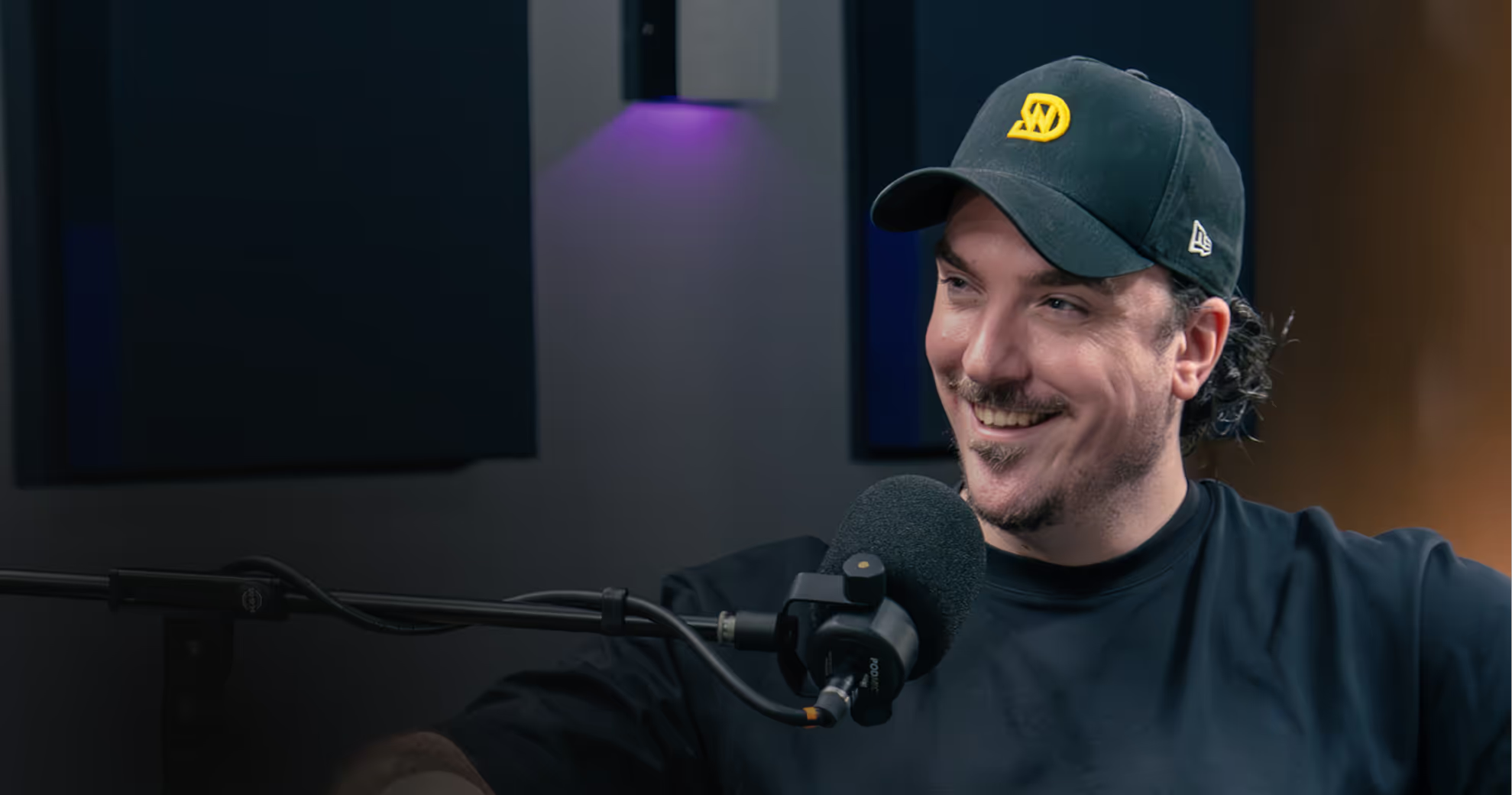
Work With Me

Enquire With Dain’s Team
Enquire For Speaking
Let's Get You Branded
Apply to be a guest
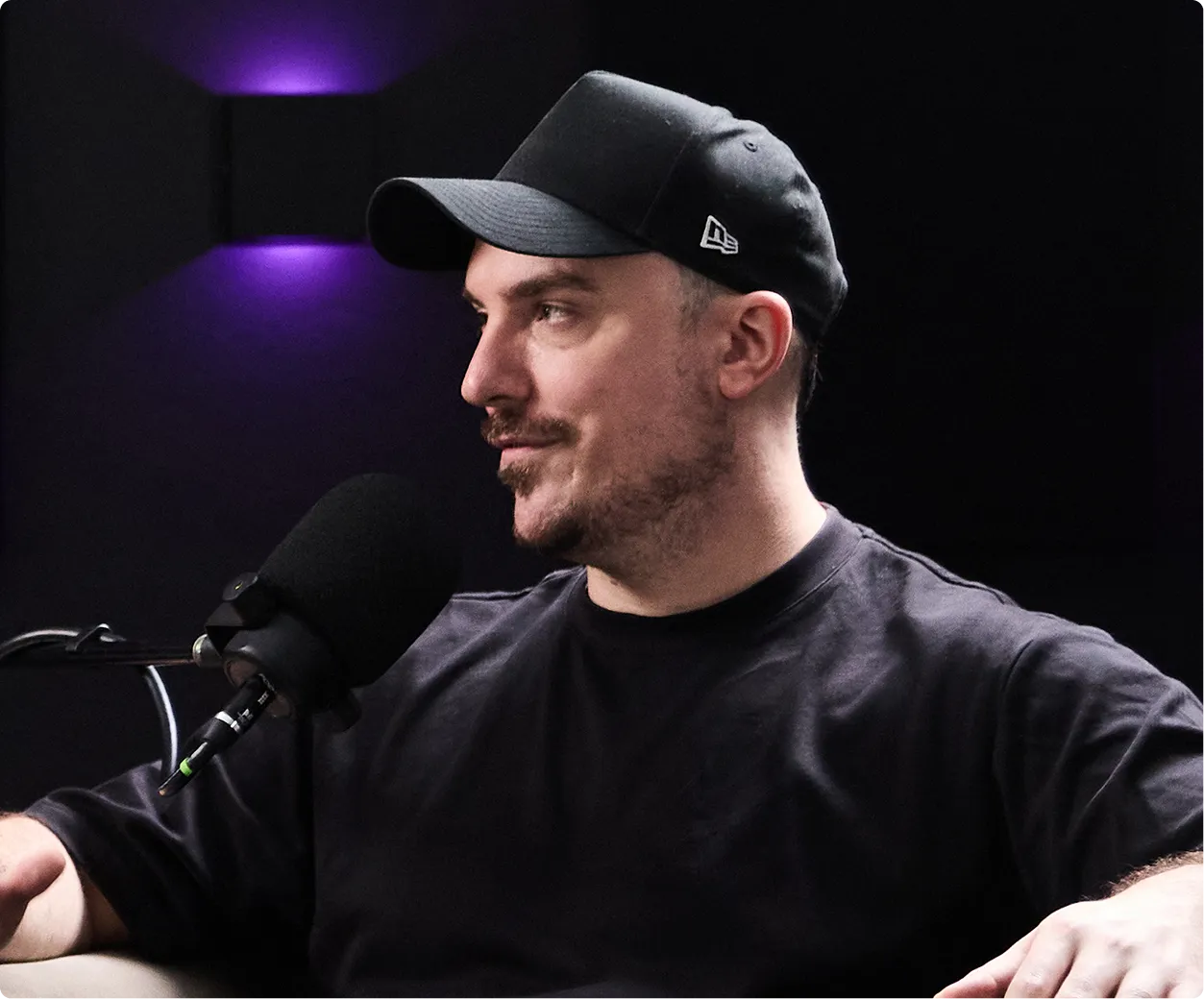
Dive into insights from industry leaders and experts.

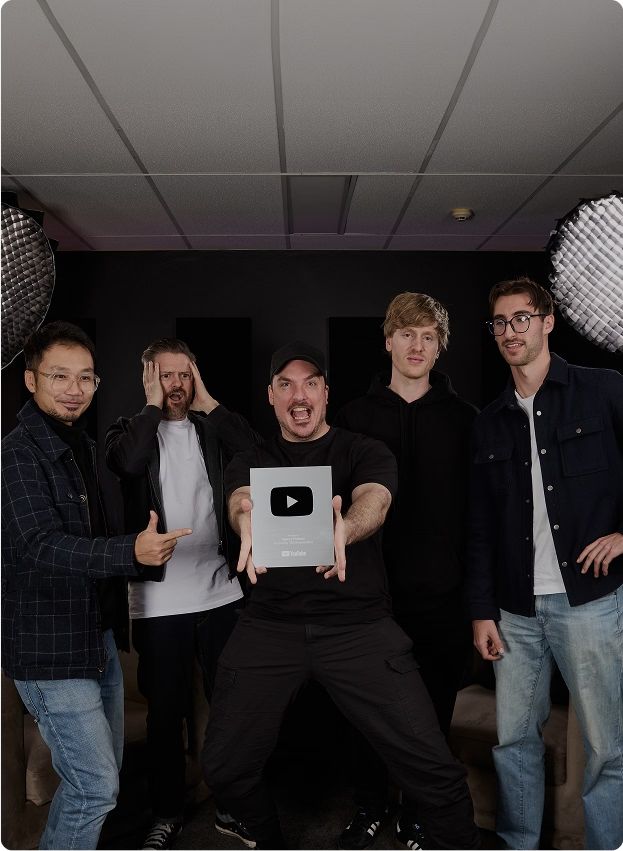
Stream now
Dive into expert advice and industry trends.