



TLDR
Summary
In this wide-ranging interview, Nathan Chan, the CEO of Foundr, reflects on 12 years of building a global media empire and the insights gained from interviewing the world’s most successful entrepreneurs. Chan details his transition from a solo founder in his parents' basement to a leader managing high-performing teams, emphasizing that business growth is fundamentally a reflection of personal growth and leadership. He explores the psychological challenges of the "entrepreneurial journey," including the dangers of ego during success and the resilience required during moments of near-failure. By breaking down nine core principles, Chan provides a strategic framework for scaling businesses, nurturing company culture, and maintaining long-term focus in an increasingly distracted world.
Highlights
- People-Centric Growth: Chan asserts that while founders can achieve initial product-market fit alone, scaling to significant heights requires the ability to identify and empower "10x leaders" who share the company's vision.
- The Broken Window Theory of Culture: Company culture is defined by what a leader allows; walking past bad behavior or poor performance effectively endorses it as the company standard.
- Weaponizing Adversity: Using Ray Dalio’s formula of Pain + Reflection = Progress, Chan explains how his greatest business failures—including a $500,000 monthly loss on ad spend—became essential lessons for building a more stable, predictable revenue model.
- The Gatekeeper Protocol: To access high-net-worth individuals, entrepreneurs must treat executive assistants and PR agents with the same respect as CEOs, leveraging book launches and mutually beneficial exchanges to secure interviews.
- Shiny Object Syndrome Matrix: To combat distraction, Chan utilizes a three-part scoring matrix to evaluate new ideas based on Ease of Execution, Financial Impact, and Customer Impact.
- The 80/20 Content Strategy: Drawing from his early success with Richard Branson, Chan advocates for giving away high-value content for free to build trust and long-term authority within an audience.
- The "It’s Never Enough" Virus: Chan discusses the relentless pursuit of growth and the difficulty of finding peace in entrepreneurship, noting that many successful founders struggle with their identity after exiting their businesses.
- Trust as a Speed Multiplier: High-performance teams move faster because they have high levels of trust rooted in vulnerability; without this, internal friction and micro-management slow down innovation.
Transcript
00:00:00
So Nathan, you have spent 12 years building founder. You have interviewed titans like Tony Robbins, Alex Hozi. Today we're doing something a little different together. You're going to break down the best frameworks that you've collected from around the globe. You spent so much time. You've been able [music] to interview like so many successful people that have built these iconic brands, right? What what is it that they do differently than anyone else? And this is like the number one
00:00:24
question that people ask me. Like [music] I think every single one of these people, you see them, but you don't actually see the people behind them, all these incredible teams because it's so simple, but businesses are built by people. You have to really find a way when you're winning in in life and business. And that's the moment when you actually need to be super paranoid of like keep it in check. In my life, I always learned things the hard way. Those are always your best lessons, right? Like
00:00:57
your greatest adversities, [music] if you stay at it long enough, become your greatest gifts and your greatest lessons. [music] Entrepreneurs are modernday artists. You look at a business and it's like a blank canvas. [music] What was the most valuable thing to me? I gave it away for free. 80% just free value content and 20% right hook. >> What has been your relationship with the pursuit of the next win? >> So, this episode is brought to you by Wix Studio. Here at the agency podcast, we're
00:01:39
building a community and we would love for you guys to be part of it. So, we would love to hear from you. What are you enjoying the most? What would you like to see more of? and what do you think might be missing? Drop a comment. Make sure you subscribe. And now on with the show. Nathan, welcome to the Agency podcast. >> Thank you so much for having me, man. Pleasure to be here. >> I'm excited to have you here. I'm freaking out because for so long at the start of your journey, I was observing
00:02:03
what you were doing and in many ways what you created inspired not just people globally, but myself and helped me get some clues into what it meant to be an entrepreneur. >> Thanks, man. And yeah, look, it means a lot. I was thinking about cuz I'm in Melbourne. I'm flying over here and I was like, it was literally 12 months ago. I was in Mald Dives reading this book cuz I want to work on my personal brand. >> Yeah. >> And I was like, this I read your book in like a few days in the M divives and I
00:02:34
was like, this is amazing. I have to write to this guy. And I wrote to you and became friends and here we are. >> Here we are, man. and we've hung out a few times and I was like, "This is a crazy full circle moment." The guy I'd looked up to for so long is DMing me asking, "Hey, like can you give me some tips on personal brand?" And it's just really cool to hear about what you're doing, man. So, I'm going to read something out here for you and the audience just to kind of round things
00:02:58
out cuz I want to dive into what we're going to talk about today, which is nine different lessons that you've picked up over 10 years of interviewing people at the highest stature on the global stage around the world. So Nathan, you have spent 12 years building founder from a physical magazine to then a digital magazine and now an online platform training entrepreneurs globally. But that's not all. There's more to come. You have interviewed titans like Tony Robbins, Gary Vee, Alex Homozi, Sir
00:03:27
Richard Branson, and many more. On this journey, you have identified nine core insights on business, teams, and leadership. Today, we're doing something a little different together. You're going to break down the best frameworks that you've collected from around the globe, having sat face to face with many of these people. And I can only imagine the just the deep knowledge that you've collected by seeing all of these patents sit together with how these people think, behave, and do life in business.
00:03:58
So let's begin with the first principle, and that is that great leaders build great teams. >> Yeah. So here's the interesting thing. This is this is like the number one question that people ask me. They're like, "You've hung out, you've spent so much time, you've been able to interview like so many billionaires, so many successful people that have built these iconic brands. Like what is the unique thing, right? What what is it that they do differently than anyone else?" And
00:04:26
fundamentally, I think every single one of these people, you see them, but you don't actually see the people behind them. all these incredible leaders, all these incredible teams that have helped them build this amazing company. And I think that is just like it's so easy to forget. It's like so the best founders, the most successful founders, they are great leaders and they know how to find and identify incredible people because it's so simple, but businesses are built by people. And I know you know this,
00:05:02
like I've met some people on your team and they're incredible, right? And it comes to a certain stage when you're building your business that you can't do it all yourself. >> You can have co-founders, right? You and I are solo founders. I know the pains that you have. It's a very lonely journey. But eventually your business will get to a point where you need other people to help you. And you need to surround yourself with talented people that can move your vision forward at any
00:05:27
level, even at the highest levels. So if you want to play at the highest levels, you need to understand how to build great teams, how to find great people to bring your vision to life. And it sounds so simple, so often overlooked, but leadership is the key to scaling. And it's something that I've learned so many hard lessons which you can I like we can go into as deep as you want with founder. back, you know, I've hired executives at, you know, a half a million dollar a year salary and I've
00:05:59
always ran the business to the ground. I've hired people that, you know, stolen from me, like all sorts of things, right? I've never even talked about these things. And after a while, you begin to realize, right, like these people that you hire, it is so crucial you get it right. and is so crucial that you build high performing teams and it's not enough to just go out hire somebody that has a great resume like it is well beyond that. When you think to yourself, the rooms you've sat in, I imagine you've not only
00:06:34
just interviewed these people, but you've immersed yourself in their team behind the scenes working with their assistants, their administrative crew, what have you, PR agents. When you're in these rooms with these people, what's something that you've picked up on that is distinctive or obvious to you at that point that otherwise you wouldn't normally see in the world? A lot of I've interviewed a lot of these super successful founders, right? And some of them I can tell you that unfortunately
00:07:04
they're not they're not the person that you might see on the outside. Um some of them are, but some of them aren't. And what's been really interesting to me is I never forget I've interviewed Tony Robbins two times. and uh the first time I interviewed him. It was in my parents basement [laughter] and he had this Skype name. It was like m back then when you used to do interviews it was on Skype and used to use this software called like ecam call recorder and I was in my parents'
00:07:43
basement. It was early days founder. It was starting to kick off. I got this interview with Tony Robbins, front cover feature and um you know I had a falling out with my housemate so I moved in my parents' basement. Literally, I had the computer there and my bed was next to me and I just rolled out of bed and I had to do this interview at 3:00 a.m. with him Melbourne time and I logged on to Skype. Well, in fact, I couldn't log on to Skype because there was no power [laughter] >> because they did a power outage at 3:00
00:08:16
a.m. >> and I had to I had to pull up my phone and be like, "I'm so sorry, but I can't do this interview because there's no power at my house." And then I rescheduled. And then I eventually did that interview with him a couple months later and it was amazing. And then he launched his new book, Money Master the Game. Money Money Master the Game. And I flew to New York and he remembered me and he was just like, "Oh, Nathan, I remember our interview." And he was just like such a great human,
00:08:54
incredibly present, incredibly humble. And that is one thing that I've noticed amongst super super successful founders. You think from all that they have achieved, they have a they must have a massive ego. They must have a massive head. But the best the best of the best, they are just incredibly humble people. And uh you know that was a great example of someone that I'd met have a lot of respect for who was the real deal that uh you know he was just a really really good human really good guy and uh it was
00:09:28
really cool that he remembered and we were talking about that story and yeah he was just he was just a great guy and then I never forget soon as we finished the interview he's out right the way that these guys maximize time that's another thing I've noticed which is really really crazy. Like I remember, you know, cuz it's not just the interviews, right? These are people that sometimes become mentors, sometimes become coaches, sometimes I just hang out with after after the interview or I might go and meet them
00:09:58
for coffee when I'm next in town. I never forget like I did um an interview with Seth Goden and then I was in New York as well. I I caught up with him and it was really it was really crazy like we were just having like coffee at a cafe and and like so many people like come up to him. I was like are you Seth Goden? Oh wow, it's Seth Goden and he's like are you Seth Goden? He's like that I am. And but just like as soon as the clock for that hour was done, he's like, "Yeah, thanks guys. I got to run." Bang.
00:10:30
He's gone. Like the way that people think about a lovely guy. Like I was just in town. I wanted to catch up, you know, gave me a lot of golden advice around founder and where how I should take it forward. And so yeah, those are a few things that I've noticed around like that you might not think would be the case. Now when you meet these people and you observe their teams and you think to yourself, "Wow, they have such a excellent structure around them of significant people that are high trust,
00:11:01
high agency." When you're conducting these interviews, a lot of them have noted to the fact that finding the right people can be really difficult. >> What are some of the challenges that you've seen some of the biggest names in the world have and talk about when it comes to hiring? And what have they said about why it's hard? >> So I think I think the biggest thing there is when you want to hire someone, welcome them, you welcome them into your team. I think you've got to you've got
00:11:33
to find out if what they are telling you is actually true. And often times they're probably embellishing it, right? Like I've done it myself. I'm guilty of it, right? Like you know, I was, you know, I used to work uh you know have corporate jobs and stuff and you just tell people all sorts of things, right? And I think what you'll find is usually the best people and I found this this in my experience is some of the best people aren't looking for a job. >> Oh, >> because if they were that good,
00:12:07
like they'd be in their current role. You see where I'm going with this, right? >> And or it's usually someone in your network and all these different things. that I found from my own personal experience, the best people that I've hired have been people from my network, the people that are not looking for roles, the people that are in the founder community that are behind the mission and the vision. And I think, you know, when it comes to, you know, super successful founders,
00:12:34
some of the things that they've shared with me, the things that they've got wrong, it's around and and it's like a right of passage, right? Like you just have to get wrong so many times. you have to learn the hard way. No matter how many playbooks there are, uh I think you'll find that unfortunately you just get it wrong and it's it's really really tough. But what you'll find is you will get better over time because it's very very painful. >> It is painful to hire somebody, spend a
00:13:02
bucket ton of money, you know, use a recruiter, pay the recruiter fee. I know you've probably done that too, right? You bet. and then that you introduce them to your team. They're managing certain people managing leaders or leaders amongst leaders and and then it's not working out. It's just not working. You have to move them on. It's very very very costly and it hurts. It hurts massively. And you know these people sometimes go out and hire other people. And I found from my experience, usually when you
00:13:36
hire somebody that doesn't work out, that's a leader and then they hire people during their tenure, they end up leaving too because that relationship, that whole onboarding experience, all this kind of stuff. So I think first and foremost, one thing that I've learned from working with successful founders and learning from them and all the mistakes they've made with hiring is it starts with the vision. That's the most powerful tool that you can use at your disposal. If someone truly believes in
00:14:02
your vision and what you're trying to build and it is well beyond just a salary, well beyond just a job, that's where you have to start. Then it has to go then you go a step down. It's just like, okay, what are your values? What are the things that are important to you that really drive the culture of your business? Now I never forget one of my mentors you know had a super successful exit very very smart guy when [snorts] I was trying to go through this stage where I was like you know I I'm trying
00:14:35
to build a culture like I but I don't know what my culture is and he's like well look Nathan whether you whether you have values and whether you can you know clearly articulate it you will have a culture every single business has a culture and this is what Ben Horowitz taught me is Like it's not what you say. It's not like the pingpong table or anything like that. It's what you do. So if somebody first starts at your business on the first day and everyone rocks up to a meeting late just shows
00:15:10
what's acceptable, right? So it it starts with your culture. It starts with your values. It starts with your vision. And then you work your way down to find the right people. And then fundamentally you want to find just good people like good quality humans and uh yeah I think those are the core things but one thing I can tell you is you always get it wrong [laughter] like and and it's just normal and you just have to accept it and I've wasted hundreds of thousands of dollars on recruiter fees maybe millions
00:15:45
at this stage I don't know but it's a tough lesson but you you just work through But but I think I think the biggest thing you have to get right is just getting your values, getting your culture, really knowing if someone will succeed and then also making sure success is really clear. So often people like they want to hire for a role and it can't be clearly articulated what success is and then somebody comes into the business and they're not succeeding because you haven't clearly outlined it.
00:16:20
It's just basic stuff like that. >> What do you think is more expensive, hiring the wrong person or spending the money to find the right person? [snorts] >> I think we know the answer. [laughter] Like it's something >> if you were to break it down to a science. >> Well, look, you if if it cost you if it cost you what it cost you to get the right person, you do it any day of the week because the right hire can really change the game in your business. Now there's a concept in
00:16:50
Silicon Valley which uh people you know plenty of people I've interviewed have told me about is this idea of a 10x engineer right where you can get one developer one engineer that can do the work of 10 >> now with the power of AI you can probably get one developer to do the work of 20 30 40 like if you find an absolute weapon well the same goes for any role any function in your business so it's your job to go out and find that 10x person that can be an absolute gamecher and a real leader and then that
00:17:26
person can go out and create more leaders in your business. And you really want to have this culture. This is one of the things that my my leadership coach taught me, Gary Douly, is like the most iconic brands just have leaders everywhere you look. And they want to be challenged. They want to grow. They wanna they want to push. They want to challenge others. They want to set the standard. They want to lead by example. If you can have that everywhere you look, like everywhere you look in the business, there's just leaders that are
00:17:59
killing it. They're crushing it, that are doing so well, and they're setting examples. Um, that's when you can build a really strong business. And that's where anything can be achieved. I'll give you a great example. I interviewed the founders of High Smile and uh you know they they've been in the news lately because their revenue is nowhere near what it was but their profits have massively increased and they're based out of the Gold Coast. I met those guys. I followed their journey. We've always
00:18:31
wanted to do an interview. We've been want to do an interview for like 5 years. They finally come to Melbourne. We locked it in in the studio. And um the first thing I want to ask these guys is you're based in Gold Coast and you're playing at the highest level. Like you're some of the biggest spenders on paid ads and you're just based in the Gold Coast. Like they they were spending like hundreds of millions of dollars a year on paid advertising on Facebook ads and stuff like that. And I'm like like
00:18:58
you guys you guys are playing at such a high level like how like there's no way you can find that talent like and their marketing is next level. all their creative is is just like on point. And they were just like, "Look, Nathan, it starts with the culture. Like we like, you know, we both come from a soccer background and like a sports background." and they just like found junior kids that were young and hungry and they just just had like just leveled them up and just like identified great
00:19:28
leaders and then and if you go and look at their LinkedIn and look at their team like you've got so many different leaders in their function that has been there for like four years, 5 years, seven years, 8 years, 3 years and they're being constantly promoted. So like that's the key. It's like you need to be able to just have leaders everywhere you look and be able to develop those people. But it starts with a really good set of values. Then it starts with the culture and it starts
00:19:53
with the vision um and the standards that you set. >> If you want to grow your agency, you need more than just a website builder. You need Rick Studio, the all-in-one platform that's built to help you scale. Design smarter in a hyperflexible, responsive editor, cherry-picking whatever clients need from pre-built UI elements and templates. Deliver robust backends with built-in e-commerce solutions for every industry, letting self-maintaining infrastructure just run itself. Stop reinventing the wheel with
00:20:26
every project and instead create a sharable design system with reusable assets, apps, and components. Clients growing too fast? No sweat. Wix Studio AI powered CMS lets you turn a single layout into hundreds of additional dynamic pages. It's true. More clients no longer has to mean more chaos. Wix Studio gives you one centralized view of every project and makes real-time collaborations seamless. Do your agency's best work at scale. Build your next project on Wix Studio. When you're conducting an interview
00:21:03
yourself, what's one question that you personally really like to ask that acts as a signal of who the person in front of you really is? >> One thing that I always find really interesting is you look at the person that's super successful, they got the brand, they got these establishments, they got the the views, the customers, whatever, right? The millions of dollars, billions of dollars, whatever is. And you and I have been through this, right? You're very open about your journey and I try and be open as
00:21:36
vulnerable as I can with mine. He's like, I want to know what have you had to sacrifice >> to get to where you are? >> What have you had to give up? What has happened where you've come so close that you were flying so close to the sun that your friends, your family said like don't like this isn't worth it. like tell me those moments. That's what I'm interested in because I keep talking about these right of passages but there's like these clear like you know heroes it's it's just all the
00:22:10
hero's journey right like there's always this clear arc where things are so tough like I can be honest like there have been times where business has been so hard for me that like you know I've even thought is founder going to get to the other side of this like where I've like up so bad like I wake up I'm like heartbeating really fast, stressed. I'm crying and I'm like, I don't know if I can do this. Like, I don't know if I'm going to come to the other side. Like,
00:22:38
that has happened. Like, I've I've driven things that far into the ground. And I think every single founder that has built something of true worth and significance, they have to go through this right of passage. They don't have to, but for some reason, they just do. And I remember a mentor said to me once, he said like, "You know what, Nathan? Like people always judged people always judged if they failed, right? Like if they you know they they've created a business and it didn't
00:23:09
work. And the thing is right if you're trying to do something that nobody's ever done before, if you're trying to build something great, like if you're not like getting close to fail, you're probably not pushing hard enough. You know what I mean? Like and and like I know you've been there. I know that you've been down in the dumps and you're just like, "Fuck, >> I don't know if I can do this." >> And I think like that is a common thread that I see amongst founders
00:23:37
>> and I know it's so scary and you can get so anxious and you just like just sweating absolute bricks maybe for months like there's periods there. It's like Scooter Brawn said to me, man, like he said like, and I keep recalling because I'm recalling trying to recall these things. Like I remember Scooter Brawn, he said to me, um, you know, Nathan, like there's some times I've had in my life where people look at you and they think from the outside you are absolutely crushing it and they just
00:24:06
don't know behind the scenes how tough things truly are and how you're almost at breaking point. Like I remember this one founder, he's got you know $100 million company and um you know he he built this business doing like you know 30 40 million a year try to grow it and um go to that next level. It just wasn't working. Business was going backwards. Starts to lose a m a lot of money like starts losing money then starting to lose a lot of money. stressed out of his brains. His family's telling like just give it
00:24:47
up. Throw in the towel. It's not worth it. You can't live your life like this. And um he just want like slowly but surely replaced his executive team, like the leaders in his business. And slowly but surely he turned it around and now the business is like doing 3000400 million a year. and um super successful guy. I remember I sat down and had coffee with him and he he said the same thing I said to you at the start of this interview. It's like businesses are built by people and the reflection of your business's growth
00:25:26
is your own personal growth but then also the people around you in that business. Right? And that's all the game is like yes we can start a business. Yes, we can get sales. Yes, we can get product market fit by ourself. Now, with AI, we can get to a million-doll year business by ourself. But if you really want to build something massive or something of true worth and significance, it starts with the people. It ends with the people. And it's your job as the founder, the number one thing you have to do is do whatever you can to
00:25:59
surround yourself with great people that can help you move the business forward. >> You're you're speaking deep into my soul at this point. There's there's been times where things get pretty dark as an entrepreneur. What's a moment that you reflect on where you felt that there was no means to get through an obstacle? Um yet you persevered anyway. >> Yeah. So I went through a stage with um founder where we were just crushing it like doing real well. And I never forget
00:26:35
I never forget reading this comment once like I launch something and was put on my personal Facebook and you know like you know I don't know about you but on your personal Facebook you just like have all these people you don't know right that's my personal Facebook and I'll never forget [snorts] someone they wrote a comment that said gez everything that Nathan touches turns to gold And that was like the most dangerous thing for like someone like me to read because you've got a guy that
00:27:14
never succeeded in anything. Like I didn't I wasn't really, you know, very academic. I like scraped through high school, university, was like lucky to get a job in my profession. And then I was yearning to do work that really kind of lit me up. And then I started, you know, playing around with online business, end up starting founder of my first business and built this great thing and had so much of my identity tied to it. And uh over time, I built a bit of an ego. And it might not have seemed
00:27:55
like that on the outside, but on the inside I was just like, "Yeah, I'm the man." Like [laughter] like you know, everything Yeah, he's right. And you start to believe it like, "Yeah, anything I touch can turn to gold." And what happens then is is is a very very dangerous dangerous thing, right? And and now I started just hiring a ton of people and just going so aggressive, just being so silly and just like like spend so much money. Couldn't spend it fast enough on trying to grow founder.
00:28:30
And um I remember it was really interesting. You remember I was going to I was looking to rebuild my leadership team and I was looking to bring on the best of the best executives and this one guy he wanted to get paid $600,000 a year and I was almost hired him. He was a weapon. I showed him the P&L and he said to me, "Oh, look, from what I see like your return on your Facebook ads, it's like not going like it's it's on a decline." He's like, "What's your plan
00:29:01
there for that?" like, you know, spun him some story or whatever. But anyway, it didn't work out because we couldn't make a deal work what he wanted. And what he said actually happened um but in a really bad way that unfortunately overnight maybe 6 months later, overnight we were some of the biggest spenders on Facebook ads overnight our return on investment went from like let's just say like a a 1.3 1.4 four, whatever. It's like a 0.6 like that. >> Whoa. >> And we were spending, you know, a
00:29:38
million dollars a month. >> You were spending a million dollars a month? >> Yes. >> On ads? >> Yes. And it just broke like that. We lost half a million dollars that month. And I was like crying in the corner like just bam, just gone. Like half a million bucks. Bam. >> Jeez. And I'm like, "Oh my god." Like, "I don't even know. Like, what am I going to do? How am I going to get through this?" And I've never done a layoff before. Like, and I didn't know how I was going to get
00:30:13
through it. And just all you can do is just take it one day at a time and just work through it. And you like you care. You know, this is the guy, remember? This is the guy that touches anything, it turns to gold, right? and big hit to your ego, really brings you back down, really humbles you. And now I'm so grateful for all of these tough lessons that I've had like trying to scale a business, first business, and then gone backwards and then gone back like be because what it does is it teaches you the lessons that
00:30:48
you needed to learn. But uh yeah, man, that was a time for me where like I didn't know if if I could ever get through. I I just I couldn't see it. Like imagine like what it felt like was imagine being in a well and you can't get out and it's trapped and all you can see is darkness. Like it's so high. You can't see any light. That's that's what it felt like. That's that if I could describe it and I couldn't see ahead because I was so just man Yeah. I don't know how but I
00:31:24
did. I took it one day at a time and thankfully I've got incredible friends and family around me that supported me and I just was able to work my way through and just rebuilt the business, rebuilt the whole model. >> If you had to pull like one lesson out of that moment in your life, what do you think it would be? >> Two things from a business context. I'm a big fan now of of just predictable revenue and never extending above it. And I know it's a basic one and many people be like, "Yeah, that's a
00:31:55
standard." But like now you want to run your business where your predictable recurring revenue that is predictable is pretty much coming close or not far off or covering your your hard fix costs, right? So then you you're never in these kinds of positions where I was. Um so that's the first thing and you know so it's a business model type strategic move and that's something. And then and then the second one is I think you have to you you have to really find a way when it comes to when you're
00:32:33
winning in in life and business and you feel like you're on top of the world. Like the amount of founders, super successful founders I've spoken to where like when you feel like yes, I'm winning. Yes, this is working. How good is this? This is amazing. That's the moment when you actually need to go harder and that's the moment when you actually need to be super paranoid of like like keep it in check [laughter] like don't go stupid you like like cuz it's so easy to get excited so easy like
00:33:02
I never forget one of my coaches like I was telling him like you know we hit this now I'm going to hit this and he's like hey wait a second Nathan you need to check yourself he's like he's like that's you're in a very very dangerous dangerous like mindset. So, you just got to you got to find a way to really like personally and professionally have your ego in check check yourself. Try and like just Yeah. And and maybe, you know, in my life I always learn things the hard way. It's
00:33:32
like a known thing in my family. Like I just always learn things the hard way. And uh sometimes they're the best. Well, not sometimes those always your best lessons, right? Like your greatest adversities if you if you if you stay at it long enough become your greatest gifts and your greatest lessons. >> Wow. >> Like yours, right? Like when I first started Founder, it wasn't even called Founder. It was called Key to Success Magazine. And in the first 4 months, no, in the first 3 months of launching Key to
00:34:05
Success Magazine, we were sued by Success Magazine for trademark infringement. And I remember saying to my mentor at the time, one of my mentors, he's now a he's now a co-founder of a company called Luxury Escapes and massive massive business, boondog business. And um I was I was freaking out and like man I'm like I'm so scared. And he's like what are you scared of? I'm like I'll go bankrupt or take all my money. He's like do you have any? Like no. >> He's [laughter] like what do you got to
00:34:39
worry about? >> You know what I mean? >> Yeah. >> And in the end all I did was change the name to founder. It was the best thing ever. Like how good is the name founder? Like if you think of like entrepreneurial brands, I know you're a brand guy on a brand like this is it a branding show like like come on man like >> it's a way better brand for real >> founder like we own the word like do you listen do you read do you watch are you a member of founder >> like
00:35:05
>> it's it's way better it's one of those things that if it were a movie you'd be glad it happened. >> Yeah. >> Yeah. Okay. I would love to move on to your second principle which is weaponized adversity. You talked about how Ray Dalio has a formula pain plus reflection equals progress. Most people feel pain and skip the reflection. Why? uh because it's so painful that they just want to move on and they just want to like get away from it because it's just so
00:35:44
painful, right? Um and it's just not something you want to deal with. It's not something that you want to relive and it's kind of like how I was saying before like your greatest adversities, I believe, if you let it can be your best lessons, can be your biggest blessings. It's like I remember, you know, I was speaking to someone I used to work with and he's like he loves this philosophy and he shared it with me. I love it too. It's like it's not what happens to you, it's
00:36:13
what happens for you. >> Oh, that's a big difference. >> And if you truly believe that and look at every single negative thing that happens in your life, it's just such a great reframe. And there's reflection there. There's lessons. like you know I shared a golden one with you now it's basic for many but like how I run founder now like like around you know subscription revenue right and like you know hiring like you more than ever right I'm so interested in like triing you out testing you out
00:36:47
like so many people can talk a big game right so many can get their friends to do a reference for them but like okay well let's go for three months let's see how it goes you got to hit this if you don't and like unfortunately it's not going to work. So I think I think what I love about Ray Dallio is he's obviously pushed it to the absolute limits and he's been in business for over 50 60 years and he's documented every single lesson. That's what I interviewed him about is he documented every single
00:37:23
lesson and every single thing that he's done wrong and he spent a lot of time reflecting on that. And that's how you move forward. That's how you develop. That's how you grow. And the best founders are learning machines. You know, I remember speaking to um Drew Houston, founder of Dropbox. >> Oh, >> big company. >> Wow. And um you know what is it that sets like Dropbox apart from you know other Silicon Valley businesses right it's you know obviously starts with the product
00:37:58
but fundamentally it's the founders it's it's the founding team and you know it's the leader and and and the leaders ability to grow is is dictated by everything they're learning like you have to be a learning machine and uh you know that's something that I'm very very passionate out that I've learned um from Ry, but just it's something I always try and be mindful of, right? Like anything that you get wrong like like I can document like that that's content right
00:38:27
there. That's a book right there. Like uh yeah, so that's how I um yeah, that's how I like to think about it. When you think about how founders need to spend time in reflection to really learn, adapt and grow, what are some things that you've done for yourself or you've observed along the way that have been a powerful tool or way that people can do this for themselves? >> Yeah, so um I like to turn into content now. >> That's that's a big one. So I've got um
00:38:54
you know I got my notes. So even like you know I was on the Uber on the way here and I was thinking about something and you know I got 20 26 reflections. log it. That that could be a potential piece of content. But yeah, I'm just constantly trying to document in my head anything that I'm thinking about, if I'm reflecting. And for me, when I reflect, it's often when I'm in transit, I I have really good reflections with transit. I also like to use chat GBT. I'm like, I don't know about you, man, but I
00:39:24
constantly bounce off chat JBT now. not as a consultant, but just as my second brain. And I'm building some really, really, really cool stuff with notion. I got this guy teaching me how to build my second brain with notion, and I'll move everything there to notion. But like just constantly reflecting there. Um, and then, yeah, using it as content. I think that's really, really cool. Uh, but then also journaling, right? Journal over there. Just pouring my heart and soul into my journal. I think it's a
00:39:55
very therapeutic process because it's easy to forget, right? When you're running at 100 million miles an hour, calendar's like everything is set. Even if it's, you know, family time or like everything set, you want to optimize and maximize and get the most out of your time. Um, it's easy to forget. >> Really, really, really easy to forget. So if you can just have a process where you are documenting in some way, shape or form, even if you don't want to share it with the world, I think it's uh I
00:40:30
think I think it can be really powerful and and you can learn from that. >> A great example I've seen of that and I'm sure you admire it as well is meditations by Marcus Aurelius. >> And if people don't know this, it wasn't a book he authored. It was his journal that someone discovered and turned into a book. And some of the most beautiful, prolific, intense reflections I've ever seen a human write are in that book. And I think about your story and what you're
00:40:59
sharing with me about these different times where you've faced adversity and you've taken lessons from them. They're not just lessons, they're charged with emotion, stories, people, and experiences. And in that, one of your reflections was that you've admitted to having what you call the it's never enough virus. >> What has been your relationship with the pursuit of dopamine and the next win? >> Yeah, I I like to ask founders this question as well. Like I remember I asked um one
00:41:33
of the founders of Reddit, Steve Huffman. I said to him, "You've created one of the most visited websites in the world. You have enough money that you never have to work again. Is it ever enough?" [laughter] And same response as you. It's like you just laughed and I was like, "No." asked the same question to Joe Jebia found one of the founders of Airbnb created once again one of the most visited websites in the world the number one place that people use to for accommodation when they're traveling in
00:42:16
around the world once again has enough money for generations will never have to work again is it never enough is it ever enough and I think I was having this really good conversation with um one of my friends that's a founder and he's I really I really like I'm a little bit envious because he's found like just this like extreme stage of peace in his journey right now and he's comfortable that his businesses will grow his business will grow 10 to 15% year on year. He's like he doesn't want to sell
00:42:55
his business and he's had, you know, he could sell it for tens of millions of dollars, you know, life-changing amount of money. He's and the business is spitting out really good free cash flow. So, he's making like millions of dollars in profit every year. And he doesn't have to work. He could sell the business. He doesn't want to sell the business because he said, "Nathan, like the amount of people I know that have sold their business that are miserable, and I hear this often, too. Like I've
00:43:24
interviewed founders that have sold their companies like 100 million and they're depressed and they don't know what to do with themselves." And yeah, he's like, "No, like I wouldn't I would only ever sell my company if I had something else like from a work perspective that I wanted to do." and he's not interested in chasing growth in the slightest. He's just so at peace. He's, you know, tried the He's tried like spending money on philanthropy, but it didn't do like
00:43:54
didn't get the same kick. He tried to do the cars stuff with the Lambo, didn't get a kick. And for him, he's just so at peace with his calendar, his schedule, his life. I'm not there yet. [laughter] So I struggle to answer that question to be honest with you Dane because you know one thing that I feel really privileged and blessed that my mom has shared with me is she's like Nathan if you die tomorrow you should feel really grateful because you have lived an incredible life and
00:44:33
sometimes not a lot but sometimes we talk about my unfortunately my best friend at the time Aaron who passed away. And in many ways it felt like he was robbed because you know me and him we went to kindergarten, primary school, high school, university. We traveled around Europe together and he passed away six seven years ago and you know he didn't he didn't get to really kind of like your 30s your 40s is when you supposed to you know your 20s like you really really live like unfortunately he didn't get to do that
00:45:10
[clears throat] >> and so for me I'm just like trying to get the most out of life like and the reason I bring up Aaron is because when he passed away that was the first kind kind of encounter that I had with death that I realized you know what like life is too short like it is never enough like I want to keep getting more from life I don't have that sense of peace that my friend has like I just want to keep pushing and and growing and having fun and having these experiences and and
00:45:39
you know I remember before the whole entrepreneurship game I used to be really into personal development like I found personal development in my early 20s you know self-helping and all that kind of stuff. And >> it's not as it's maybe a bit cooler than it is now. I think it was a bit dorky back then. >> It was really lame when you and I were doing it. >> Yeah. >> Cuz I think back when I used to tell people I had Tony Robbins tapes. >> Yeah. >> They were like, "Why?
00:46:03
>> Why would you listen to tapes about some guy talking?" >> Yeah. >> Yeah. [clears throat] >> So, [laughter] so for me, I you know, I once read a book, dude, called Dying Well by Iraq. >> Dying Well. >> Yeah. And it's a book >> about how like death, it doesn't have to be this miserable thing and it can be a really beautiful thing. >> And so, dude, like I've done a lot of work on myself and I've done a lot of work to get where I
00:46:34
am today and I don't want to slow down at any point, but family is important to me. I don't have a family yet. Maybe maybe that sense of peace and will come. Yeah, I don't know. But for me it's never enough right now. No. >> What's your thoughts on the young founders or any founder who is in pursuit of a big exit for the sake of getting a number? >> H look [sighs] I can't relate to that personally but I can respect it because it's a goal. >> Right. >> And you got to have a target.
00:47:10
>> Yes. >> Right. You got targets. >> Oh yeah. >> I got targets. >> Yeah. Everyone's got targets, man. Even Even if it's like, you know, I'm getting married. I got to get back to that singledigit body fat percentage, dude. [laughter] All right. Like, we all got a target, right? So, so I can respect the target. Um, >> but yeah, I can't I can't relate to it. I can't I can't relate to that because I built Founder [snorts] truly just to do work that I'm
00:47:40
passionate about. And my philosophy whether you start a business or not is is life is too short to not do work you don't enjoy. Life is too short to not do work you don't enjoy. So for me I created Founder because I wanted to find work that I was passionate about. And as long as I get to do that I'm good man. Yeah. >> Right. And and that's my this this is like entrepreneurs are modernday artists. You look at a business and it's like a blank canvas and you can paint and create however you feel and
00:48:23
whatever comes to you, right? And that's how I see entrepreneurship and and building a business is is like I've I've got this canvas and I can create and morph and change and put whatever colors and whatever textures and do it however I want and that's what I love to do. Um, however, if you are a founder and you are building for an exit for a certain number, I respect that. Uh, but I don't know, for me, um, you know, there might be a time that I might one day exit founder, uh, and
00:48:58
take some money off the table and it' be great. Um, but I never built it to exit it. And I think it's just a very different way of looking at things. And so I guess everyone has goals, everyone has targets. So I can respect that. >> I love that answer. I've never heard anyone describe building a business as art. >> If you think about a blank canvas, being founder, what are you trying to paint? >> Yeah, great question. uh really kind of an ecosystem like a like a fullyfledged ecosystem to really
00:49:34
help founders build and grow businesses in particular really focused on serving an ecom founder. Uh that's that's what what over time, you know, founder was for everyone, but over time we're really really focused on helping ecom founders now. And so the software, the all-in-one solution, you know, the software, the coaching, the tools, the support, the training, the community, allin-one, >> allin-one solution, allin-one ecosystem, that's what I'm really really focused on. And uh
00:50:02
>> if I if I may, like if if you were to think about how an artist is trying to say something >> through a framework or through a um a means of creating something. >> What is the expression for you to create something like this? I'm trying to create just an incredible place to learn from the best in the world how to how to build an amazing e-commerce brand and to connect you with those kind of people and in any way, shape or form, however you want to learn, however you want to
00:50:45
help, however we want to move you forward and just create Yeah. Just like the coolest ever. Pillar number three, culture is what you do, not what you say. >> Yeah. So, we touched on this at the start around teams and like, you know, finding great people. Um, and this is something that I've I've actually been working through like a lot lately, like in the past 12 months. Um, so I'll tell you a good story. Um, you can have one person that comes to your company and you think they're a bad hire, they
00:51:24
don't really succeed and then they go to another company and crush it. how and and uh I seen that and it it made me really reflect like what what is it that I'm not doing or what is the environment that I've created or is just a better environment for that person. >> I've seen this. >> Yeah. >> I've never been able to explain it. >> Yeah. Yeah. Yeah. And um obviously it's situational like it's not this is not a a a once off but what I've come to
00:51:57
understand about myself is in a business context I really really really want to be liked amongst my team members and you know friends you know if they do something piss me off I'll call them out on it like real quick. I got like no worries whatsoever. Like we're catching up. You cancel on me for the second time. Like that is not acceptable, you know? Like like go don't me around. [laughter] But if it's a if it's like somebody in the business and they're not doing what they should be doing,
00:52:42
oh man, the angst, the the anxiety like I just I don't want to deal with it. I don't want to say like and I didn't realize that for quite some time. And it was only you know you you know your unconscious becomes conscious and you realize you go oh wow I've removed you know another layer of the onion and um I've really really really for a long time as a CEO and a leader struggled to hold people to account and really struggled to have difficult conversations and be, you know, like I don't want to
00:53:25
be confrontational, but like have a conversation that could be perceived as confronting. And I found over time that came from me wanting to be liked. And I couldn't really understand it, which in the end it was quite silly because I would do everything possible to allow certain things to happen that shouldn't be happening. And I realized that and I realized I I yeah I re I realized that I I was allowing certain things to happen that shouldn't have been happening. And what I worked out was you walk past what you
00:54:06
endorse. >> Whoa. >> And can can we just like that hit me like a ton of bricks. Can can you define what you mean by that? >> Yeah. So if if if you have a business and you have a team and you have a team member that is consistently not hitting target and you're allowing it to happen, all of your team other team around you, you're you're effectively saying it without saying it that that is okay, that that is acceptable. Uh if you have a team member that you know everyone's working from home
00:54:48
on Mondays and Tuesdays and then everyone comes in Wednesday, Thursday, Friday and you have a team member that consistently doesn't come in on Wednesday, Thursday, Friday and you do nothing about it, you're endorsing it. And uh I'm not saying I've mastered this by any means, but I've come to realize that your culture, as I said at, you know, at the start of our episode, is is it's not what you say, it's what you do, it's what people see. And those things that you're doing as the leader, that's what
00:55:27
you're promoting, endorsing, silently approving, or disapproving of. And I just didn't set good standards. And so that's how you can have a really great person that perhaps if it's too loose, there's not good standards, it's not a strong culture, it's not a high performance culture, all these different things, right? They can actually succeed somewhere else. And so it's about setting up people for success as well. Um, and it it starts it starts and finishes with the leader. And
00:56:07
leadership, you know, rises and falls with the leader. >> There's a saying in criminology that what you walk past is what you accept. So if you think about a crime scene, if you walk past it, you accept it. You don't pay attention to it. And the broken windows idea is that small signs of disorder become permission for bigger problems. In the early days of Founder, what was an example of one of those broken windows that you kept walking past, never dealt with, um because perhaps you
00:56:43
were moving too fast, you weren't thinking about it, you didn't see it, that later came back to bite you in the ass. >> Yeah. So, I'll tell you about and I know everyone listening to this that's like a true true operator. You're in the trenches doing it. You never forget unfortunately the first person that you have to let go or fire or whatever you want to call it, right? We all >> first one hurts. >> Yeah. >> And it never gets easier, right? >> And um you know, my first ever hire,
00:57:17
great kid. Great kid. I was so stupid. I met him at an event and I gave him a job cuz I thought he had a good attitude. [laughter] Like that's how much I didn't know anything about this stuff. >> It reminds me of movies when some old guy is like, "I like the cut of your jib. Want a job, kid?" >> Yeah. [laughter] >> That guy. >> I thought he had good hustle. I kid you not. >> I met him at an event. He gave me his card. I gave him a job cuz I thought he
00:57:50
had good hustle. What a idiot. >> Um that's like like that is how much I had no idea what I was doing. Like who does that? Anyways, we we ran we can round it all out all these stories, right? Like >> literally he was sometimes coming into work into the office at 2:00 >> in the afternoon. >> Yeah. [laughter] Like he was doing it for months [laughter] and I was just allowing it to happen now. like late like >> like who does? >> He's meant to start at 9:00 and he shows
00:58:28
up at 2:00. >> Sometimes even [laughter] 3:00. Dude, >> this guy's got no hustle, dude. What are you talking about? >> Well, both look, I do know that he was working late. I don't know what the he's doing, but man, like I was just hopeless, dude. >> You didn't say anything. You were like, "Hey, why you late?" [laughter] >> No, dude. This guy's working late. >> Oh, look, I I knew I knew. Look, he actually the thing is he he did good
00:58:54
work, right? Like he did good work and like >> sure he did. >> I did I didn't want to like deal with it and stuff. Anyways, we all know where that ended up going, right? But like >> man, he stayed the business for like a year and a half. Like I just couldn't like bring myself to do it. So, >> and dude, are you talking about a year and a half of wanting to fire the guy >> himself? Ups and downs, man. Like, like, you know, you know, you know where I'm going with this? Like, you know, like
00:59:24
how there's always that one person, [laughter] it's just like >> they get a little better and then but it just it's easier to just cut it. Like now, you know, right? If if if you get a bit of like a little bit of the like the person isn't performing, perhaps it's not the right fit for both of us. Let's just go our separate ways. But um yeah, it's funny we can laugh about it now, but um yeah, unfortunately, man, I just didn't have like any kind of strength to want to be confrontational
00:59:59
to deal with it. And uh yeah, like it it it it bit me because it was everyone else could see how acceptable it was. And like I remember one time that guy literally come in at like 3:00 and then you know after half an hour I was saying you got to do this this and this and then he walked over to somebody else on the team at like 4:30 and was like hey man I need you to help me with this this and this. And I didn't even know at the time, but that guy, he was like so frustrated. Like he's like, "Oh my god, like this
01:00:36
guy's just dumped a ton of stuff on me and I'm about to go home and this and this bloke is rocked up at like 3:00." [laughter] But that's the kind of operation I was running, man. Like it was a joke. >> Yeah. >> Yeah. >> So then what happens? [laughter] >> Well, it just it was just so bad for the culture, man. So bad. I can only imagine if one [laughter] guy showed up at three and another guy's cocking out. He's like, "Here's some work."
01:01:03
>> I'd be pissed at you, man. I'd be like, "Dude, what is Nathan doing?" >> Yeah, it was a show. It's an absolute show, [laughter] >> man. I got stories like this for days, bro. >> What was the moment where you decided that, all right, I got to like I got to start having like some serious conversations with these people. So, look, for me, I got better over time and I got I got better dealing with hard conversations and um you know, I had I've had numerous
01:01:30
coaches like and you know, I used to really not enjoy people leadership, dude. Like, I used to despise it to the point that I'm like, you know what, I'm going to bring in somebody to just take care of it all, right? into the dream, you know, and uh I've made mistakes there because then I've chosen that wrong person and all these different things. And yeah, what I've come to what I've come to realize now, my biggest biggest takeaway now is just like you have to do it because it's at the
01:02:01
expense of everyone else if you don't. You just have to. And it's like I said, like what you walk past, you endors. But I thought that was a great one cuz we shouldn't laugh about it, but it is hilarious. Like, dude, it was my first business, man. This was 12. >> Really funny. >> Yeah. It was 12 years ago. >> Yeah. [clears throat] >> And I had no idea I was doing. I was hopeless, man. Like, [laughter] >> sure doesn't fly anymore. >> If any of your employees are listening
01:02:24
to this, they're probably going to be like, "What the hell?" >> Um, >> they wouldn't even know this story. >> Okay. Principle number four, innovation comes from staying close to your audience. >> Yeah, this is a good one. So I've found that the most I've launched a lot of products at founder like if you think of every magazine as a product if you think of how many like programs and courses and in like instructorled courses hundreds of hundreds of products
01:02:55
it's kind of crazy um and I found our most successful products have came from the amount of time we've spent getting really close to that customer. And I think that's just a great philosophy. And when I think of all the all the exceptional founders that I've interviewed, they all have great products, man. And you know, there's this age-old, is it the marketing or is the product? And I'm a a strong market. I'm a product I'm a product and marketing guy, but I would
01:03:37
say I enjoy marketing more than product. And more than ever, I'm convinced that it's it's product, dude. Like if you build an exceptional product and you just keep doubling down on that product and you keep speaking to your customers and it's so like it's so crazy how many people just don't speak to their customers enough or they come to us at found and say hey my product's not selling. What do I do? And I'm like like the question gets asked like have you spoke when was the last
01:04:09
time you spoke to your customers or anyone that's purchased from you and why did they purchase from you and how did they find you and like what is it that they think about your product? What do they love the most about like all these different things and I think it is such a critical thing in business. You need to obsess about your customer and who you're serving and how you're serving them and how you can just continue to serve them. That's how you build a great business. And so if
01:04:34
you ever want to build a culture of innovation, you have to have a culture where your people are obsessed with your customers and are constantly getting close to the customer. And so that's something I'm really passionate about now. And I'm really passionate about building great product off the back of customer feedback and getting to know the customer. Often times the customer isn't going to tell you exactly what they want. They will tell you what they want, but they don't actually tell you exactly
01:05:01
what they need. And it's your job to kind of work that out and work with them and and just constant iteration. Um, but look, a great a great example. a great example. You know, this product did what it did, you know, well beyond eight figures more. I've lost count how much. Um, exceptional program. Yeah. Yeah. Like a massive, massive, massive program we did with um, one of our instructors, Greta. So, she started, you know, she started like five or six multi-million dollar e-commerce brands. And uh I remember we
01:05:37
you know we surveyed our audience and we said hey you know we're looking to do a program on helping people start a business and uh like what what do you want to learn? And people said they want to learn how to start an online business and they want to learn how to start an ecom business. And it was just like ridiculous. Like this was a pattern that I saw like eight years ago. I didn't know didn't know much about ecom myself and I was like [snorts] I remember I interviewed this girl Greta. The
01:06:07
interview blew up blew up. I did really really well. She talked about how she made a million dollars in a day and all this crazy stuff and how she built this brand Skinny M te went from like 600 zero to 600k a month in six months and yeah like she just so happened to live in Melbourne and and uh you know we convinced her to teach our first one of our first programs and um you know it wasn't it wasn't though like it when it launched it wasn't a big hit like it it did okay but then over time we just
01:06:36
really got closer to the customer really spent the time getting the marketing right, getting everything dialed, but really got close to the customer. And we innovated, we innovated, innovated, and really made that program like it was. Yeah. It's still on our platform in the Founder Plus membership. It's it's a fantastic program. If you want to know how to literally start an e-commerce brand is is the best out there by far. Like, she's built so many amazing brands. She's exceptional. Um, but yeah,
01:07:05
it it comes from staying close to the customer. Now, most media companies guard their best content like gold. >> You did the opposite. You gave away the Richard Branson issue of your magazine. I would argue it's like the crown jewel moment at an earlier stage of the business. Were you terrified that you were giving this away for free? And what made you decide to do that? >> Yeah. So, um, in the early days of Founder, I remember we got sued for trademark infringement and then I got an interview with Richard
01:07:49
Branson. [laughter] And uh, >> how close together were were these events? >> Pretty close because I remember I pitched him as Key to Success magazine, but then the name changed and went up by the time we doing the interview. So anyways, uh, no one knew what founder was, who we were, and I got this big break of interviewing, you know, one of the icons of entrepreneurship and as a paid magazine on the app store. And I thought, you know what? I'm going to make this free because I just want to
01:08:34
get as many people into this as possible and I want to grow this brand. And that was one of the best things I ever did because I I just like gave it away everywhere. just like everywhere, everywhere, everywhere like you know [snorts] Instagram like I was just anywhere just like get your free brand edition get your free brand edition get your free brand edition and what I didn't realize at the time was that move actually what was the most valuable thing to me I gave it away for free because I was thinking long term
01:09:15
and I think the best decisions I've ever made in business is always when I'm thinking longterm. If I was thinking short term, I would put it behind the payw wall and try and make as much money as possible. And that's, you know, when you're running a media business or a content business or you're a creator, that's what you usually do. You want to, you know, obviously create content, but you want to keep your best stuff behind the pay wall. But what you can do is what if you
01:09:45
actually put out some of your best stuff? Not all of it, but a lot of it for free. You're probably going to attract way more people, build a stronger relationship over time, blow them away, and then they're thinking, "Wow, if this person's if this person's free stuff is so good, imagine what their paid stuff would be like." And that's that's effectively what Alex Hermosi has done, right? He's selling. Like, come on. He's selling. >> Oh, yeah. Come on. He's selling. We all
01:10:17
know this. >> Correct. Correct. >> You're in sales. You're watching this >> Mozart masterpiece being painted in front of you live time. >> Correct. Correct. >> We all know >> there's conversions in the background. I want to touch on this and and go a little deeper if you will because I think I talk to people even still that have heard about these things about thinking long term and giving stuff away and it's a good thing but still there's reservation fear around well if I give
01:10:44
this away then what have I got left or what if I give it away the competitors steal it I don't make the money I wanted to make what is that and and why are people so fixated on putting a price tag on everything Yeah, it's interesting. People do value what they pay for. That is something I've I've definitely noticed. There is a big difference between somebody that's a buyer and somebody that's not a buyer. However, and it's situational. It depends on what stage your business is at, where you're
01:11:22
at. But in this day and age with AI and where we're at, you know, man, pe people are gonna people the smart people are giving away software for free now, right? Like like a like a coded up tool that takes a couple of weeks that replaces a software company that's charging you 50 bucks a month. Like that's the game we're in. That's how fast this stuff is moving. People have no idea what's coming. So when you think about it now and Gary Vee and all these guys they talk about the you know the trust
01:11:54
economy and all these different things and the attention economy and all these different things like so more than ever now you can create through the power of the internet through the power of AI code media digitized information packaged up all these different things you can create it and and the value of it [snorts] is is is becoming depending depending on the transformation or the promise or what happens when you take or consume that product or service like more than ever like it it's it's becoming this thing
01:12:33
where you can just give it away and and you might be better off. It just depends. It depends on your model, depends where you're at. So all I would say to people is I wouldn't hold back to be like, well this, you know, I'm selling this. This is my best thing because it's easier than ever to create through the power of the internet, through the power of AI, you can create some crazy stuff now and uh you you want to be able to make sure damn well that if you are giving away something for free, you could definitely
01:13:05
charge for it. I think that's probably the mindset shift and the standard. >> What's the big play there? If you are able to give something away, amass trust, amass people that are willing to pay attention consistently. Therefore, what happens? >> Oh, well, it's kind of uh it's kind of like one of these things where I'll tell I'll tell I got a good story. You like you're liking the stories. So, I remember I launched Founder, you know, started to grow it, eventually went in all in
01:13:41
full-time and um was building for a couple years, building the magazine up and then I wrote this blog post cuz I started using Instagram to grow founder. Wrote this blog post around how I did it true to founder form just sharing it went viral. A lot of people started like blogging was a thing back then. A lot of people started to ask me, you know, hey, do you do any consulting? Like, no, I'm not interested in doing that. Like, oh, would you have a course? And then I was like, no. I'm like, all
01:14:13
right, I'll try this workshop. I'll I'll run a live workshop or a series of live workshops on how to grow Instagram. That thing made like $10,000 and I had an email list of like maybe 500 people, not even between 500 to a,000. like, "Oh, wow. That's pretty crazy." And people loved it. In fact, I caught up with last night for dinner one of our students that went through that program and now she's a coach, you know, e-commerce coaching program. She's got like a seven figure brand. Amazing.
01:14:47
And um long story short, I started this program, right? And I didn't know that we'd have like, you know, 50 plus programs in founder plus with all these next level founders teaching that actually done it. But what happened was I had this mentor of mine that created the software that allowed me to publish the digital magazine. And he was like the master of launches. And I come to him and I said, "Dude, I want to do a million-doll launch. I want to do a million dollar launch for this Instagram course. And he said to
01:15:23
me, it's a long time ago, dude. It's like 2016, 2017. No, it's 2015. It's a long time ago. He said to me, first question he asked me, Nathan, what's the size of your email list? And it's been ever since then. And I'm like, ah, okay. Okay. So when you when you ask me the question, you know, when you're giving away something for free, um, ideally you can get their contact information so you can further build a relationship with them. And business is really relationships at scale. Like
01:16:03
that's that's that's really all this is like 90-day personal brand. It's about using yourself, your you your personal brand as a vehicle to build relationships at scale to build trust so you can build your business, right? Because the more people that trust you, more people are going to buy from you. So, you know, giving things away for free in exchange for their contact details and then building that relationship over time, that's the game. And if you can build a large email list,
01:16:32
it is still the I believe the most powerful channel. Okay. Principle number five, focus over distractions. >> Yeah. So, you ever heard of something called shiny object syndrome? >> Oh, yeah. I've got a bad >> Yeah, me too. I'm recovering. >> I am also recovering. >> Yeah. [laughter] So this is something that I think as especially especially like the creator type founders like perhaps it sounds like you >> I'm in a relapse right now but I'm I'm
01:17:08
I'm working my way back. >> Yeah. Yeah. I think it's so fun to create stuff. It's so fun and exciting to do new things. It's sexy. It's fun to talk about. It's fun to dream about. And so I found that I've lost years there in my journey because I just didn't focus. Like dude, in the early days, Founder, man, like we would do Kickstarters, we would [laughter] like magazines, like it was just too much. And like over time, I'm still just trying to corral it down
01:17:46
still. But you know when you want to build a business um it's just like and this is something I've noticed amongst like super successful founders that I interview is often times they just focus on just a couple of things and do it really really really well. They think about long term. They've got, you know, they're working on long term. They might have a few pieces of the short term, but they're they're very focused. Their team is focused. Their company's very very focused. And ideally, ideally, they just
01:18:16
got one product um or one service, you know, like Airbnb, like you know, they just got one. Now, I'm sure they got other things, but you know what I mean? Like it's the one product. And I think it's it's really fun to create like more stuff, but oftent times if you just spent that time just making your product better, you're probably going to be way way better off. And I think uh yeah, this is this is often a challenge for for founders. And this is something that I um really really really really have
01:18:53
struggled with because I love to create like like dude, we did this awesome book. So called Founder version 1.0 and I took like the first hundred episodes of maybe 200 episodes of founders that I'd interviewed and I distilled it into like this next level coffee table book and like man so many people had bought that book. Like I remember even like Russell Brunson like gave it as a gift to all of his team. I didn't know about it. Like it was the coolest thing ever, dude. And like at the time it was like number four
01:19:27
or five of the largest crowdfunded self-published book. We raised like a couple hundred grand, dude. And like I made the dumbest mistakes you could ever make. I made the cost of the book $40 Australian and the cost of shipping $40 Australian [laughter] >> in 2016. >> Yeah. That's wild. >> Yeah. Yeah. And we still we still got $200,000 worth of book sales. [laughter] >> Like imagine if I had have just changed it to $60 and then $20 shipping. >> Yes. >> Like [laughter]
01:20:01
>> Yeah. It feels a bit better that way. >> Man, I've made every mistake. So >> the point [clears throat] is it wasn't that I it wasn't something that I didn't do well. I did I think I was really proud and the product was amazing, but like I just had so many things going on and that's been a consistent theme for me throughout my journey. And I think one thing that I really try and subscribe to now is just trying to really stay focused on doing a couple of things well. And if you can do that,
01:20:29
that's when you win. >> How can you encourage founders to stop chasing shiny objects and to zoom in on that one thing? >> Well, I think it starts with your target, right? You know, we all have targets. We all have goalposts that we're working towards. So start with one, right? I used to have like so many. So start with one and then just layer it down like in the most simplest form. How can you start with one, layer it down and then what are the activities that you need to do
01:21:07
to get to that target like in the most simplest form. And I think if you can just stay focused on that one thing and those activities to hit that one thing and get your company around just that one thing. Uh that's when I've seen the best results. >> Now you use a pyramid to make decisions. Uh customer impact, financial impact, ease. And most people flip that. uh they do the easy thing first because it feels like progress. Why? >> Yeah. So um yeah. So so I like these three things when it come I like to use
01:21:48
these three pillars to make decisions and then rank rank them from 1 to 10 if so if I'm looking at an idea or an activity or something to do it's ease of execution financial impact and then customer impact. So e ease of execution, how easy is it to execute it, bring it to life, financial impact, what is the potential dollars like you know will it be a game changer or will it be not bring in much dollars or and the last one and the last one is what what's it going to do for the customer because we
01:22:20
always want to think about the customer first and foremost. So you'd rank that idea one from 10. So a great example this is a very very very great example. So, let's just say we want to start adding sponsorship as a revenue line to the to our media company. Um, ease of execution. I would probably give that an eight. Like, you know, we might have to hire somebody, but you know, we've got the assets there, right? We're not offering sponsorship. Uh, financial impact. You know, this could be a
01:22:52
multi-million dollar line of business. Score that pretty high. And then, is it good for the customer? Well, yes, only if we choose the right sponsors. Will it impact them? Not so much. Not really at all. Right? Like most media assets have ads, TV or even, you know, Netflix has ads now, right? So that you can kind of and then we'd look at something else. Right. So, so using just a simple scoring framework will really help you make better decisions because I think often times when you're looking at all
01:23:27
the things that you could do or should be doing, you know, I was speaking to a founder yesterday in our community and she was like, "Oh, look, you know, um, I'm looking at the wholesale part of my business and I haven't done anything for it and it's made a bit of money. Like, do you think I should go for it?" like well use this framework like you know put you know if you just focused on your Facebook ads if you focused on your email list if you focus on some of these other channels like Tik Tok shop you
01:23:54
know what what like what's the financial impact what's the customer impact what's the ease of execution and you work out pretty quickly which is the best pathway to go down what do you want to go after so I think back in the day and for a very very long time what I used to do was I just used to do things because I saw somewhere somebody saying it's awesome. Like, oh, you know, Reddit's an amazing channel to grow your business. Let's spend some time there. You know, launching a podcast, that's an amazing
01:24:25
channel to grow your business. Oh, now we got to do a blog. Oh, now we got to, you know, focus on founder content. Like, you can do like it can never stop. So, I like using that as a decision-m framework for any big initiative or project that we're going to put serious dollars and capital and time and people behind. >> Has there been anything recently you've really wanted to do and then you've had to nuke because it just didn't fit the criteria? >> Yeah, 100%. So, um, yeah, we, you know,
01:24:56
there's 101 funnels that you can build and you can test them and I can tell you about the next principle in a second around testing which is the game changer. So, I'm excited to share, but like yeah, there was this funnel we're looking to build and in the end the numbers didn't stack. It wasn't worth it. >> Principle number six, your brand is a reflection of your leadership. Yeah. So one thing that I'm really proud of with founder and I've noticed this amongst other successful founders as well is the
01:25:35
power of branding which you guys have a whole business around this like you know more than ever now [sighs] you have to have a great brand I believe and it's what builds trust cuz that's what you're trying to do right when somebody's thinking about doing business with you. Even if you don't have a relationship with them, yes, even if you don't have a relationship with them yet, it's like what is the first thing that makes people feel like okay, maybe this is something I
01:26:07
want to work with or yes, this excites me when they come into contact with your brand. So what I've learned when it comes to creating brands and I I feel this with founder I feel this with this ecom brand I launched called healthish is there's three key things that you need to build a great brand and I'd love to hear your take on this because this is how I think about branding is first and foremost you need a great product or service that that just goes without and we've talked about how important that
01:26:35
is. >> I would agree just FYI if people come to us without that we can't brand it. >> Yeah. like you at least have to have something fleshed out before we can even start the branding process. >> Yeah, there you go. >> Yeah. >> Then the second thing you need is great design. >> So I'm a big big fan of great design. You can use that design aspect of your product or service, the look, the feel, even just your website, like just all the visuals around who you are as a
01:27:06
brand. You can use that as a differentiator in of itself. Like if you think of liquid death, it's just water. But the design is so different. And when I say design, it can be the copy, it can be the look, it can like like it's it's the visual communication. >> It's 100% brands. >> Yeah. >> Cuz it's just water. >> 100%. Right. So, so great design is expected now from a copy visual, all of it. It's just expected. And if you want to cut out, if you want to like cut out
01:27:40
through the noise, you have to have a great designed brand and you have to have great aesthetics all throughout the whole customer experience. And you look at companies in Silicon Valley, there's a reason that they all use the next level design agencies, right? Like you know Airbnb, like when they you can see that transition that happens. They start off MVP, bit rough, around the edges, whatever, but eventually it gets to the stage where they double down on design and they build an incredible brand because they
01:28:12
know the power in it. And that's what I did with Founder. Like in the early days of the brand, I doubled down on design. I made sure that the design was cool, it was funky, it was fresh, it was different. That's why I'm really excited about our rebrand that we're rolling out this year because it'll have that same kind of not the same, but it'll have a new evolved look and feel that's cool, funky, fresh. And then the third thing, which it took me a while to work this one out, I didn't realize that I was
01:28:43
doing it, but it is so powerful is having ambassadors. And you know from building the founder brand interviewing super successful founders having them on the front cover of our magazine you know some of the greatest founders of the world and you know even founders you might not know who they are but behind the biggest most iconic companies and services and products that we use every day. um having them as in quote unquote in some ways our spokespeople has really elevated the founder brand and that's
01:29:17
where you know if you look at great companies who are your case studies who are your testimonials who do you work with who are your ambassadors you know like I interviewed the founder of a company called Hexclad. Have you heard of Hexclad? >> No. They make like really cool cookware. >> Oh, I know this brand. Yeah, I do. Yeah. >> Yeah. Who's their ambassador? >> Gordon Ramsey. >> There you go. Right. >> Yes. Very clever brand. >> I I don't need to. Like I could sit
01:29:52
there and I could explain it. >> You don't need to. >> But we've just seen it in principle. >> Yeah. >> Right. And so where you can to develop your brand, you want to look at who are the thought leaders. Who's the who in the zoo in your industry? >> Who's the who in the zoo? >> Yeah, >> I love that. >> Who's the who in the zoo in your market? Who are the top 10, 20 thought leaders? and you want to work out how you can collaborate with them in
01:30:26
some way, shape or form, how you can align with their brand. How can you in some way, shape, or form? Get an endorsement in some way, shape, or form. Partner with them in some way, shape, or form. Work with them in some way, shape, or form. Let them experience your product or service or get a review. And that's what we've done with Founder, right? like you go to the founder homepage, you have Gary Vee, his testimonial, we have Damon John as testimonial, Ray Foley, other, you know, famous founders.
01:30:59
Um, and they don't just give those out, right? So, I've always looked to get great ambassadors for the brand and uh I think that is a really really powerful thing. So, that's how I look at building an exceptional brand using those three principles. Principle number seven, leaders treat everyone with respect. Now, when you think about founder and the the system that you've built, a lot of people I know that look at you and I've talked to about what you've created are fascinated and always ask me, "How
01:31:32
the hell does he get in those rooms?" Or did he initially at least get into those circles to start speaking to these people? Did you have a playbook on how you were going to then scale these relationships over time and what are some of the tactics that people could use for themselves if they would like to start interviewing people like yourself? >> So what happened was when I first launched Founder started as a digital magazine and I very quickly realized the power of a cover. I really really
01:32:03
quickly realized the power of a cover where if you if you could pitch and say, "Hey, I want to interview you for my magazine as a front cover story." It has so much more weight than I want to interview you for my podcast. [laughter] Because funnily enough, once you actually have that proof of like, I've interviewed this person, this person, this person, then it's just assumed. status and authority is assumed and then if you put you know that person's launching a book then it's no-brainer. So the way that I
01:32:38
got a lot of interviews in the early days was one I had the magazine but two I started to build the audience and three I looked for when people were looking for press and that's something that you know you and I talked about offline is a lot of times certain thought a lot of times certain thought leaders they're launching a book and they're going to do a book tour And there's this thing called the Amazon coming soon list. And on Amazon, you can go to any category and you can see the
01:33:15
books that are coming soon. So if they're working with a publisher, which usually they are like, you know, you guys, you you published by WY, right? WY. Yeah. There you go. So you know, WY would have went to Amazon 6 months before your book launch and put in there that your book's coming on Amazon coming soon. And you can scan that list and from that list you can find all of these thought leaders in whatever category health, wealth, finance, business, entrepreneurship, sports, whatever, cooking, anything. And then
01:33:48
you can go and reach out to them and you find the PR company that's representing them or you reach out to the publisher and in the early days that's how I used to get a lot of interviews. Um, so that's a great hack even for an early stage podcaster or someone doing any kind of entrepreneurial that's that's a really great hack for any kind of person that's in the early stages of doing some sort of interview show or want to get in touch with hardto-reach people or thought leaders
01:34:16
in your space. The second thing to look at is who is the gatekeeper? Is it the PR agency? Is it the assistant? is it the head of PR for that particular brand that that founder owns. Um so those you have to find the right person. The third thing is don't be afraid to follow up. I have had many times the founder said no and then I followed up again. The founder said no and I followed up again. Founder said no and then I still followed up. Sometimes it take four or five times to eventually that person
01:34:54
agreeing. Most people would have would would have given up by like the first time. So doing all of those things uh can be, you know, a really powerful way to get you started on building your interview show, getting yourself in the right rooms. Um, you know, you also have to remember as well like how you treat other people is really really important too. Um, I want to share like a really crazy story. Uh, cuz I remember it wasn't always like this. Like it it it definitely wasn't always like this where
01:35:31
I was able to open these doors even when I had the magazine, even when I had all these things. It just takes time. And I remember in the earliest days of founder very very early days I um went to Melbourne Uni and they had like this like little entrepreneurial talk thing and they had some founders from Melbourne and Sydney come down and they um had this founder they must have flown in. It's like a startup Victoria event and um they had a guy called Noah Kagan and he used to work at Facebook. Really really
01:36:07
cool guy. I'd never heard of him before but um he had a company then it was called AppSumo. Now it's called Sumo. And like you know I saw his talk and uh I thought he was the coolest guy ever and I'm like oh I want I want to interview him. So I went I went and uh I got you know up to the stage you know there was a massive line to to speak to him and I was at the end of the line and then eventually I got to speak to him and I'm like dude I love your talk. I'd love to interview you for my podcast and
01:36:41
and also for my magazine. I got just recently got an interview with Richard Branson. And he's like oh man like like how big is your show? How big is your magazine? I'm like oh man it's just getting started early days. He's like, "Oh, look, I've just been on Pat Flynn's show. Have you ever heard of him? It's massive." Um, he's like, "Look, just because I'm saying no now doesn't mean it's no forever. Here's my business card." And he gave me an Absumo sticker.
01:37:07
And um, you know, I I remember feeling and he walked away. And I remember feeling like one of those times where you've had where you just like feel like you're being punched in the guts. It's like it's just like and you feel like crap, feel worthless. And I just got on with it, you know, and then um couple years later found a, you know, I grew it and grew it and grew it and and uh he reached out like he got someone a mutual friend at the time to introduce us and he wanted to do a big
01:37:41
partnership and uh you know I'm a massive fan of his work. I still have a lot of respect for him. And uh I said to him, "Oh, um yeah, happy to do this partnership, but just so you know, you might not remember this, but I thought this is a crazy story that maybe you should just like you might want to hear." And I told him the story that I just told you, and uh he was like really like he didn't like me telling him that. [laughter] >> He didn't like it. >> No. No. Anyways, we actually like
01:38:11
>> What did he say? >> Oh, like he's like, "Yeah, no, don't worry about it." Like, "Don't worry about it. Don't worry, don't worry about the partnership. >> Oh, he got like upset. >> Yeah. Yeah. Yeah. Yeah. Yeah. Yeah. Yeah. And then and then like a year later he was like sent me an email saying, "Let's be friends." And then we're all good. >> And then we actually even [clears throat] >> did a podcast and I interviewed him. We
01:38:36
talked about this exact thing. And uh I guess the reason I'm telling this story is you just never know how you can build your way up to interview all sorts of people, right? Because he said no. But then eventually I built the brand. He he come to me [laughter] and you just never know, right? Like so I think if you just focus on building your brand, building your personal brand, and just treating people the way you want to be treated, I think you'll get there. Now, one thing I think is interesting
01:39:11
here, and you've talked about this, is that most people treat assistants and EAS like obstacles. You treat them like the CEO. Why is this so crucial for unlocking access to powerful people? >> Well, those are the people that are going to get you through the door, right? So, I think if you think about it, like let's just say Tony Robbins as an example, he's doing a book tour right now. He would have so many people just like wanting to interview him. He did this epic interview with Homozi. I haven't
01:39:47
watched it yet, but it looks really cool. >> It was unbelievable. >> Yeah, I'm excited to watch it. And I've downloaded, got ready to go. And [snorts] he would get be getting hit up like 20 times a day. like so he he's got to have some sort of filter and so that person that's controlling that filter they are the ones that are going to choose whether they put it forward whether it's to the PR or the person in charge or whether it's to to even to him and they're going to have to kind of go
01:40:16
hey this looks interesting you might want to look so someone's making a call but they're the gatekeeper so if you can if you can find who the gatekeeper is if you can have a convincing enough proposition then they'll put a foot. >> When you think about making the proposition, what are those tactics? Are we talking about following them on LinkedIn, shooting them an email? What's the best practice or course of action to get in touch with a gatekeeper? >> I think, look, email is the easy one.
01:40:48
It's probably the lazy one. You'll get more cut through through a DM. >> You think DMs are better than email? for the gatekeeper. For sure. For sure. Think about it, right? If you're emailing that person and they've got, you know, the brand, like they're going to get a lot of emails, I doubt they would get as many DMs. >> And then the next level up is like calling them on the phone if you can. >> How would you find their number? Well, that starts with do you know
01:41:23
anybody that's interviewed that person? Do you you know you kind of work it backwards. Does this company have a phone number? Right? Like can you call up like you'd work it backwards. >> So I want to understand this because I think this is this is something people would really like to know and as podcasting is really taking off people are like how do I get in touch with these people? So, let's say you try DM, you try email. You're also saying call the company line and see if you can
01:41:51
navigate through that route. >> 100%. Okay. 100%. So, that's how I got an interview with Richard Branson. I pitched his head of PR on the phone >> by calling their head office. >> So, I got her number because somebody else called her on the phone and it's just a phone number that she has and it's a work phone. How did you pitch her? How did you convince that gatekeeper that you'd be worthwhile of Richard Branson's attention? >> Yeah, so I um I pitched I pitched her on
01:42:24
the phone really to just stand out to get her attention so she would respond to my email and then she said to me uh she was just about to hop onto the tube. So I had like two minutes. I gave her my pitch. I was all over the place, super nervous because I thought this was could be my big break. And from that, she said, "Look, please understand we get like 10 to 20 of these requests every single day. Shoot me an email. It might take me a while to get back to you, but I promise I will." And then
01:42:57
I send that email. I played on the fact that his first business venture was a student magazine and I was launching a magazine. I played on the fact that it was early days and you know uh this is like an up and cominging magazine but I'm just getting started and I'm really inspired by his journey and uh he agreed and I think I'll be forever grateful that he took that chance to give me that platform and that's really really helped grow the founder brand. But if it wasn't like,
01:43:31
you know, if I didn't get that interview, I'm sure I would have found a way to build the brand. But it was a really a really good powerful turning point. So I think to answer your original question around like four people with podcasting and it's getting really saturated, I think the best thing you can do is first and foremost build a great show and then once you're building that great show, just keep working your way up to bigger and more well-known guests. But still always focus on the
01:44:09
storytelling component because I've seen shows that don't have super famous people but are absolutely crushing it and it's not yes the famous person does help but at at the core of it it's the strength of the show. It's the strength of the questions. It's the strength of the storytelling. It's the strength of the packaging and it's doing something different and standing out and getting it those ideas and messages to spread and that's the core of it. If you do
01:44:39
that and you do it really well for a really really really long time, it's only natural that you'll build an audience. And as your audience builds, then it's a much easier conversation to go to somebody that's a thought leader in your marketplace to say, "Hey, I've got this amazing community. I think this would be a really big win for you." So it's all about serving first and asking later. What is the mutually beneficial exchange in value? So if you come on my show, I will help you do X. If you come
01:45:08
on my show, I will send an email to my list. I will do this. I will do that. You see what I mean? And so when that person is launching a book, they're much more f they're far more likely to say yes because they just want to move as many books as possible. I'll send an email to my list. I'll buy 200 books. You like, you know, like it's just easier. So, that's how I would think about it. >> When when someone's in a position where they're about to publish a book, um, do
01:45:36
you mind just unpacking what exactly is happening? Cuz not everyone's had that experience or had proximity to what that looks like. Why is it that people of these massive companies care so much about their release of their book and getting publicity and how can you think about leveraging that moment? M. So, when you launch a book, everyone wants to get on the New York Times. Like, most most people want to get on the New York Times. Some people don't really care about it, but it's it's an authority
01:46:07
play to to launch a book and to have your own book. It's be able to say, you know what, I'm a published author. And it's about putting your thoughts out into the marketplace. And you know, when you're launching a book, you you want to you want to have that impact, right? Like it's it's a lot of work. How long it take to write your book? >> You want the real answer? >> Mhm. >> I feel like I have two answers here. One is six years. >> Yeah. >> Because similar to you, my social media
01:46:43
page is like my public journal. >> Yeah. I can scroll through my Instagram feed and I can kind of tell you where my head's at in life and what I've got going on and what challenges I have based on the material I'm making. But Cam and myself on the team scanned that, identified our best intellectual property, played with it, and then it took me about 6 months to wrap my head around how to put it together. >> Yes. >> And then physically writing it, six weeks. >> Okay. Wow. Still, it's a lot of work.
01:47:15
It's I'm talking about 6 weeks of like no sleep, no [snorts] time with family, just in a dungeon. >> Yeah. >> Crunching. >> Yeah. >> Agony. >> Yeah. So, you pour your heart and soul into it, right? So, >> yeah. You're infuriated by the time it goes to release. >> Yeah. So, anyone that's pouring their heart and soul into a book >> Yeah. >> you want to get into the hands of as many people as possible. >> That's such a good reframe. I never
01:47:40
thought of it cuz you want that proof or that validation that like all our pain has equated to people caring. >> Yeah. >> Yeah. >> And so if that's the case more than ever now, people see the power of podcasting and podcast as a new form of media to promote that person and also that book. >> Yeah. And so when they're like if you're a an extreme thought leader like you know we keep going down this Tony Robbins space because it's just topical at this point in time doing this
01:48:18
interview he's going to look and go how many like his PR team are going to go how many podcasts can we get him on? Let's get him on everywhere. So like I'll never forget when I interviewed Tim Ferrris. So the way that I got an interview with Tim Ferrris was I was friends with Ryan Holiday. I don't I haven't spoken to in a long time, but I was friends I got to know Ryan Holiday and so I'm not putting out there saying friends with him, but like I got to know Ryan Holiday because he had a PR agency
01:48:48
and his business partner uh his business partner, I think his name was Brian, but he had a business partner and both of those guys, I become friends with them and they just kept feeding me famous people. and Tony Robbins had Ryan's company at the time was called Brass Check Marketing which is a PR book marketing company um for his one of his books and that's how I got the I first interviewed Tony Robbins and then they're like oh hey you want to interview Tim he's you know launching
01:49:23
this TV show I'm like yeah sure and they gave me a link to his calendar and I could see he had blocked out like a whole week and I got a 30 minute slot. You can imagine he was probably doing 10 hours a day, 30 minute slots. So he'd probably going to do 40 podcast shows or you know 40 30 podcast shows. >> Jesus Christ. Yeah. >> And just bang them out and that was the go. So that that's how that's how that people think about. >> It's like your tickets up. >> Yeah.
01:49:57
>> Yeah. >> Get in there, do the interview, get out. Is that how these PR companies think? Is it that macavelian where they're just mass numbers, mass attention, or do some of these people from your experience care about the craft? Depends. Depends. You can be strategic, right? Like that there's there's strategy in that because you you you're only working with certain people and you're vetting and all these kinds of things. But yeah, it depends. All I could tell you is uh when someone's on a
01:50:29
book tour, man, they're doing the tour. And you know, if if you've got a show, you want to be one of those people on that list. And it's just an easier way to get a yes. >> Principle number eight, trust builds speed. >> So, this is an easy one. One thing I've found when it comes to leading people is it's all about it's all about the relationship you have with that person will dictate kind of your working relationship and how well you work together. But how do you build and how
01:51:04
do you get to that relationship? And how do you like it? It it comes down to the level of quality conversations that you have with that person and and the ability to be able to be vulnerable with that person. That's what builds trust. And the more trust that you have with that person and the stronger the relationship you have with that person, the better you work with that person, the faster you can move. And I think in this day and age where things are moving faster than ever, right? Like things you
01:51:35
can do with AI man, Aentic AI, Clawude Code, like it is crazy. Like you know there like there's um there's a company called Higs Higsfield. Higsfield. Is it Higsfield? Yeah. They've they got to 200 million ARR in 9 months. That's insane. >> Yeah. 200 million ARRI in 9 months, right? >> Wow. >> Wow. Strength of the product. But man, the team like just that like you must have a kickass team. Strength of the product AI versus strength. Like this thing is moving so fast. So like for me
01:52:18
when it comes to building great teams is just having high levels of trust, high perform. And I I learned this from my coach and leadership coach and mentor Gary Douly. It's like high high levels of trust that teams have means you can move super fast. But how do you get to that level of trust? It's about being vulnerable, having those conversations and doing the work. And uh yeah, and I and when I think and reflect on some of the best work that I've done with the founder team and when we've moved at
01:52:51
breakneck speed, when the team is like just in a really solid place cuz so many people have come and gone in the past 12 years like in the best solid place when there's high levels of trust, we're really really strong and we move super fast. Now, [snorts] if you think about a trust and a relationship you need to develop with a guest for an interview, you have to have their team trust you because I imagine the more the gatekeeper likes you and trusts you, the more time you might get. um the more they might say
01:53:19
nice things about you in preparation for the interview and so such and just in general if you're wanting to do business and build trust with people. What are the things you're consciously cognizant of when you're sitting in front of someone that you must do in order to develop a deeper connection to get a really good interview? If I can nowadays, I will share some of my own stories to provide context to put that person's mind like just kind of at ease. It depends on the person as well.
01:53:50
I find it is easier in person because they've, you know, come all the way to wherever to the studio, whatever. Um, that you can kind of, you know, they're here. It's a big deal. like it it is is a different dynamic and frame uh as opposed to I'm just jumping on I've got half an hour someone's talking you know what I mean so I think that's that that that's obviously different but I think the number one thing if you really want to do a great interview is try and listen intently to what that
01:54:27
person is saying like like truthfully truthfully try and listen and just follow your gut. So if they if the guest says something and it really kind of like, oh, I want to know more, you go a bit deeper and then they say something you're I'm not satisfied with that. Go get bit deeper. to try and put yourself in your audience's shoes and try and understand what they would want to know. And then also at the same time try and listen intently to really connect with that person and treat it
01:55:07
not like an interview for a job, but you're getting to know that person and you really want to understand and being genuinely curious. I think if you if you do those things and you're calm and confident with who you are as a person to be able to hold that frame and that conversation, that flow, then you will do a great interview because the key to a great conversationalist is what you don't say. And it's not speaking 80% of the time, maybe even 90% of the time. And it's really letting that guest
01:55:47
really hold the floor and let them share. Uh because you know they're here to share with you, not you're here to share. And I think yeah, if you if you really focus on the intent, listening really intently, the questions that you're asking on behalf of your indiv. No, the questions you're and really focus on the questions that you're asking on behalf of your audience. And then yeah, just just really what you don't say. >> Was there a time where you learned that you could push deeper
01:56:24
than you thought? Yeah. Yeah, for sure. I think when I interviewed Scooter Brawn, uh he was like a really good interview. He was like incredibly vulnerable and I I noticed like straight off the gate, like it was a fantastic interview. I noticed like just very quickly that he was just being so open, so vulnerable, sharing things that I just was not expecting to share. And from that, I kind of was like, "All right, well, I can further explore these things. I can ask things that I might not ask." And it made me more at ease,
01:57:08
you know what I mean? And I think um yeah, the more that you can share and if you can be vulnerable, you know, asking your questions, giving context to your questions, I think it kind of just, you know, you want to get cuz because you don't know that person, right? You don't really often times you don't know that person. So, you really want to get onto their level and you want to just kind of remove any of the cameras, any of the microphones, any of the lights, anything here. And you just two people getting to
01:57:39
know each other. It's a conversation. It's human. It's authentic. And if you try and remove all that stuff and get just strip it all away, that's when I think you get the best interviews. Which guest or interview in your career surprised you the most? >> Oh, dude. I talked about um Scooter Brawn one. That was one of I just thought that was really cool. It was one of my favorites. I was just so vulnerable. And he'd really done the work. He went to this thing called the Hoffman Institute. Never heard of it
01:58:15
before. And uh apparently like a lot of people go to that. Have you heard of it before? >> No. >> Yeah. apparently a lot of people go to that to do like I don't know some form of discovery and work on themsel. So he turned over a bit of a new leaf. Um I thought that was fascinating. Uh but the first thing that come to mind was not that one. It was one of the interviews that I did in the early days founder when I was like true early days fully struggling man when like no one would get back to me and it was just
01:58:51
like such a grind to get an interview and like I didn't know what I was doing and like I interviewed this one guy and then this PR person pitched me this other guy and said he's amazing. So, I did this interview with him and he was like just way too like supposedly like a millionaire or something and just way too um spiritual and out there and telling me that if you want to it was very very affirmational. If you want to build a successful business, you need to say these certain prompts and he was
01:59:26
saying them out loud. It was wild. that that >> you were expecting like a money conversation and the guy's throwing these spiritual prompts at you and you're like, "How do I navigate this?" >> Yeah, it was wild, dude. It was wild. Lovely guy. >> Yeah, >> lovely guy. >> Um, however, just learn a hard lesson on like why you got to do your research and not just say yes to any [laughter] interview. >> Yeah, we've we've had a few of those
01:59:53
experiences. I won't name names, but uh we've had a few surprises over the years. >> Um, okay. Out of all the moments and rooms you've been in and all the conversations you've had, um, what was one moment that when you reflect you feel like truly changed the trajectory of your life? >> I don't think there's been one to be honest with you, Dane, because this is the interesting thing. I do this show and as soon as it stops I walk out the studio and I'm still running founder and it's
02:00:32
this whole other big machine and like I like it's Yeah. >> I walk out of here and arrival and I'm like oh man. >> Yeah. Yeah. Yeah. So you just >> you don't even get time unfortunately to like write notes and say I got to do that. You know what I mean? like like I interviewed um Phoebe Gates a few months ago. So, Bill Gates's daughter and like she's successful in her own right. She's building this crazy app and she reached out to me and wanted to be on the show
02:01:02
and I was like she's like a big fan. I was like, "Yeah, done." And like I was so impressed and she gave me this tip how she she um said like how she hires interns and gets like like AI like AI savvy interns to to to join and like all this crazy stuff. like I should do that. It's like 3 months later, I still haven't done it. You know what I mean? So, I think for me, when it comes to like the best life-changing interview, there isn't one. It's just a combination of all these different things. And I've
02:01:35
done, you know, well over like 700 interviews now. And sometimes you draw on like this one thing. And a lot of them it's a huge blur. I don't even remember. Like, man, some of the guests don't even remember. It's hilarious. Like, have you heard of Tom Shoes? >> Yeah. >> Yeah. So, I interviewed the founder of Tom Shoes. He was on the front cover of the magazine like six, seven years ago. I saw like I don't even check really the founder Instagram much anymore. And I
02:02:02
saw in the DMs he's like messaged us and he's like, "Man, huge fan of your guys content. I'd love I'm launching a book. I'd love to be interviewed for your show." Like, the dude didn't even remember fan. [laughter] Like, come on. Like >> like we had your like we you cover man like >> like it's so funny like so dude like the guests don't even [laughter] remember man like been doing it this long. So like >> Yeah. >> Yeah. So it's just a huge blur. Um
02:02:30
there's not been one lifechanging one that's changed the trajectory. It's just a it's a combination of these things I draw on and I'm just feel so lucky and privileged to just absorb all these different things and just hang out and be elevated and get to speak to all these people. >> Um, but that doesn't make you a super human. You still are still human. You still have the same challenges as everyone else. You still do dumb stuff. You still let your ego get in the way.
02:03:02
and you know you still make mistakes and you know yeah >> principle number nine the last one let go to gain speed >> so I think when you're building your business because you have built it co-founders no co-founders let's assume you don't have a co-founder it's it's your baby and as time goes on you need to hire people you need to find people that can do ideally a way better job than you at it. But if they don't, like even 80% is great, right? But you got to let it go. And for a
02:03:43
very, very long time in my journey, and it slowed me down so much and found it would be way bigger as a business and a company if I just let things go. But that perfectionist inside of me that, you know, wanting to do it this certain particular way and being so specific and expecting people to understand it and just loses so much time, man. So many hours, days, years wasted like God having to be approved by me and like just silly stuff, right? And so I think as you elevate as a leader, you have to
02:04:21
think about, you know, giving somebody the rope and you just don't give them like all the rope. You just give a little bit and you give them a little bit more and you give them a little more and it's not working. and then you take a little bit back and then they work it out and you give them more and and that's you know I think as I talked about as I talked about at the start it's about finding the best possible people and then letting them go like letting them just run with it man and
02:04:47
letting them like go do their thing and shine and just absolutely succeed and like that's what leadership is about. It's like taking people to places they never thought they could go. And yeah, like the best founders, they're great leaders. They're great with people. They're great managing people. And they're great at Yeah. really getting people to places they never thought they would go. But you have to let go, right? And that was one thing I learned from Richard Branson.
02:05:17
He's like, you just got to just got to give people a go. Let them go. have fun with it, right? And I think there's two sides of that coin, though. And like I've been the person that has let go, given so much rope, no standards, come in at 3:30 p.m. [laughter] >> and then it comes back. So, so yeah, you can't just like it's it's a balance, you know? And so each of those things are talked about, but yeah, I think you you have to let go. I think you have to let go and you have to find a way to let go
02:05:52
and and slowly even let go of the role as a CEO if that if that's what it means. You know what I mean? Like to really keep building. >> Um but you you know you start as the person that's doing everything and then over time you give away you let go of every single other little thing to the point the business doesn't even need you. What parts of yourself did you have to let go to get here? >> Oh, mainly I'd say one of the biggest things is just that that that fear of failure and just being
02:06:33
used to being uncomfortable. So, I've had to evolve so much on just getting comfortable with being uncomfortable and doing putting myself in situations where I just got to do it. And I think that's the key to, you know, building a company. That's the key to building something of true worth and significance. That's the key to living a great life is you just have to if get used to doing things that are that that are uncomfortable. And I'm not saying I'm a master of it. I'm not saying that
02:07:06
I've worked it all out, but I've done it. I' I've just been really uncomfortable these past 12 years building founder. >> Why do you think you felt so uncomfortable? >> It's hard, man. It's hard. It's hard like asking people to do stuff. It's a hard like you know like begging like you come on this show or like can you do this or like can you work for me for next to nothing or you know hey I need to negotiate this or like it's really it's just hard man like it's like the founder
02:07:43
of in Nvidia Jensen Hang um I saw this clip on Instagram I think you liked it too >> where he was Like my biggest advice for people was like if you actually knew how hard this is, you wouldn't do it. Like if you actually knew now you wouldn't change it, but he's like you most people like they will want my job. Like you see it's like you just don't get it. And and but I'm not saying that in the sense that like I'm a victim or well it's me or any of that kind of
02:08:22
stuff. It's just it's just difficult. But on the other side, there's so many other pros as well. Right. And so it's kind of building a business is hard. Yes. But building a business is fun. Yes. Building a business is so many rewards. Yes. But building a business there's so many losses. Yes. So it's it's it's the two extremes, I think. And I think that's why you have to get used to being uncomfortable because it is hard. >> What do you think has been the most
02:08:56
challenging thing to overcome in the last 12 years? [snorts] >> Trusting Trusting Trusting my own decisions, trusting my gut, feeling worthy, not feeling like an impostor, not feeling like a fraud. Do you still feel like a fraud sometimes? >> Oh yeah, for sure. Yeah, heaps of people do. I think it's normal. >> Yeah, cuz like at every level, every level, right? Like there's there's level like so many levels to this game, right? We're talking about gaming, right?
02:09:33
>> Many in many aspects. It's like >> before the show, we're talking about our addiction for Counter-Strike. >> Yeah. >> When we're teenagers. >> Yeah. breaking out of our room 900 p.m. at night, sneaking into the computer lab and >> Yeah. >> stealing the dialup. Yeah. >> Yeah. Yeah. So, like I think when you think of business, you know, there's levels, right? And you you get to one level and then you got to fight the next boss, right? You get to another level, you got
02:09:59
to fight the next boss and it's just endless. So, I think yeah, every time you're trying to level up, you feel like you feel like, yeah, maybe I'm not cut out for this. Maybe it's not me. Especially when it's tough. Because I think um I like how Alexi talks about like you do something new and it's really fun and exciting or whatever and then this always happens is it gets hard and then the realism the realistic stuff kicks in and it takes way longer than you think and you just got to grind it.
02:10:34
It's it sucks, man. It's annoying. >> Yeah. If you think about what's around the corner for yourself, what's that next boss fight for you? >> I think the next boss fight for me is is I still I still need to get better at letting go. As much as I say and sit here and go, you got to let go. And yeah, that I still need to get better at that. In conclusion here, taking the concept of taking agency, you're someone who's built an empire globally from your parents' bedroom.
02:11:15
What does it mean to you to take so much agency in your life? Uh, I think it just means living a life by design and living a life that when you're on your deathbed, you can go, you know what? It's been good. It's been a wild ride. Nathan, I appreciate you, dude. It's always a pleasure to catch up. And today's really moved me, I think, in an emotional way, not like an intense emotional way, but you gave me a lot of clarity today. Um, and I'm grateful for that. And dude, like, thanks for going out of your way
02:11:59
to be here. >> Welcome. >> And I'm just stoked for what you're doing next. I know you can't talk about a lot of it. Um, but if you're watching this, please go like, share, subscribe Nathan's channels. He's crushing it, putting out a lot of amazing content. And um I'm excited for what you're about to do next, man. I really am. And um thank you so much for being here. >> Thanks so much for having me, Dane. It's uh so cool that like literally we
02:12:25
started this podcast a year ago. I knew you your book. I knew you. I read this amazing book. I'm like, I'm going to reach out to this guy. This is an awesome book. And then here we are. >> I appreciate the love, man. Thank you so much.
Recommended Episodes
Check out our teams most highly recommended episodes.
.webp)
.webp)
.webp)
Let's Keep Connected
Work With Me

Enquire With Dain’s Team
Enquire For Speaking
Let's Get You Branded
Apply to be a guest
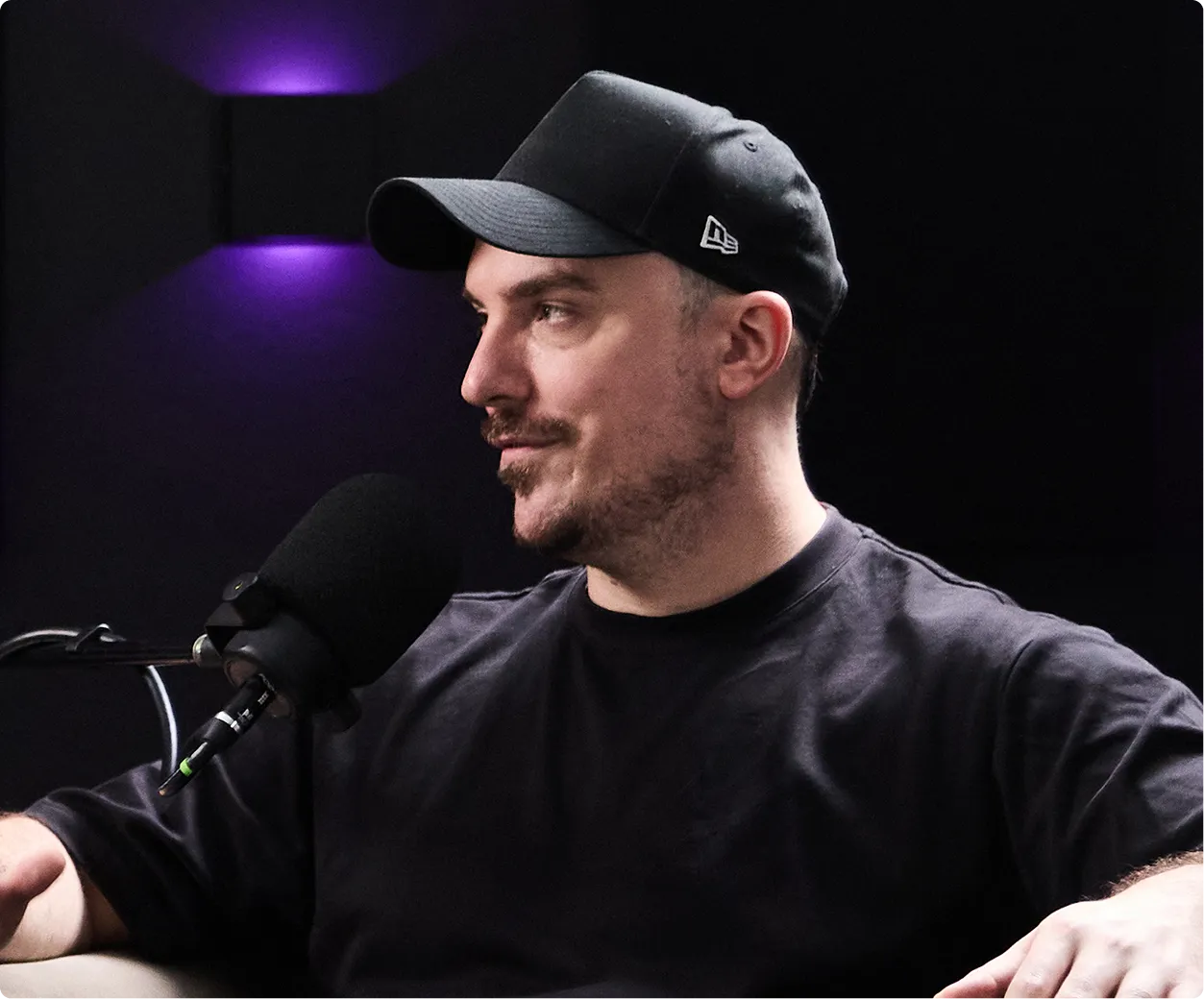
Dive into insights from industry leaders and experts.


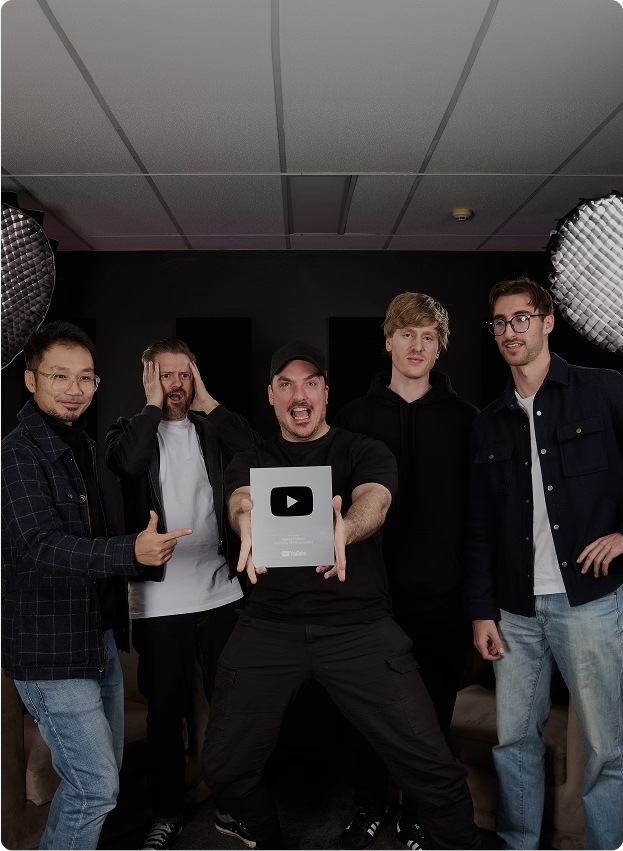

Stream now
Dive into expert advice and industry trends.