

TLDR
Summary
Mitchie Brusco, one of history's most accomplished skateboarders and the first to land the world's 1260, shares the intense psychological cost of high performance and finding identity outside of extreme success. From winning his first contest at age five and touring with legends like Tony Hawk, Brusco was deeply immersed in a competitive, high-risk culture that fostered a "push the button" mentality towards fear and injury. He recounts the personal turmoil that followed his 1260 achievement, describing it as both a pinnacle and a breaking point that led to a year-long hiatus from skating to address identity loss, depression, and strained family relationships after serving as the family's young financial breadwinner. Brusco now channels his obsessive nature into Skate IQ, a coaching platform that democratizes skateboarding by focusing on simple, repeatable techniques, providing him with a healthier, joy-driven purpose by mentoring the next generation.
Highlights
- Prodigy Status: Started skating at age four, competing before kindergarten, and was featured on national TV shows like The Today Show by age five or six.
- The 900 Milestone: Landed his first 900-degree rotation on a Mega Ramp at age 14 in Brazil, the first time the trick had been completed on that apparatus, instantly garnering global attention and an X Games invitation.
- The 1260 World First: In 2019, Brusco became the first person to land a 1260-degree spin on a Mega Ramp, a feat he trained for intensely over three months. This achievement, while massive in media terms (gaining over 60,000 Instagram followers in hours), resulted in a deep emotional and mental disconnect, leading him to quit professional skating temporarily.
- High-Pressure Upbringing: Due to his immense talent, he moved to California at age 14, making over $200,000 annually and serving as the financial breadwinner. The strain of this lifestyle led to family conflict, causing him to move out and drop out of high school at age 17.
- Mental Health Crisis: Following the 1260, Brusco struggled with identity loss and depression, realizing his self-worth was entirely tied to skateboarding. He spent a year focusing on counseling, therapy, and "breaking everything down" instead of rebuilding, consciously choosing to let go of sponsors.
- Founder of Skate IQ: He found a new, joyful purpose by creating Skate IQ, a platform that focuses on teaching fundamental skills through a scientific, simple, and reproducible process, garnering over 75 million views in one month on various social media platforms.
- Key Philosophy: Brusco's core belief, both in skating and life, is to "push the button"—to commit 100% to action despite fear or the potential for failure, decoupling self-worth from results.
Transcript
00:00:00 - 00:01:09
Mitchie, you've been skating since you were four, you've not only won X Games, you've created new tricks, and you have continued to inspire the next generation. When this is all said and done, what do you want your message to be? >> That you don't have to do all that. [laughter] >> Goes where no [music] person has gone before. I'm about to drop in and I just made a deal with myself that like if I [music] was going to do this, it was going to be 100%. >> I don't believe what I have seen.
00:00:37 - 00:01:48
>> I was like borderline superstar overnight. Like it showed up, nobody knew who I was and then the [music] next day everybody reached out. I've always been a small fish in a big pond and it's just not that scary. And I think just doing an okay job in a pretty like big intense environment is like all you can ever hope for. Keep showing up. Keep trying. Anybody's beatable on any given day. [music] >> You know, something just clicked for me right now from everything that I've
00:01:13 - 00:02:14
learned. It's just like winning or being the best just like is not a thing. If you could go back and stand next to yourself just before you're about to drop in, what would be the advice that you would give to yourself? >> Oh, that's a that's a good question. Um, this episode is brought to you by Wick Studio. Here at the agency podcast, we're building a community and we would love for you guys to be part of it. So, we would love to hear from you. What are you enjoying the most? What would you
00:01:51 - 00:03:04
like to see more of? And what do you think might be missing? Drop a comment. Make sure you subscribe. And now, on with the show. Mitchie, I I'd love you to take me back to the very beginning. Like, what's the first clear memory that you have of touching a skateboard? >> Um, well, I already had a board at this time. I was like four years old. Had never been to a skate park. And my parents don't skate. My I I have kind of a big family, like three sisters and a brother, and nobody skated.
00:02:26 - 00:03:25
I put a hole in the floor in our kitchen [laughter] by stomping down just over and over and over on the wheels in in one spot. And that was the day that we started looking for skate parks and finding like competitions and going to a skate shop for the first time. I remember my parents being so frustrated that I cracked the tile and I literally like chipped off like a whole block and uh then yeah, the rest is history. >> So you were four years old and your parents just happened to have a skateboard laying around and then you're
00:02:57 - 00:03:53
like this is my thing. >> Uh no, my mom bought me one when I was when I was three. We were out together and she just got me like a $10 Tasmanian Devil little skateboard about this big and I skated on it on my like light up uh 101 Dalmatian shoes. You remember the light up shoes? >> Yeah. >> Yeah. So there I am just like stomping around in the kitchen and and uh Yeah. I mean I forced everyone in my family to learn about the sport just because I was going to >> I was going to break the house.
00:03:24 - 00:04:19
>> So what what was your parents I guess like cuz it sound like they went straight from that straight into like we got to get this kid coaching. He's obsessed with this. Like, walk me through like exactly what happened after you smashed the kitchen tiles. >> Uh, I come from a traditional sports background. So, my both my mom and dad uh have sports backgrounds. My dad um you know, I I actually went and visited his high school when he got inducted into his high school basketball hall of
00:03:51 - 00:04:59
fame. And uh he also played baseball at at his uh college. And um same with uh my mom playing playing tennis. She came from a tennis family. So it was like, man, this this kid likes this sport. Like let's figure out what it is. I think they just looked for structure within it. And the only structure at that time was really competitions. It wasn't like there were coaches or like skate camps per se, like skill camps. Uh so we just drove around to all the contests for like years. And you were
00:04:26 - 00:05:20
you were competing before kindergarten? >> I was competing before kindergarten. Yes, for sure. [laughter] For sure. >> Can you remember a time when skating was like just play or did it always feel like okay, straight into competition? Like what was that transition? >> Skating didn't become play till I was in my 20s. [laughter] >> Yeah. When I realized that like I got to learn how to it can't all be serious if I'm going to do this forever. >> What do you think that was uh at it at
00:04:53 - 00:06:12
its core? Or do you think at the beginning that was a challenge that it was just purely the nature of competition for you? Like what was it? >> Um, you know, skateboarding was one of those things for me that I got incredible respon I got a incredible response from doing the sport. Like nowadays you go on social media and you see like sixy olds, nineyear-olds, like 10 year olds doing like crazy tricks all the time. But in like the year 2000 2002 before social media there were not kids there were no kids
00:05:31 - 00:06:47
doing it. So when I was 8 years old, I was always like the youngest and the only one, like the youngest best eight-year-old, and then it was like the youngest best 9-year-old. And so I think I got uh at least that's what I was being told by, you know, the industry and my parents and all this stuff. Uh there was obviously other kids that were super competitive, but I I was like winning AM competitions and I was just one foot in front of the other. And I think I got really used to that and really like quite obsessed with that.
00:06:10 - 00:07:15
And it continued though, like this is the thing that's so crazy is when I was 13, I like won all the AM competitions in in vert, which is the halfpipe. That's that's always been my discipline. And then when I was 14, I I won the qualifier to get into the pro contest and then I qualified for the pro contest and then I got sixth place and they invited me back and then I made finals like so often after that and all of a sudden I was pro and I was just trying to win and win and win and win and win and
00:06:43 - 00:07:44
win and it and every time I tried to do that, my life got better. I got sponsors. I moved to California. I got like all this attention, all this like I was able to follow my passions traveling with like Tony Hawk doing demos and stuff. Um, and then all of a sudden I'm like 22 and I'm like getting like I don't really understand how to have a different relationship with skateboarding besides like just trying to win win win even though I wasn't like all that happy trying to do that anymore.
00:07:13 - 00:07:57
>> Yeah. No, I understand that. I think it there's there's times where like you've been doing something for so long you're kind of somewhat in the inertia of it like it's just one thing happens it leads to the next leads to the next and you're kind of stuck in this tunnel and you can't you can't quite realize like contextually like uh what what it all means when it's happening and then you kind of zoom out and it looks different from the outside end. Before we get into
00:07:35 - 00:08:36
your 20s, I'd like to understand like so you won your first competition when you were five. Um I I don't I mean I don't remember being five, six, seven years old. Uh I know we were going to every competition that we could and like locally or you guys were like traveling nationally at this point. >> There's some American uh like talk shows that I don't know if you've like would have heard of over here in Australia, but like the Today Show, you ever hear of that? Jimmy Kimmel Live. So when I
00:08:05 - 00:09:06
was five and six, I was on those shows. You know, that tells me like I must have been performing pretty highly at that age at those contests, you know. >> Is it like a bit of a blur for you to like think back to this? >> Uh, it's it's hard because I I'm taking the the word for it from everyone else. There there isn't like video of the contest. There's none of these things. It's not like it is now social media, >> right? >> Yeah. We have some like really old VHS
00:08:36 - 00:09:50
tapes where I can watch myself like practicing at a contest, but my mom's in like the grand stands and I'm just like skating around as a little six-year-old and it's kind of like a a it's a trip to see that. But I remember being uh six and going to a contest, signing up for the hardest division available and then qualifying for the pro contest and flying to flying across the country to go to a thing called Gravity Games. And it was in Cleveland, Ohio, which is so far from where I'm from. And um
00:09:12 - 00:10:18
everyone's 25 and 30 and I'm just like six or seven years old. I didn't get last though. That's the funny thing. [laughter] Like I got I got second to last cuz someone absolutely just fell apart. >> These guys were like Were they stoked that there was like a kid there that was trying to keep up with them? >> It was it was a bit like a meme. Like everyone treated me so good cuz like why is there a six-year-old here? like what is going on? All the, you know, uh, everyone doing like the the TV uh or
00:09:46 - 00:10:48
reporting or whatever was all the cameras were always on me cuz as a little six like a little six-year-old running around. Uh, but but that experience, honestly, as crazy as that sounds, that kept happening through the next 10 years. Yeah. >> I was just always the young guy, always doing the competition and time. >> What do you think that did to your psychology? like like looking back now being a six-year-old being around 25 year olds and like you know not like winning but like not being lost also cuz
00:10:17 - 00:11:11
like real quick joke here like I can imagine that guy got a ton of [ __ ] for like getting beat by a six-year-old you know. >> Um but when you think back like how do you think that this has all impacted your psychology at a young age where you're winning competitions and you're basically keeping up with young adults? Um, I've always been a a small fish in a big pond and it's just not that scary. Like, it's just not that scary to get like eighth place in a really high level
00:10:43 - 00:11:45
competition. Like, good. Like, good job. You showed up, you got nothing to lose. People kill for this opportunity. And like, if you get to show up again, like just try. I think the uh people like and this is obviously lessons now. It's not like I'm the wisest 16-year-old ever. Like my first X games that I got silver, I was really upset that I didn't win. So like I'm not saying like I've always been like Mr. Wisdom. But now, you know, I've been a big a smaller fish in a big
00:11:15 - 00:12:23
pond for like a long time. >> Yeah. And I think just doing an okay job in a pretty like big intense environment is like all you can ever hope for. >> Yeah. >> Keep showing up. Keep trying. Anybody's beatable on any given day. And if you just like go and put your run down, sometimes it will work and sometimes it's not. And that is like great. like the the answer is in consistency and longevity, not just peaking and trying to win or and then if you don't win like hating on yourself. Yeah,
00:11:48 - 00:12:46
>> that does not work. So, I think being young in those big contests over a long period of time, that is like the big lesson that like I know that in my heart, you know, like I'm never going to unlearn that lesson. >> Yeah. When you when you think back to those times and the people that you were skating with because in the early 2000s, would you say that was kind of like oddly enough like peak skateboarding? >> Yeah. So, so when you paint a picture of like the era like having lived it and me
00:12:18 - 00:13:19
having just kind of witnessed it from the outside in like what was it like inside that because at that time in the early 2000s Tony Hawk Pro Skater was like everyone was playing that game. We grew up on Tony Hawk. So, like there was this cultural kind of phenomena that happens. Like, take me into that. Like, what was it like experiencing that from the inside? >> So, I'm I'm 28 now and I thought that I'd be living an absolute rockstar lifestyle right now. When I was a kid, man, the skaters that
00:12:47 - 00:13:53
were like in like they were the ones. They're like household names. >> Yeah. I'm thinking like Tony Hawk, Ben Majera. >> Exactly. >> Town like all those guys. They're they're like global superstars at this time. MTV is huge. Uh there are like Tony Hawk Pro Skater. If you're a skater featured in Tony Hawk Pro Skater and competing in X Games all at the same time, like you're making hundreds of thousands of dollars a month. They drive like all the sickest cars. A lot of them
00:13:21 - 00:14:26
were just like party animals. So, I thought that was like really cool growing up that they were just like didn't care about anything and like drifting their beamers in the parking lots and then like going and winning these competitions. [laughter] It was it was the it was like rockstar lifestyle. Yeah. It might as well have been traveling m uh like selling out arenas. It was it was crazy. That shifted in the like 2010s. Uh I think as I think it actually kind of came and went as social media got stronger. just the uh the
00:13:53 - 00:14:42
whole industry kind of shifted. A lot of contests went away and it and Tony Hawk Pro Skater wasn't as big and boom, it's just a different world. >> Now, you said that they were living like rock stars. Like what what was it like seeing all that behind the scenes? Like what what exactly was happening? >> Uh I would be at a contest and or or you know I would be at the amateur one or doing a demo. I wasn't in the pro contest but maybe I'm 8 years old. >> But you're around it, right?
00:14:18 - 00:15:33
>> I'm around it. So, I'm leaving the hotel to go do like a morning show or an interview with one of the news channels at 6:00 7:00 a.m. And these guys are rolling into the hotel, like girls around their arm, drinking, like partying, music blasting in the lobby of the hotel, like security just like putting their like face palming. Um, and it's just that's that's it was a literal rockstar lifestyle. Like there were a few like the good ones were uh they were always not straight and narrow but they
00:14:55 - 00:15:53
weren't coming in at 7 a.m. But that vibe where like if you weren't like a top five guy probably just partying so hard and there was enough money to go around. When you think back like like as a six-year-old, you know when you like look at an adult who's like 23 when you're six you're like man they got it all figured out. Like how did you look at these guys at that point in time because they must have just seemed unstoppable for a kid. >> Um just heroes, man. Just straight up my
00:15:25 - 00:16:32
heroes. There they were like living legends that I got to be around. I mean there's just no other way to put it. In no other sport would you get that opportunity. I mean, you maybe you go to one I don't know. Maybe you go to one football camp that has like a super big pro and he's walking around. >> You're not playing with them. >> I was playing I was I was skating with them >> and there they were talking to each other and just nugget of info nugget of info just all the time.
00:15:59 - 00:17:08
>> Yeah. I just can't even explain how special of an opportunity that is for like anyone just to be able to experience. Clients want it all. A slick looking website that can run their business and scale with [music] their success. Wix Studio is built for that. Plan out your client's whole site in seconds with AI powered site [music] mapping and wireframing. Then when everyone's on the same page, jump into the creative. Starting off in Figma or in the Wix Studio editor with super precise
00:16:32 - 00:17:52
layouting tools like grid, stack, and flexbox. Go above and beyond the brief with no code [music] animations, custom CSS, and built-in business solutions. And make your whole vision responsive in a click. And there's zero need to break a sweat when clients grow fast. A dynamic CMS with global design settings and reusable assets lets you turn one page into hundreds. Design smoother and deliver sooner. Go to wixstudio.com. >> I was getting really close to a trick and I wasn't putting it down. And uh Bob
00:17:12 - 00:18:18
Burnquist all he said he was like sometimes you just got to push the button and like and that's all it took. [laughter] And I I got exactly what he meant. I get goosebumps thinking about it now. Like dude, like you can figure this out all you want. Push the [ __ ] button. See what happens. Um and he really lives by that. And I think he's broken like all his bones and I've seen him like bleeding from the face and I've seen him like with a fractured tailbone and all these things. Like he pays the
00:17:46 - 00:18:47
price, but he he he's never even slowed down. What what did that mean to you? >> I got to push the button every time forever now if I want to be like Bob. [laughter] You you know like you you don't get better. You don't figure more out. You just get better at pushing the button. [laughter] And like I swear I just like I got the essence. I felt like I just got the essence of what he meant. And yeah, >> my ability to slam got so much higher >> because I recognized when it was just
00:18:18 - 00:19:10
time to press go. >> Yeah. And it doesn't really matter what happens. It's just time to try it. >> Okay. Now, when you when you get injured, like you said, he like he messed up his tailbone, all the rest of it. Like being like 6, seven, 8, 10, like were you conscious of your body like and injuries and things of that nature or was that not even a part of your mindset at the time? >> Um, again, like all the people I was looking up to, like they spent half the year in casts, so it just wasn't a
00:18:44 - 00:19:50
problem. You know, 6 weeks, don't use it while it's in a cast and then get back to it. Uh, I did learn it's kind of weird. It's interesting. Like don't mess with your joints though. Like stay away from like knees, shoulders, elbows. Like try to keep your joints safe. But like there's no limit on the amount of times you can just like break a wrist or a collar bone, you know, if it's the And it's weird to say, but they just kind of put metal on it and then you go back out and try again. But if
00:19:17 - 00:20:08
you protect like your knees and ankles, it's kind of fine. >> Okay. There's a video I saw of um I think it was Travis Pastana and he was like he created this weird thing. I think it was at his like house where he was doing like a backflip to like he had like a landing pad. >> Mhm. >> He did like a back flip, landed on the landing pad and back flipped off of it and he broke his wrist for the seventh time. Yeah. >> And then the guy behind the camera is like, "Hey man, like do you want to put
00:19:43 - 00:20:35
that on ice?" He's like, "No, we'll hit it again." and like did the jump again with a broken wrist like doing back flips like 80 ft in the air and it's that's just such a crazy mindset. >> I definitely recommend putting it in a cast and waiting for the next attempt. But uh yeah, I mean and I that's the culture that I grew up around, so injuries weren't the biggest deal. I got really upset at a middle school teacher one time when I had a cast on. It was
00:20:09 - 00:21:09
like, "Is this the life you want to live?" And I just didn't even understand what she could mean by that. Like all the people I love the most have no problem with what I'm doing. It was like a really weird moment. That was the first time I was like, "Wait, maybe this isn't quite normal, but like I'm in too deep now." Now, the craziest thing I think I I feel that you've accomplished was that when you were looking at that era of skateboarding and what what year
00:20:38 - 00:21:38
was it when Tony Hawk did the 900? 99. >> 1999. So this is you were 2 years old. So this is 2002. And like you were touring like was Tony Hawk there around these people? >> I wasn't quite touring yet in O2. Uh let's see. I was when I first started touring with Tony Hawk I was 13. So that' be 2010. >> Yeah. >> Y >> yeah. So when when uh when Tony Hawk first did the 900, that was 1999. How long after that was it that other skaters started to do the same trick?
00:21:08 - 00:22:24
Ooh, that's a very good question. I don't know exactly, but it took a couple of years. Uh, I want to say maybe one or two people in the 2000s, >> but I might be mixing that up. I think like 2005, 2008, for sure. There was a gap. There wasn't, it wasn't like people just started doing it. Uh, nines got more popular in the early 2010s, uh, like 2012, 2013. >> Before that, it was like kind of like not a gimmick, but like um wasn't seen as like a competitive trick. >> Yeah, it was it was it I remember asking
00:21:47 - 00:22:38
like pros like, "Hey, do you ever do you think 900's will be like a competition trick one day?" [laughter] But >> that was conversation. >> Yeah. I was like asking, they're like, "No." >> And then you look at it now. >> Yeah. It's crazy now. Um, now you landed your first 900 when you were 14. >> 14. Yep. >> And 1999 was when Tony Hawk first did the 900. >> You said there was a gap between that and when it became a like a competitive
00:22:13 - 00:23:31
trick. >> Yeah. >> When you first did the 900, like walk me through that. Like what happened? >> Um, so I am 14. I got invited to a mega ramp competition in Brazil, which is that big ramp with a huge roll in, huge gap in that quarter pipe. It's like 30 feet tall. Um, I am just so excited that I get the invite. I had to get a passport extra quick from the embassy to even be allowed to go to Brazil to in time for the contest. Like, I was I was brand new. Uh, and I go to practice, first one
00:22:51 - 00:24:03
at practice, 9:00 a.m. because I'm so excited. And I did my first 540 on the quarter pipe, on that big quarter pipe. That was my goal. I wanted to be able to do a five in the contest. And honestly, one of the one of the guys there um just was joking. He was like, "Try a 900. Try 900." And uh I laughed it off. I wasn't going to. But then I was headed towards the quarter pipe on the on the next run maybe two runs later and I just spun as hard as I could. [laughter] >> Dude, this is wild to think about cuz
00:23:30 - 00:24:30
this is a big ramp. >> Huge. >> Yeah, it's How How high in the air are you? Just for context. >> 30 feet to the lip and then probably 9 to 12 feet above that. >> Right. >> So, yeah. And you were just like, I'm just gonna spin as hard as I can. Like, were you worried about like eating it? Like, what [laughter] what was going through your head? >> I knew that I could do fives. And I figured that if I could spin past 540, like I could find the way to get to my
00:23:59 - 00:24:59
knee pads if I took off right. If I panicked through the takeoff is probably it was going to go terribly wrong. But I didn't make any I didn't even make any decisions on the deck. I wasn't even going to try one, but it was like I was looking at the coping getting ready to spin. I was like, I could just spin really hard right now. Like I just saw it [laughter] and uh it I it seriously took four or five tries. I made a nine on the quarter pipe. I did two I I did two 540s. First two 540s I ever did on
00:24:29 - 00:25:46
the mega ramp and then seriously five tries did a 900. And that spread like wildfire. That news spread really quickly to the rest of the riders. Uh, it even ended up getting on the Brazilian TV channel called Globo TV, which is like their ESPN or something like that, so I've been told. Um, and then I was like borderline superstar in Brazil overnight. Like that was crazy. Like like it showed up, nobody knew who I was. Um, it's kind of funny. And like one of the writers was like, "It'll take
00:25:08 - 00:26:13
a couple years for like people to know who you are over here. [laughter] Like I've been coming here for like 5 years and now I have a bit of a fan base." And then I did a 900 and then the next day I need I was I had to be carried on the shoulders of one of the BMX guys because there were so many people outside the gate trying to like take [clears throat] pictures and get autographs and this stuff cuz it was blasted all over the TVs. I mean, I went to the hotel to the TV, turned it on that night, and 900,
00:25:40 - 00:26:31
900, 900, 900. It's just playing on the TV. I went downstairs to eat in the lobby, like 900, 900. It was just, it was everywhere in Brazil. >> And at that time, were anyone else doing tricks at that level or was it like the fact that you're young doing it? >> That was the first 900 on Mega Amp. >> That was the first 900 on a Mega Ramp. Y >> like Tony hadn't even done it. >> Nope. And then and then uh I turned around and did it in the contest later that week and then I got invited to X
00:26:06 - 00:27:12
Games. >> Jesus. So like when you did the trick and you landed it, like what what were you thinking? >> I had no idea what was going on. Like it was just very much an intuitive process. I just pushed the button. [laughter] >> I just pushed the button. >> You smashed the button, dude. And you landed. You're like, "Sick. Nailed it." I've never been one that can really think about like what doing this will give me. Um I just thought like I think I can do this. And then like it was great. I got
00:26:38 - 00:27:36
invited to X Games and I didn't even really understand what that meant. But after I get invited to X Games, get all these sponsors and then I moved to California and and all this happened in like six months from getting invited to that contest, a whirlwind started. >> So, you landed 900 outside the competition and you're just like warming up for competition. What happened with the people around you >> at that moment? Cuz you would have had all these 25 year olds around you watching this 14-year-old land the first
00:27:08 - 00:28:22
900. >> Uh, you know, when I mean it was honestly the f the first sign of the next generation in a mega amp competition. So it wasn't it was a little eerie that in the air some guys were upset in the writers meeting they were like well hypothetically if you do a 900 on the quarter pipe like it shouldn't be judged you know you can't forget about the score over the gap you know making sure that they don't just like give me first place for doing a 900 if I'm not doing a hard trick on the way there. I remember
00:27:44 - 00:28:34
that conversation in the riders meeting with the judges before the comp. >> They were talking about this before you did the 900 in the comp. >> Yeah. >> Because was the suspicion that like, okay, he's done a 900 in practice, the kid's probably going to try and do it again >> for sure. >> And then you've got all these big sponsors, all these big athletes, and then that maybe they're looking at you as a bit of a threat. Like, what was that? >> Um, I think they wanted to avoid uh the
00:28:09 - 00:29:08
contest turning into like a one-trick pony of an event. Oh, because Tony Hawk's 900 had so much pull and now there's a kid doing it and that was like people had done 900s in between. I wasn't like the first one to follow it up, but a kid doing it on Mega Amp in Brazil like >> it's very easily clickbaited title and I think they were a bit worried that that was just going to become the the name and face of the >> which of the competition is exactly what happens. >> It kind of did happen. [laughter] Yeah.
00:28:39 - 00:29:29
Like >> you're on television, you can't go anywhere. Um, okay. So, so talk me through it. Now you're in >> Nove [laughter] from the from the stadium. It was wild, man. >> Dude, that's crazy. >> I was like, what does that mean? >> So, everyone's talking about this before the competition, right? So, like, was there pressure to do it again at the competition? Like, did that raise the stakes for you? >> Um, yes. Yes. This is another thing of not
00:29:05 - 00:30:17
really understanding what um what like my the opportunities uh that the tricks will bring, but also the pressure. Uh it brought a lot of pressure right away. I mean, all the cameras, all the autographs, it was like I've been told do a 900 probably once a month since then by like kids at skate parks and and you know, it's been 16 years. Do a 900. Do a 900. Um, and that took a while to get used to. Yeah, I I didn't I ended up not making a nine at my first X Games. >> So, being I guess a vert skater as like
00:29:41 - 00:30:41
your discipline, being fearless is kind of in the nature of the job, right? But how does a 14-year-old kid manage fear when you're expected to be fearless? >> Um, I think it's when you're when you're raised in an environment, it's actually like quite natural. I think what's hard, you ever seen that Serena Williams interview where where the when she's a she's a young tennis player, she's just a young girl, and the interviewer is asking her like, you know, like it's
00:30:12 - 00:31:15
actually quite hard to win these events, like you seem awfully confident, and her dad pulls her out of the interview to protect her from the >> really >> from the outside noise. Um, I bring that up because it was actually quite natural to me to visualize and to want to do these tricks. It was hard to hear you're only able to do this because you're a kid or wait till you you know I felt like that once and I broke my back like that'll happen to you one day or kids are so fearless. It was like almost
00:30:43 - 00:32:06
trying to take the rug out from underneath me. Um where if I was left to my own uh like on my own like I could actually see these tricks and go do them. Like that wasn't the issue. It wasn't like I was expected. >> How much do you think that other people's belief systems imposed onto you uh is is like something that can kind of kill someone's motivation to do something like this. I think I think you have to be really careful of uh other people's uh the way they see the world. Because like
00:31:24 - 00:32:34
when you take advice from someone uh that's fear that's like really based on fear or like protecting what you already have. uh that can easily lead you down a rabbit hole that you like would have never gone down on your own. As an adult, like I think right now it's like really important to make good decisions and to be smart and to be healthy and to think like long term. Like this is great. Like I'm almost 30. Like I I don't want to do I don't want to just be like flying off the rails.
00:31:59 - 00:33:11
But I think it's unwise to tell a 14-year-old to slow down who's absolutely breaking down some barriers. And it really surprised me how often that happened. And I actually, it frustrates me even more now that I'm 28 in a position where I can be the inspiration for these kids. And I remember some of those things that were said to me and it just it just blows my mind. And it and it's I did a good job at like shedding it because I mean my mom for uh you know everything that we ended up going through through the
00:32:33 - 00:33:44
career uh she was a mental ninja like only positive thoughts only good visualizations really understanding when people were jealous or when they were saying something of value. uh and really helped me like stay on the straight and narrow as far as confidence goes. >> How much of your success in your career do you attribute to your mother being there for you and guiding you through these like really like kind of bizarre moments? >> Um I attribute, you know, it at least half it's it's a team. It's like how
00:33:10 - 00:34:16
important is the guy who who presses record on the camera for the podcast? It's like it it takes a it takes a team no matter what you're doing. Like um every event, every demo, every contest like we would sit down before the comp night before in the hotel and like write out the run. >> You and your mother would do this. >> Yeah. Yeah. For sure. And >> she would ask little questions like, "Okay, like how how does this trick, you know, make you feel?" Okay. Well, what
00:33:43 - 00:34:38
if you slow down here accidentally? She knew my skating so well. What if you slow down here? Like, do you have a replacement trick here that might work if you run into trouble? And just asking those questions, but not in a way to inspire doubt, but in a way to get a little more resilient if things go wrong. Also, for interviews would do the same thing. She would make me guess what the interviewer was going to ask me and then make me answer the question that I think they were going to ask. and I'm
00:34:10 - 00:35:01
like eight years old or something at the time and it just like really she actually did like such a good job preparing me for like the uh all the different environments that you're likely to run into. >> What do you think that did for you? Like not not I guess doubting what you could and couldn't do, but like forecasting like likely problems that would arise and then plan B's and plan C's on how to deal with these things. >> Yeah, that's that's life. Like uh that's
00:34:36 - 00:35:37
that's life, man. It's not going to go it's not going to go perfect, but you know, you keep showing up. Sometimes it stars align and like you better be ready for that moment when the stars align and you just do that by having like a really good process and a really good mental game. And it got to the point where like before teaching actually skateboarding like I've had I've had a lot of skaters ask about mental game. It's like how do you do it? How do you stay like consistent under pressure? all these
00:35:06 - 00:36:45
things and it's hard to learn it late. It's really hard to learn it late in life. >> Why is it so hard to learn about mental discipline late in life? >> Um because you've probably proved yourself uh you have scar tissue. I'll reanswer I'll reanswer that it's hard to build a clutch mindset later in life because of like all the scar tissue and you actually already think that failing is a bad thing and it some like somehow the result matters. It's like having the balls to take the last shot
00:35:55 - 00:36:56
in a game over and over and over again is the skill. Like you don't worry about if you're going to miss or fall on a trick. You just can't wait to try it when there's zero seconds on the clock on the last wall. Like the excitement. Like if there's one thing that I miss about competing, it's like you're nine walls into a run, you know, is really good and you have a hard trick coming and the buzzer is going off and like can you put it down? Like I really like that feeling. And if you have like your
00:36:26 - 00:37:29
self-worth attached to like if you make it or not, um you're just is too there's too many thoughts to counter. Um, but I I think it just started when I was so young that I actually don't really feel like there's that many like negative thoughts to even counter. It's just try to land it. So, when you talk about clutch mindset, you're saying like almost like a when when you're in the heat of battle and it's like all all the risks are like stacked against you and you can like not be so caught in
00:36:58 - 00:38:06
your head that you're thinking about everything. You're not calculating it, but you're just kind of feeling it. You're you're in the flow state. Yeah, I watched a video last night actually called the illusion of choice on it was like a this is like a golf mindset one because I was like curious. Um I really don't think a lot of choices are that helpful. So like when I'm in these contests like I I just have that ability to take all the other decisions away and this trick is the only thing that exists
00:37:31 - 00:38:33
and me giving it 100% as the only thing that exists and it's really quite a quiet time sometimes the quietest time in my in my mind in compared to like the rest of my life. I feel like a lot of comfort when I'm staring at the coping and I'm ready to try something. It's like I can delete everything else for however long I need. >> And are you coaching kids now? Because I want to get into the coaching side of your business a little later on. Uh but like when you're coaching kids now that
00:38:03 - 00:39:19
are competing, like what's going through your own head? Are you reliving some of these moments? >> Partly the reason that uh teaching is so special to me is because I can see myself in the kids. you know, they have knee pads on, elbow pads, like dirty fingernails, and like a chipped skateboard, and they're just trying to put this trick down. That means so much to them. And uh yeah, I just I I see that's been like so much of my life. And uh the fact that I have been through it and I've done it in a way where like I'm
00:38:40 - 00:39:48
actually like quite satisfied with my career uh quite satisfied with the tricks that I've done. I'm okay with the ones that I haven't done. And uh the fact that I can actually be there for them that I'm like I don't know if the right word is like strong enough to be able to do that or whatever, but the fact that I even have the ability and I can and I want to is just like it fills me up so much. And I think that type of like passion for it gives me that little bit of extra ability to like
00:39:15 - 00:40:07
really pull out that last tip that works. Um, it's funny cuz I'll go home sometimes and I'll see the clip of the coaching and to me it's like my life story unfolding. It's like this dramatic thing in my head when I'm doing I'm [clears throat] making eye contact with this kid. He's trying to learn a 50/50. Then I watch the clip and it's just like a a kid at a skatepark trying to [laughter] >> but you know to me it's dramatic that's that's and that's what it gives me.
00:39:41 - 00:40:37
>> No, I love that. I want to share something with you. So I understand like there's there's this substantial moment in your career and I just want to play it for you and uh yeah, no agenda here. I just I I want to replay this moment for you and I I would love to understand like what exactly was happening in this moment because there's a lot of commentary around what happened. Uh but I would like you to explain it, but I'm just going to pass you this moment. >> Oh god.
00:40:09 - 00:41:29
1260. Uh well, how much time do we have to explain this? [laughter] This is a minute long video. >> I'd love you to play it and just watch it. >> Okay. >> And um yeah, we got all the time. Man, >> I can feel it whenever I watch this. >> It's such a trip. It's rare. It's so rare that you get uh such an impactful moment even like at all in your life. Uh a moment as impactful as this. And it's even more rare that it's like on camera and there's zoomed in on your face and
00:40:54 - 00:42:26
you can like really see it. >> Um, >> so the 1260 came about um it was in 2019. Uh, so I was 22 years old and this is >> Wow. I mean, it's only like eight eight years after like my first 900. Um, and those eight years felt like really long. When you're I think maybe when you're a kid, it's it feels longer from 13 to or whatever the the numbers are from 14 to 22. Um, >> cuz at that point, it's like half your life. >> Yeah. >> So, it feels like forever.
00:41:41 - 00:42:41
>> Yeah, that's a that's a good point. Uh it it's always a trip like okay it's been like this many years since then but like the same amount of years before that felt like [laughter] a lifetime. >> Yeah cuz it was >> Yeah. Yeah. Um so I guess I'll throw it back to you. There's a million directions I can go about like >> Well, let's just like open it up with this. Talk me through the first few seconds before you hit the trick >> and then the first few seconds after you
00:42:12 - 00:43:34
landed it. >> All right. I'm I'm on the I'm on the deck >> and >> the deck is like before you like drop in, right? >> I'm I'm about to drop in and um I just made a deal with myself that like I was so scared that if I was going to do this, it was going to be 100%. like there's no room for even 99.9% like there's no room for for doubt. You know, something just clicked for for me right now just talking about this like they always talk about like handling fear or being brave and all
00:42:52 - 00:44:16
these things. You can only be courageous when you're scared blah blah blah. Um, that might be the single only moment in my life that I was like truly courageous in the sense of like I I was 100% in. It was I mean I was so scared and I was 100% in and I could feel it. I could just feel it before I dropped in. I could feel it when I was on the wheels. I was pumping hard into the trick. I was spinning as hard as I could and I was just like relaxed. It was like really really really like letting go uh
00:43:33 - 00:45:06
and being like 100% committed. And although I believed that I could do it, like when I put the wheels on the ground, um it was just overwhelming. It it wasn't like a it wasn't necessarily like a positive like a super good uppidity feeling. It was like it was just like I I wanted to go home and I wanted to just like lay down and like get away from all the stress and the pressure and the tension and all this stuff. like I I was like a it was like I needed days to decompress after that. So I I still feel
00:44:20 - 00:45:28
weird about the reaction cuz I'm like emotional but like my arms are down and I'm like dull face and I don't know what to do and I was like uh I was just very much stuck in that like very serious attitude. What what was leading up to this? Like what were the days like before this? And and um was this something that you were like, I'm gonna I'm gonna do it? Like what was the prep for this? >> Yeah. So um it all started three or four months before that. There was another
00:44:54 - 00:45:58
mega amp contest. There was rarely we get two contests in a year for mega amp. It was like one and done. There was one in Shanghai, China. and I just ripped a 1260 and bailed just to try it. Um cuz I knew I wanted to do it in Minnesota and that was my only opportunity to to >> So you were thinking about this trick months in advance. >> Um yeah, so it was like 3 months. >> When did you even believe this was possible? >> The night before the one in Shanghai. I I went to China to try a different
00:45:26 - 00:46:29
trick. Too scared of it. >> What trick were you trying? >> I was going to do a kickflip 900. >> Okay. [laughter] which just wasn't going to happen for me at that time. Um, someone has done it since, by the way, which is very, very cool. Um, I I was with my girlfriend at the time and we were laying down and I just blurted out. I was just like, we were going to sleep and I was just like, I'm going to try 12. It was like, [laughter] it like happened like that and I didn't tell anyone else. I didn't
00:45:57 - 00:47:18
do anything else and I just like sent it in the comp and spun it all the way around. And um I knew it was like that. It was much like that original 900 situation, remember? From way back. Uh but it was on a much bigger scale. It's 1260 and now I have three months. Um and so I was really dead serious those three months. I studied a lot. I trained really hard at all my like takeoffs and landings and all this stuff. Um, and then that week at X Games where I was going to do a 1260 was like probably the most serious I've ever been
00:46:37 - 00:47:36
for like a 5day period. I I don't know if I I bar I mean I barely spoke for like those those five days getting ready and after the comp. It was just that reaction you saw was like what my life was like [laughter] at that time. >> And was your girlfriend with you on the trip in Minnesota? >> Yes. >> Okay. Yes. So, so just before we move on, like so in Shanghai the night before you blurted out like, "Babe, tomorrow I'm doing a at 12." What did she say? >> What? [laughter]
00:47:07 - 00:48:02
>> She's like, "No one's ever done that." >> Yeah. Yeah. And then and then you're in Shanghai and you're like sending it, you hit the coping line and you just you just wanted to see how possible it was. like what what was that? >> Um, you know, that's a that's a good question. I wanted to know what it was like so in Minnesota for like a couple months later that uh I could have just an understanding of what I was getting into. >> You you'd done the 900, you knew what
00:47:35 - 00:48:46
happened at that point in time. Did you play this in your head and say to yourself, if I'm going to do the world's first 1260, I'm going to be everywhere? >> Uh, yeah. Yeah, [laughter] for sure. I mean, I like to think that it was one of those like more holistic moments that like, oh, I knew I could do it, so I wanted to. And even though that was real, I don't think you can get that far without that like deep rooted passion for it. Uh, but I also understood that um this is something that maybe only I
00:48:09 - 00:49:14
can do right now. And although it might slip through the cracks, like you might do it and nobody car like who did a triple backflip on a motorcycle. >> I can't tell you >> exactly. >> I know Travis did the double. >> So then we run into this issue and it's uh Harry [ __ ] and Josh Sheen by the way. Aussies [laughter] FMX shout out. >> Yeah. Um, uh, I understand that that issue comes up when you when you go a little too too far past the what you can understand.
00:48:42 - 00:50:02
I'm on a mega amp doing 1260s. It's like that doesn't mean a whole lot to a lot of people without Tony Hawk's 900 as reference. Uh, I'm not going to get a video game. I'm not going to do all these things. Um, but I'm at X Games and it's going to be like a big deal on ESPN for sure. Every single person who's in X Games know is going to know about it. And you know there there's it could be a big deal uh or it could not. But I made it and uh I gained I think 60 60,000 65,000
00:49:22 - 00:50:10
followers on Instagram within like a couple a couple hours. >> That's a lot. >> Yeah, it was a lot. It was just rolling and rolling and rolling and rolling, >> which means millions and millions of eyeballs. >> Yep. >> Okay, so when you landed the trick, there's this moment where you're sliding back down the ramp on your knees. You look like super stoic. Like you're like, "Yeah, knew I was going to do it." Um, you you've stated that you didn't feel
00:49:46 - 00:50:51
anything, but you felt a lot. >> What exactly happened at that moment? >> Um, probably just being a bit uncomfortable with how vulnerable of a moment that really was. Like you could probably see like my lip if you like zoom in on the 720p video. I wish it was 4K. Uh, a bit of like lip quivering. >> At least 1260. >> Yeah. [laughter] Nice. uh a bit of lip quivering and a bit of just like >> Yeah, >> man. Life is really not that simple. [laughter] >> Yeah,
00:50:19 - 00:51:33
>> it really felt like life wasn't that simple at that moment. You know, I'm like fully coming into adulthood at 22. Uh I'm like trying to navigate like I'm deeper in my skate career. Uh is this 1260 going to be like the start of a new era in my career? Am I going to be like all like happy and excited now? And I think I just landed it and uh I was feeling like very much like I needed to be around people close to me to be able to like process this and like talk about it and like enjoy it properly like my
00:50:56 - 00:51:53
family or friends like at dinner, a more like intimate environment and we could like really talk about all these complicated things for hours but instead there's just a crowd cheering and a bunch of cameras and it's Like it was a big disconnect from the from how I felt versus the situation. >> Yeah. You didn't feel congruent with the situation? >> No. No, not at all. >> Did you get a Did Tony Hulk reach out when this happened? >> Oh, yeah. I mean, everybody reached out.
00:51:24 - 00:52:36
I mean, Tony Hawk was making posts. Like Shawn White was making posts. All Ryan Williams from the BMX side was making posts. I was getting texts from people that like I didn't have their numbers. They're saying congratulations. Uh, it's definitely the biggest moment in my entire life. I I doubt anything any single moment will top that as far as like um attention and and size goes. I mean, I I mean, I'm ESPN top 10. I was getting recognized on the street. Um but my friends were sending pictures,
00:51:59 - 00:53:01
you know, like those uh Amazon digital little like calendars or whatever that you have in like your kitchen. >> Yeah. >> Um and it's like Swipes news articles like I was plastered all over there those things. So I'm like showing up on people's kitchens and like smart fridges and [laughter] it's crazy. >> Yeah, it's wild, man. >> It was in the news, man. [laughter] >> What did What did Tony Hawk say? Um Tony just well what ended up happening was a video
00:52:31 - 00:53:54
came out called like the 21 hardest tricks in skateboarding and number one was my 1260 and it was done it was a video done by Tony Hawk. But what was what meant a lot what was like really special to me is he made that he recorded that before Minnesota. the way it worked out with production, they had to they had to rap before Minnesota. Um, and the number one trick on there was my 1260. And just him like believing in me like that after I'd known him for, you know, 10 years or so at that time. Um, he had
00:53:12 - 00:54:24
enough faith to to put it at the number one spot considering that he really just believed that I was going to be able to do it. Wait, so Tony Hawk produced this video of you completing a 1260 knowing you were going to land it before you even done it and you hadn't told anyone? >> Yeah. He saw the clip in Shanghai and um you could you could watch the uh the YouTube video and he's like uh it hasn't been done yet. Um but number one, you know, I I know that he's trying it. Mitchie Bruce goes 1260.
00:53:49 - 00:54:58
um the reason this is the hardest trick now that's ever been done this and I think they play it and I was just like wow like for for someone for like Tony Hawk like a a hero of that level like he's the guy he is absolutely the guy uh and he went out of his way to like just know that since I tried it and since I wanted to do it that he felt like I ood. Um, >> what did that mean to you having Tony Hawk believe in you that much? >> Yeah, I it's just it's crazy cuz he's
00:54:23 - 00:55:42
known me since I was early in my teens. Um, and you don't I know you don't make those kind of judgments on people based on like one or two things. Like he he we've done show a lot of shows together and he's commentated a lot of competitions that I've competed in. Um, and it just really showed me that like not only are like my peers like nice to me and accepting of me and like I think proud, um, they also like take my word seriously. And even though I didn't say that I was
00:55:02 - 00:56:18
going to do a trick, it it just I mean being taken seriously is such a cool feeling. It's like um it's like it gave me a sense of like hey like wait like my my words and actions like like matter. Like I try a trick people like know that I'm serious. It was like a big It was a big moment for me to to take myself a little more seriously. Yeah. >> Where do you think this obsession over like the the technical engineering of the human body and your physiology like where where does that even come from?
00:55:40 - 00:56:54
>> It's a really good question. Um, I have to say that it's a combination of um the tips that Rodney Mullen gave me when I was a kid and some natural some like special ability. I I didn't know that people weren't able to do that. I didn't know that like other skaters I couldn't see processes. Um even now like talking with students I can I can build a process for a trick um pretty consistently for like um adults and kids and >> and you can see this firsthand like if
00:56:18 - 00:57:17
anyone goes to your YouTube channel and just watch your shorts there's like video of like video after video after video of you like with a 10year-old kid just changing one little thing and then they nail the trick then they get the confidence and they do it again. >> Yeah. I think in in this moment if we if we go right back into that moment where you landed this trick um you've described this the you've described the 1260 as both the pinnacle and the breaking point. Did that moment
00:56:47 - 00:57:54
close a chapter or open a new one? >> It clo it closed a chapter. I wasn't I actually I would say I wasn't able to open the next chapter for like a year. I like really I really struggled after that. That was the last skate contest I did for uh well over a year. I I didn't I actually didn't skate for well over a year after that. >> Why? >> Um I mean can we take a side step from skating and just kind of like >> 100% man >> let's go maybe back through those those
00:57:20 - 00:58:24
teen years into things. Um, honestly in in my teen years, uh, got really popular, made, uh, had some big sponsors, and my mom was my manager. >> Can you paint it like full picture here? So, your mom was your manager? >> Yes. >> Like, how many sponsors did you have? How much money were you making? >> Okay. So, when I was 14, I moved from Washington State to California with my mom and two sisters out of the the family of five. Um, but [clears throat] two two sisters, me and my mom, moved to California for
00:57:53 - 00:59:23
me to pursue skateboarding. I have some big contracts at the time which are like probably like 75 grand a piece plus uh the competition prize money from doing well plus incentives from doing well in the contest and um also doing like shows with Tony Hawk and you know a couple grand here and there. So, so there were years where yeah, I made well over 200,000 250 in a year. I'm like 14, 15 years old. Um, and and my mom being my manager um put us in like a really tough spot. My parents split up. We were traveling a lot. We
00:58:38 - 00:59:52
lived in California. My dad still lived in Washington. Um, and when I was 16, things got like real messy at home. Like I was like paying I was like paying rent. My my sisters were like having trouble in high school and like there was no dad around and you know my parents are split so my mom is like out partying like too much and I'm trying to like [ __ ] hold it together by competing. Like it was ridiculous. It was absolutely a ridiculous situation. It it really um just should Yeah, it just shouldn't
00:59:14 - 01:00:30
have happened like that. And so I moved out when I was 17. Moved out early. Dropped out of high school in like the half like the beginning of 10th grade. Just never show I was I just never showed up again. Went and got my own apartment and just like tried to keep competing. I was like no contact with my mom for a while. Um, and that was just like really hard. From like 18 to 22 was like so hard. >> So things weren't great. You're in a new place. Your sisters are struggling. Your mom's partying. Your dad's back at home.
00:59:53 - 01:00:59
Uh, what did it feel like? We we did you feel like you were the bread winner for this situation and then you were kind of being taken advantage of? Like what what what exactly happened? >> Yeah, I mean I was definitely the bread winner of the situation. I mean there was that was there was more money than any of us had ever seen in our entire life. You know like at 15 16 you don't have any concept of money and um I just felt like I like really put a lot of trust obviously in like my mom to
01:00:26 - 01:01:43
[snorts] like make everything the best that it can be. Um, and it just very quickly turned into a situation that I had to I had to remove myself from to just continue. >> Yeah. What what was the the challenge at that time? Cuz your mother was your manager, so she was the one >> managing the sponsors, managing the money. >> What happened? >> Um, really, really, really, really tough conversation to move out, to just say like no more, like I can't do this anymore. Um, like I want the opportunity to not
01:01:04 - 01:02:21
skate if I would like. And right now, like I'm just like I'm 17. Like if I don't do well in X Games, like the whole family can't like fall apart. Like I I just know logically that that's just not right. Um, and that's how and that's how it felt at the time. Could you ever just have a normal mother son conversation or did every conversation feel like it was a about business? >> Um, you know, like our relationship or like the best parts of our relationship was like the down and dirty like
01:01:42 - 01:02:57
competition, prep, travel, like that's how we built our relationship. I actually think that was all great and that always stayed great and I was like really sad about losing that part, you know, when when I had to like do a little bit more on my own. Um, the only problems came when it was like all the success it wasn't like the the actual like bones of the relationship was ever bad. It was just we we handled the success a bit differently, you could say. You said that your professional athlete journey forced you to mature
01:02:20 - 01:03:29
fast. What piece of your childhood do you think got left behind in the process? >> I still I still think about this part to this day, you know, being homeschooled and not going to high school and, you know, like I I didn't play traditional sports in high school because I traveled so much for skating. um I didn't have like the middle school or the high school like girlfriends and relationships and stuff and um I always felt like uh a bit yeah just I just get a bit jealous sometimes of of that if there if
01:02:54 - 01:04:33
anything just like the the regular experiences that you know most of my friends had Yeah. Um that they can like joke about. Yeah. >> When everyone wants a piece of you, like sponsors, fans, media, how do you learn what boundaries are? >> Uh, that's a great question. And you just don't you don't learn. You know, you you don't learn. It's like um I know that like even though like I have a very specific life story that isn't necessarily that common. Um, but I know a lot of a lot of
01:03:45 - 01:05:01
kids and a lot of like grown ass men have like tough family situations and um on the outside I've done like a good job navigating mine. Um, and I think I I I tend I feel like I'd be giving people a disservice to say like not only did I do a good job, it was like really easy. And I think it's I think it's easy to come across like that because of like insecurity and also not wanting to like betray my own family by saying like too much uh and being like, you know, I love my mom. I don't I don't
01:04:23 - 01:05:34
I'm not out here to be like uh look how bad of a job she did and how what I did despite of that. I don't feel like that at all. But like this stuff happened and I'm in a privileged situation where like I get invited by you to be on this like big podcast and like tell my story and uh I just want to tell my story and I think that um those boundaries those like how to navigate that is different for everyone. Um, but you know, mental health has just been such a big role in my life and uh I just try to be what I
01:04:59 - 01:05:56
would have needed when I was in the thick of it. >> Yeah, >> I think that's a good >> It's It's a lot to go through like having grown up in that situation. Um, I guess having friends that are kind of going through quote unquote normal circumstances and then being in a situation where you're responsible for your sisters as a father figure, >> responsible for your mother financially. >> Uh, when when you think back to that, did you feel like you were abandoning
01:05:27 - 01:06:46
them by moving out and and trying to attempt to do this on your own? Yeah, that was the that was the hardest part for sure was just like I moved out and was like making money and like I had a lot of freedom. Um I go I've traveled a lot. I've always traveled a lot. I've continued to travel a lot and uh that looks really really cool to all the people who don't travel a lot. Um, and so I had the ability to just kind of run away from everything and uh, you know, my sisters didn't and
01:06:07 - 01:07:24
uh, that's definitely like that was really tough to commit to. Um, and obviously like I'm well not obviously but I'm really close especially with my younger sister and especially now after all that. And it is cool to see her like doing so well and to be able to like you know even though she struggled like the next couple of years rightfully so. Uh she's just such a standup girl now and able like I could call her for things and uh you know a lot of her inspiration is like she knows what I did and what
01:06:46 - 01:07:53
I've been through and wants to like be able to give that back. So, she's like trying to do so well to like help me out if I ever need anything. And it's just like it just turned into the coolest situation ever. Yeah. >> What's one thing you would tell parents of gifted children about [snorts] protecting their child's humanity? >> H And that's something that um I've thought about. Uh I can only understand what I've been through and I've never I'm not a parent, right? Uh, I
01:07:17 - 01:08:49
understand that like when you're a kid um the sometimes the the worst influences are just like uh personality traits. If you're around too much arrogance, you will become arrogant. If you're It's not so much like specific advice or like specific betrayals or whatever, but like um I just really focus on like when I was a kid, I just copycatted everything I saw. And even though I didn't know I was doing it at the time, I noticed now in my late 20s that like I really copycat the things that I was around.
01:08:05 - 01:09:08
That's real. Like when you're a kid, you're like, "Yeah, I can see influences and brush them off, whatever." Um I'm I'm learning to this day that like I'm very much just um I'm I'm only capable of of what I saw. And I have to learn I have to relearn and learn new things um to get some of those more uh let's call them uh sta standup traits maybe or like a little better character things like that. Yeah, I I appreciate you sharing this and I think these are important
01:08:37 - 01:09:43
lessons for people just the reality of what it really takes to like thrive in these situations and for you to like despite these challenges to like persevere and like lean in and then spend all that time preparing yourself. You were able to accomplish so much in 22 years. >> It is wild to think about. It's crazy that I'm only 28. >> Yeah, >> I think about that sometimes. Um, you know, I I hear like a lot of times maybe you you'll end up in this conversation with someone who's
01:09:10 - 01:10:07
like really curious and asking and then they ask how old I am and it's like 28. They're always so surprised. >> It's pretty crazy. You've lived you've lived what feels like multiple lives. >> Yeah, definitely. >> Now, so you said you stopped skating for a year. >> Yes. >> Okay. Why did you stop? Uh, I stopped skating because I would never go I would never find a moment as big as a 1260 again. >> Do you feel like that was it? >> I felt like, well, if that didn't make
01:09:38 - 01:10:40
me feel better, then skate any nothing on a skateboard would. >> But you didn't feel good after doing all of this. >> Well, I wanted it to fix all those problems. Like I wanted my life to get better like off the skateboard like fixing relationships and like depression and all these like other things that I'm dealing with at like 22 saying like maybe this trick will do it is like very naive. Uh and I think I just woke up a little. I think I just woke me up. And um yeah, I mean I just I just put board
01:10:10 - 01:11:24
down for a while picked up started going to counseling and just like tried to figure out what the hell was going on. what what exactly happened because you land the trick, you're on ESPN, Tony Hawk's singing your praises. Walk me through like the exact next crescendo that or walk me through the next challenge that you were facing after having landed this trick. >> Uh I landed it in August. I my girlfriend and I split up uh I think within two months after that. It was Rocky before then. Um, and I was
01:10:47 - 01:12:13
actually I was skydiving a lot at that time. Um, so I like went to like a skydiving event. I was just trying to like have like the most fun that I could. Feeling like, well, if skateboarding is not going to give it to me, like I'm sure I could find somewhere else that I can have like a ton of fun, like just starting to look for that. Um, and then you know, not long after it's March of 2020 and border shuts down and contests are gone and I was like, "Wait a second." Like, I kind of can't go anywhere. Like, there's
01:11:29 - 01:12:44
not a whole lot to do. Um, I have a year off of skating. I don't have to compete for money because I mean I just made enough money from this like this one trick and these sponsors like I can get a year. So like I'm just going to like do a bunch of counseling, do a bunch of therapy and take it real slow and just like dig up all this stuff and like really finish some of those conversations with my mom that I I couldn't beforehand. Um, and just like break everything down. I wasn't I didn't
01:12:08 - 01:13:17
even care about like the rebuilding phase. I just I just broke everything down in the in 2020 and played a lot of video games. >> What were you playing? >> Lot of Fortnite and Counter Strike. >> Yeah, I was right there with you. >> Yeah. >> Now, you've talked openly about depression and identity loss. Was the skateboarding persona a mask protecting you or the thing that trapped you? Oh, that's a that's a good question. Um, you know, like I knew logically that
01:12:42 - 01:13:59
like if I didn't skate anymore, like nobody would really care that much, but I looked in the mirror and I saw Mitchie Bruce go pro skateboarder. Uh, and I wanted to not see that anymore. Like I wanted to just see like the the the the dude in the mirror who like likes video games and skydiving and is like um not necessarily attached to so much like results results results results results. Um, so what I did, I just put skating down till I could like find a different reason to get on it where like I had a
01:13:20 - 01:14:30
natural reason to be like, um, ooh, like I love just carving around a bowl and sunrise, you know, in a day. If that's what I love, like great. If not, who [ __ ] cares? Like it's just not that big of a deal. like you'll find you'll find something to do in your life and like don't get so caught up about it. Um, and that year was really long. That year was like really really long. Really hard. I had a tough time. I was heartbroken from the from the breakup. Had a tough time with my mom. I let
01:13:55 - 01:15:03
skateboarding go for a bit. Um, I was just like doing circles in my head for sure. The world sees depression as something to fix, but you've described it as something to understand. H that's a that's I think that's fair. Yeah, I think uh well, that's how we go. That's how I go about with skateboarding. You know, maybe you just understand how that first domino fell and the rest will kind of start to sort itself out. >> What do you think was the first domino you felt with your depression that you
01:14:30 - 01:15:37
needed to tackle? Uh yeah, definitely just being like a kid unsafe. I did a great job, now I have no money and I don't talk to my mom. Like it was like I did everything right and I feel like really scared. Uh I think that was like I just didn't understand what what I was even going through. Um, but you know, after a couple years seeing how the the pieces fell and writing about it a lot and talking about it a lot, um, yeah, it just it just is what it is. It's part of me. I don't think that, uh,
01:15:02 - 01:15:54
depth will ever like go away. I wouldn't say that like I would ask for it or like uh, I would wish it on anyone else, but it's also I know it's just like a part of me. >> Yeah. because I can only imagine since the age of four all the way through your career all these amazing accomplishments they all feel like they're kind of stacked right in like right next to each other back to back to back to back epic things that all this travel all these competitions the money coming in your
01:15:29 - 01:16:32
mom being stoked about it uh then all of a sudden now you're sitting there with yourself what was the most confronting reality of sitting there with yourself for the first time in what feels like your entire life >> uh My bed was on the floor and the walls were white. They weren't painted. Um, I was like renting from a friend. Had like I don't know how many metals on the wall and nothing else. I had no like art or whatever. >> It's like those memes of like when a guy
01:16:01 - 01:17:07
first moves out. >> Exactly. >> Just a mattress, a TV with Fortnite and trophies. >> Yep. Yep. Yep. And uh it really felt like that was all that I had, you know? It felt like that's that's what I was like basing my self-worth on. >> Your whole identity was attached to skateboarding. >> Yeah. Yeah. And I just didn't have I didn't feel like I had that much uh like the the depth that like that you hear now or or in this conversation. Like I just didn't have that. I was just
01:16:34 - 01:17:45
kind of running around like a chicken with his head cut off trying to like win the next one. Um, and that was scary to realize like becoming like a whole person is is really quite visceral. >> What was the hardest part of that year, do you think? um learn just learning how to trust and be loyal to like people even like my friends you know like I I really made it a goal to like start calling my friends and like checking in on them to see how they're doing uh in hopes that uh they could then reciprocate but not asking
01:17:09 - 01:18:10
for that but just like actually being like loyal like more loyal to people on my end uh was the first like big step forward. for I mean that made me feel so much better once I figured that out that like I can find loyalty by like being more loyal. Uh that was really cool. >> Can you can you say more about that? Like h how was it that being loyal to your friends was able to help you out in such a dark moment? >> Uh well I felt like I didn't have loyalty and so I was waiting for it to
01:17:40 - 01:18:51
come from the outside. Why did you feel like you didn't have a little >> dealing all that with my mom and all that like the relationship that I was in ending? I just really felt like uh I didn't have like some of those important people like I didn't feel like were there for me like how I thought they should be. Um, and I was just like realizing that I was numb to all the people that were actually very loyal to me, you know, like my family, my siblings, um, you know, friends, dad, like all
01:18:16 - 01:19:19
these things. They were like doing a great job. But I was just blind to that cuz like my feelings were pretty upside down. >> Yeah. Uh but once I started to be there for people a little bit better, it just like it it very quickly opened the floodgates where like I could feel the reciprocal like oh like we have each other's backs like this is really cool. >> You've been brutally honest about all the money disappearing. >> Yeah. So over a decade of sponsorship money, competition money, were you addicted to
01:18:46 - 01:20:04
that type of reward system? And how did you adjust once all the sponsorship went away? >> Um I I mean I still am addicted to the I mean it's so cool. Like not very many people, especially kids, you make like 50 grand in a day based on like what you did that day. >> Like I got first 50 grand. Boom. They give you a check and it's like, you mean I don't have to work for a year, [laughter] you know, and I just did like a skate trick? Uh, it is so it's so fun. It's so
01:19:25 - 01:20:32
cool. Um, I forget the question. [laughter] >> I'm just thinking about being on stage in front of a live audience with a check for 50,000 bucks as a 14year-old. This is the type of thing that you dream about as a kid. Yeah. >> But you live that. >> Yeah. >> And >> is is that addictive? Like how did you adjust from that way of making money to okay like I have to find a way to pay the bills? >> Um you know that and that that has stayed the way to pay the bills up until
01:19:59 - 01:20:59
you know I after even all this stuff like I've still been competing up until this year. Last year I was competing. I I won a vert contest. I was in X Games. I, you know, I had, I don't know how many medals I had in 2019. Maybe like seven or maybe even less. I don't know. >> I have 15 now. >> So, you didn't uh necessarily lose sponsors in the money. >> Definitely lot definitely. I had no sponsors after the 1260 actually. >> Yeah. >> Because of what happened.
01:20:29 - 01:21:30
>> I just kind of I just got rid of everything. I didn't resign. And I didn't I didn't uh I was on Rockstar at the time or or I Fly or these things. I just kind of pushed it all away. I kind of just did my own thing for a couple years and just competed and just did that. >> Yeah. How did that feel to be able to >> So good. It was so good. Yeah. Like it was just like I could just try tricks. >> So you didn't have anyone calling you, pushing you around, telling you to do
01:20:59 - 01:22:10
things. You could now call the shots. >> Yeah. one 100% like I started my own podcast which I've since taken it down because it just didn't really go anywhere. I was like streaming video games and I was just like having I was honestly like way better off like that than when everything was like quote unquote like the most success. >> And I know in this period you took up golf. >> Yeah. >> Yeah. golf, big time golfer. Now, >> what happens in your psyche when you're
01:21:35 - 01:22:35
transitioning from skateboarding and all the energy you put into that to golfing, gaming, streaming, podcasting? Did this obsessive nature of yours carry through these other things? >> Yeah, I do everything the same way that I skate. It's just funny to me that I don't get the same results from the things. Like, I can try golf. I could try so hard and I can't do like the whole like, oh, if I just think about it for three months, I'll find the one piece and then I'll go do that thing
01:22:05 - 01:23:14
that I want to be able to do. Like, I just don't have that ability in golf. I don't know the sport nearly as well. But I feel like I do have that ability. So, [laughter] it's really funny to have like the same passion, but just like a regular ass dude. >> That's how [gasps and laughter] I feel. Yeah. Are are you like saddened in any way that you can't replicate it? >> Uh it just doesn't matter. No, I'm not at all. Like I know I could who like I I just winning does not like I from
01:22:39 - 01:23:47
everything that I've learned. It's just like winning or being the best just like is not a thing. Like life's about relationships. Life's about processes. life's about like just uh having good people around you. It's it's really like your grandparents said when you were a kid like don't overthink it. Be a good person like the best you can. Do your best. It's like you know the kindergarten wall >> in school when it says all those things like they weren't wrong like be
01:23:13 - 01:24:37
yourself. [laughter] Like that's so much more important. Um because uh you can like maybe hopefully you can go to sleep at night and feel all right. >> Did did you feel overwhelmed reinventing yourself? >> Uh yes. Yes. Cuz it matters to you more than it matters to everyone else. Like if you dissolved rival and you wanted to do something else, um there's you'd like probably overexlain to both yourself and to the people around you. Um, but the ones who love you and who like care about you,
01:23:54 - 01:25:17
um, they're not here to be convinced to support you. Um, they do that naturally. And, uh, once I stopped explaining myself to myself as much, um, I realized that nobody was waiting for an answer. It was just no there's that reinventing process isn't actually a real. I had a mentor of mine recently said to me, "When you're explaining a reason why you decided not to do something or that you can't do something, that justification piece, he asked me to reflect where does that
01:24:35 - 01:25:41
energy come from." And there is a a a part of high performers that feel the need to oversell themselves changing because they've constructed this identity for such a long period. Changing it can look schizophrenic or feel that you're hindering or or sabotaging yourself. when when you're looking with the lens of an outsider's perspective on you and you're looking from the inside out, how should someone manage that in a way where they're not justifying themselves? They can they can
01:25:09 - 01:26:36
live live their true self. Um, you know, I'm I'm only in my 20s and I am consistently having a tough time answering this question. But I would say um, understanding that the thing you think is solving the problem might be causing the problem. You think, "Oh, well, well, I have to explain why I'm not so high performance because I'm anxiety because I don't feel high performance right now." It's like maybe being obsessed with being high performance is causing this anxiety and
01:25:53 - 01:27:10
it's just a game you're playing with yourself. Then you relax and then you realize that that that feeling and that obsession had nothing to do with your performance and you can still be just as high performance as you were. that wasn't protecting you like you thought it was. >> If you could go back and stand next to yourself just before you're about to drop in to do the 1260, what would be the advice that you would give to yourself before everything seemingly collapsed? >> Smile.
01:26:32 - 01:27:35
[laughter] >> Yeah. Give us a big smile. >> For sure. >> Do you think that would have changed things? >> Yeah. Yeah. You know, sometimes your mind follows your body, sometimes your your body follows your mind. And I think if I if I was more comfortable showing um myself that like it's tough, but you're you're allowed to smile. Uh I think that would have saved a little bit of stress over the next like six months or so. Okay. >> I was like >> took it took that whole process like so
01:27:03 - 01:28:04
seriously. >> Yeah. Um, and I think you can take it just as seriously, but also enjoy the fact you just did a [ __ ] 1260. >> Just punch the [ __ ] button. [laughter] >> Punch the button. >> Hit that smile button. >> Yeah. Uh, I would love to better understand where you're looking to take Skate IQ, which I look at almost like a college for skateboarders, right? That want to come in and go, "Hey, is this something I can do?" because you believe that if
01:27:33 - 01:28:36
you're in your mid-30s, mid-40s, it doesn't matter. You can get into skateboarding and you want to make it accessible, but you also want to break down the science to make everything replicatable. Do you mind explaining the fundamentals around skating and and how you intend to implement them through Skate IQ? You know, like it's really funny when I started Skate IQ that I thought it was going to be like almost purely elite level coaching. >> So your intention was just agrade purist.
01:28:04 - 01:29:24
>> That's all I ever knew. So that's like the skating I understood, the skating like that I knew existed. Um, but as time went on, maybe 6 months after like really doing the first coaching and the first tour, we realized that people really gravitated towards the the the simpler skills, the better. Even the good skaters appreciated the simple tips way more than the complicated ones. So very quickly like threw everything complicated out the window and just started really focusing on like
01:28:43 - 01:30:05
yeah like where is your weight placement when you're like pushing or turning or picking up the nose of the skateboard to like hold a manual. And the more that we dove into that kind of stuff, uh, Skate IQ really started to get like more views like pretty quickly. >> I just want to paint a picture here. Some of your, uh, clips have like millions of views. >> Millions. Yeah. >> Some of them are like 13 14 million views. >> Yeah. We had a a month not that long ago where I I think we had more than 75
01:29:25 - 01:30:19
million views in the month. >> Whoa. On YouTube >> on uh across YouTube, Instagram, and Tik Tok put together. >> And I think you've built this sensational intellectual property around, hey, this is really simple stuff. You're really fun on camera. You'll be doing something crazy like manualing around an entire skate park while someone's filming you. talking to the camera in a microphone while you doing a manual the whole time. You make it seem fun, approachable, accessible,
01:29:52 - 01:31:01
and you are in many ways inspiring the next generation of skateboarders. >> Um, this is a this is a great opportunity for me to say that that's the part of skateboarding that I learned to love. And I think that's what shows. I think like I can be I can do everything I needed. Like I can be the person that I needed when I was a kid. I can do the thing that like I always wanted to do when I was a kid. I can skate for fun and do simple stuff that roll around doing manuals. Um, and it's
01:30:26 - 01:31:25
like since it's the business, it's all I have to do. [laughter] I don't like have to do anything else. It's crazy. You have a very different way of teaching as well. So, for example, teaching someone how to do an ollie is usually, you know, you push down on the back, you drag your uh toe up to the front, you push back down, and then you kind of like do this movement. You've made it more meticulous than that and even simpler again. >> Yeah. >> Um, for sure. >> What What inspired you to teach this?
01:30:56 - 01:31:58
Because there were a few teachers, but you've really brought a new way a new way of doing it. >> Pure anger at those tutorials. [laughter] Why? >> It so obviously doesn't work. Like I've never heard anyone say like, "Thank God I watched the tutorial." Like all I had to do was push down on my back and slide my front foot and I could ollie. Like I've never heard that story. It just obviously doesn't work. And see, I'm getting angry. >> Good. [laughter]
01:31:27 - 01:32:46
>> Um it just uh it didn't solve the problem. And um I started posting on like my own Instagram guys that's like yes there are elements of that in an oie and like you'll feel it but like that's not the basis of it like you have to jump you have to pick your front foot up you have to do these other things also. Um, and the feedback instantly was was the same as if I were to just do a really hard trick and post it. And that was the first time that I ever experienced anything that got similar
01:32:06 - 01:33:10
feedback to doing actual tricks. So, that gave me like the confidence or like the uh permission to just like drop tutorials because they were getting like solid feedback. Yeah, it's just it's been fun to watch, man. It really has. And I my favorite part about the content is you just see a little kid who's like angry that they can't land a trick. I think there was this one little kid who was trying to do a 360 off like a quarter pipe and you just allowed him to change how he shifted his balance and
01:32:39 - 01:33:35
then he went again and he nailed the trick for the first time ever and he'd be doing it for months. Y >> those little moments must be so fulfilling cuz you're like like I can help this kid get this unlocked just with this one little this one little tip. >> It's all of it. I mean that's that's what at the end of the day like that's what I'm all about. >> If I can say like a simple thing and you can do a lot with it, that is the best feeling for me. >> I love that.
01:33:07 - 01:34:06
>> Yeah. Like I I I don't want to say too much because I think that can get in the way of someone's process, but man, when you find just the right way to say it and it makes sense to them and then they go do it. That's the same process that I've been through thousands and thousands of time on my own board. Oh, what if I just put my foot here and then it works and but people aren't that curious. It seems like at least in my experience maybe the type of people who get coaching
01:33:37 - 01:34:37
>> are the people that are stuck. So it's like a bit of a >> a loop. >> Okay. >> But generally students just like aren't curious enough to try to to try the thing the right way because they just haven't made enough changes. >> Yeah. And but when you nail it, when you like put your finger on it and they understand and then they do it, it's like, man, I I think about like I can think about that 360 right now. I remember like I was holding the iPad. I was I remember the issue he was having
01:34:06 - 01:35:31
and it just like fills me up. Mitchie, this show is about me, a guy who runs an agency, but I'm obsessed with the idea of people who take massive agency. When you think about taking agency on an obsession, a passion, a career, what does what does taking agency mean to you? >> Push the button. [laughter] >> Push the [ __ ] button, man. Yeah. What when you think about that, what does pushing the button mean to you? Um, look, you're going to make a lot of mistakes and it's and it's going to probably
01:34:51 - 01:36:05
hurt. U, but that can't be your uh that can't be the thing that's telling you if you're doing something right or wrong. Like the like the pain threshold of like success and failure is not like is not also your compass. It's kind of weird. I feel like I do the best if I'm like uh ignoring some of those ups and downs and I'm just trying to do what keeps me up at night. Uh and to me that is like that's probably how I would define my own agency if I can like sit on my bed and think about what I
01:35:29 - 01:36:43
want most and then go after it even if it even if the process is like hitting me pretty hard. And Mitchi, you've been skating since you were four. You were at the peak of your career by the age of 22. You've not only won X Games, you've created new tricks, done them in the public domain, and you have continued to inspire the next generation of people who want to skateboard. When this is all said and done, what do you want your message to the skate community to be? that you don't have to do all that to
01:36:07 - 01:37:11
[laughter] to be a a good a good skater and to like be important in the community and um yeah, it's just I I think you'll take my advice maybe because I have accolades to back it up. Uh but you like just get on your board and that's more than enough. >> Mitch, it's been a pleasure, man. I really appreciate you coming here, taking the time out of your week, uh, with as much travel as you have in your schedule to sit with us and hang. Um, but dude, it's been a pleasure, man.
01:36:39 - 01:37:44
Thank you so much. >> It was so cool to get the, uh, message from you uh, to invite me on here. I've been I've been a fan of you and your uh, company, Rival, for a long time. Um, and it's just so cool that you're interested in my process, too. So, thank you, >> man. Like, the feelings are mutual, dude. Like, having watched the X Games as a kid and watching you on television doing these crazy crazy things with your life, it's it's been like a an epic moment just to sit here and talk to you
01:37:11 - 01:37:39
about it. >> Wow. Well, well, if I kick off a podcast again, I'm I'm calling you, dude. And you're going to have to answer my question. [laughter] >> I got you, man. I got you, Mitchie. Thank you so much, man. Of course. It's been a pleasure. >> [music]
Mitchie Brusco
Mitchie Brusco is one of the most accomplished skateboarders in history, known for redefining what’s possible on a vert ramp. From becoming a global prodigy as a kid to landing the world’s first 1260, he has consistently operated at the very edge of human capability. Beyond the headlines, Mitchie shares a rare perspective on fear, pressure, identity, mental health and the psychological cost of high performance, offering hard-earned lessons from a career spent pushing past the limits.
Recommended Episodes
Check out our teams most highly recommended episodes.

.avif)


.avif)

%20(1).avif)





.avif)











Let's Keep Connected
Work With Me

Enquire With Dain’s Team
Enquire For Speaking
Let's Get You Branded
Apply to be a guest
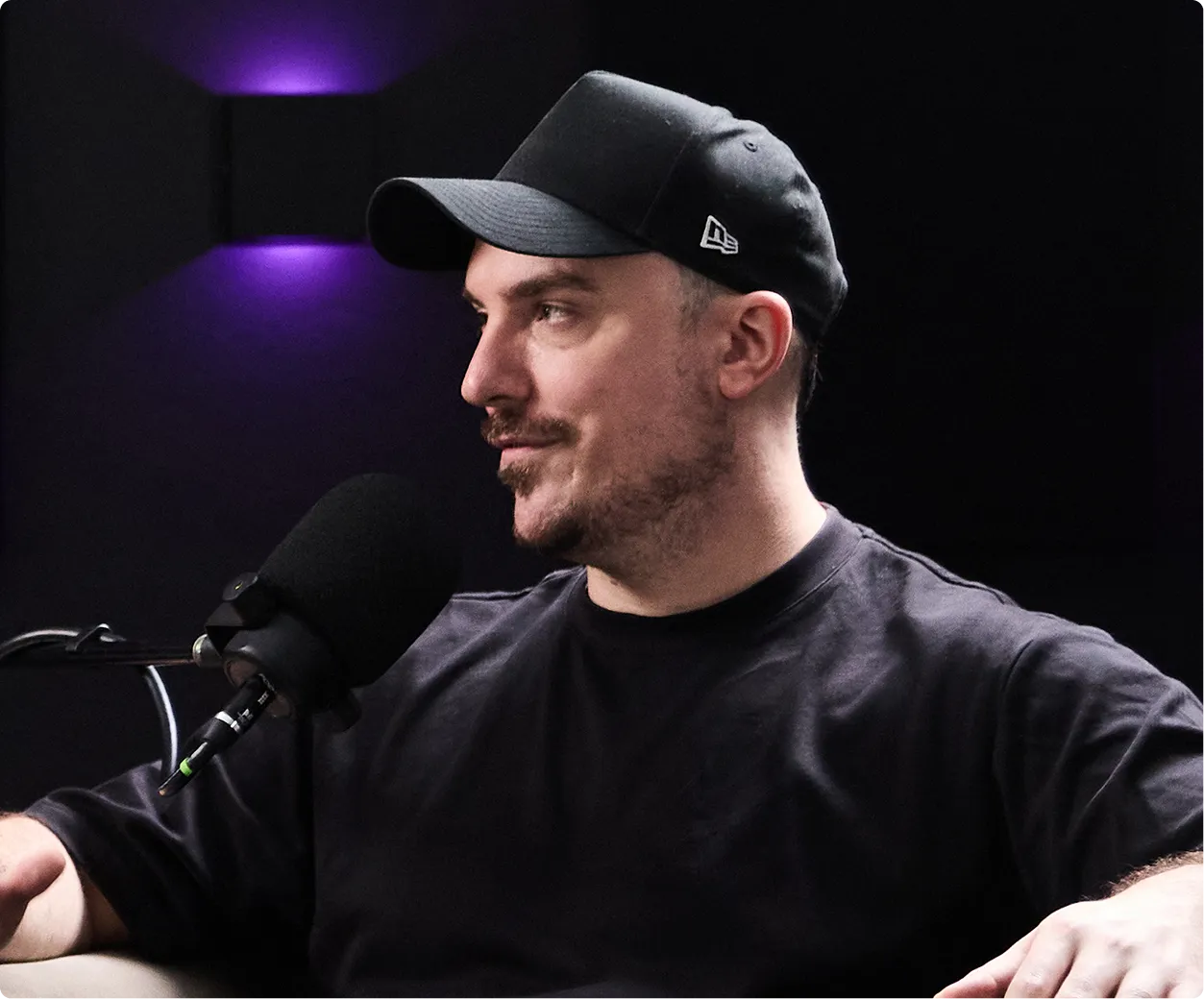
Dive into insights from industry leaders and experts.

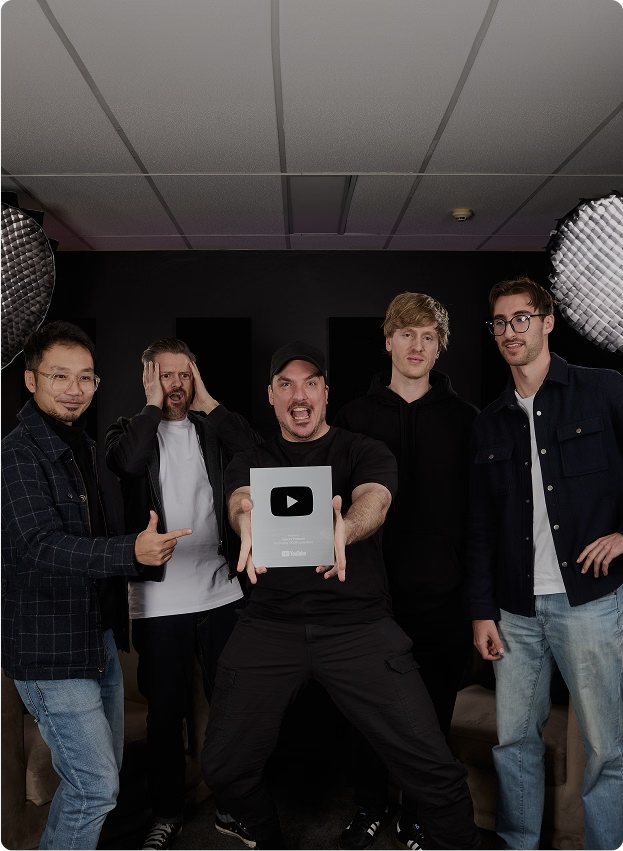
Stream now
Dive into expert advice and industry trends.